Convergence’s chief executive has called for larger, repeatable blended-finance transactions and stronger country-led strategies.
In supplied remarks at an FSDH-hosted gathering, she described a resilient global market alongside a decline in Africa’s share.
The figures were presented ahead of the organisation’s October report launch, making attribution and the distinction between preliminary observations and published findings essential.
Convergence calls for larger African transactions
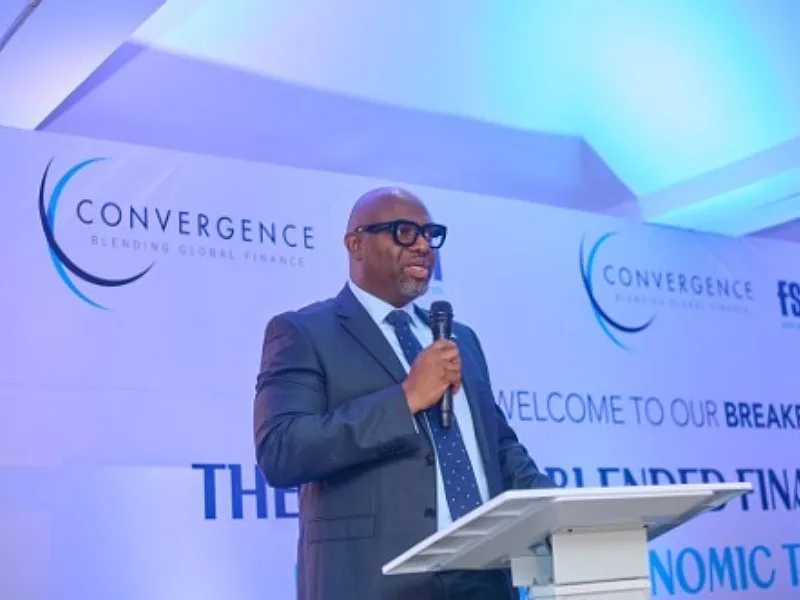
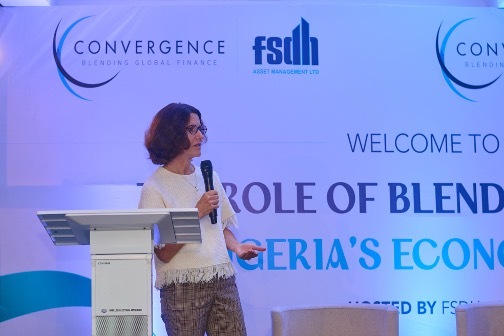
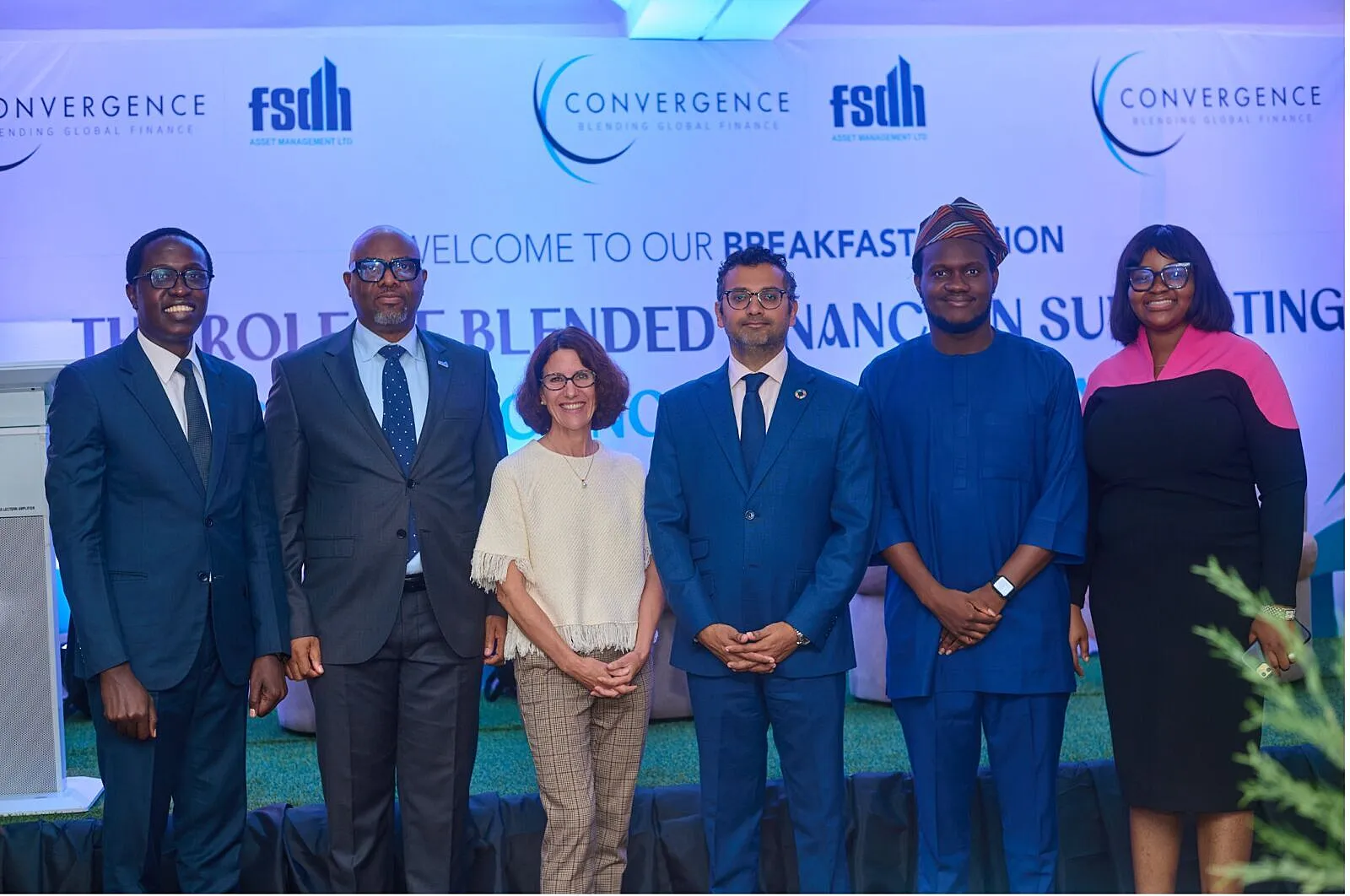
Joan M. Larrea, chief executive of Convergence, urged financiers at the Covergence-FSDH breakfast session themed “The Role of Blended Finance in Supporting Nigeria’s Economic Transformation” at the Wheat Baker Hotel on Wednesday, September 30, 2026, to develop larger, repeatable blended-finance transactions that can attract institutional capital into markets such as Nigeria. She combined that call with concern about Africa’s declining share of the market.

The message is about the structure of investment as much as the amount available.
Larrea argued that pension funds and other institutions need transactions that suit their mandates and decision-making processes.
Catalytic capital supports four financing approaches
Larrea described blended finance as a transaction in which impact-seeking capital helps make investment commercially workable for a private participant.
She identified four recurring approaches:
- Concessional capital within the structure
- Guarantees priced below full commercial terms
- Early-stage support
- Technical assistance.
These can be combined rather than used exclusively.
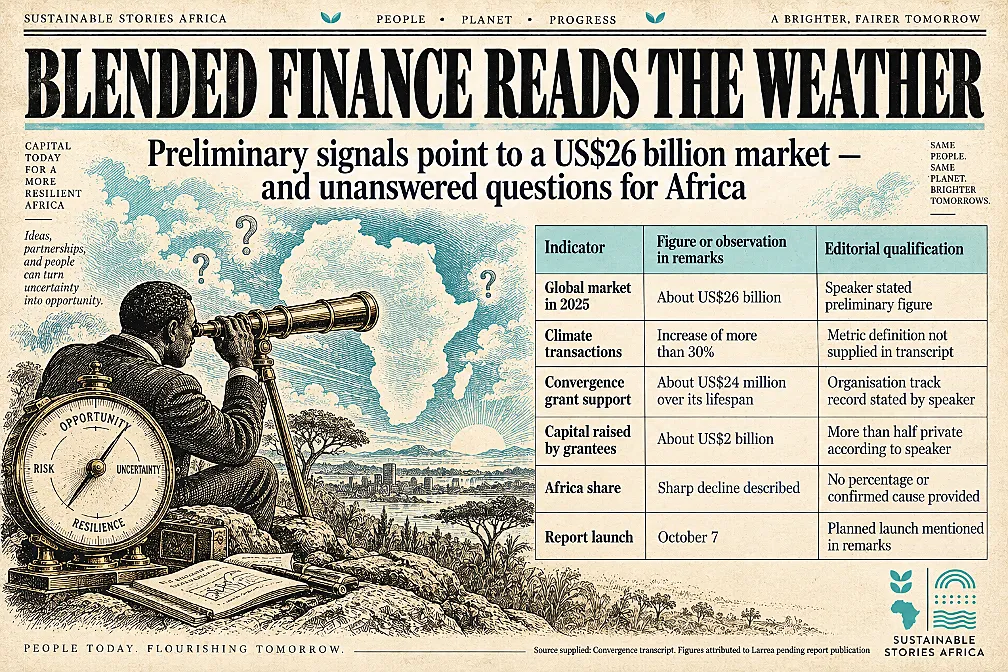
She put the 2025 global market at about $26 billion and said climate transactions had increased by more than 30%.
- She also reported a sharp fall in Africa’s share, while saying its cause remained unclear.
The figures were preliminary remarks ahead of a planned October 7 report launch, rather than a published statistical table.
Repeatable structures can preserve hard-won experience
Larrea said Convergence had supported grantees that subsequently mobilised substantially more investment, including private capital.
- She acknowledged Oryx Impact, Argentile and InfraCredit among participants and highlighted the value of practical transaction stories.
- Her concern was that institutions sometimes complete one blended deal without applying the experience to a second.
That observation has a practical implication.
- A completed transaction should leave reusable knowledge about legal terms, due diligence, risk allocation and investor requirements.
- If every subsequent deal begins from scratch, costly preparation can limit the number of projects reaching finance.
Larger transactions may attract institutions that cannot efficiently manage many small investments.
However, scale should not become a reason to neglect smaller projects with substantial local value.
- Aggregation can be useful where it preserves project quality, transparent selection and accountability to the communities involved.
Put local priorities into investment structures
Larrea also called for country-led strategies and better recognition of transactions involving local catalytic providers and investors.
- Her argument placed Nigerian experience at the centre of identifying needs and designing financing solutions.
For fund managers and development partners, the next step is to identify which structures can be repeated and which require adaptation.
- Standard documents can reduce effort, but contracts must still reflect local revenues, regulations and delivery risks.
- A template cannot replace informed judgement.
Institutions should track mobilisation and outcomes separately.
- Attracting private capital is an important financing measure; functioning infrastructure, accessible services and other documented benefits show whether the transaction achieved its development purpose.
- Reporting both would make blended finance more credible to investors and citizens.
The forthcoming Convergence report should provide a basis for examining the preliminary market observations.
- Until then, the African decline should remain an attributed concern whose magnitude and causes require further evidence.
The repeatability test should be specific.
- Participants can record how long preparation took, which terms required negotiation and what prevented interested investors from participating.
- Sharing that experience would help other institutions decide what to retain and what to change.
It would also make a second transaction easier to evaluate, because investors could compare its structure and delivery assumptions against a documented precedent rather than a general claim of innovation.
Path Forward – Build larger deals around local priorities
Financiers should capture lessons from completed transactions and develop repeatable structures that meet institutional requirements while reflecting country priorities.
Convergence’s planned report launch should clarify its preliminary market observations.
African participants prioritise linking capital mobilisation with transparent terms and demonstrable development outcomes.