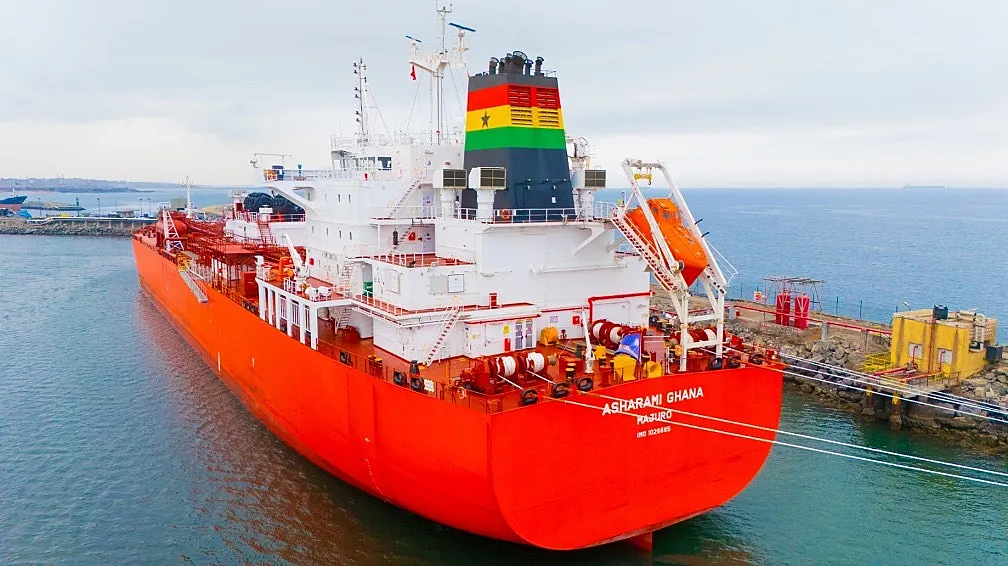
Sahara Group says MT Asharami Ghana has delivered 5,000 metric tonnes of LPG on its maiden voyage to Ghana.
The September 30 release links the delivery to a wider shipping, storage and distribution strategy.
The arrival adds to reported supply, but its effect on household affordability and sustained clean-cooking access depends on arrangements for such operations.
Sahara vessel delivers reported maiden cargo
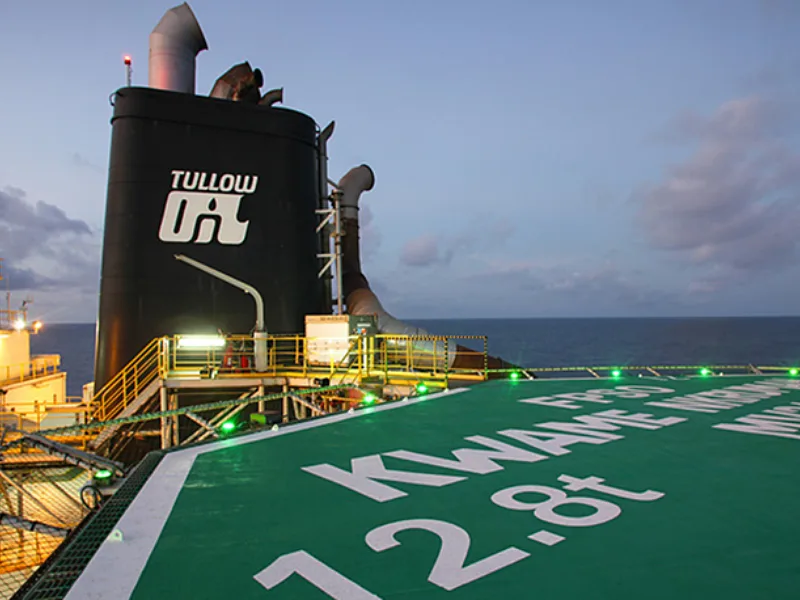
MT Asharami Ghana has delivered 5,000 metric tonnes of liquefied petroleum gas to Ghana on its maiden voyage, according to a Sahara Group press release dated September 30, 2026, and issued from Tema.
The company described the vessel as part of an integrated African LPG infrastructure strategy.
Shipping forms part of integrated strategy
MT Asharami Ghana is a 40,000-cubic-metre LPG carrier designed to serve Ghana and neighbouring markets.
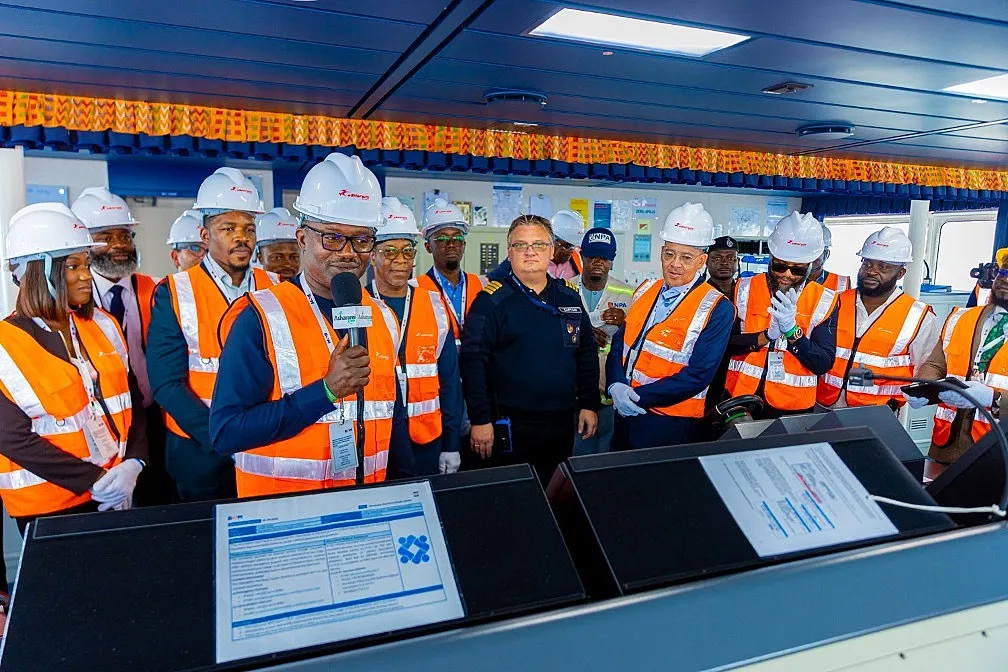
Sahara executive director Wale Ajibade said the strategy combines shipping, storage and downstream distribution.
Asharami Ghana managing director Yaa Serwaa Alifo linked the arrival to more reliable access for homes and businesses.
Energy and Green Transition Minister John Abdulai Jinapor also noted that the investment is towards improving clean-cooking purposes.
Cleaner cooking depends on affordable continued use
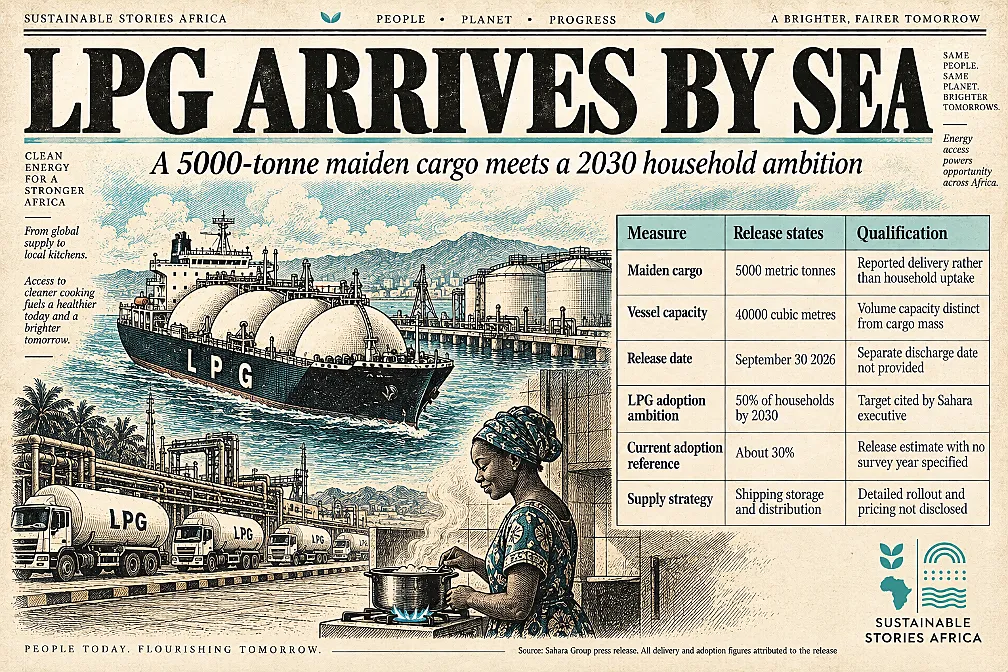
Ajibade cited a target of LPG adoption in 50% of households by 2030, compared with about 30% currently.
A shipment will improve and strengthen available supply; however, household adoption must be executed to ensure the complete retail experience.
- Families need safe equipment, accessible refills and prices they can sustain.
- If recurring costs are made affordable, improved import capacity will establish continued use.
Public-interest reporting should therefore follow the fuel beyond the vessel.
- Distribution reach, retail prices, safety practices and repeat purchase are more useful indicators of household benefit than arrival photographs alone.
Disclose implementation details and measure access
In addition to the press release, it is essential to share more information and provide detailed distribution schedules, retail pricing arrangements, investment costs or a timetable for further deliveries.
- Sahara and Asharami Ghana should ensure that regulatory authorities explain where the cargo will be distributed and monitor supply reliability.
- Government agencies should regularly clarify the relationship between new import capacity and national clean-cooking programmes, including safety oversight and consumer protection.
Subsequent reporting should distinguish physical supply from adoption and sustained use.
- A household obtaining an LPG cylinder once is a different outcome from relying on LPG for everyday cooking.
- Reliable monitoring would help identify whether supply improvements reach the people the policy is intended to serve.
Implementation reporting should include the consumer experience.
- Useful questions include whether retailers have consistent stock, whether safety information is understandable and whether households can obtain repairs or replacement equipment.
- These details would show how the wider infrastructure strategy interacts with everyday use.
They would also help distinguish a temporary supply improvement from a sustained change in cooking practices, giving the clean-cooking ambition a measurable basis beyond the first shipment.
Path Forward – Connect reliable supply with affordable cooking
Sahara and Ghana’s authorities should disclose distribution arrangements, supply milestones and indicators of household access.
Adoption figures need clearly identified sources and dates.
The priority is safe, affordable and sustained cooking-fuel use.