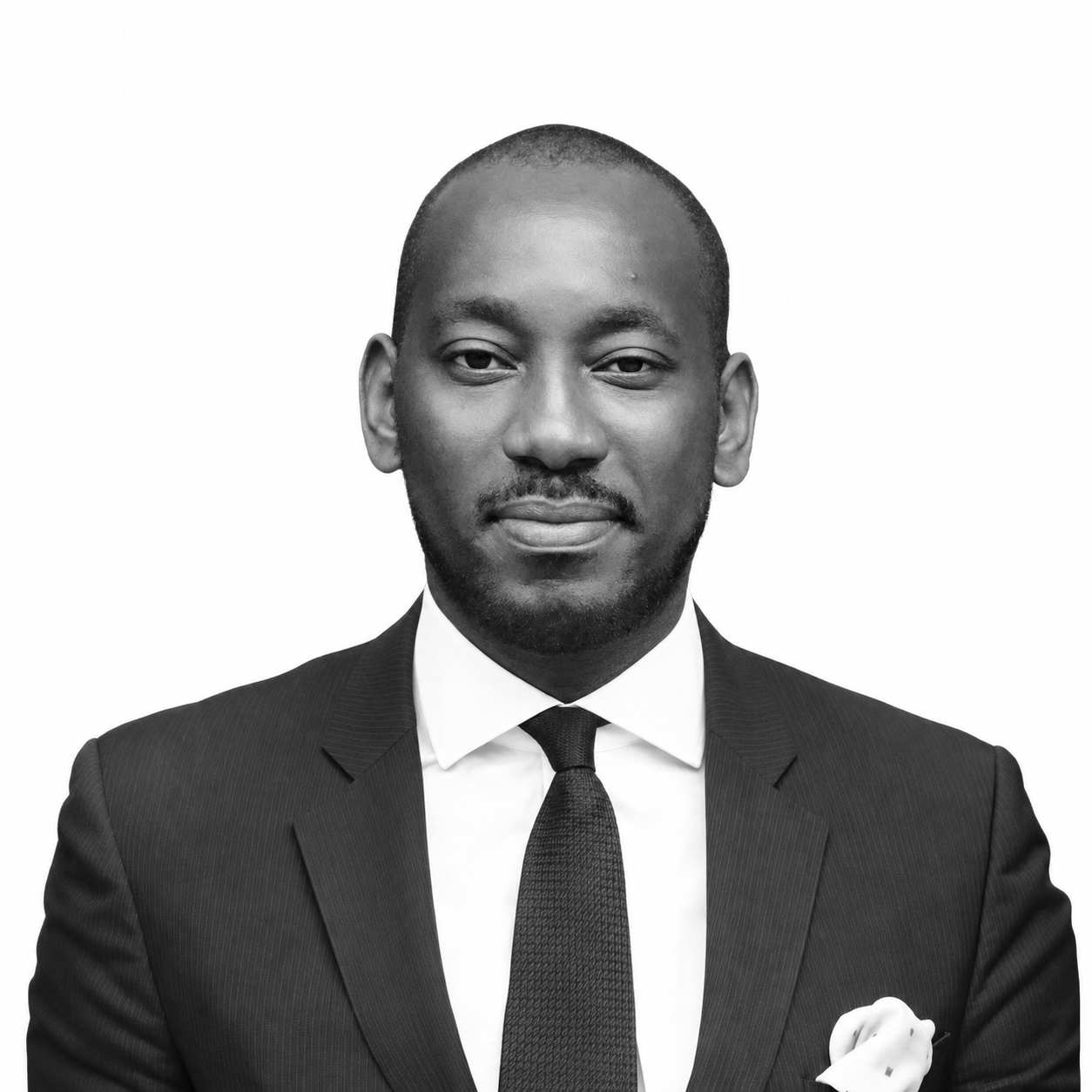
As a child, Gbite Oduneye accompanied his mother to see her stockbrokers in Lagos.
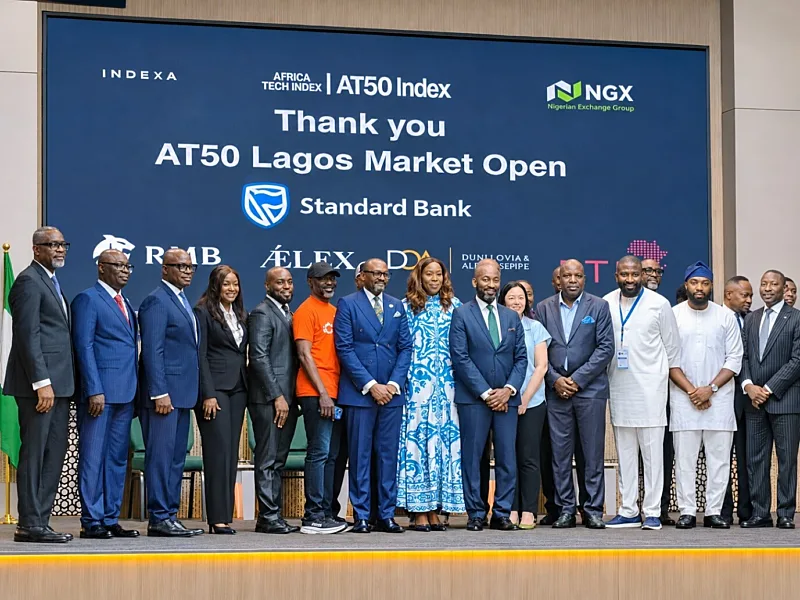
At the Nigerian Exchange, the venture investor and Indexa chair returned to a question those visits had made tangible: how do people come to know and trust the businesses they can own?
The Africa Tech 50 Index is his latest attempt to bring founders and investors into that conversation before a listing is on the table.
Lagos Brings Him Back to Markets
Before the fireside conversation begins at the Nigerian Exchange, Gbite Oduneye takes the podium.
He thanks the exchange and looks to the business represented in the room: companies working across payments, commerce, communications and financial services.
- Behind the services that have become part of daily life, he tells the audience, are years of decisions, investment and persistence.
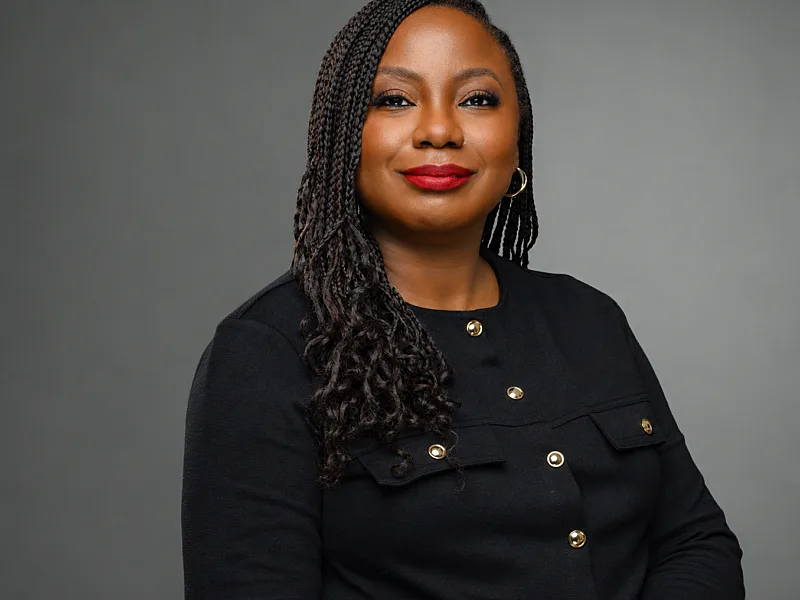
Oduneye chairs Indexa Exchange Group and is the founder/managing partner of ODBA, an early-stage venture firm.
- He has worked across finance, entrepreneurship and technology, but his introduction to public markets was personal.
In a 2017 interview, he recalled walking through Marina, in Lagos, to visit his mother’s stockbrokers and watching her buy shares in Nigerian businesses that paid dividends.
The companies on the AT50 are private; his mother’s shares were not.
- This gap gives the Lagos scene its meaning.
For Oduneye, a technology business becoming part of everyday life is one achievement.
- Giving people outside the company enough information to decide whether they want to own part of it is another.
He Starts With What Investors Know
Oduneye’s argument at the podium starts with information rather than a call for companies to list.
- People deciding where to put money need a reliable way to understand how a business is developing.
- Governance matters because it helps them see how decisions are made, who can question them and what happens when results disappoint.
The years of work he had just credited founders with doing have become visible to people who were not witnesses.
He does not pretend that familiarity will settle every disagreement.
- In Lagos, he acknowledged that some investment bankers in the room might not share his view of private technology valuations.
- A fast-growing business can be credible without every investor agreeing on its price.
The benchmark’s job, as he described it, is to make companies easier to follow, not to make disagreements disappear.
A Childhood Lesson Travels Across Markets
“My mother introduced me to Capital Markets at a very young age.”
- Gbite Oduneye, in a 2017 interview about the Nigerian Capital Markets Forum.
In that interview, Oduneye recalled that his mother was still receiving dividends from the same Nigerian companies decades later.
- It is a small detail, but it explains what stayed with him: a decision made in a broker’s office could create a relationship between a household and a business that lasted for years.
His later work has approached that relationship from different sides, from finance consulting in London and cross-border market engagement to backing founders through ODBA.

Founders Gain Time Before the Pitch
Early-stage investing puts Oduneye close to companies when much of their value still rests on what they hope to build.
A public-market conversation has different questions:
- What can management substantiate, and how does the board oversee the business
- What will an investor be able to monitor after committing capital?
The film shown in Lagos put reporting and governance at the centre of that transition.
This is where AT50’s practical value will emerge.
- A founder can learn what an institutional investor needs to see before there is a transaction deadline.
- An investor can observe how management explains a missed target as well as a successful expansion.
- A company does not have to choose a listing to benefit from that exchange.
Oduneye made the distinction explicit in Lagos: membership does not mean a company will go public.
He Wants the Conversation to Continue
Nigeria’s 16 AT50 constituents gave the Lagos audience a concrete place to start.
However, the emphasis is on the measure of representation, not a count of deals.
The invitation is for investment bankers and technology founders to spend more time understanding one another before a company asks the market for money.
- For founders, that means explaining not only how quickly a company grew but how it makes decisions when growth slows
- For financiers, it means taking the time to understand the business behind a valuation they might dispute.
Oduneye’s role is to help start these conversations.
- He cannot make a board choose an IPO, make an investor accept a price or substitute a benchmark score for either side’s judgement.
Path Forward – The Next Visit Is Not Ceremonial
The child who walked into his mother’s broker’s office saw what it meant for a family to own part of a company.
The investor at the Lagos podium is asking what it takes for a new generation of businesses to become understandable enough for others to make that choice.
Not every founder will choose a listing. The lasting achievement would be for more of them to have a credible choice.