FSDH Asset Management is seeking capital for its infrastructure debt fund as it advances a broader strategy to finance productive assets in Nigeria.
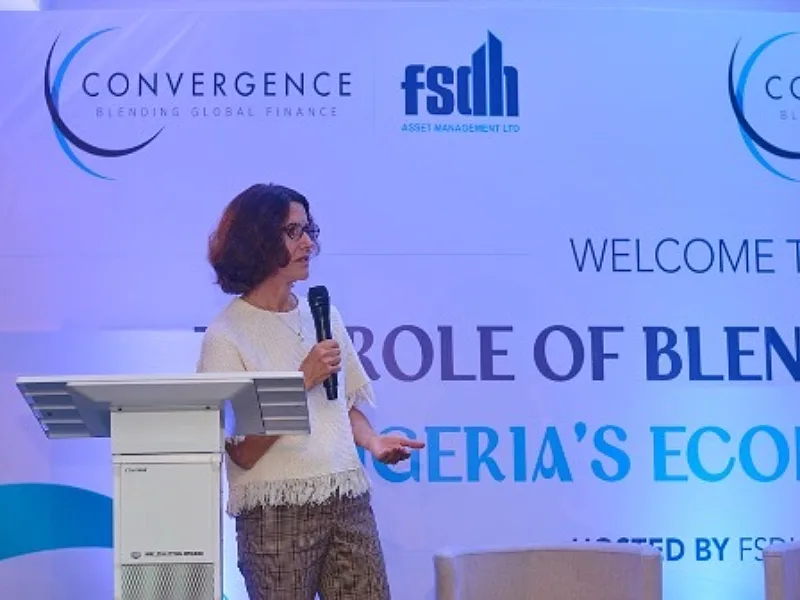
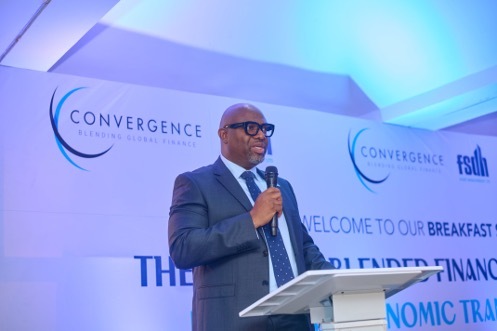
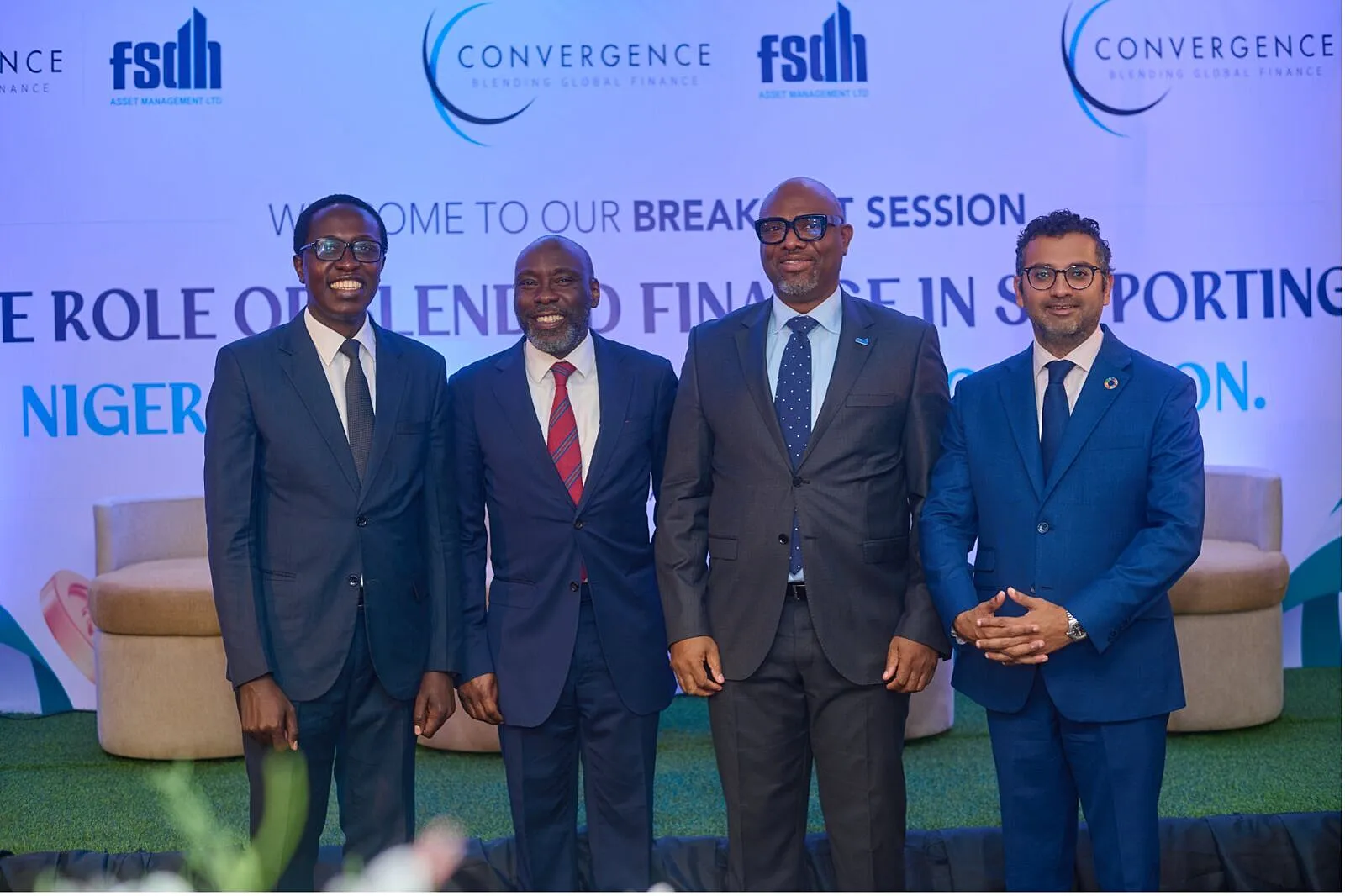
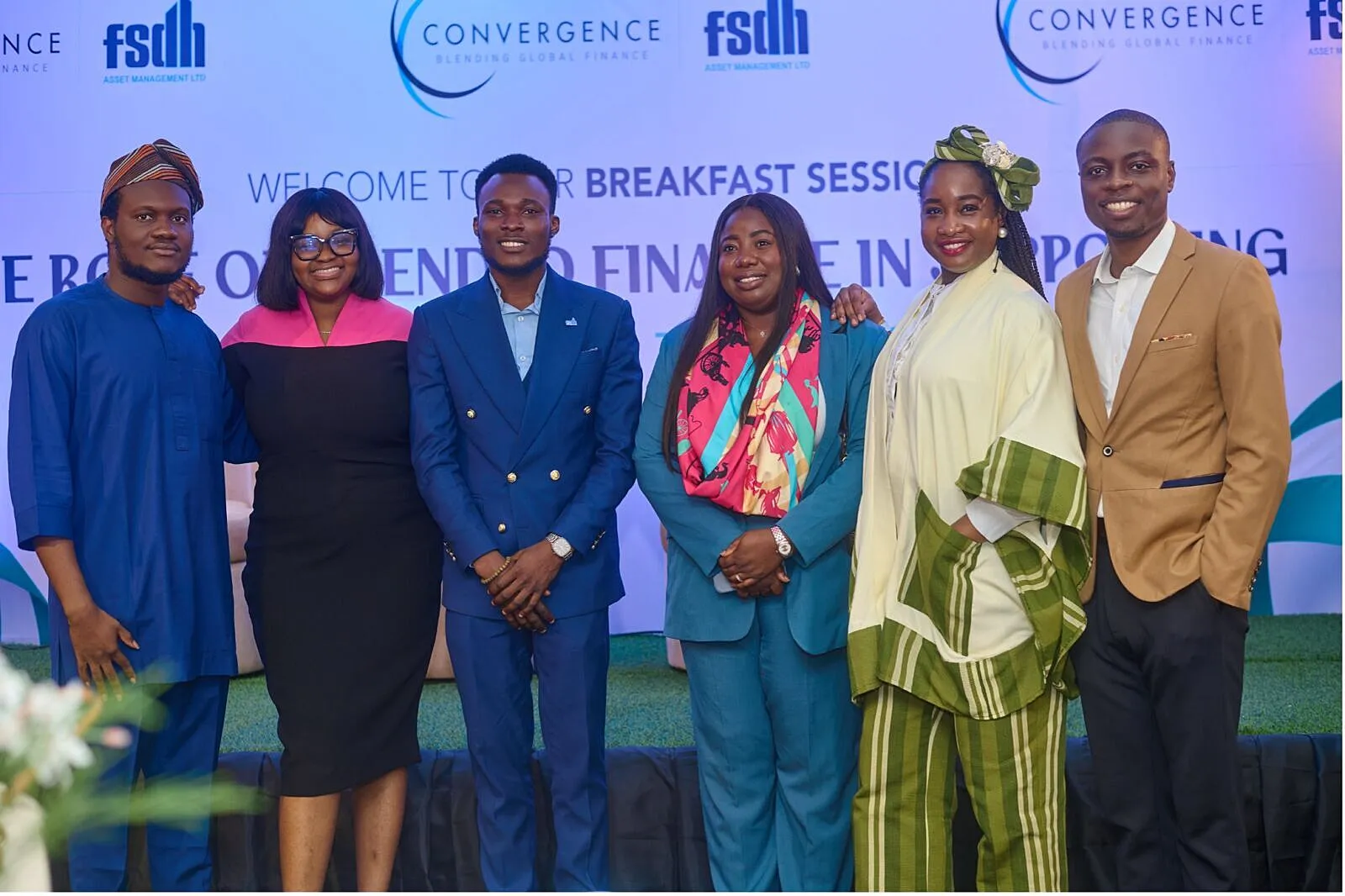
At the Convergence-FSDH breakfast session themed “The Role of Blended Finance in Supporting Nigeria’s Economic Transformation” at the Wheat Baker Hotel on Wednesday, September 30, 2026, Toyin Owolabi linked the initiative to collaboration with Convergence and Nigeria’s development priorities.
A N20 billion first series and proposed equipment leasing fund put healthcare access, essential infrastructure and investment accountability at the centre of the discussion.
FSDH Advances Its Infrastructure Funding Strategy
FSDH Asset Management is raising capital for the first series of its ₦200 billion infrastructure debt programme, managing director and chief executive Toyin Owolabi said at the Convergence-FSDH breakfast session themed “The Role of Blended Finance in Supporting Nigeria’s Economic Transformation” at the Wheat Baker Hotel on Wednesday, September 30, 2026.
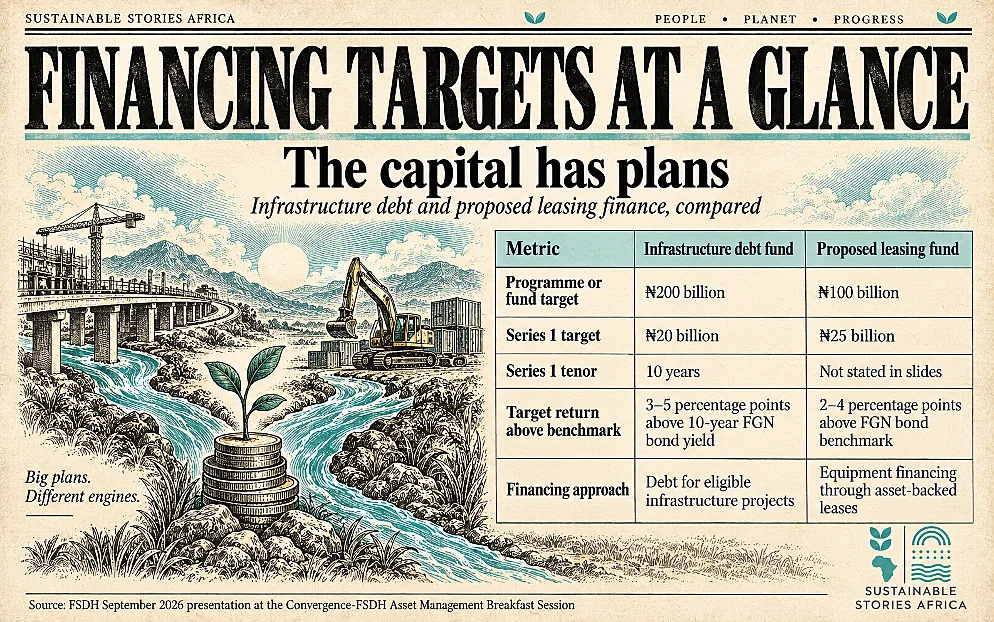
The Series 1 target is N20 billion. This separates the initial offer from the wider N200 billion programme.
Owolabi said the infrastructure fund had received Securities and Exchange Commission approval and announced that FSDH had become the first Nigerian company to join Convergence.
FSDH’s published fund description independently identifies the infrastructure vehicle as an SEC-registered, closed-ended unit trust established in 2024.
“Nigeria needs to take a seat at the centre of things,” he said, urging financial institutions to collaborate on infrastructure investment.
His message connects capital raising as a practical question: how can savings finance assets that improve everyday services?
Turning Development Needs Into Investable Assets
According to Owolabi, the infrastructure initiative is part of a wider expansion into equipment leasing, green financing and capital for women-owned and women-led small businesses.
He noted that FSDH comprises an approximately $225 million portfolio as of August 2026.
These proposed products would extend the firm’s activity beyond its traditional financial instruments.
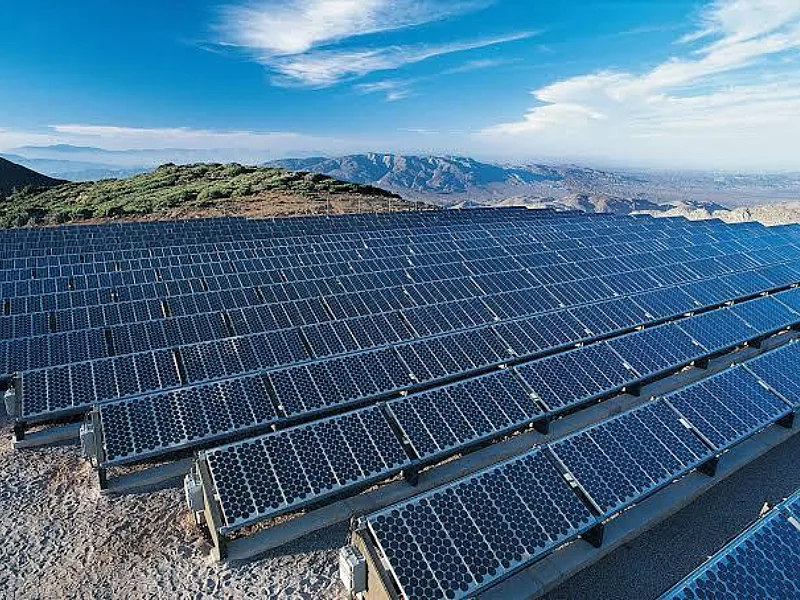
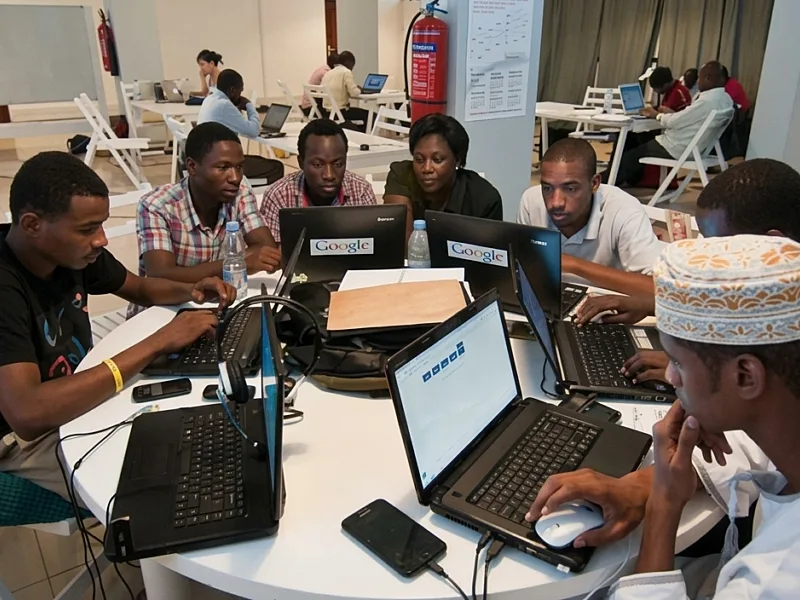
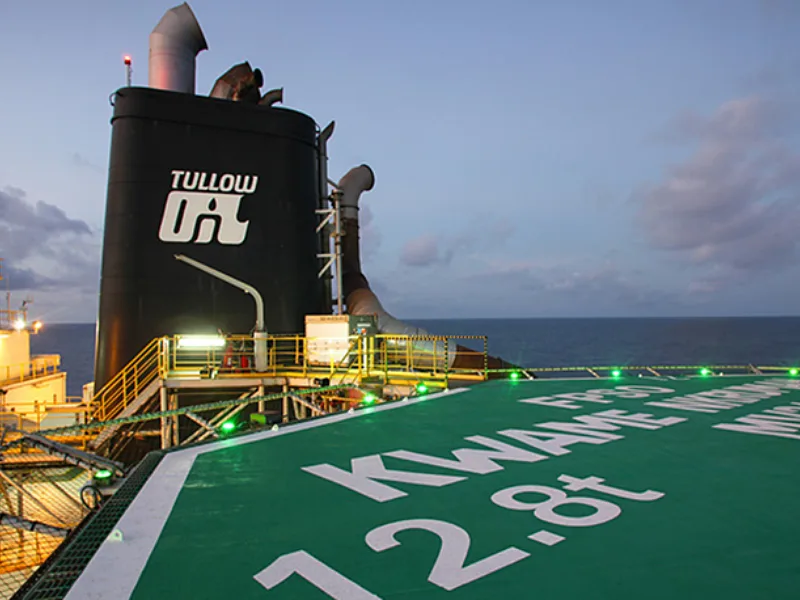
The infrastructure debt fund targets agriculture, healthcare, transport, energy, information and communications technology, and urban and social infrastructure.
Its first series has a ten-year tenor and seeks returns at 3 – 5 percentage points above the prevailing ten-year Federal Government of Nigeria bond yield.
Blended finance would support this strategy by combining commercial investment with public, development or philanthropic capital.
It would also improve risk sharing, concessional financing and support project preparation to improve bankability.
That distinction matters.
- Announcing a fund establishes a financing vehicle; attracting capital still requires credible projects, predictable cash flows and a clear allocation of risk.
- Owolabi’s message identifies construction risk, mismatched investment sizes and uneven reporting as barriers between domestic savings and productive assets.
Equipment Leasing Could Broaden Healthcare Other Assets Access
Owolabi illustrated the development case through healthcare.
- Hospitals buying imported scanning equipment face dollar-denominated purchase costs while earning revenue in naira, he said.
- Pressure to recover those costs quickly can make treatment more expensive.
FSDH's leasing approach spreads equipment payments over time and allows replaced assets to move to other hospitals.
This could widen access to diagnostic equipment while reducing the need for each institution to finance an outright purchase.
- A proposed N100 billion leasing fund, with a N25 billion Series 1 target, would finance productive assets across healthcare, agriculture, energy, ICT and transport.
- Its target return is two to four percentage points above an FGN bond benchmark.
Maintenance, replacement terms and participating hospitals’ payment capacity would therefore be central to implementation.
 |  |
Investment Accountability Must Accompany Capital Mobilisation
Owolabi urged participants to consider investing and said FSDH had signed agreements with some of the participants present.
He thanked Convergence for introductions and offered to discuss collaborations further
The infrastructure fund considers environmental, social and governance considerations throughout investment selection and monitoring.
Renewable energy and essential services feature alongside transparency and risk management, with an investment committee and advisory board forming part of the governance framework.
FSDH’s task is to translate its pipeline into financed assets and publish evidence of both investment performance and service improvements.
Path Forward – For Nigerian Development Finance
FSDH’s stated priorities are to mobilise infrastructure capital and develop financing for productive equipment.
Collaboration with Convergence is intended to strengthen access to partners and blended finance expertise.
Progress depends on capital commitments, suitable projects and transparent reporting.
Tracking healthcare access and other service outcomes alongside financial performance would help show whether the strategy delivers its promised development value.