A modelled 20% price increase could avert obesity, diabetes and cardiovascular disease while easing household health costs.
A modelling study says a sugary-drink tax that raises prices by 20% could prevent hundreds of thousands of disease cases in Egypt.
Over 25 years, it projects $1.8 billion in direct healthcare savings and 1.6 million additional healthy life years.
Young people and women could gain most, turning beverage taxation into a health, equity and household-finance intervention.
One Tax Could Shift Millions Of Lives
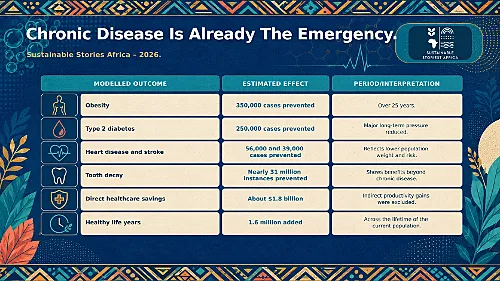
Egypt could prevent 350,000 cases of obesity, 250,000 cases of type 2 diabetes and save about $1.8 billion in direct healthcare costs over 25 years by taxing sugary drinks enough to raise their prices by 20%, according to a new modelling study.
The projections also include 56,000 fewer cases of heart disease, 39,000 fewer strokes, 2,700 fewer cancer cases and almost avoiding 31 million instances of tooth decay.
Across the lifetime of Egypt’s current population, researchers estimate the policy could add 1.6 million health-adjusted life years.
For families who pay approximately 60 cents of every healthcare dollar directly, the gains are not abstract.
Fewer chronic illnesses can mean fewer prescriptions, hospital visits and income losses, although the model counted only direct healthcare savings and therefore likely understates the wider economic benefit.
Chronic Disease Is Already The Emergency
Non-communicable diseases account for about 84% of deaths in Egypt, while adult obesity has risen from 22% to 32% over two decades.
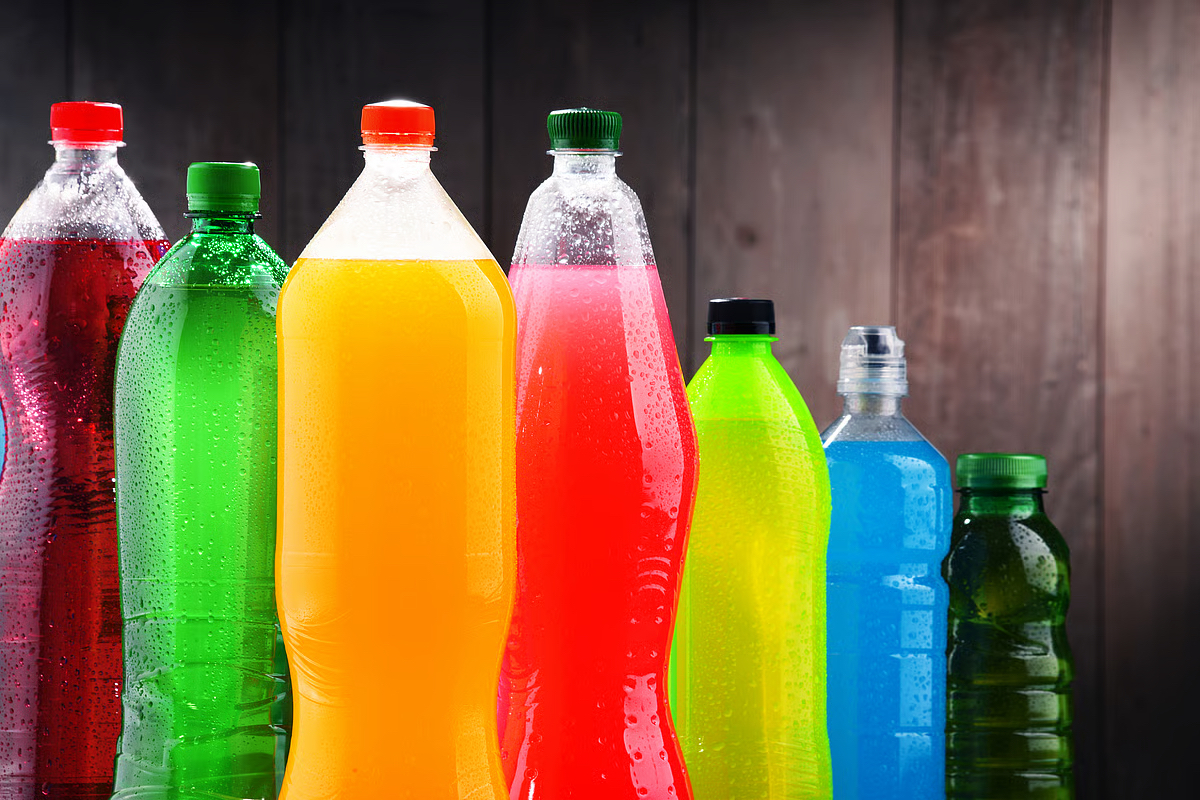
Sugary drinks are one contributor to that burden because liquid sugar adds calories without creating the same feeling of fullness as many solid foods.
Egypt currently applies a 14% general sales tax to drinks and a general excise tax on non-alcoholic beverages; however, it does not have a specific excise duty targeted at sugar-sweetened drinks.
The study modelled a tax large enough to raise retail prices by 20%, the minimum increase the World Health Organisation has recommended for meaningful health effects.
Researchers used a multi-state life-table model that links higher prices to lower purchases, reduced calorie intake, lower average body weight and, eventually, fewer obesity-related diseases.
The estimates use international price-sensitivity data, meaning that Egyptian consumers may respond differently; substitution towards cheaper sugary products is another uncertainty.
Young People And Women Gain Most
The benefits are projected to be largest for young Egyptians, who consume more sugary drinks and respond more strongly to price changes.
Women gain about 11% more healthy life years than men, reflecting higher obesity prevalence and sensitivity to added sugars.
That makes the policy relevant to health equity and also prevention. A well-designed tax can reduce future demand for clinics while protecting household income, especially if revenue supports drinking water, school nutrition and primary care.
Experience elsewhere suggests design matters.
South Africa’s 2018 Health Promotion Levy was followed by reductions in sugary-drink purchases of 32% among lower-income households and 27% among higher-income households, with manufacturers also cutting sugar content.
The Egyptian model is not a forecast of guaranteed outcomes, but it shows the scale of benefit available.
Design The Levy Around Health Outcomes
Egyptian policymakers should define drinks by sugar content, close loopholes between product categories and index the rate so inflation does not erode its effect.
Clear front-of-pack information and restrictions on marketing to children can reinforce the price signal.
The government should also publish how revenue is used and monitor consumption, reformulation and impacts across income groups, cities and rural communities.
Targeted support for safe water access can address concerns that households need affordable alternatives, while independent evaluation can identify unintended substitution.
Path Forward – Makes Prevention A Priority
The evidence supports a specific sugary-drink excise as one part of a wider strategy on nutrition, marketing, healthcare and safe water.
Its design should protect low-income households and reward reformulation.
Egypt now faces a political choice: continue paying for preventable disease after it develops, or use a proven fiscal tool to reduce risk earlier.
Transparent revenue use and rigorous evaluation can turn the levy into a trusted public-health investment.