Electricity demand from traditional grids is declining in many markets.
Utilities are being forced to rethink pricing, infrastructure, and business models.
The shift could redefine energy access, investment flows, and power reliability globally.
When Demand Falls, the System Must Adapt
For decades, electricity utilities operated on a simple assumption: demand would always rise.
That assumption is now breaking down.
Across multiple markets, particularly in advanced economies and increasingly in emerging ones, grid demand is flattening or declining.
Energy efficiency improvements, rooftop solar adoption, battery storage, and changing consumption patterns are reducing reliance on centralised grids.
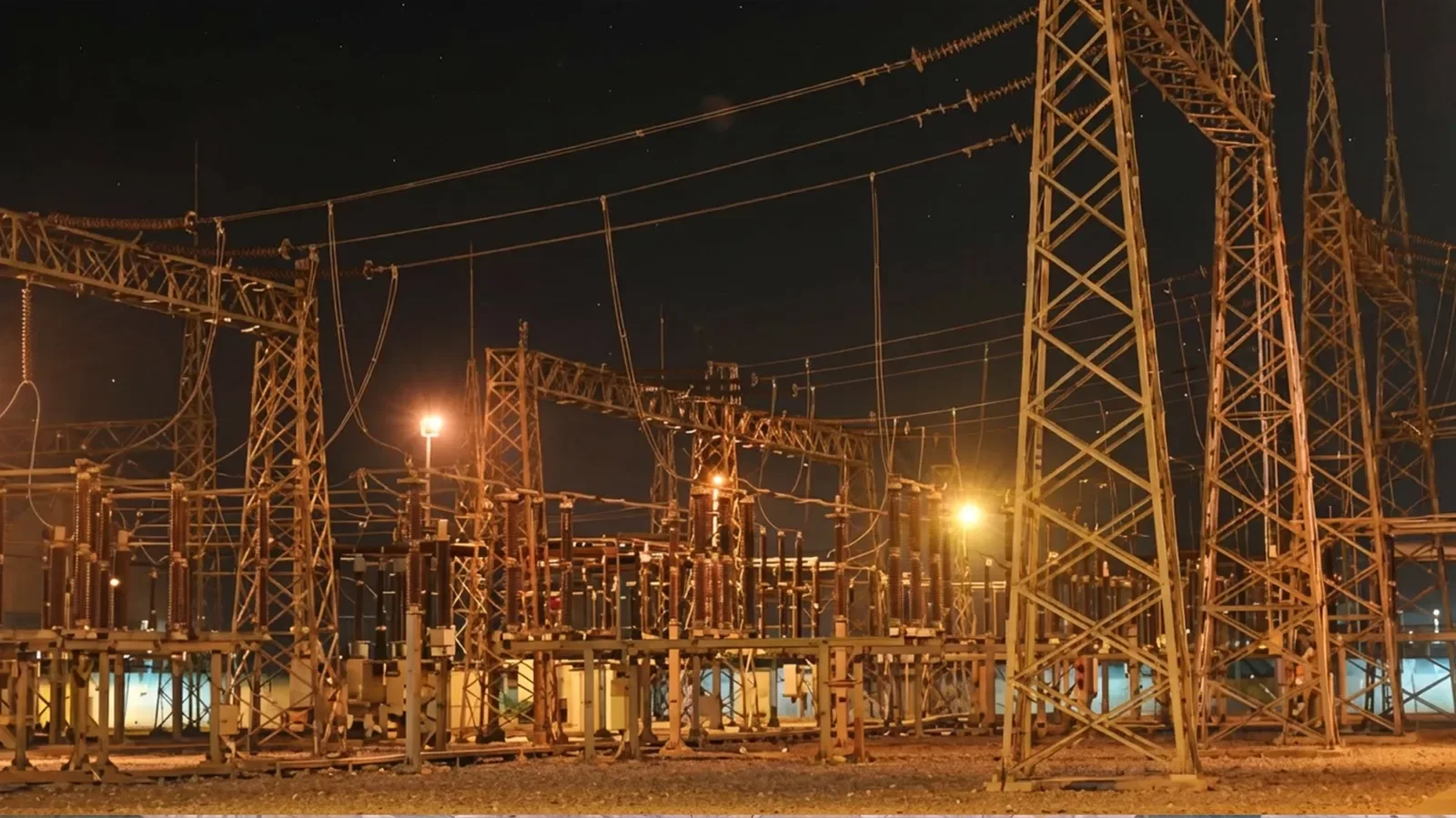
For utilities, the implications are profound: lower electricity sold means lower revenue under traditional models, even as infrastructure costs remain high.
The Forces Driving Demand Decline
A single factor does not drive the decline in grid demand; a convergence of structural shifts is reshaping the energy landscape.
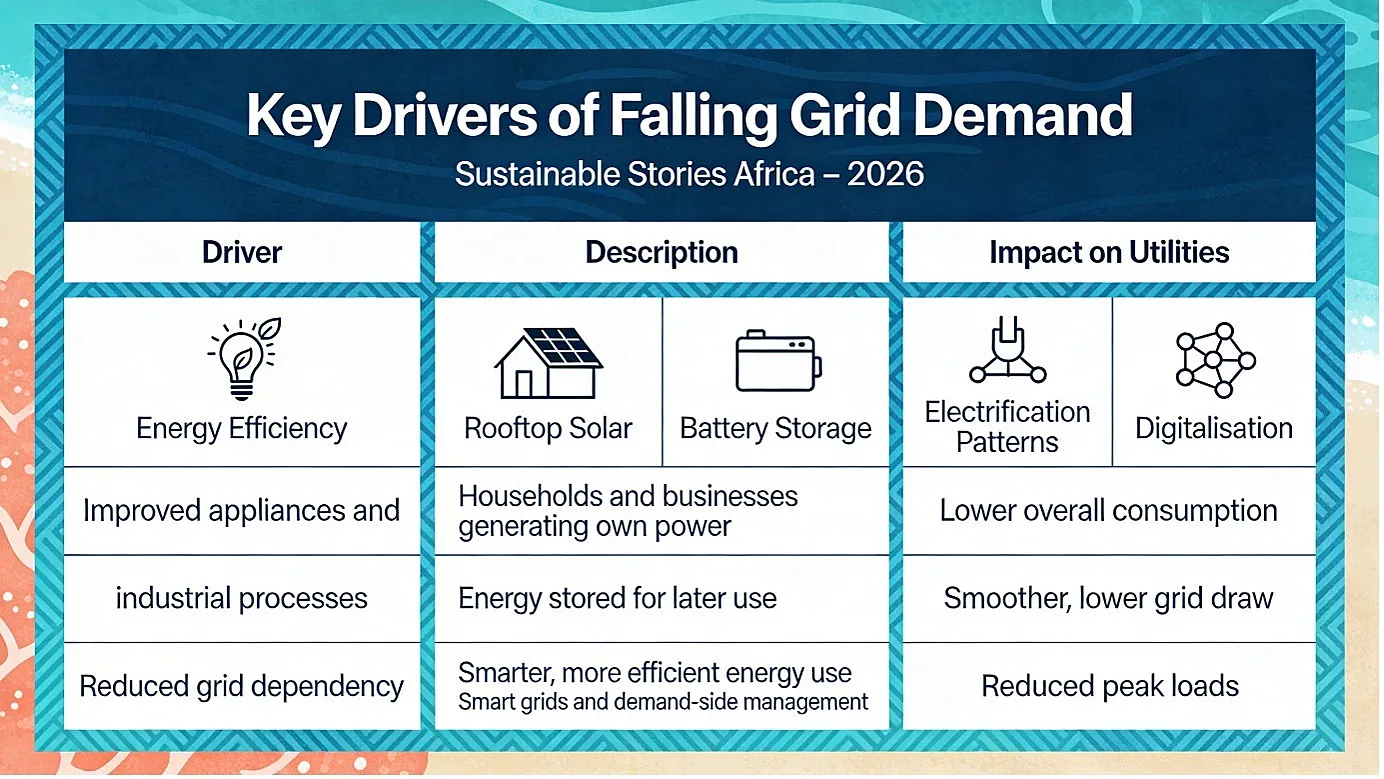
Key Drivers of Falling Grid Demand
Driver | Description | Impact on Utilities |
|---|---|---|
Energy Efficiency | Improved appliances and industrial processes | Lower overall consumption |
Rooftop Solar | Households and businesses generating their own power | Reduced grid dependency |
Battery Storage | Energy stored for later use | Smoother, lower grid draw |
Electrification Patterns | Smarter, more efficient energy use | Demand optimisation |
Digitalisation | Smart grids and demand-side management | Reduced peak loads |
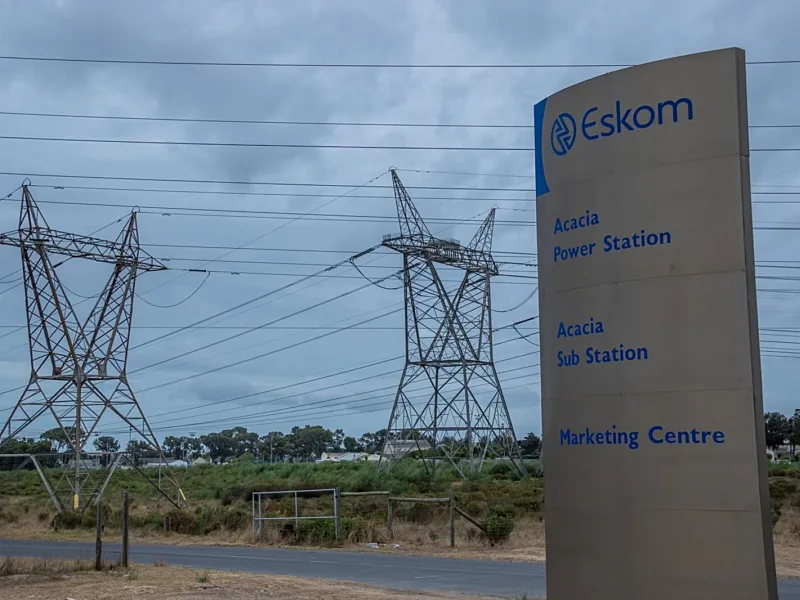
In markets such as South Africa and Nigeria, the trend is increasingly visible. Businesses and households are turning to self-generation solutions, from diesel alternatives to solar mini grids, to manage unreliable supply and rising tariffs.
In developed markets, the story is slightly different but equally disruptive: consumers are not leaving the grid entirely; they are using it less intensively.
A New Opportunity for Smarter Energy Systems
While reducing demand presents challenges, it also ensures a more flexible, efficient, and sustainable energy system.
Utilities that adapt effectively could unlock:
- New revenue streams – Offering energy services, not just electricity sales
- Grid modernisation – Investing in smart infrastructure and digital networks
- Decentralised integration – Managing distributed energy resources efficiently
- Customer-centric models – Providing tailored energy solutions to businesses and households
Rather than being displaced, utilities can reposition themselves as system orchestrators, managing flows between central grids, distributed generation, and storage systems.
For African markets, this shift could be transformative. Instead of expanding outdated centralised models, countries could leapfrog into hybrid systems that combine grid power with decentralised solutions.
Redesigning the Utility Playbook
To remain viable, utilities must fundamentally rethink how they operate.
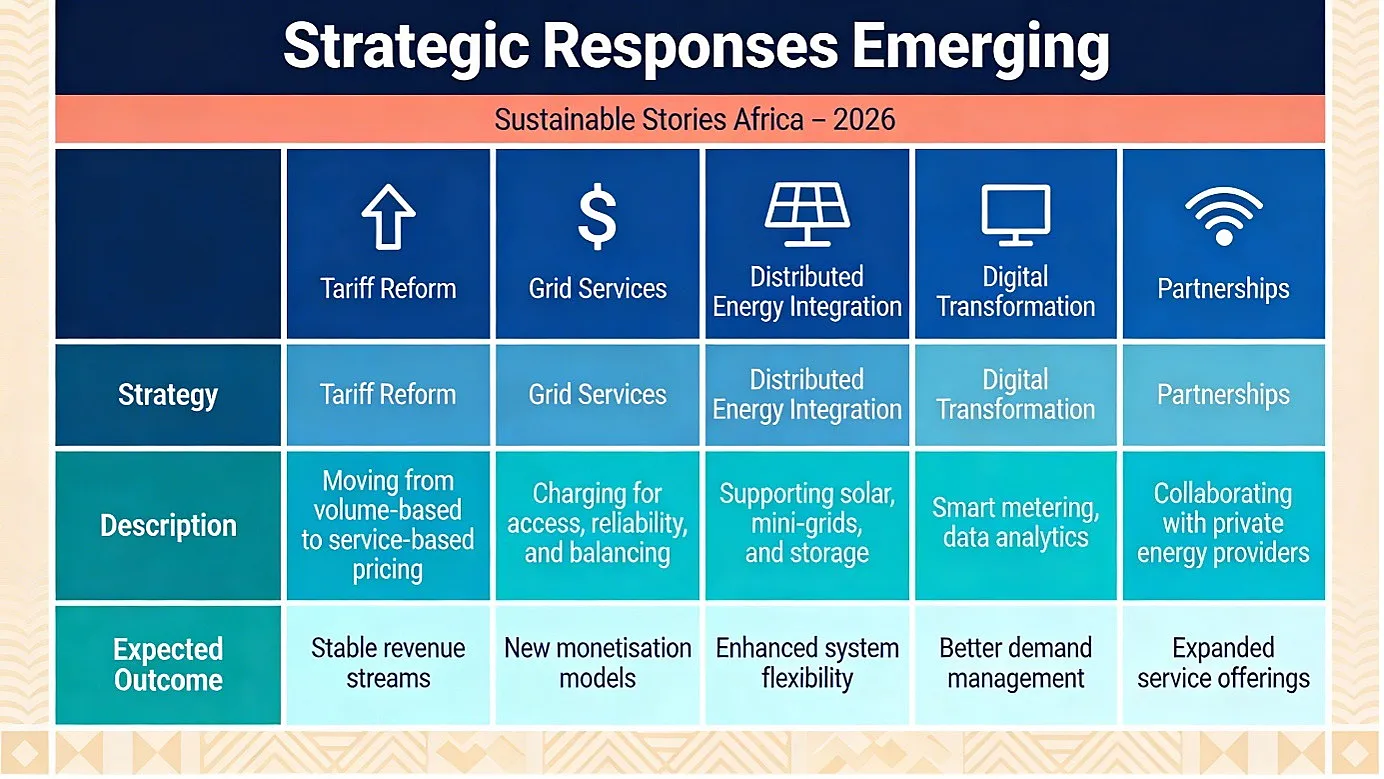
Strategic Responses Emerging
Strategy | Description | Expected Outcome |
|---|---|---|
Tariff Reform | Moving from volume-based to service-based pricing | Stable revenue streams |
Grid Services | Charging for access, reliability, and balancing | New monetisation models |
Distributed Energy Integration | Supporting solar, mini-grids, and storage | Enhanced system flexibility |
Digital Transformation | Smart metering, data analytics | Better demand management |
Partnerships | Collaborating with private energy providers | Expanded service offerings |
Regulators will play a critical role in enabling this transition. Traditional pricing structures, based on electricity volume, may need to evolve toward models that reflect the true value of grid infrastructure and reliability.
For investors, the shift signals a new frontier: utilities are no longer just infrastructure plays; they are becoming platform businesses in energy ecosystems.
PATH FORWARD – Flexible Grids, Smarter Revenue Models Ahead
Utilities must transition from selling electricity to delivering integrated energy services. Pricing, infrastructure, and regulation must evolve to reflect changing demand realities.
As decentralised energy grows, the future grid will be more flexible, digital, and customer-driven, reshaping how power is produced, distributed, and consumed across both developed and emerging markets.
Culled From: How utilities respond to falling grid demand