A 420 MW wind power project backed by French investment has been commissioned in South Africa, strengthening the country’s renewable energy capacity.
The project forms part of broader efforts to diversify South Africa’s electricity mix and reduce dependence on coal.
Energy analysts say the development highlights the growing role of international partnerships in accelerating Africa’s renewable energy transition.
France Expands Renewable Investment In South Africa
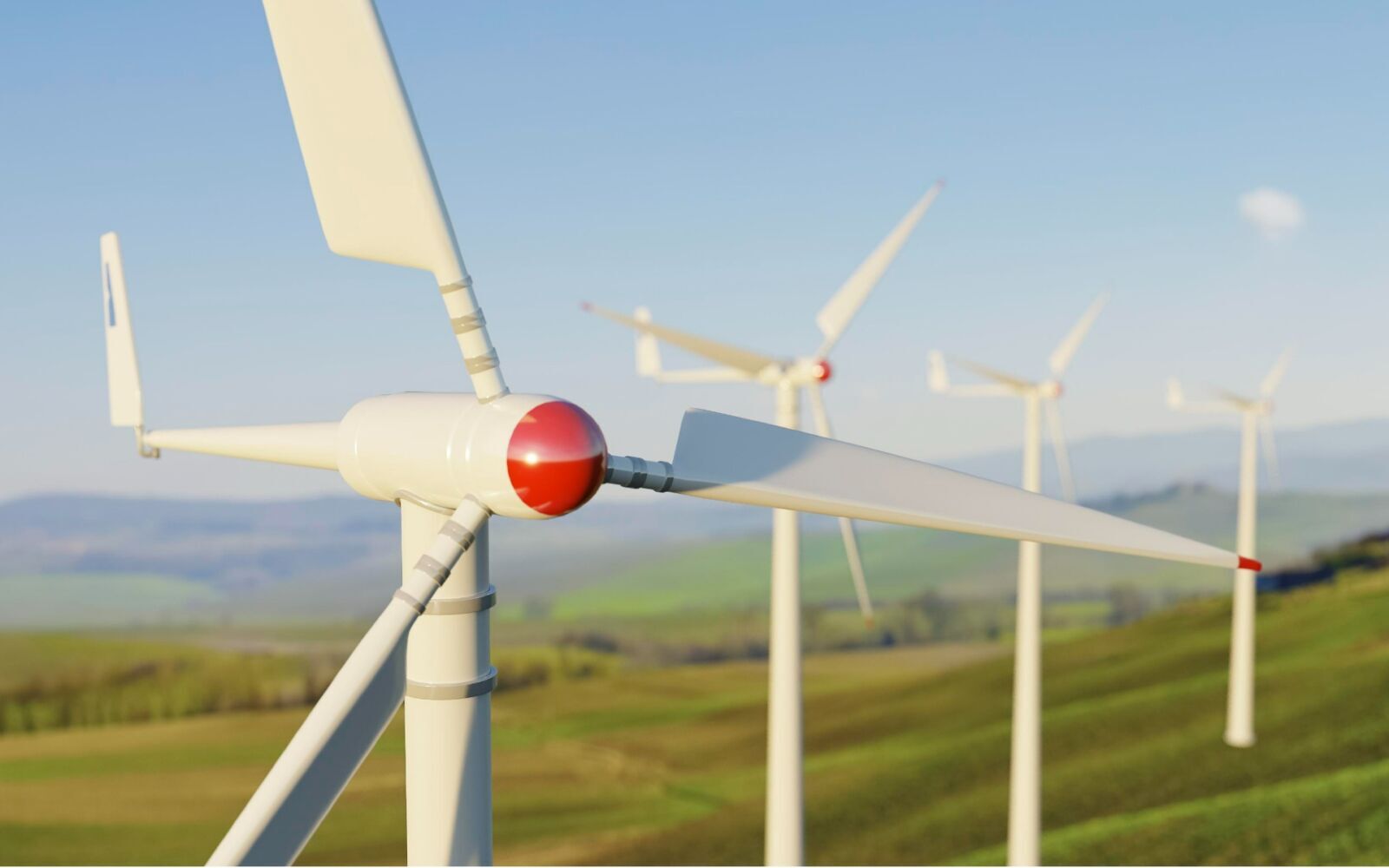
France has commissioned a 420-megawatt wind power project in South Africa, marking another major milestone in the country’s efforts to scale renewable energy infrastructure.
The development underscores increased international investment in Africa’s clean energy sector, particularly as countries seek to diversify electricity supply and address climate commitments.
South Africa, which remains heavily dependent on coal for electricity generation, has accelerated renewable energy development as part of its broader strategy to strengthen energy security.
Wind power projects are becoming a central component of that transition, offering reliable and scalable alternatives to traditional fossil fuel generation.
Energy experts say international partnerships are playing an increasingly important role in financing and delivering large-scale renewable energy infrastructure across the continent.
International Partnerships Driving Energy Projects
The commissioning of the wind facility highlights the growing collaboration between European investors and African energy markets.
Foreign investment has become a critical source of financing for renewable energy projects across Africa, where infrastructure development often requires significant capital.
France’s involvement reflects broader European interest in supporting clean energy initiatives while strengthening economic partnerships with African countries.
Analysts say such projects also contribute to the transfer of technological knowledge, supporting the development of local renewable energy expertise.
As renewable energy markets mature, partnerships between governments, developers and international investors are expected to accelerate project deployment.
Key Features Of The Wind Project
Feature | Details |
|---|---|
Installed capacity | 420 megawatts |
Energy source | Wind power generation |
Investment origin | French-backed renewable investment |
Strategic goal | Expand South Africa’s clean energy capacity |
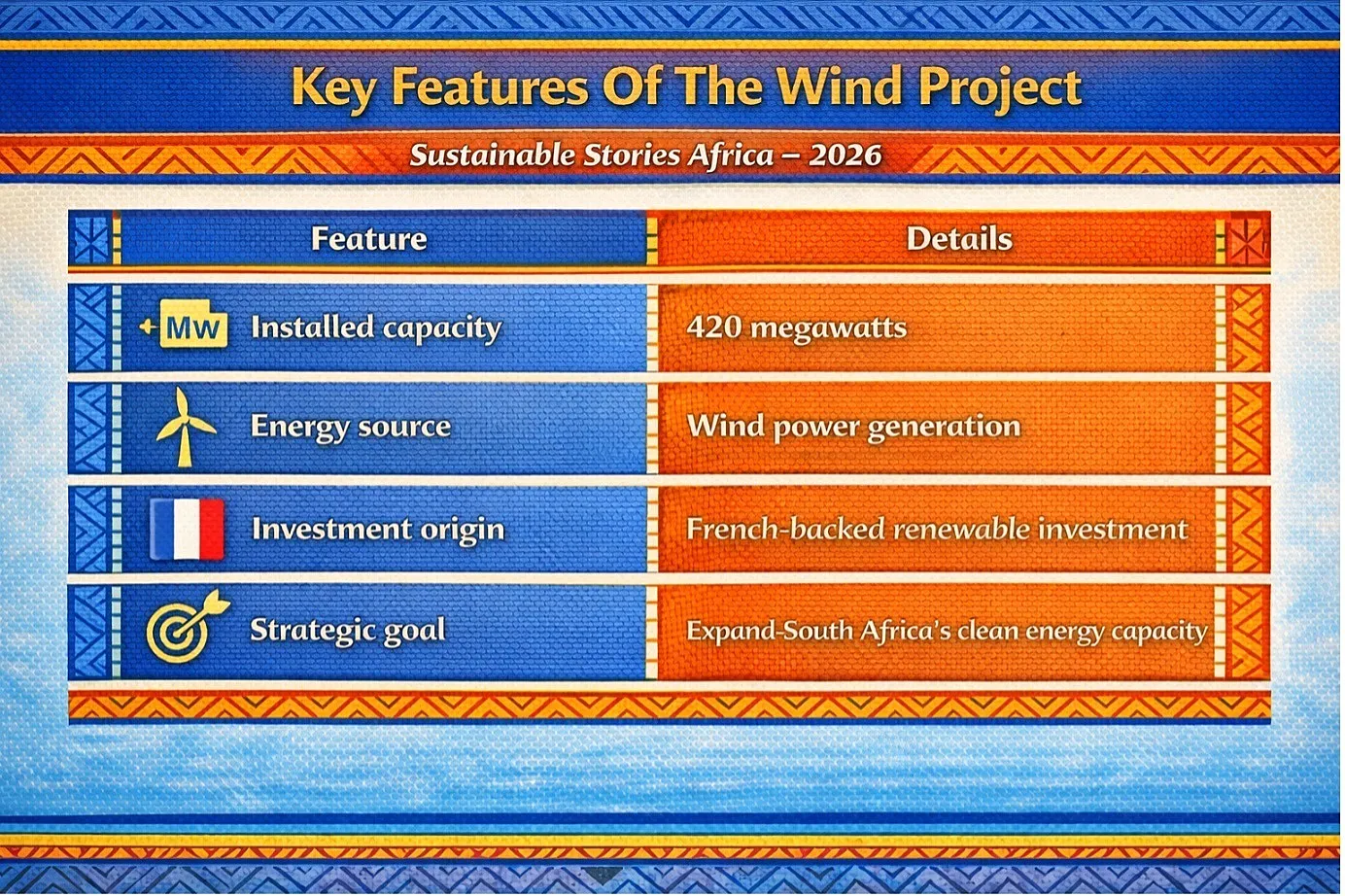
The project is expected to contribute significantly to the country’s electricity supply while supporting climate goals.
Renewable Expansion Reshaping South Africa’s Energy Mix
South Africa’s electricity sector has long been dominated by coal-fired power generation.
However, increasing pressure to reduce emissions and improve electricity reliability has driven greater investment in renewable energy projects.
Wind and solar developments are now playing an increasingly important role in diversifying the national energy mix.
The new wind project contributes additional generation capacity at a time when South Africa continues to face electricity supply challenges and grid reliability concerns.
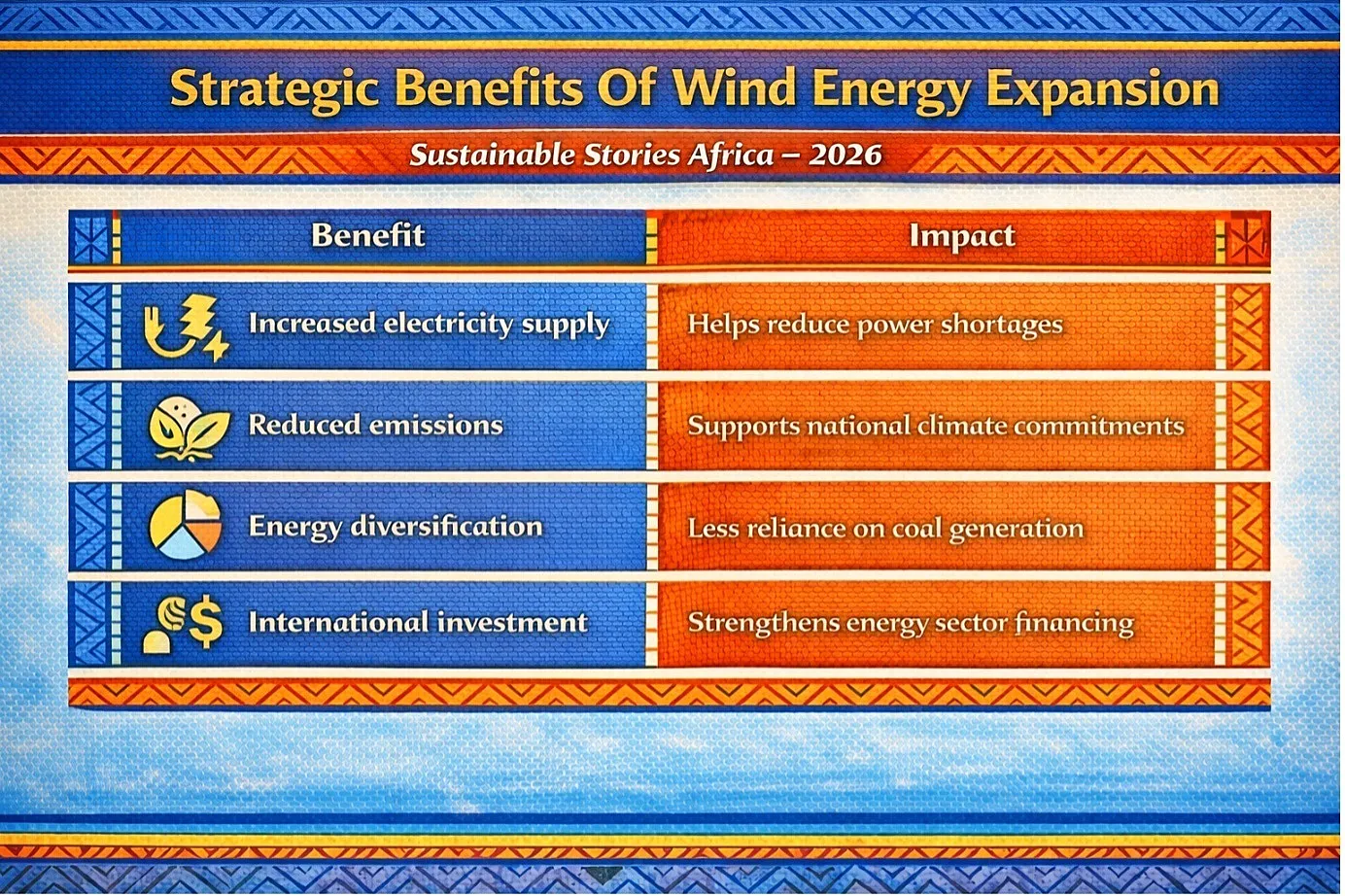
Strategic Benefits Of Wind Energy Expansion
These advantages highlight why renewable energy projects are becoming central to South Africa’s long-term energy planning.
Benefit | Impact |
|---|---|
Increased electricity supply | Helps reduce power shortages |
Reduced emissions | Supports national climate commitments |
Energy diversification | Less reliance on coal generation |
International investment | Strengthens energy sector financing |
Accelerating Renewable Infrastructure Development
Energy analysts say projects like the newly commissioned wind farm demonstrate how international collaboration can accelerate Africa’s clean energy transition.
Continued investment in renewable infrastructure will be essential for addressing electricity shortages while supporting climate commitments.
Policymakers are also working to strengthen regulatory frameworks that encourage private-sector investment in renewable energy development.
Experts believe that sustained international partnerships could unlock further renewable projects across Africa.
Path Forward – Scaling Renewable Energy Partnerships Across Africa
The commissioning of the 420 MW wind project reflects growing momentum behind renewable energy investments in South Africa.
If similar collaborations continue to expand, international partnerships could play a decisive role in accelerating the development of clean energy infrastructure across the African continent.
Culled From: France commissions 420 MW wind project in South Africa to boost renewable adoption - Energy in Africa