The Republic of the Congo’s LNG expansion is strengthening its 2026 growth outlook as new export capacity lifts hydrocarbon volumes.
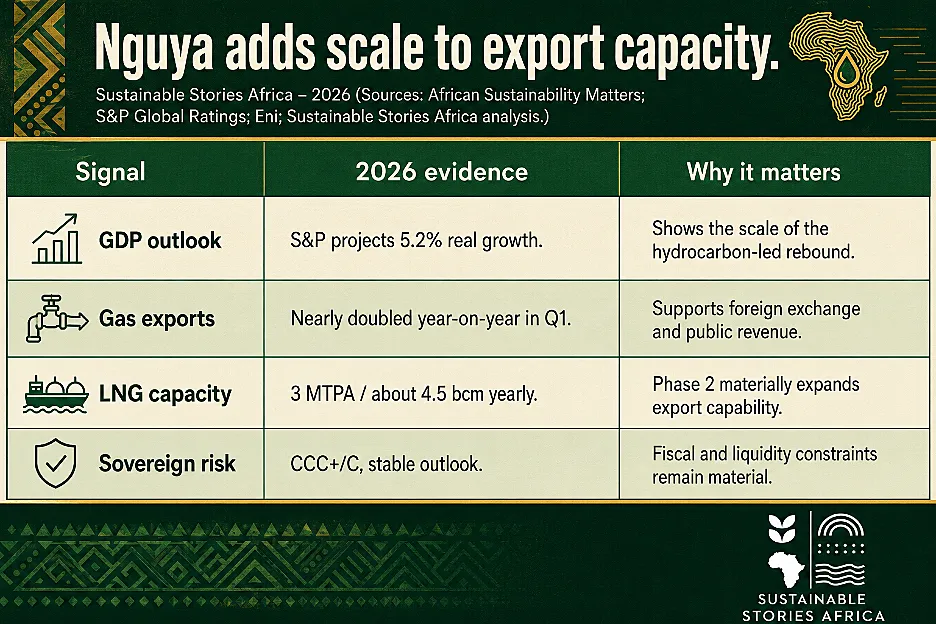
S&P Global Ratings sees real GDP growth at 5.2%, while gas exports nearly doubled year-on-year in the first quarter.
The opportunity is fiscal and industrial; however, high debt and commodity dependence mean the gas dividend still needs careful management.
Gas exports reset Congo’s growth outlook
The Republic of the Congo is heading into a stronger hydrocarbon year as Phase 2 of the Congo LNG project adds export capacity and lifts the country’s near-term growth prospects.
S&P Global Ratings, in a July 24 sovereign review, projected real GDP growth of 5.2% in 2026 and noted that gas exports had almost doubled in the first quarter compared with the same period of 2025.
The acceleration matters for a state whose public finances and external accounts remain closely tied to hydrocarbons.
More LNG can bring export receipts and foreign exchange at a time when fiscal buffers are thin.
However, S&P kept Congo-Brazzaville’s sovereign rating at CCC+/C with a stable outlook, underscoring that stronger production does not remove liquidity and debt risks.
Nguya adds scale to export capacity
Eni launched Phase 2 in December 2025 after the Nguya floating liquefaction unit arrived offshore.
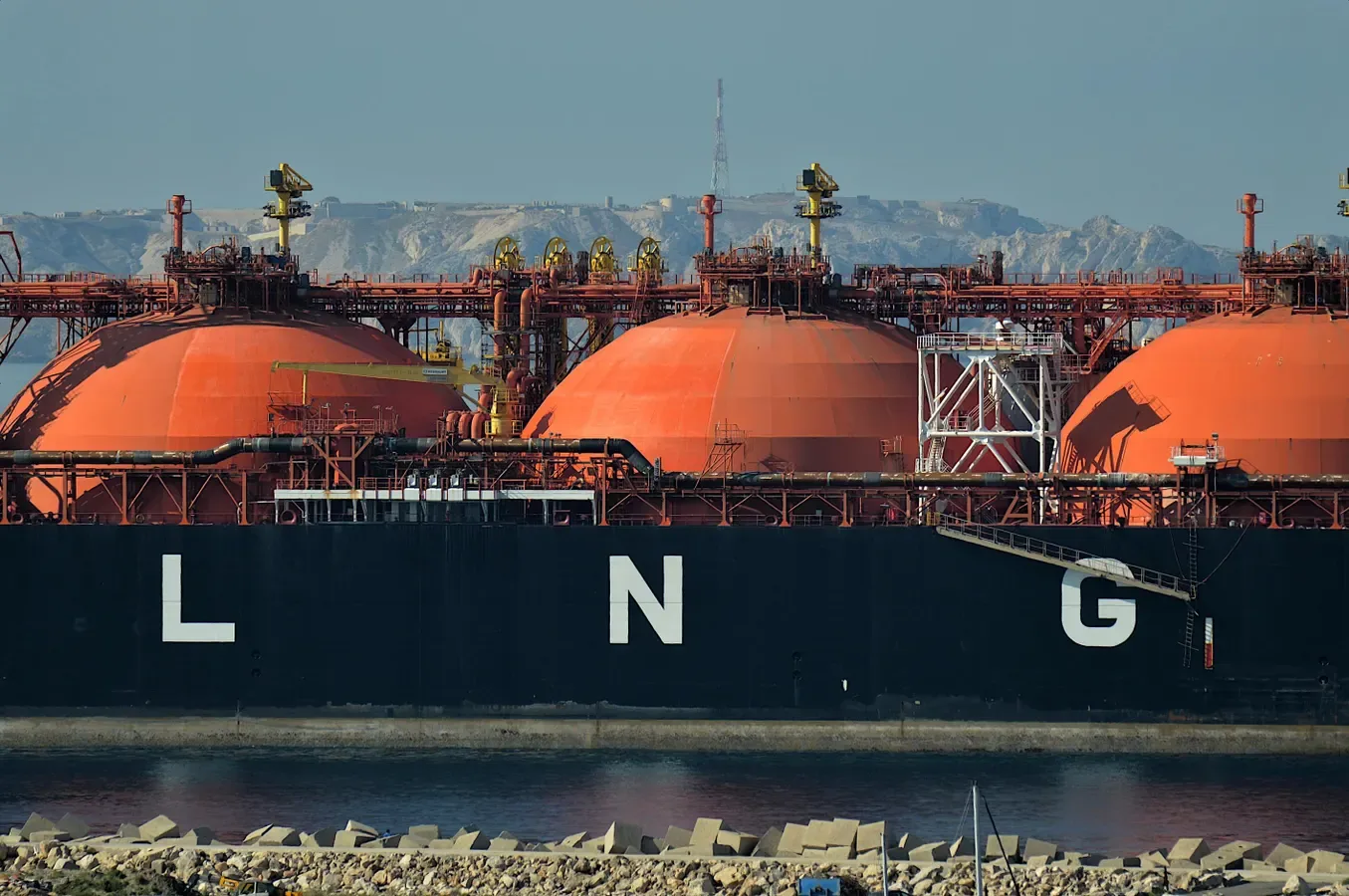
The configuration includes three production platforms, the converted Scarabeo 5 gas-treatment and compression unit, and Nguya FLNG, together raising Congo LNG's overall capacity to 3 million tonnes per year, equivalent to about 4.5 billion cubic metres of gas annually.
The system draws on the Nené and Litchendjili fields in the Marine XII licence, feeding both the Tango and Nguya floating LNG units.
Eni said Phase 2 came online just 35 months after construction began, with part of the work completed in Congo to build local industrial capability and workforce skills.
For Congo, the change extends beyond an additional export train.
- The first phase established the country as an LNG exporter; the second creates enough scale for gas to become a more material part of hydrocarbon earnings, widening the sector's revenue base without amounting to broader economic diversification.
- It also raises the policy value of reliable production reporting, distinguishing installed capacity from actual output and state revenue.
A gas dividend needs wider foundations
Higher exports could improve the fiscal picture if additional revenue is collected transparently and used to reduce arrears, strengthen public investment and support diversification.
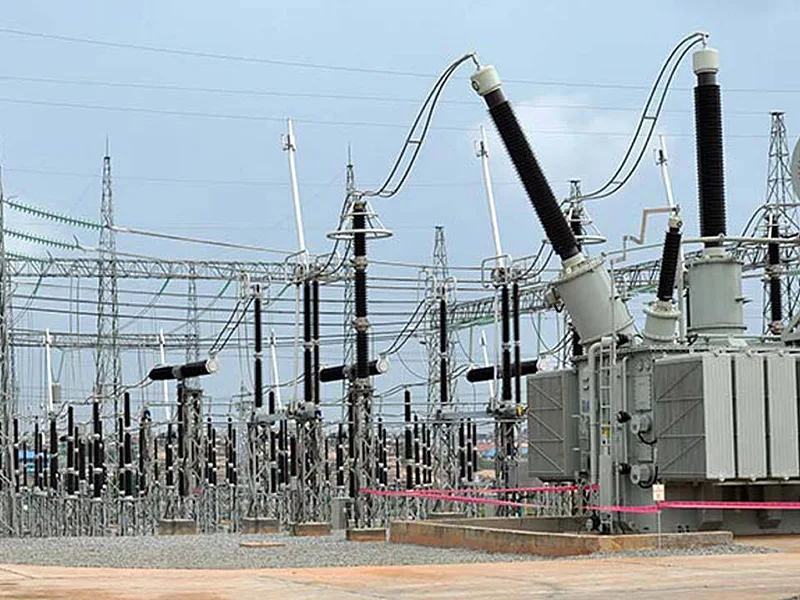
Gas also has a domestic role: Eni supplies the Centrale Électrique du Congo, which the company says represents about 70% of national power-generation capacity, linking the resource story to electricity reliability for households and businesses.
However, the macroeconomic outlook remains unusually sensitive to assumptions.
- An IMF post-financing assessment published in March projected 2.8% growth for 2026, well below S&P’s later 5.2% estimate.
- This highlights the level of elevated public debt and financing pressure.
- The gap is a reminder that one strong export cycle cannot, by itself, resolve structural vulnerabilities.
Turn export gains into fiscal resilience
Congo’s policy challenge is therefore to convert a temporary hydrocarbon upswing into lasting balance-sheet and development gains.
That means publishing revenue and production data, prioritising debt and arrears management, protecting productive capital spending, and ensuring that local-content commitments build transferable skills rather than short-lived project jobs.
Environmental performance also matters as LNG output expands.
Methane control, flaring reduction, operational efficiency and credible emissions disclosure will shape whether new gas capacity can attract finance in a tightening transition environment.
The strongest outcome would be a gas sector that improves public finances while financing a broader, more resilient economy.
Path Forward – Use gas gains to diversify faster
The 2026 LNG surge gives Congo a window to rebuild fiscal room, strengthen electricity systems and fund productive investment.
That window should be measured against debt reduction, transparent use of revenue, and stronger non-hydrocarbon growth.
If export gains are treated as transition capital rather than permanent income, Congo can reduce its exposure to the next commodity shock while turning near-term gas strength into jobs, infrastructure and a more diversified economic base.