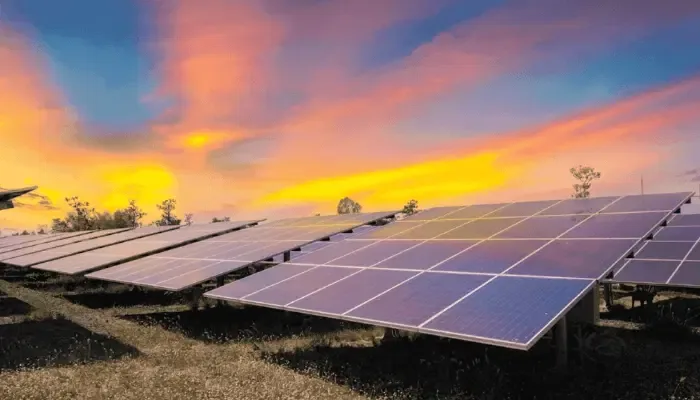
Nigeria’s carbon market is gaining momentum with a landmark I-REC transaction.
Solad’s deal signals growing investor interest in renewable energy certificates.
It could unlock new financing pathways for clean energy projects across Nigeria.
A Market Milestone Signals a Turning Point
Nigeria’s journey into global carbon markets is beginning to take shape, and a single transaction is helping define its trajectory.
Solad has completed a landmark International Renewable Energy Certificate (I-REC) transaction, marking a significant step in the development of Nigeria’s carbon and renewable energy markets.
The deal demonstrates that clean energy generation in Nigeria can now be monetised through internationally recognised environmental instruments.
At a time when climate finance is becoming increasingly critical, the transaction signals that Nigeria is positioning itself to tap into new streams of global capital.
What the I-REC Transaction Means for Nigeria
I-RECs are globally recognised certificates that represent proof that electricity has been generated from renewable sources. Companies purchase these certificates to meet sustainability targets or offset emissions.
Solad’s transaction highlights the growing role of such instruments in Nigeria’s energy ecosystem.
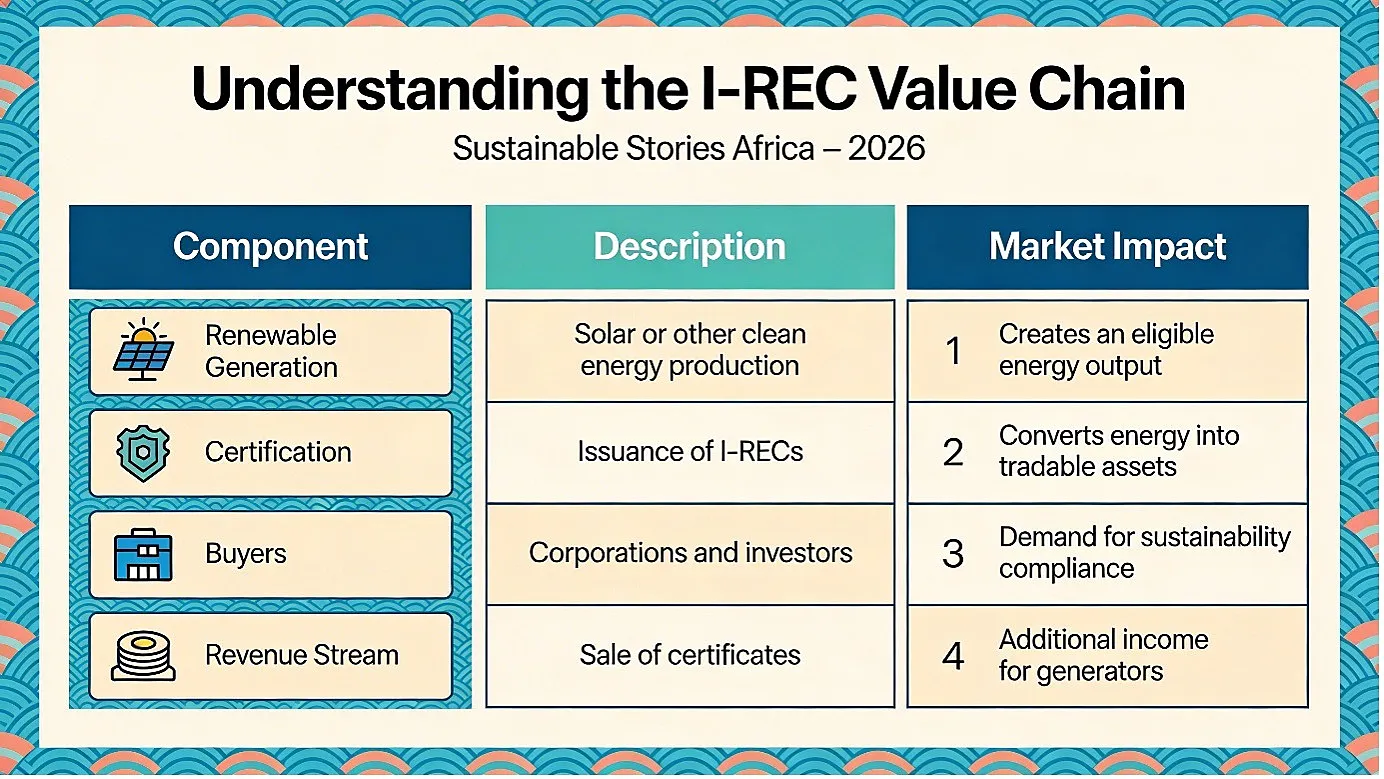
Understanding the I-REC Value Chain
Component | Description | Market Impact |
|---|---|---|
Renewable Generation | Solar or other clean energy production | Creates an eligible energy output |
Certification | Issuance of I-RECs | Converts energy into tradable assets |
Buyers | Corporations and investors | Demand for sustainability compliance |
Revenue Stream | Sale of certificates | Additional income for generators |
For developers, this creates an additional revenue beyond electricity sales, making renewable projects more financially viable.
For corporates, it provides a mechanism to demonstrate commitment to sustainability goals, particularly for multinational firms operating in Nigeria.
The transaction also reflects broader shifts in global markets, where companies are increasingly seeking credible, traceable instruments to meet ESG and net-zero commitments.
Unlocking a New Layer of Climate Finance
If scaled effectively, Nigeria’s participation in the I-REC market could unlock substantial opportunities.
Key benefits include:
- Enhanced project viability – Additional revenue improves investment returns
- Increased renewable deployment – More projects become financially attractive
- Access to global capital – Alignment with international standards attracts investors
- Corporate sustainability alignment – Enables companies to meet ESG targets
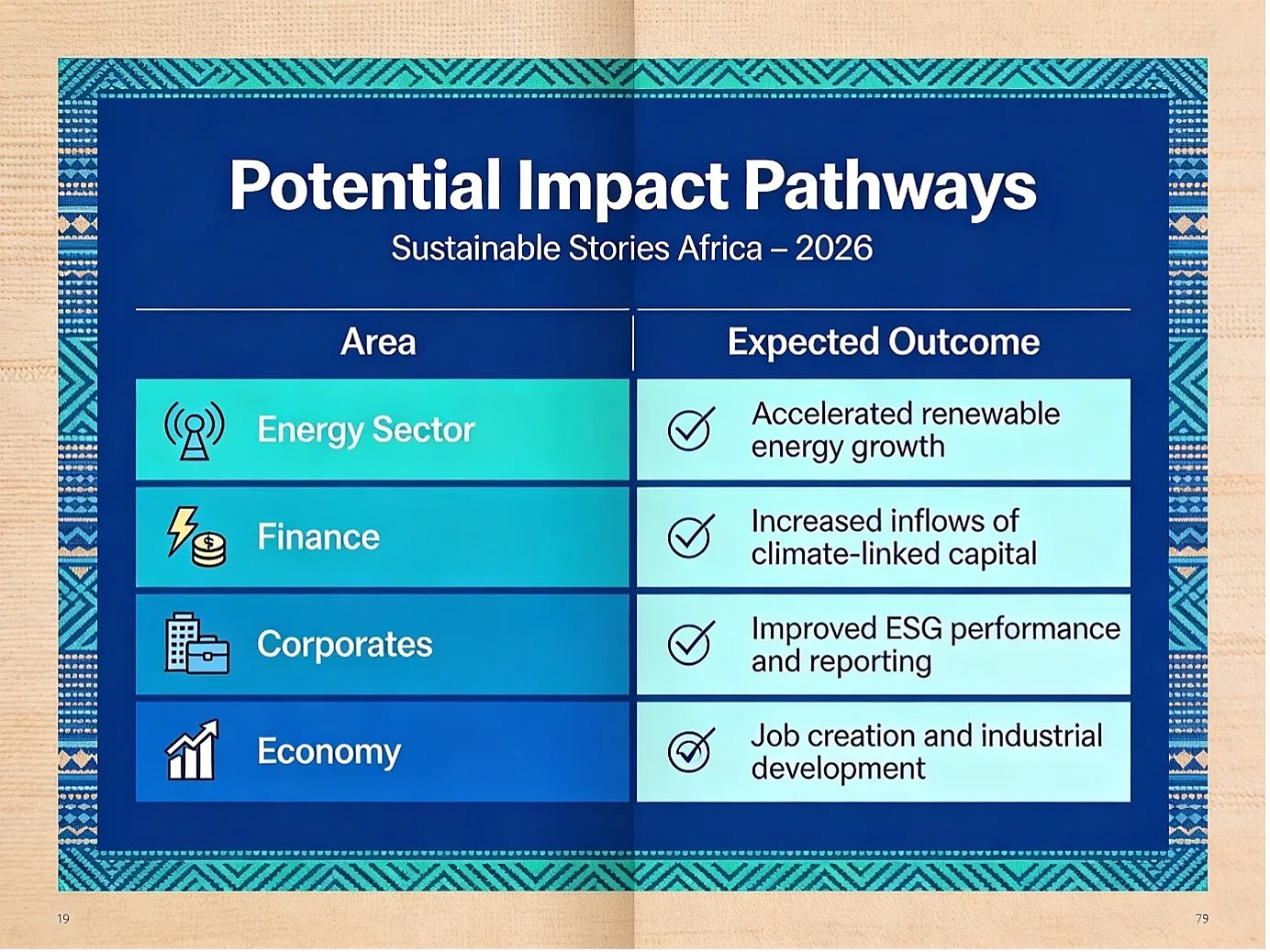
Potential Impact Pathways
Area | Expected Outcome |
|---|---|
Energy Sector | Accelerated renewable energy growth |
Finance | Increased inflows of climate-linked capital |
Corporates | Improved ESG performance and reporting |
Economy | Job creation and industrial development |
For Nigeria, this represents more than a market mechanism; it is a pathway to integrate into the global climate finance architecture.
Building the Foundations of a Carbon Market
While the transaction is a milestone, scaling Nigeria’s carbon market will require deliberate action across multiple fronts.
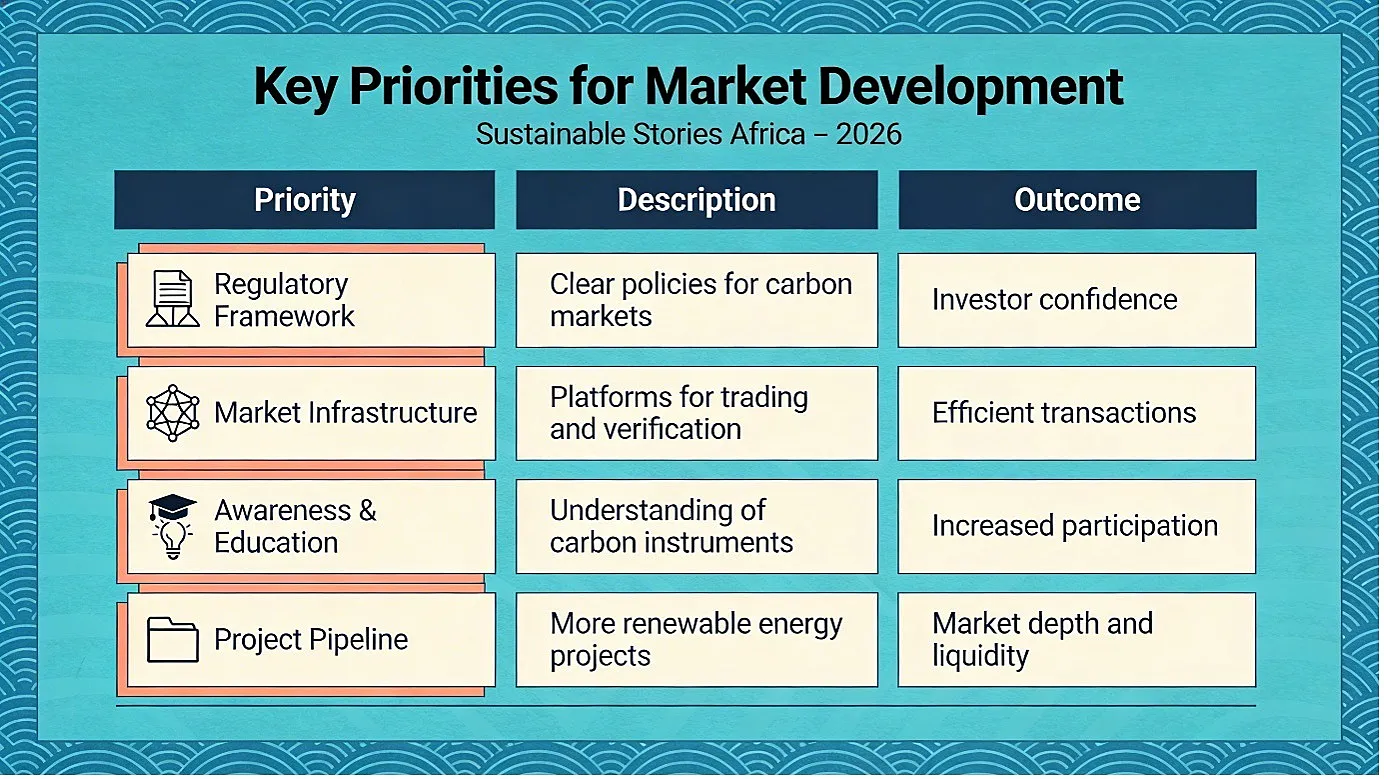
Key Priorities for Market Development
Priority | Description | Outcome |
|---|---|---|
Regulatory Framework | Clear policies for carbon markets | Investor confidence |
Market Infrastructure | Platforms for trading and verification | Efficient transactions |
Awareness & Education | Understanding of carbon instruments | Increased participation |
Project Pipeline | More renewable energy projects | Market depth and liquidity |
Government agencies, private-sector players, and international partners must collaborate to ensure that the market develops with integrity, transparency, and scalability.
For investors, the opportunity lies in early participation to support projects and platforms that will define the future of Nigeria’s carbon market.
For businesses, the message is clear: integrating carbon strategies into operations is no longer optional.
PATH FORWARD – Scaling Carbon Markets Through Policy and Investment
Nigeria’s I-REC milestone signals the emergence of a functional carbon market ecosystem. Scaling will depend on strong regulation, market infrastructure, and sustained investment.
As global demand for credible carbon instruments grows, Nigeria has an opportunity to position itself as a key player, leveraging renewable energy to attract capital, drive sustainability, and support long-term economic growth.
Culled From: Nigeria’s Carbon Market Momentum Builds as Solad Completes Landmark I-REC Transaction