Africa’s clean cooking challenge is now a defining test of energy justice, public health and gender equity.
A new IEA report says around 1 billion people in sub-Saharan Africa still lack access, but universal clean cooking could be achieved around 2040 with stronger policy, finance and infrastructure.
Clean Cooking Defines Africa’s Future
Clean cooking is one of Africa’s most urgent development challenges, but also one of its clearest opportunities for fast, life-changing progress.
The International Energy Agency’s special report, Universal Access to Clean Cooking in Africa, says nearly four in five households across Africa still rely on traditional cooking fuels, exposing families to harmful smoke, lost time and deep economic costs.
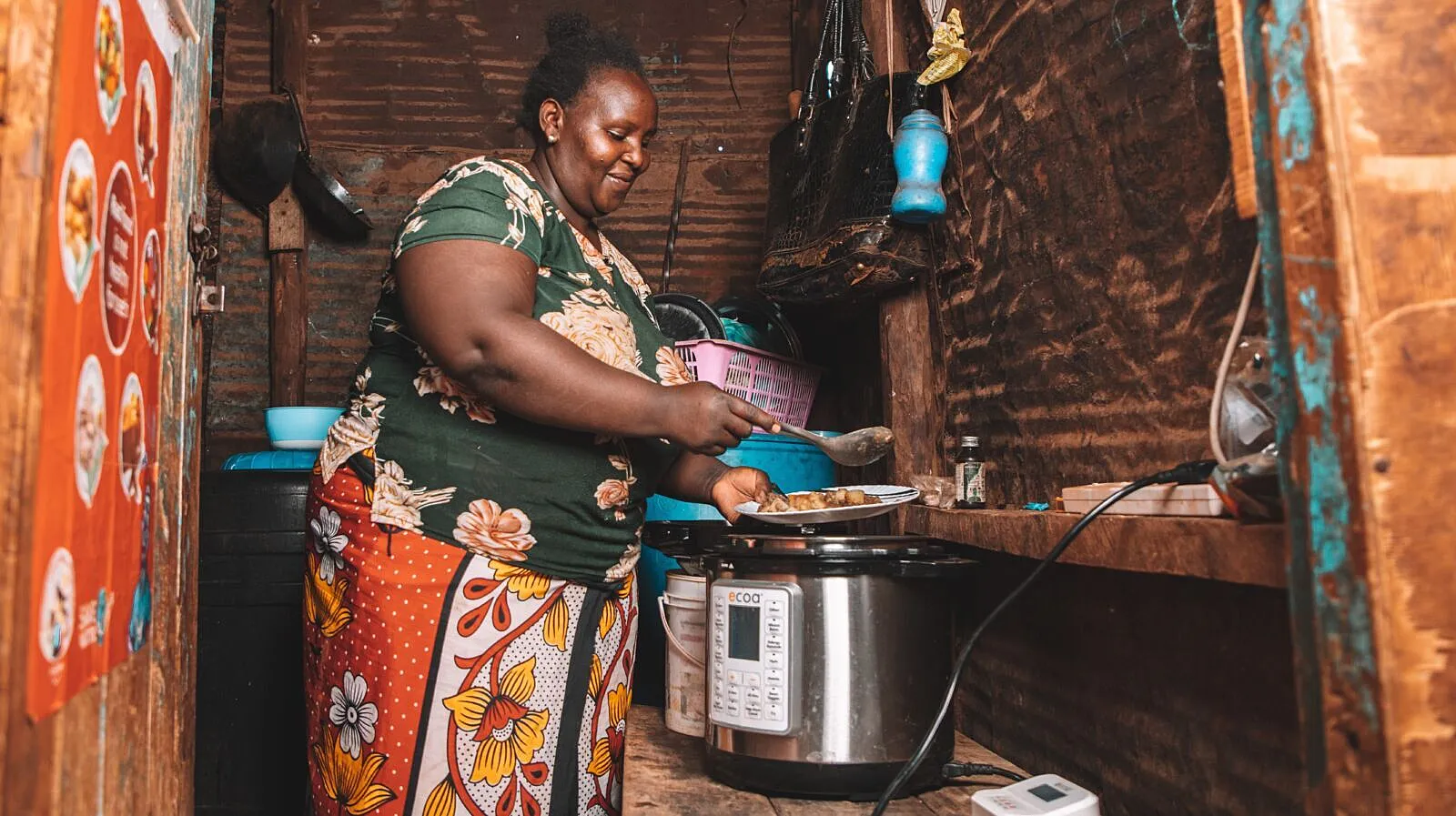
The report argues that the problem is solvable with existing technologies, from LPG and electricity to ethanol, biogas and improved biomass systems.
The real test is delivery: turning pledges into household access, finance into infrastructure, and policy ambition into safer kitchens.
Smoke Still Shapes Daily Life
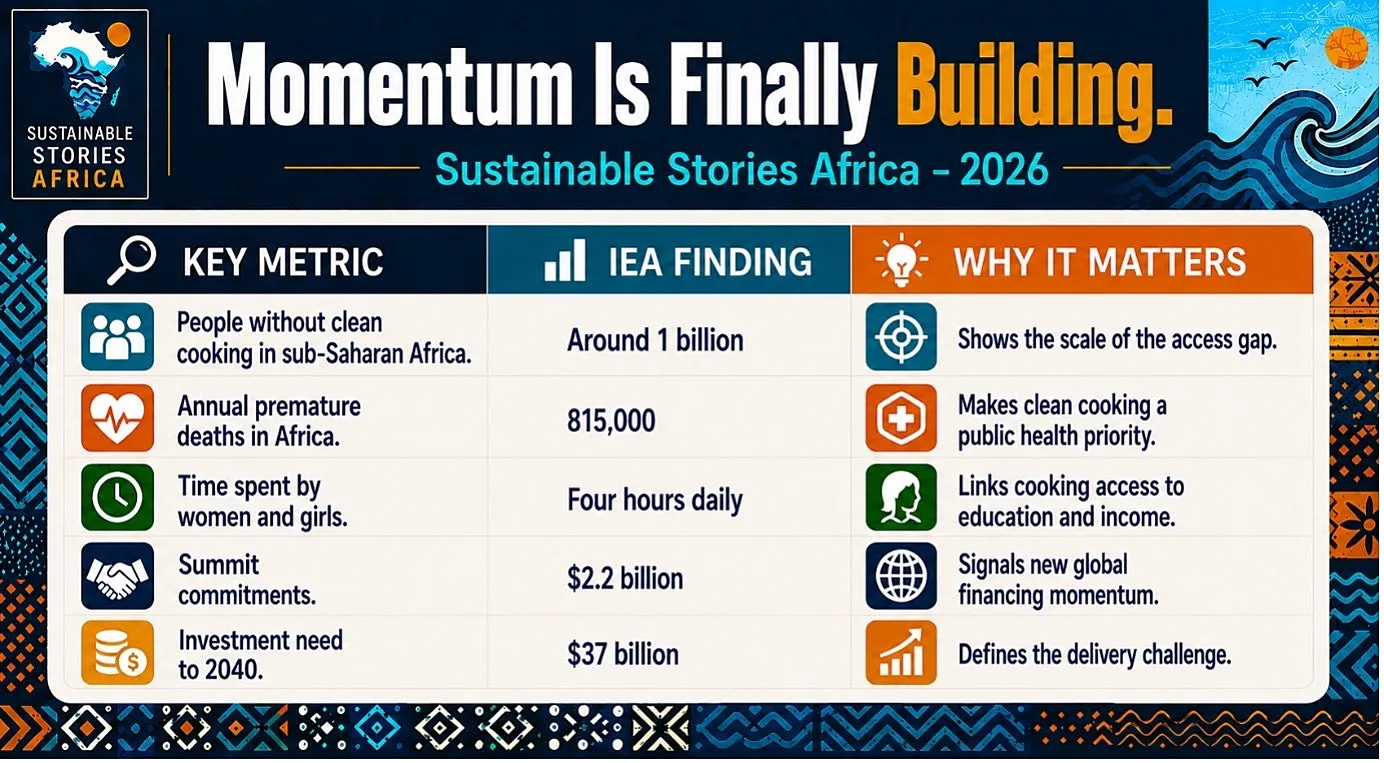
Around 2 billion people worldwide still cook over open fires or basic stoves. In sub-Saharan Africa, the number without clean cooking has risen to around 1 billion, affecting roughly four in every five households.
This is not just an energy issue. It is a health, education, climate, gender and economic crisis. The IEA estimates that the lack of clean cooking contributes to 815,000 premature deaths annually in Africa because of household air pollution.
Women and girls spend an average of four hours a day gathering fuel and cooking, time that could otherwise be used in education, paid work or enterprise.
The environmental burden is also severe. The report links the lack of clean cooking to the loss of 1.3 million hectares of forest each year. Direct emissions and forest loss are equivalent to about a quarter of Africa’s energy-related CO₂ emissions today.
Momentum Is Finally Building
The IEA says 2025 is shaping up as a turning point. The 2024 Summit on Clean Cooking in Africa secured $2.2 billion in public and private commitments, alongside policy pledges from 12 African governments. Since then, $470 million has been disbursed, above the annual average required to deliver those commitments by 2030.
Policy momentum is also expanding. More than 70% of Africans without access to clean cooking live in countries that have strengthened clean cooking policy frameworks since 2024, with 40 new policies now in place. Tanzania and Kenya recorded some of the greatest improvements in policy coverage.
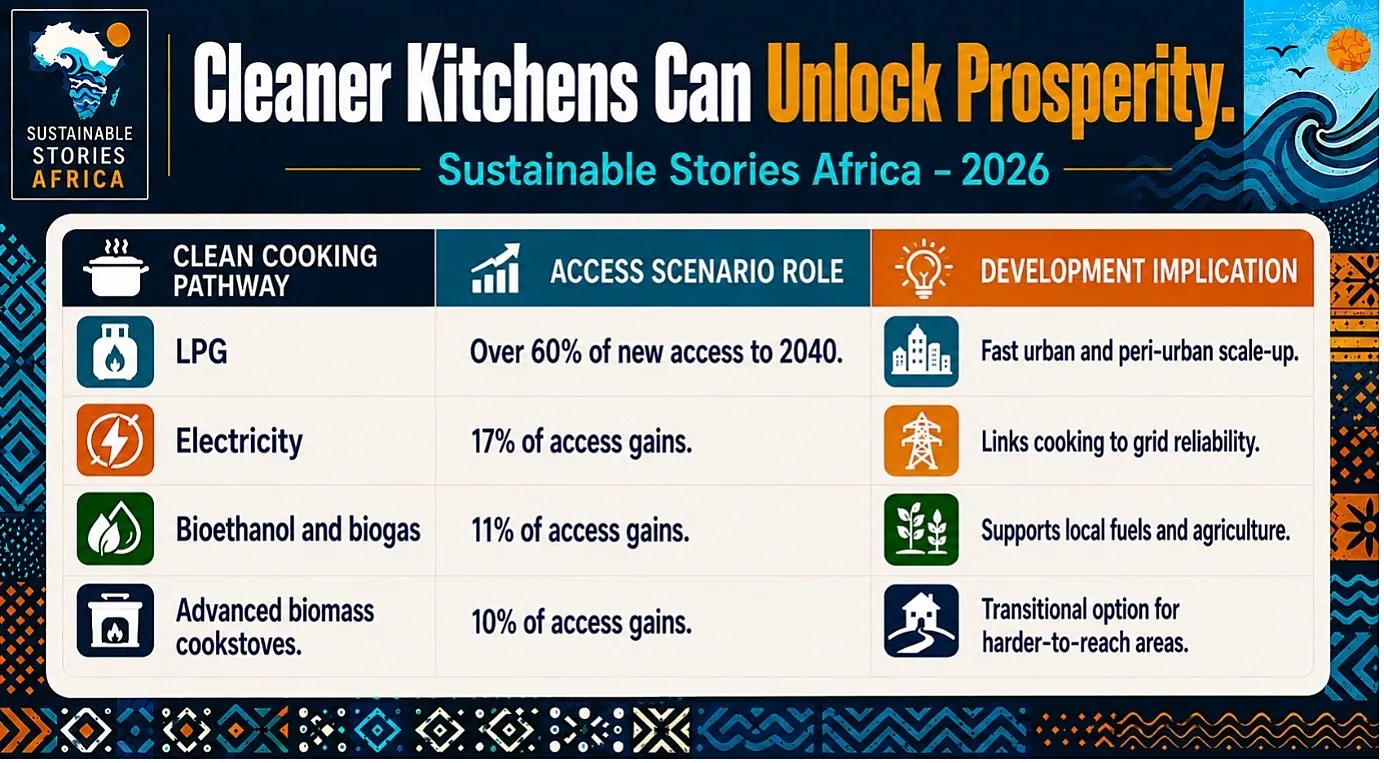
Recent progress has been led by practical fuel and infrastructure choices. LPG accounted for about three-quarters of people in sub-Saharan Africa who switched to cleaner cooking over the past five years, while Kenya and Nigeria expanded access at about 2.7% of their populations annually, comparable to clean cooking success stories elsewhere.
Cleaner Kitchens Can Unlock Prosperity
Universal clean cooking would deliver benefits far beyond the kitchen. In the IEA’s ACCESS scenario, Africa could reach full clean cooking access around 2040 by matching the best historical rates of progress seen in comparable countries.
That would require around 80 million people gaining access each year, seven times the current pace.
The benefits are enormous. By 2040, pursuing the ACCESS pathway instead of today’s trajectory could avert 4.7 million premature deaths in sub-Saharan Africa. Average households would halve the time spent gathering fuel, tending fires and cooking. Forest loss would also fall, saving an area roughly the size of Ecuador by 2040.
The clean cooking transition could also become an industrial opportunity. The IEA says sub-Saharan Africa already has at least 74 clean cooking equipment and fuel manufacturing facilities, with 16 more in the pipeline.
By 2040, the sector could need more than 460,000 permanent new workers, roughly comparable to today’s electric utility workforce in sub-Saharan Africa.
Finance Must Reach Households
The IEA estimates that universal access requires $37 billion in total investment through 2040, or more than $2 billion annually.
A quarter would go to infrastructure such as fuel storage, bottling facilities and distribution networks, while the rest would support household equipment such as cylinders and stoves.
Affordability remains the hardest barrier. Nearly two-thirds of sub-Saharan Africans would need to spend more than 10% of their income to adopt clean cooking solutions, according to the report.
That means infrastructure alone will not be enough; governments and financiers must support targeted subsidies, carbon credits, results-based finance, smaller fuel-purchase models and pay-as-you-go systems.
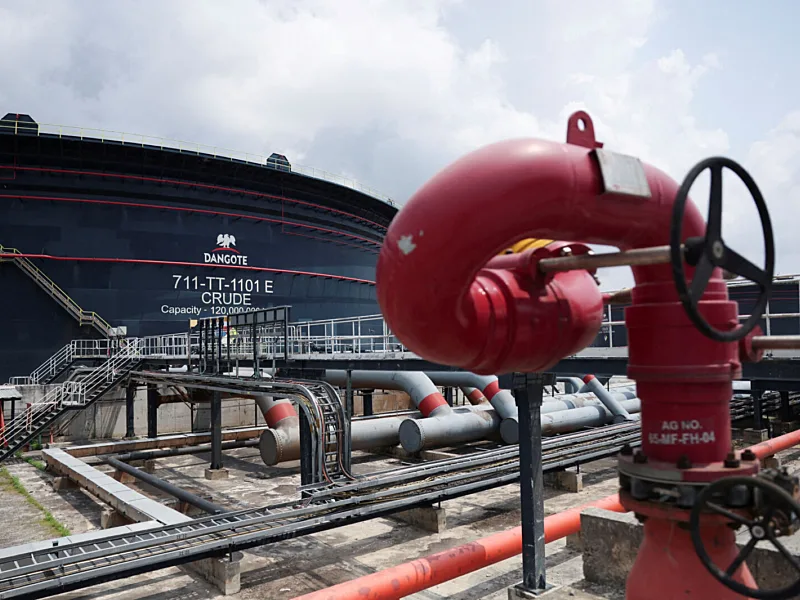
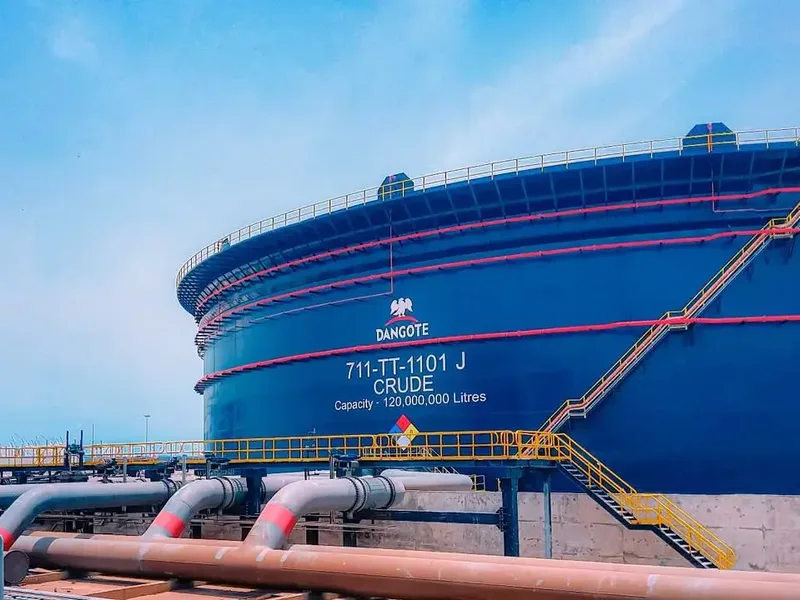
The energy security risks also need careful management. The ACCESS pathway would lift LPG demand to just under 1 million barrels per day by 2040, equivalent to about 8% of today’s global LPG market. Electricity use for cooking would rise by 65 TWh, equal to 15% of Africa’s current electricity generation.
That makes diversification essential. LPG can scale quickly, but electric cooking, ethanol, biogas and modern biomass systems can reduce import exposure, support local industry and improve resilience against price shocks.
Path Forward – Make Clean Cooking Deliver
Africa’s clean cooking agenda needs coordinated action: stronger policies, affordable finance, reliable supply chains, consumer protection, safety standards and women-led community adoption.
The priority is no longer proving that clean cooking matters. It is implementation. Governments, investors and development partners must turn commitments into kitchens where families breathe cleaner air, save time, protect forests and live with greater dignity.