Session theme - Institutional Capital Financing the Next Stage of Growth
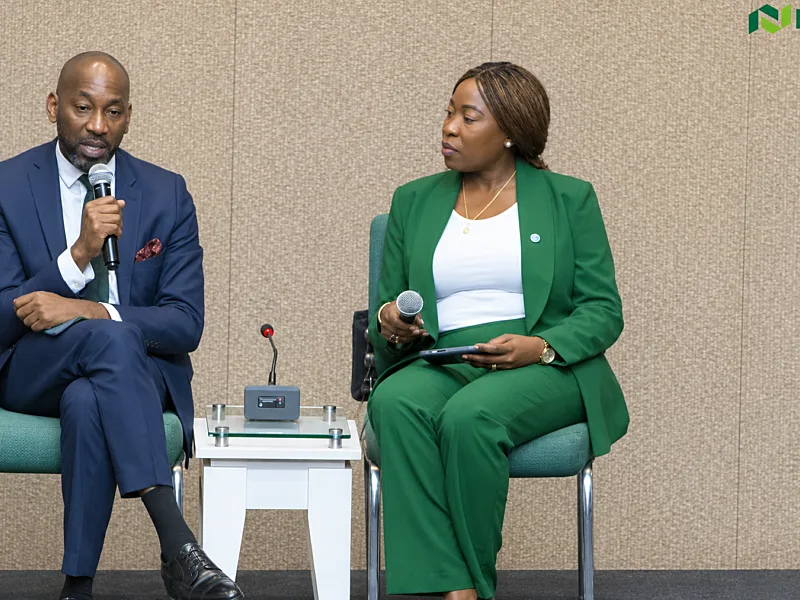
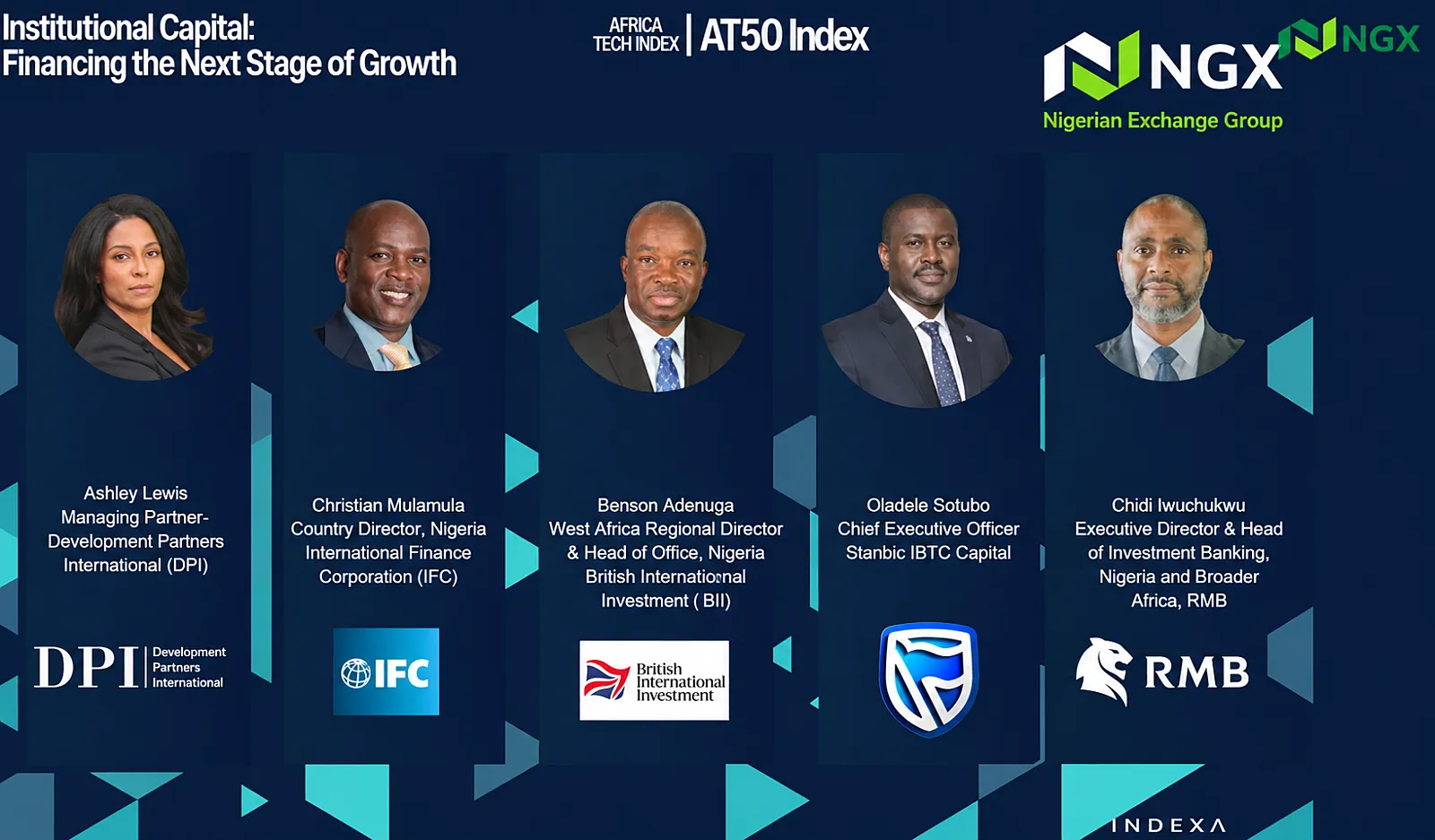
Moderator: Ashley Lewis, Managing Partner and Head of DPI Venture Capital, Development Partners International.
Panellists: Christian Mulamula, Country Director, Nigeria, International Finance Corporation; Benson Adenuga, West Africa Regional Director and Head of Office, Nigeria, British International Investment; Oladele Sotubo, CEO, Stanbic IBTC Capital; and Chidi Iwuchukwu, Executive Director and Head of Investment Banking, Nigeria and Broader Africa, Rand Merchant Bank.
The gap between a promising African business and institutional funding often lies in project preparation, credible data and a financing structure suited to its development stage.
Financiers at the AT50 Lagos Market Open explained what changes that assessment.
Their discussion linked patient capital with practical development outcomes, from viable small businesses to functioning infrastructure and agricultural supply chains.
Capital Needs Evidence Before It Commits
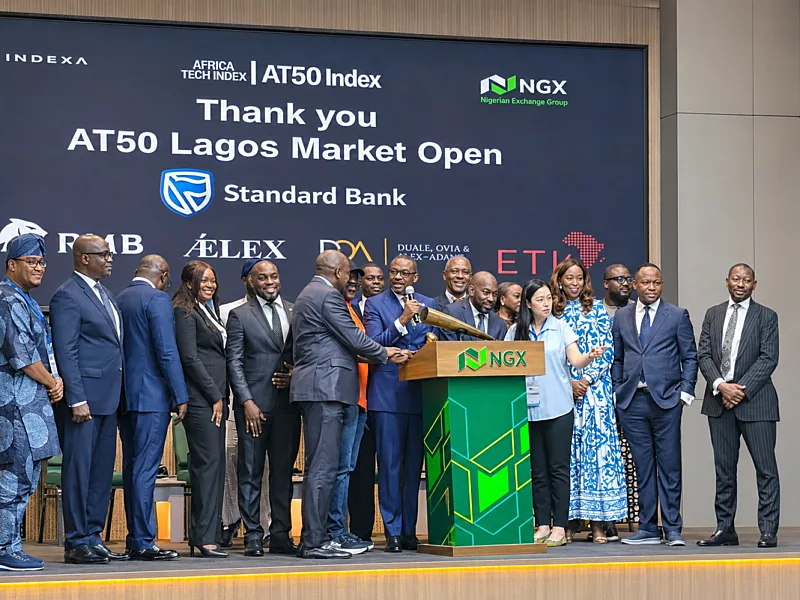
African companies seeking larger pools of long-term finance must turn growth ambitions into evidence that investors can evaluate, development financiers and investment bankers said at the AT50 Lagos Market Open on November 18, 2026.
- Feasibility, transparent records and governance were central to their assessment of investment readiness.
The panel, Institutional Capital Financing the Next Stage of Growth, was moderated by Ashley Lewis of Development Partners International.
- It brought together Christian Mulamula of IFC, Benson Adenuga of British International Investment, Oladele Sotubo of Stanbic IBTC Capital and Chidi Iwuchukwu of Rand Merchant Bank.
The discussion located the financing challenge within the wider economy.
- Capital has greater development value when it helps businesses create durable jobs, move products to customers and provide reliable infrastructure.
A compelling proposal must therefore explain both how an investment will work and what it will achieve.
Promising Ideas Still Face Preparation Gaps
Benson Adenuga described the apparent mismatch between entrepreneurs struggling to raise money and institutions with capital to deploy.
- His explanation was that an attractive idea is often presented before the commercial work needed to justify the requested financing has been completed.
He used a hypothetical request for $25 million by a business with no revenue and little preparatory work to illustrate the mismatch.
- This was an example of an unsuitable funding approach, not a disclosed application or a minimum investment threshold at BII.
The underlying questions were straightforward:
- What problem does the business solve, who needs the solution and can the proposed model work?
- Answering them requires more than a persuasive presentation.
It requires evidence proportionate to the company’s stage and the capital being sought.
Different Capital Sources Serve Different Stages
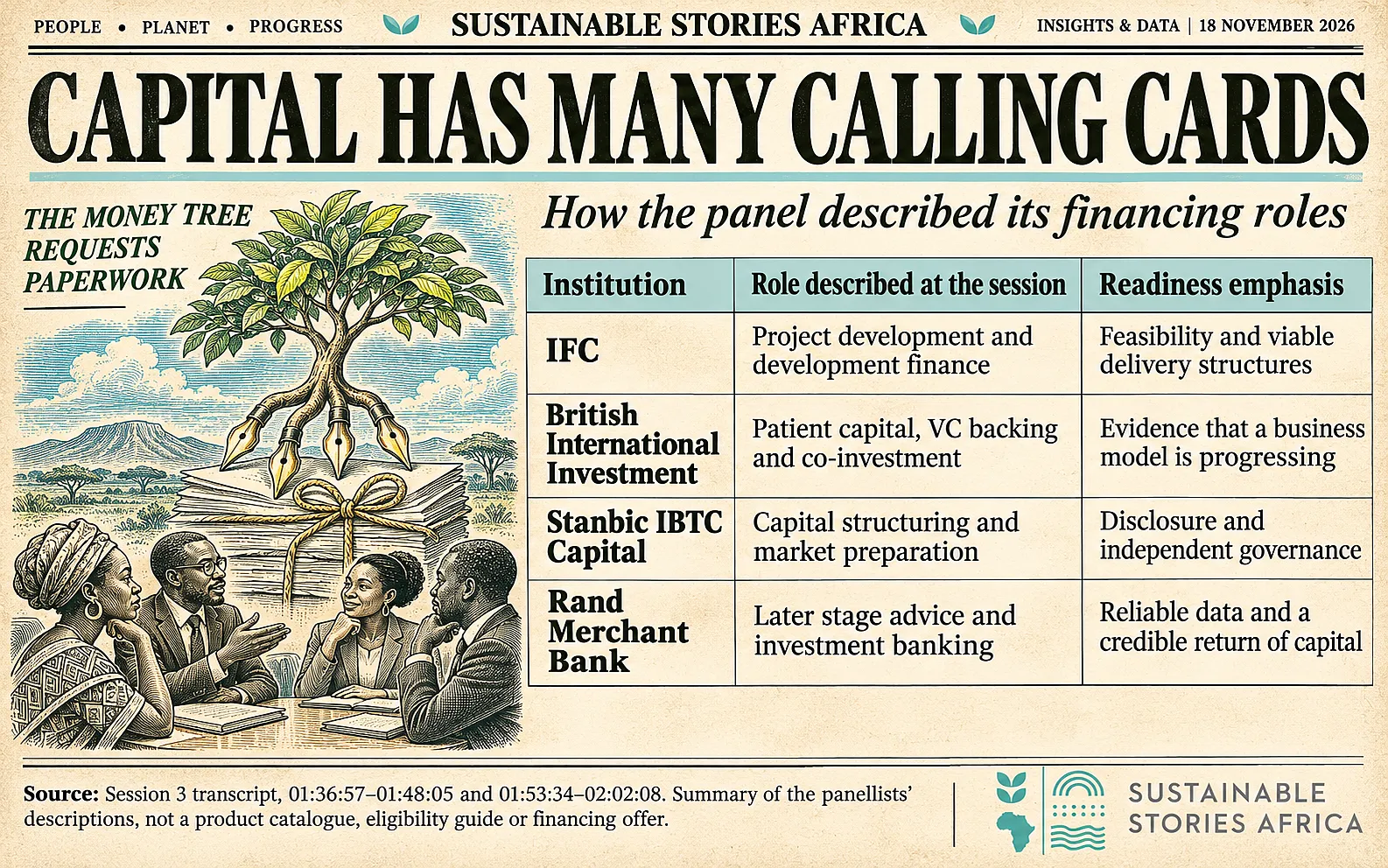
Adenuga described BII’s use of venture-capital funds to reach earlier-stage businesses, followed in suitable cases by co-investment as companies demonstrate progress.
- He also referred to platform approaches, including Growth Investment Partners, to support smaller businesses and encourage additional capital participation.
Mulamula described IFC’s focus in Nigeria across infrastructure, agribusiness and smaller businesses, with economic diversification and employment as important objectives.
- He explained that development finance sometimes involves helping originate and prepare projects rather than waiting for completed proposals to arrive.
From the commercial side, Sotubo described investment banking as connecting businesses to appropriate sources of equity and debt while preparing them for public-market expectations.
Iwuchukwu discussed an advisory effort intended to help venture-backed companies prepare for later-stage financing, rather than describing it as a promise to invest in every company served.
Development Returns Depend On Working Systems
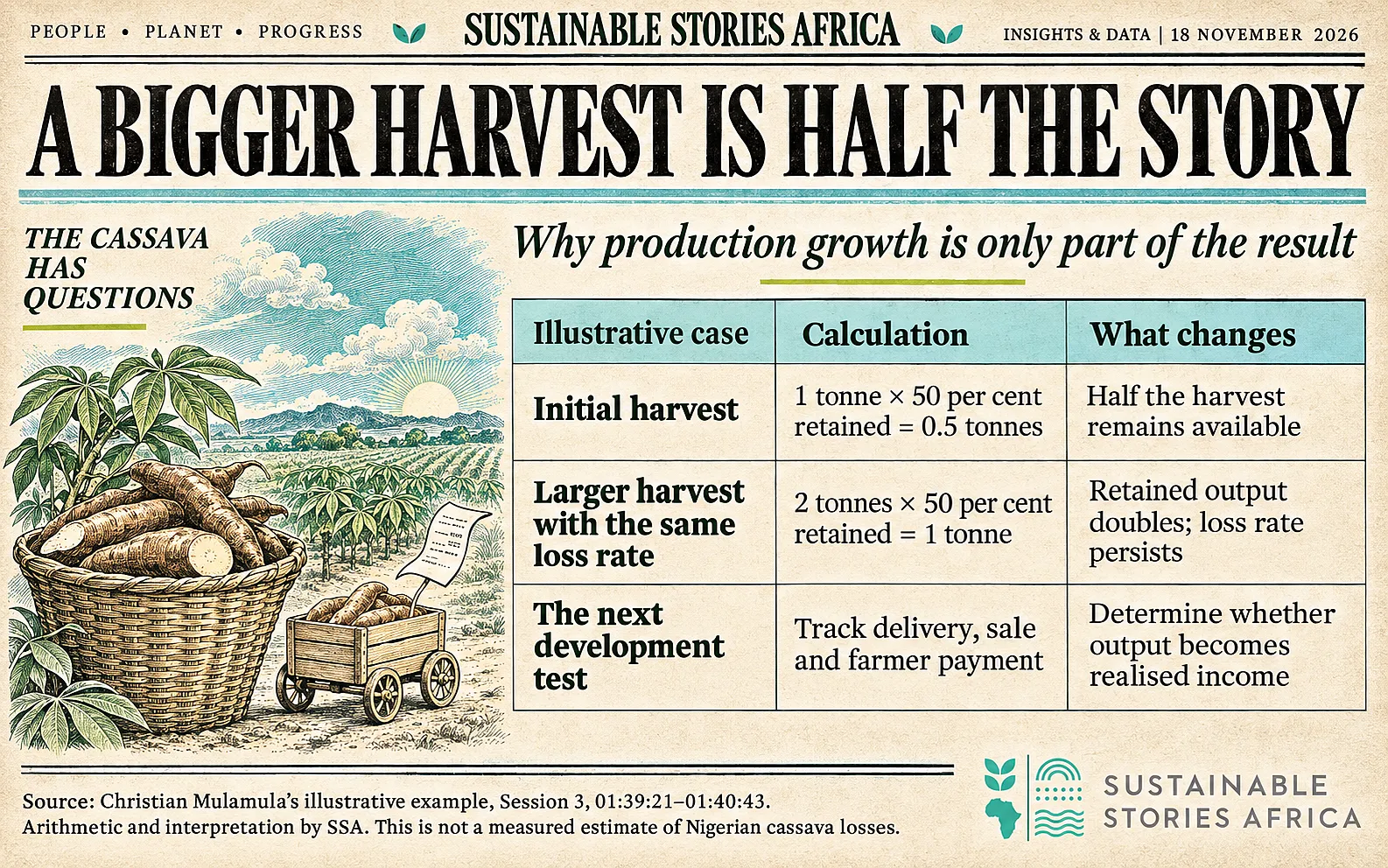
Mulamula used a cassava example to show why production growth alone can be an incomplete development measure.
- A farmer producing one tonne and losing half retains 0.5 tonnes; doubling production while losing the same proportion retains one tonne.
- More output reaches the next stage, but the 50% loss rate remains unresolved.
The example does not mean that additional production has no benefit.
- It shows that a persistent logistics or market-access failure can prevent investment from achieving its full value.
- Mulamula’s broader point was to follow the agricultural chain through to delivery, sale and payment to the farmer.
The same reasoning applies to infrastructure preparation.
- A road proposal requires traffic analysis and technical work, but it also needs an account of the people affected by construction and changes in access.
- Mulamula specifically raised the position of roadside traders when discussing project preparation and resettlement.
This connects investability to environmental and social governance.
- A project’s financial model is incomplete if it ignores delivery constraints or the livelihoods it may disrupt.
Addressing these issues early can improve project quality and help communities participate in development rather than simply absorb its costs.
Prepare Projects Before Seeking Larger Commitments
The financing sequence should reflect what the business has already demonstrated.
- Early funding may support validation and feasibility.
- Expansion finance requires clearer evidence of demand, execution capacity and the economics of scaling.
- The instrument should match the use of funds, the expected cash flows and the risks the investor is being asked to bear.
Sotubo emphasised transparency as businesses approach public markets.
- He described the need for directors with sufficient independence and standing to challenge a founder.
- Board reform in this context is a change in how power is exercised, rather than an exercise in adding prominent names.
Iwuchukwu placed particular weight on the completeness and reliability of company data.
- For a lender, the important connection is between the information provided and the business’s capacity to return capital.
- Forecasts need an explanation of their assumptions and a record against which those assumptions can be assessed.
Entrepreneurs can improve that conversation by maintaining a usable data room, showing how funds will be deployed and identifying the operational constraints that could delay results.
Financiers can help by communicating their stage preferences and evidence requirements earlier, reducing avoidable work on proposals that do not fit.
Public agencies also have a role where projects depend on approvals, infrastructure access or public-private partnerships.
- Clear responsibilities and credible preparatory work can reduce uncertainty before a project reaches a financing committee.
None of these actions guarantees approval, but together they make investment decisions better informed.
Preparation should also make the intended use of capital testable after a transaction closes.
- If money is sought for distribution, the business should be able to explain which constraint it will address and how progress will be measured.
- If the purpose is infrastructure, sponsors should identify delivery milestones, operating responsibilities and how material social or environmental issues will be managed.
These details connect an investment decision to subsequent accountability.
Path Forward – Match Patient Capital With Accountable Delivery
The next stage of African business financing requires better prepared companies and projects, alongside institutions willing to support their development.
Transparent data, independent oversight and appropriate financing structures make that partnership more credible.
Success should be assessed through both financial performance and practical outcomes: functioning services, sustainable employment, products reaching markets and affected communities receiving fair consideration.
These measures connect investment readiness with development that lasts.