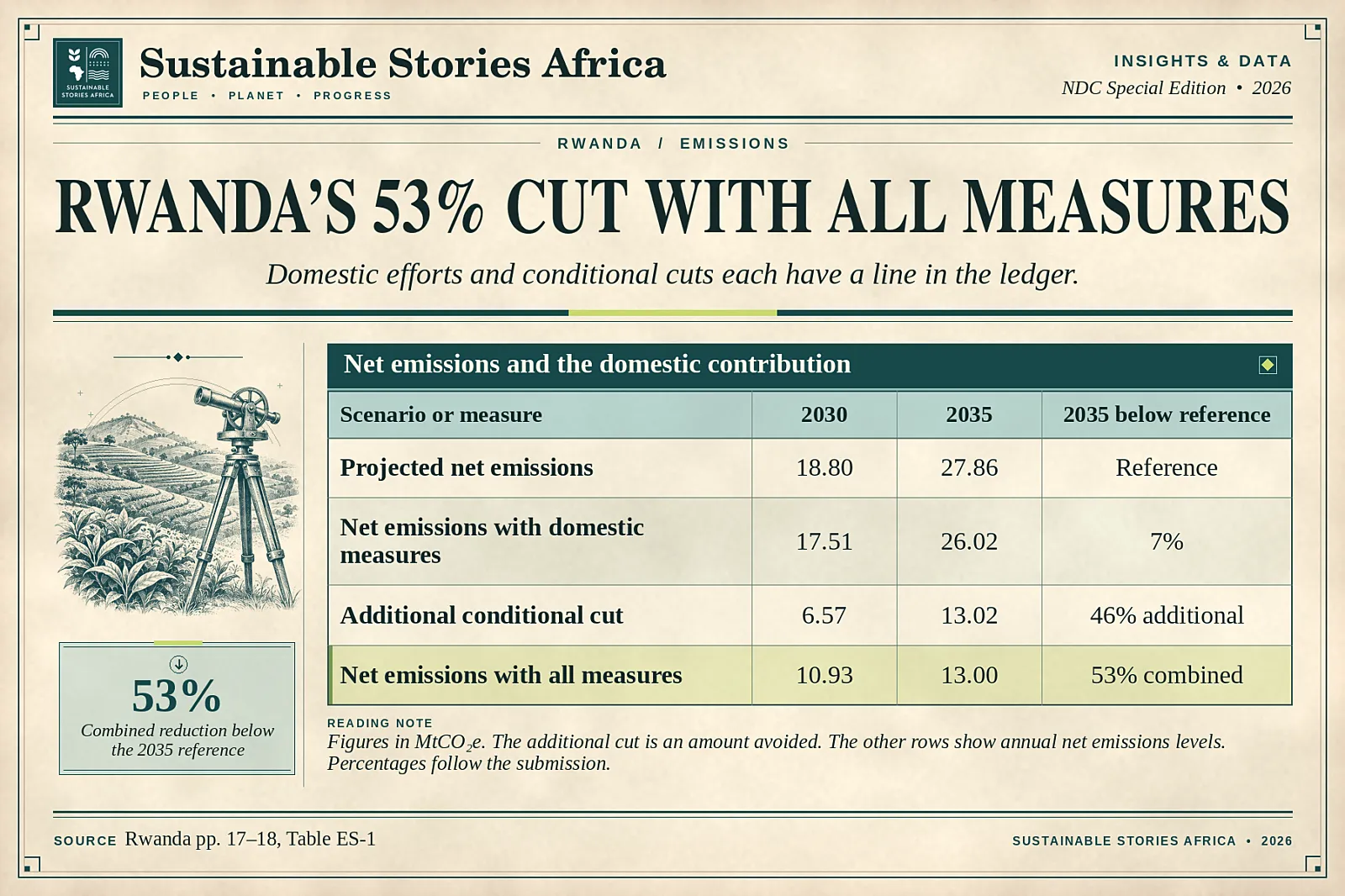
Rwanda aims to hold 2035 net emissions 53% below its projection if all domestic and internationally supported measures go ahead.
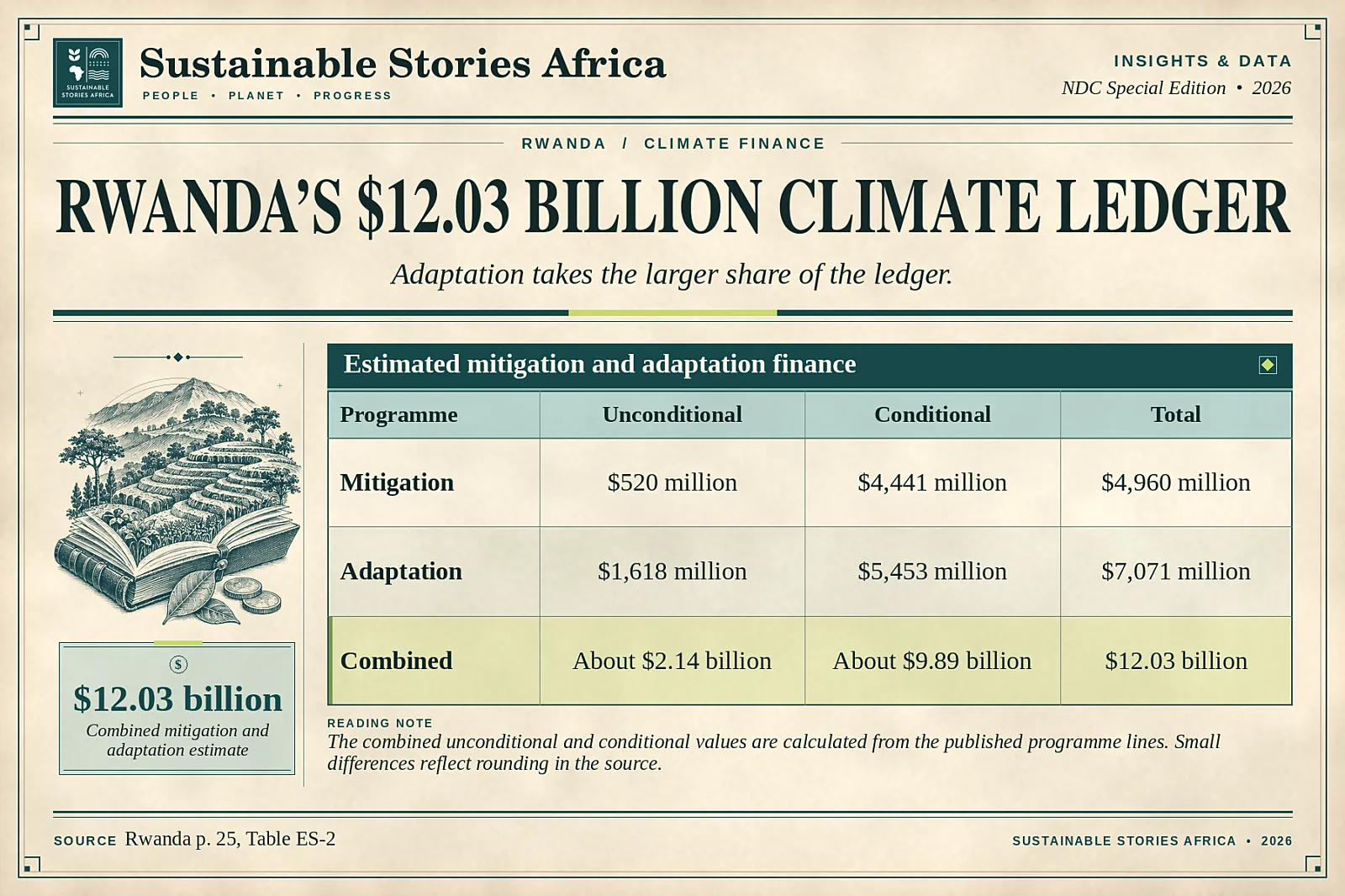
It estimates mitigation and adaptation costs at around $12 billion.
The plan ranges from cleaner power and transport to flood warnings, forest restoration and safer settlement planning.
Rwanda Links Mitigation And Safer Growth
Rwanda filed its third nationally determined contribution (NDC 3.0) on 8 December 2025.
- The active submission projects net emissions of 27.86 million tonnes of carbon dioxide equivalent (MtCO₂e) in 2035 under business as usual.
- With its full package of measures, the country projects 13.00 MtCO₂e.
That pathway represents a reduction of about 53% against projected 2035 emissions.
- Rwanda estimates its domestic package alone would cut emissions by around 7% against the same reference.
- The larger reduction depends on a range of activities supported through international funding and cooperation.
A nationally determined contribution is the climate plan a country files under the Paris Agreement.
- Rwanda’s filing links the emissions target to decisions that shape people’s exposure to climate hazards.
- These include where Kigali grows, how districts receive warnings and how well restored forests protect land and water.
How Rwanda Calculates Its Net Target
Rwanda uses a 2015 base year to build its business-as-usual emissions projection.
- It estimates that net emissions in that year were about 4.2 MtCO₂e. Net emissions include carbon released and removed in the land sector.
- The fully implemented 2035 pathway is below projected 2035 emissions and above that historical starting point.
The domestic package would avoid 1.84 MtCO₂e in 2035.
- The filing estimates 13.02 MtCO₂e from conditional measures, giving a combined reduction of 14.86 MtCO₂e.
- The country reports domestic and additional shares of 7% and 46% of the projections, respectively, and a combined reduction of 53%.
The 2030 comparison gives readers an earlier reference point.
- Rwanda projects 18.80 MtCO₂e under business as usual and 10.93 MtCO₂e with all measures, an estimated 42% reduction.
- Observed emissions and progress on individual projects can help explain whether the country is following that path.
The filing publishes the 2035 emissions levels alongside the reductions.
- Domestic measures would leave 26.02 MtCO₂e, compared with 13.00 MtCO₂e if all measures go ahead.
- Having those levels available helps readers compare the plan with future inventories.
- The two percentages show the reductions Rwanda reports against its reference case.
Where Rwanda Expects To Avoid Emissions
Rwanda’s plan identifies growing road transport, energy demand and waste generation as drivers of its reference projection.
- Measures in one sector can change what is possible in another.
- Electric transport, for example, needs charging and dependable power.
- Changes in the electricity mix then affect how much of the expected reduction is realised.
The filing identifies energy use as the largest source of mitigation potential.
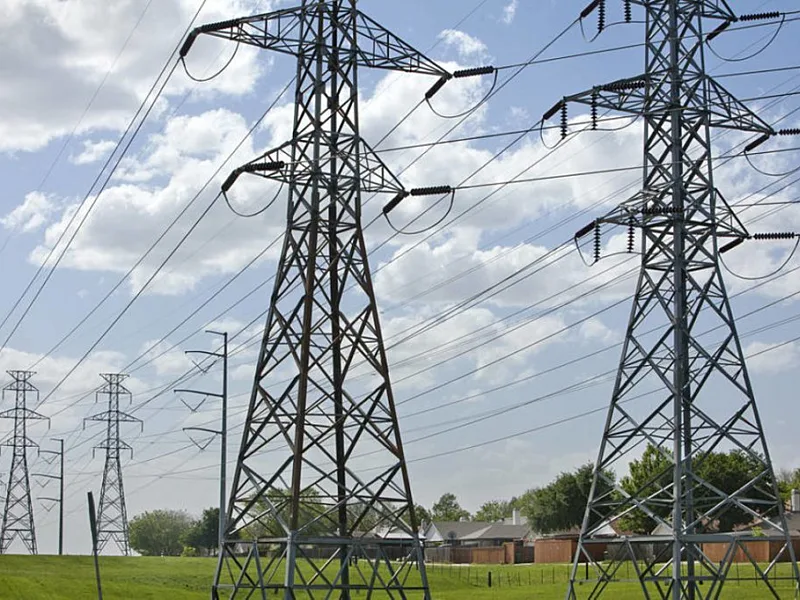
- Measures include electric vehicles, cleaner, more efficient cooking and renewable power.
- In transport, emissions gains depend on the share of trips and vehicles that shift and on how electricity is generated.
- For cooking, the gains depend on uptake and sustained use.
Rwanda also plans changes in agriculture, forests and waste.
- Tracking forest growth and land-use change is necessary because the headline target counts net emissions.
- Monitoring forest condition, alongside energy and waste data, would show how much change comes from stronger removals and how much comes from lower emissions.
The financing split indicates when projects can start.
- Some measures are supported through domestic policy and spending.
- Others require outside resources or technical support.
- The plan sets out proposed measures and agencies responsible.
- Linking these lists to financing decisions would make it easier to follow what is reaching procurement and what remains conditional.
How Safer Settlements Could Reduce Exposure
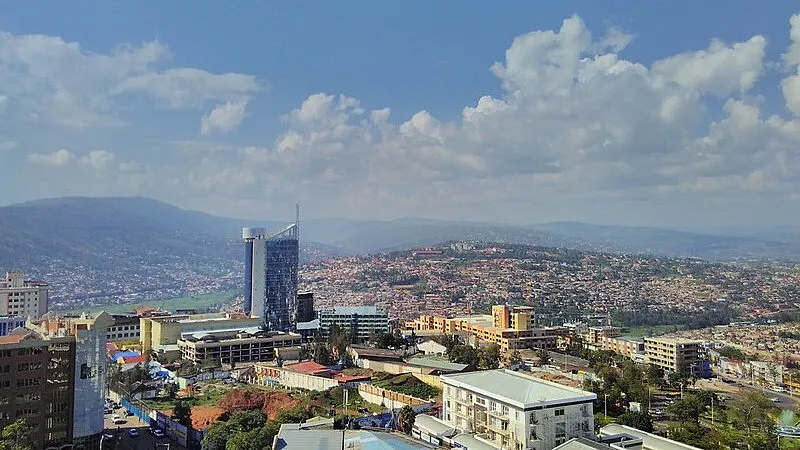
The plan extends its settlement agenda beyond Kigali.
- It aims to increase the share of rural households in integrated, planned communities from a reported 65.4% baseline to 100% by 2035.
- Land-use plans can affect exposure to flooding and landslides for years.
- Data on where households live and services accessible can show how policy changes risk.
Rwanda reports that 60% of Kigali residents lived in unplanned settlements at the baseline and aims to reduce the share to 44% by 2035.
- Risk-informed land use can steer development away from flood- and landslide-prone areas.
- Progress depends on ensuring households can find affordable, safer housing and that services reach the areas where they live.
The country also plans a multi-hazard early-warning system to serve all 30 district command posts.
- This coverage can give local responders access to weather, water and seismic information.
- Warning systems are most valuable when districts can pass timely messages to residents and have procedures for acting on them.
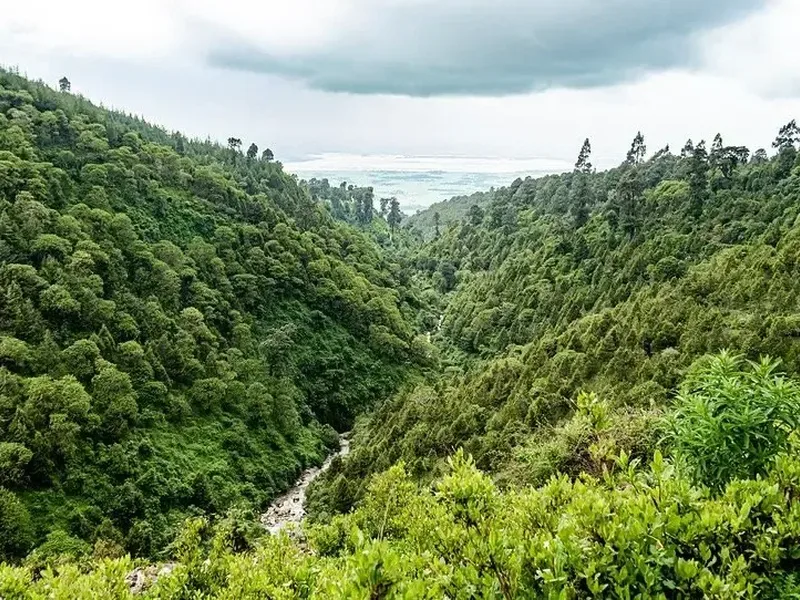
The plan envisages restoring nearly 70,000 hectares of forest by 2035.
- This work can help protect watersheds and reduce runoff where vegetation takes hold.
- District records of forest condition, warnings received, and homes exposed to hazards would let readers follow changes over time.
Roads and sanitation are also part of the adaptation programme.
- The filing identifies better drainage and slope stabilisation for transport infrastructure, as well as work to protect sewerage in flood- and landslide-prone areas.
- Keeping roads and sanitation operating during extreme weather matters for access to schools, jobs and health services.
- Local records can show where disruptions persist and whether upgrades reduce them.
How Rwanda Plans To Track Investment
The funding table separates domestic and conditional costs by programme.
- It estimates $4.441 billion in conditional mitigation funding and $5.453 billion in conditional adaptation funding.
- These figures describe projected funding needs.
- The types of support and their terms will help determine how quickly individual measures can be implemented and sustained.
Rwanda estimates combined needs of about $12.03 billion through 2035
- Its financing table puts mitigation at about $4.96 billion and adaptation at about $7.07 billion.
- Adding the two conditional funding entries yields about $9.89 billion, indicating how much of the costed programme depends on support.
The filing envisages a mix of domestic public spending, levies, private contributions and international mechanisms.
- Government and funding partners can track those sources against the implementation plan.
- Disbursement records and project updates would show when commitments turn into expenditure and how much financing reaches programmes serving high-risk communities.
The transparency framework provides a route to report emissions, implementation progress and support.
- For Kigali, risk maps and settlement data can help establish whether households are becoming less exposed.
- For national emissions, inventories and records of mitigation measures can show whether energy, agriculture and land use are changing as projected.
Rwanda’s implementation plan names lead agencies and identifies timelines and cost estimates.
- This structure can help reconcile district evidence with nationally reported figures.
- A district can monitor where warnings reach residents and where homes remain exposed.
- Agencies can then judge whether local planning and public investment are reducing risk in the areas they were designed to serve.
District reporting can also shape the context of national figures.
- A warning issued by a command post has a different significance from a warning that people receive and use.
- The same is true of forest restoration, where planting is recorded before the vegetation establishes itself.
- Following each stage would help agencies identify what is working and what needs further support.
Path Forward – What To Track Across Rwanda’s Districts
Follow the domestic and additional conditional reductions separately and look for annual evidence on energy emissions and land-sector removals.
For adaptation, track district warning coverage, progress on restoring forests and changes in exposure in Kigali.
Compare these outcomes with the financing that has been approved and disbursed.