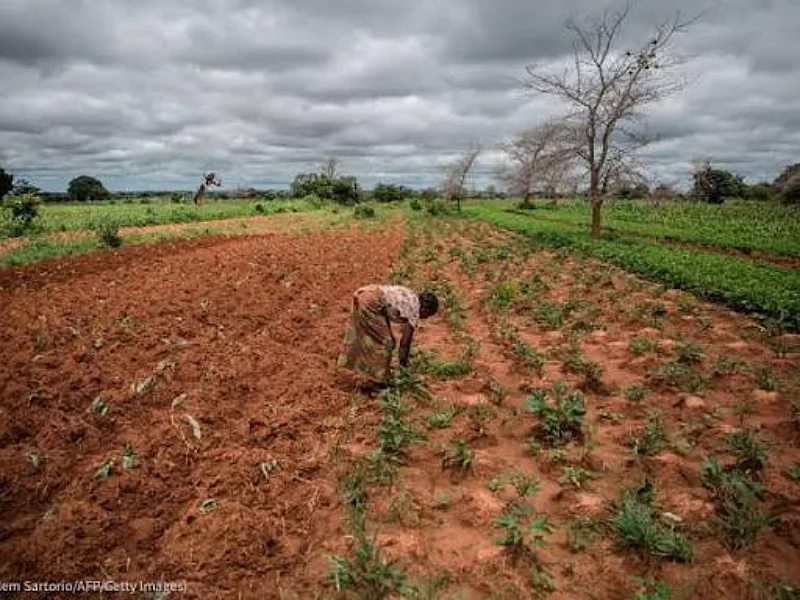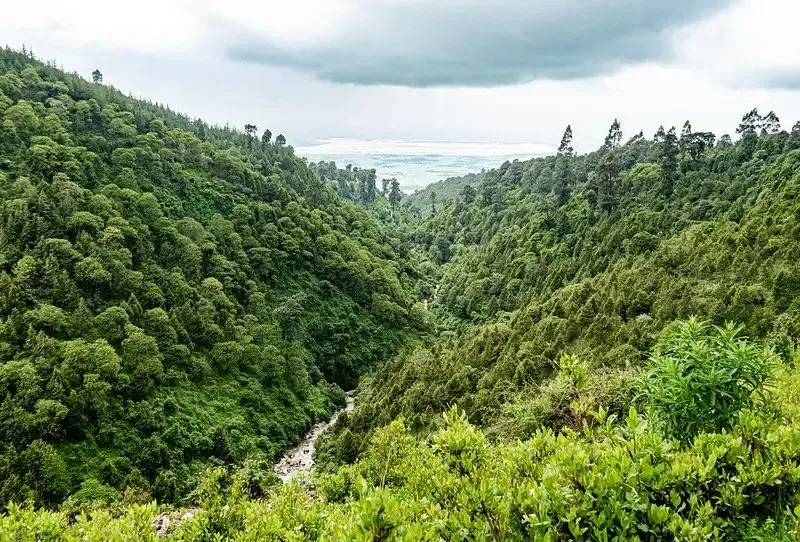
Ethiopia plans to cut net greenhouse gas emissions by 70.3% from projected 2035 levels if it secures international support.
The country expects its land and forestry sector to provide more than three-quarters of the modelled reduction.
Its plan also calls for investment in reliable power, irrigation and early warning.
Ethiopia’s Pledge Relies On Carbon Removals
Ethiopia filed its third nationally determined contribution (NDC 3.0) on 26 September 2025.
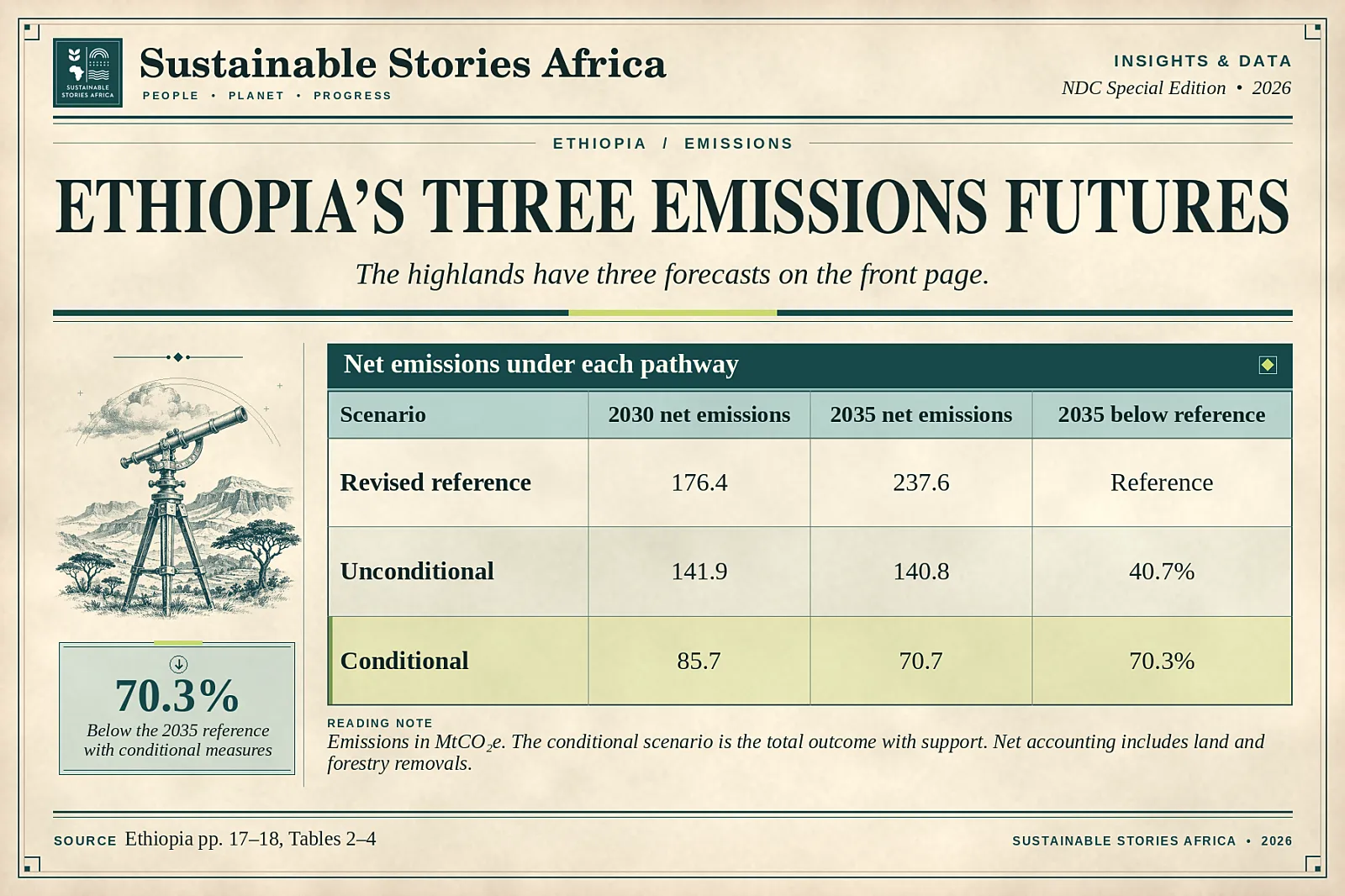
- The active filing puts 2035 net emissions at 70.7 million tonnes of carbon dioxide equivalent (MtCO₂e) with full support, compared with 237.6 MtCO₂e under its revised business-as-usual scenario.
- Ethiopia projects 140.8 MtCO₂e from its domestic measures alone.
The distance between those pathways reflects the scale of the measures Ethiopia envisages with international backing.
- Forestry and restoration account for most of the difference between the reference case and the full 2035 target.
- Livestock remains the largest source of emissions in the full-support scenario.
A nationally determined contribution is the national climate plan communicated under the Paris Agreement.
- The five-year cycle gives countries a chance to update both their measures and the evidence used to assess them.
- Ethiopia’s new model accounts for earlier restoration and clean energy efforts, so the new percentages need to be read against the revised reference case.
What The Three Emissions Pathways Show
The unconditional scenario puts Ethiopia 40.7% below its projected 2035 emissions.
- The conditional pathway, which represents the outcome with full support, raises that reduction to 70.3%.
- The model also reports figures for 2030, when the reference case puts emissions at 176.4 MtCO₂e, the domestic pathway at 141.9 and the supported pathway at 85.7.
The overall target is stated in net terms.
- Forests and other land can remove carbon from the atmosphere, offsetting part of the emissions produced by livestock, industry and energy.
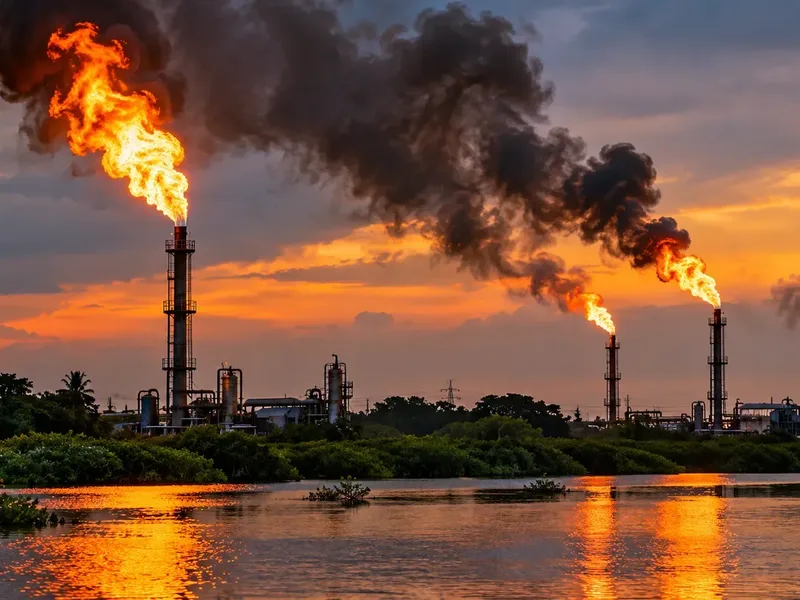
- The model shows that even in the supported scenario livestock would emit 160.3 MtCO₂e in 2035.
- Stronger land-sector removals help bring the national net figure below that level.
The emissions reference is a modelled future.
- It incorporates earlier initiatives, including restoration and afforestation carried out under the Green Legacy Initiative.
- Changes in tree cover, land-use practices and the way carbon is measured can affect the reference case and the estimated contribution from new measures.
The submission compares the new 70.3% figure with a 68.8% target from its earlier updated plan.
- The new filing extends the horizon and revises the model.
- Reading the percentages alongside actual emissions and the scope of new projects gives more insight into the change.
- The pathway table uses the estimates Ethiopia publishes for the new contribution.
Why Forest And Livestock Data Matter
The plan also considers loss and damage to infrastructure and productive assets.
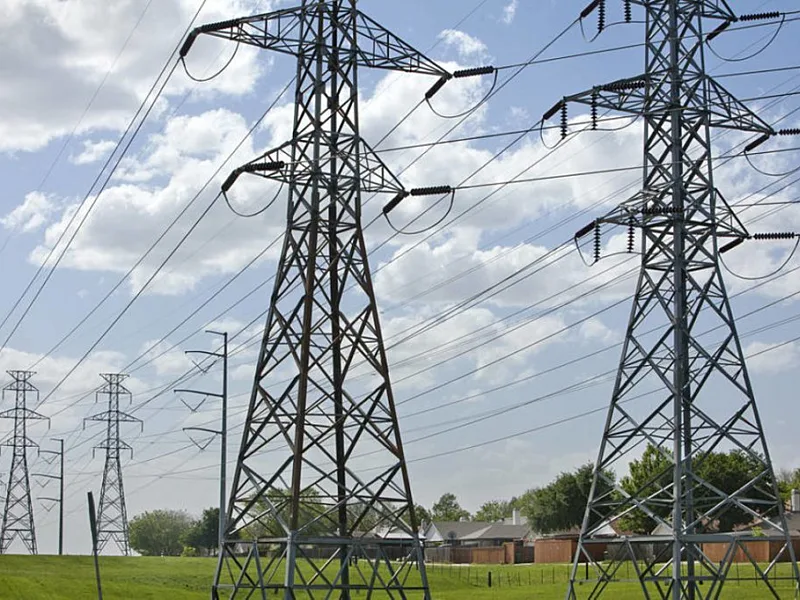
- Power lines and generating assets can be exposed to extreme weather, with costs that spread to businesses and public services.
- Tracking outages, repair times and investments in resilience can help establish whether changes in the power system improve its ability to serve people during shocks.
Ethiopia’s sector tables estimate net land and forestry removals of 26.6 MtCO₂e in the 2035 reference case and 155.3 MtCO₂e in the supported scenario.
- The filing attributes around 128.7 MtCO₂e of the reduction to this sector, or 77.1% of the total.
- The difference makes the durability of restoration central to the credibility of the national target.
Area planted is one useful measure.
- Carbon accounting also needs evidence on what survives, how forests develop, and what disturbances change the amount of carbon stored.
- The plan’s emphasis on strengthening its inventory and tracking systems provides a route to report these details consistently.
- Local monitoring can also show whether restoration improves grazing or watershed conditions.
Energy is the second-largest source of modelled abatement in 2035, at 20.8 MtCO₂e.
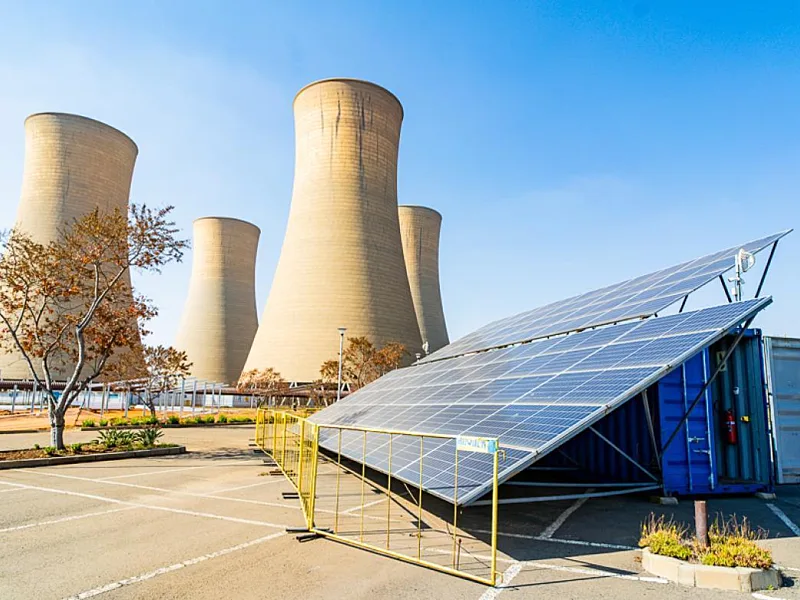
- Ethiopia proposes renewable electricity, grid improvements and cleaner transport.
- Livestock has its own measures and progress indicators.
- Better data on animal numbers and production practices would help readers understand how much of the change in net emissions comes from lower sources and how much comes from removals.
What Irrigation Can Offer Farming Communities
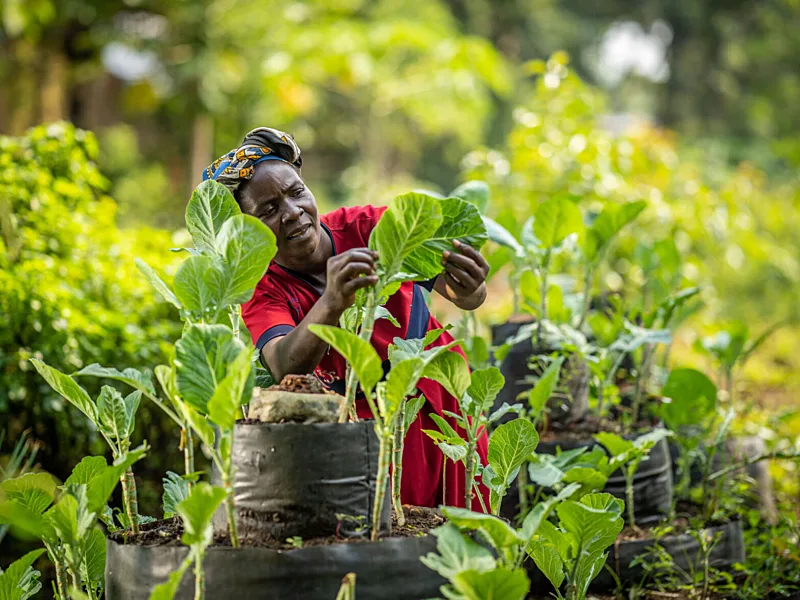
The local benefits of restoration and irrigation are connected.
- Where vegetation improves watershed conditions, it can help protect the land and water on which farms depend.
- Where water is scarce, expanding irrigation requires choices about extraction and allocation.
- The agricultural area equipped, the source of water and the reliability of delivery are therefore useful to report together.
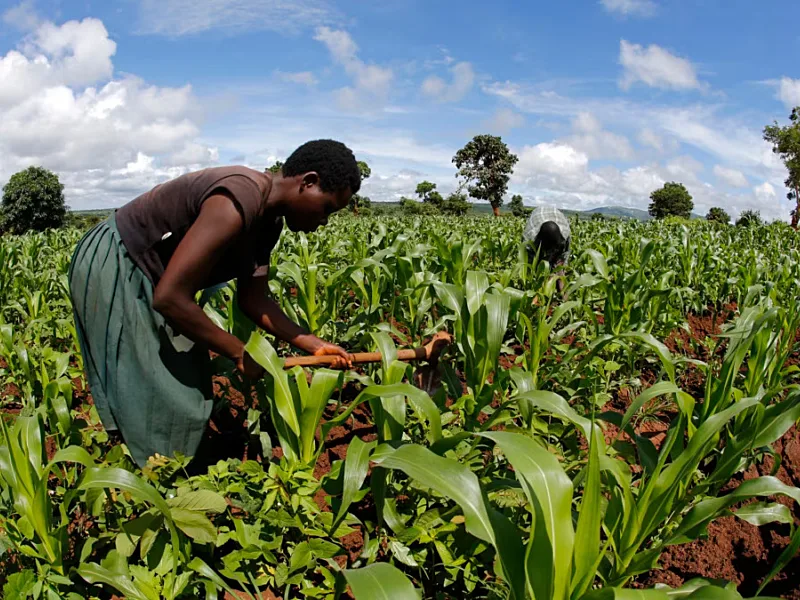
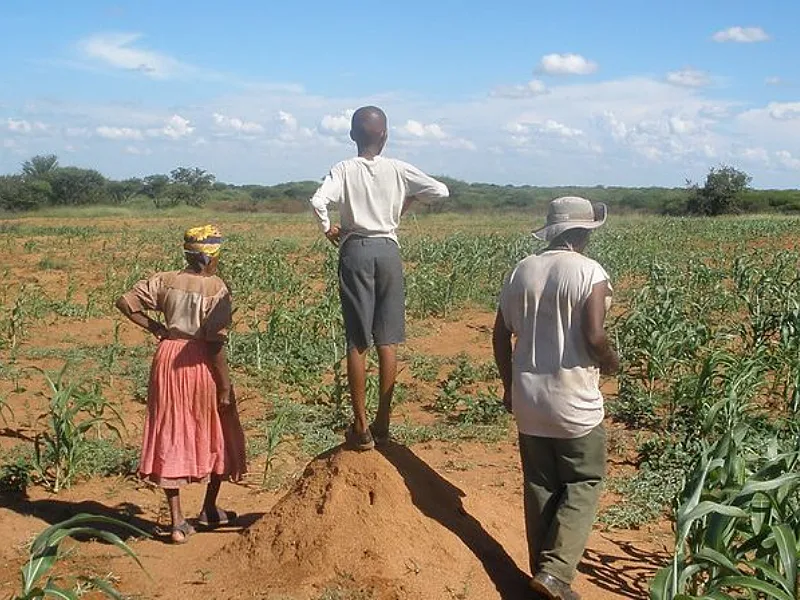
Ethiopia plans to expand climate-smart irrigation from 0.49 million hectares in 2020 to about 1.8 million hectares by 2035.
- It proposes solar-powered pumping, catchment rehabilitation and aquifer recharge to make water available under more erratic rainfall.
- Operational data will show how much of that area can still receive water during a dry season.
Diversifying electricity supply is also an adaptation measure in a system exposed to drought through hydropower.
- The plan calls for greater use of solar, wind and biogas alongside efforts to reduce grid losses and improve rural access.
- Farmers using electric pumps and clinics relying on cold storage would feel the value of a steadier supply directly.
The health plan aims to expand early-warning systems for climate-sensitive diseases from 14 facilities in 2025 to 54 by 2035.
- A national count helps track coverage.
- Local data on who receives warnings and how quickly health workers can respond would show how that coverage reduces risk.
The government’s adaptation estimate covers measures whose performance may change as temperatures and rainfall patterns shift.
- An irrigation project can report hectares equipped and hectares actually served. Health agencies can report coverage and response times for warnings.
- These indicators can give budget officials information about the reliability of services as they review future investments.
How Ethiopia Plans To Fund Delivery
The financing estimate includes mitigation and adaptation priorities whose costs and returns take different forms.
- Spending on forest restoration can produce benefits over many years.
- Investments in early warning and rural services may yield gains through losses avoided.
- Project appraisal can recognise both by setting out when benefits should appear and which agencies will check the results.
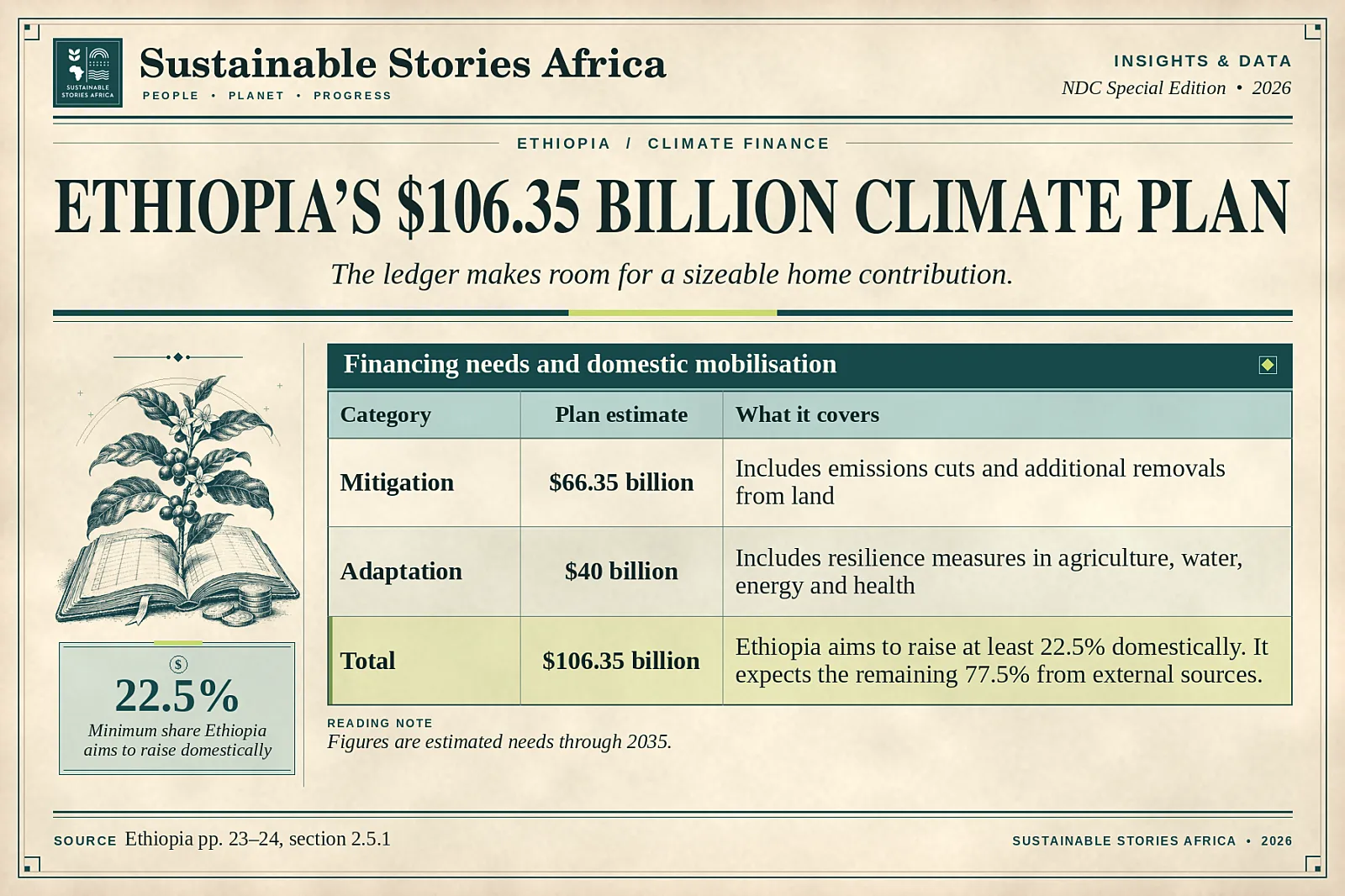
The filing estimates financing needs of $106.35 billion, including $66.35 billion for mitigation and $40 billion for adaptation.
- Ethiopia commits to mobilise at least 22.5% domestically and expects the remaining 77.5% from external sources.
- It identifies a dedicated fund for the Green Legacy Initiative and restoration of degraded landscapes as part of the domestic effort.
The Ministry of Planning and Development leads coordination with the Ministry of Finance and sector agencies.
- The plan proposes a central platform for tracking the NDC and tagging climate spending in the budget.
- Publishing commitments, disbursements and measured project results through that system would help regional governments and development partners see which programmes have the resources to proceed.
The filing also identifies carbon markets as a potential source of financing.
- Under Article 6 of the Paris Agreement, countries engaging in relevant international transfers need accounting arrangements to avoid double counting.
- Project-level records and national inventories can show which emissions outcomes count towards Ethiopia’s own target and which have been transferred.
Ethiopia’s coordination proposal calls for regional structures and sectoral working groups to take part in implementation.
- This matters for projects whose results depend on local stewardship.
- Regional and federal agencies can use common indicators and reporting periods while documenting local conditions that affect performance.
- The national data can then give a fuller account of why an intervention succeeded in one place and needs adjustment elsewhere.
Path Forward – What Ethiopia Can Report Before 2035
Track the condition of restored land and annual forest removals alongside livestock and energy emissions.
The data can show whether the sectors are moving as the model envisages.
For adaptation, follow irrigation that works through dry seasons, the reach of health alerts and the share of planned funding that reaches regional projects.