Africa's cross-border electricity links can support lower system costs, renewable integration and stronger energy security; however, IRENA argues that physical interconnectors deliver more when grid rules and institutions work across borders.
From Southern to West and East Africa, the next integration challenge is as institutional as it is engineering: common operating standards, capable regional bodies and electricity markets that can turn shared infrastructure into reliable trade.
Africa's grids need shared operating language
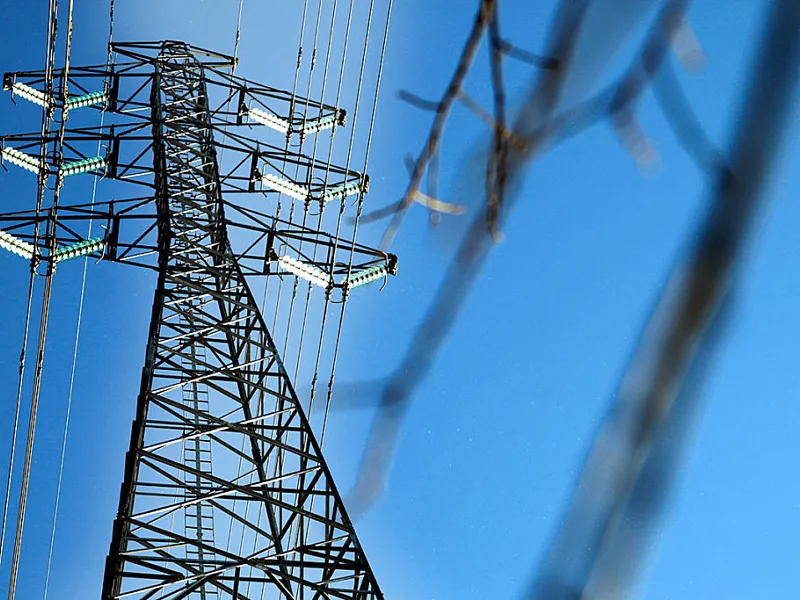
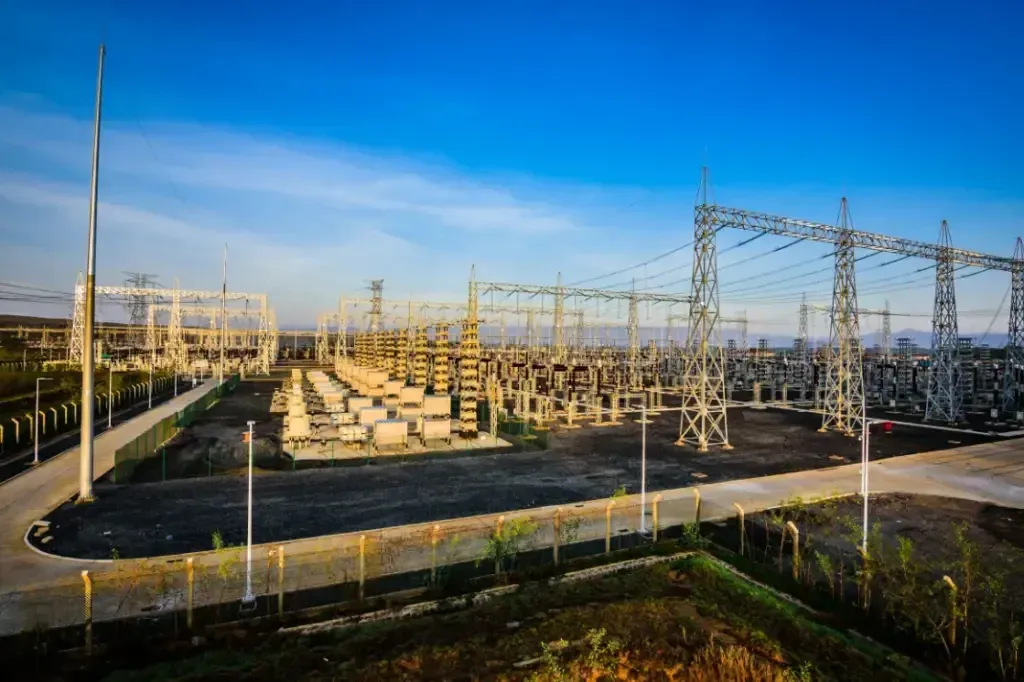
Regional interconnectors are often discussed as construction projects: high-voltage lines, converter stations and undersea cables that physically link power systems.
IRENA's 2026 report on regional interconnections makes a different point.
The value of those assets depends on the rules governing connection, operation, dispatch, data exchange and market participation.
Wires create possibilities for trade; harmonised grid codes help make it routine.
That distinction matters for Africa because regional power pools are at different stages of technical and commercial integration.
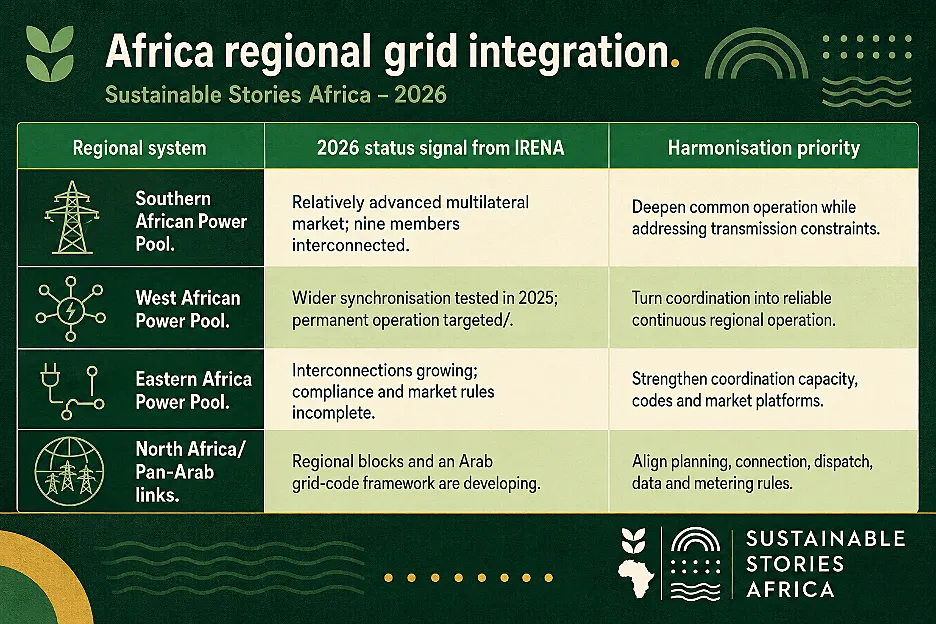
- The Southern African Power Pool has a relatively developed multilateral market.
- West Africa has been testing wider synchronisation and building regional coordination
- East Africa has growing interconnection infrastructure but incomplete market and compliance arrangements.
IRENA's core recommendation is not that every national system become identical.
Harmonisation means aligning the technical, operational and market requirements needed for systems to work together safely and predictably.
Well done, it can reduce duplication while leaving room for local conditions.
Interconnectors cannot trade without coordinated rules
Cross-border electricity trade has a simple economic logic.
- Systems with different demand profiles and generation mixes can share capacity, reduce reserve requirements and access lower-cost power when it is available.
- Larger balancing areas can also absorb variable wind and solar more efficiently because fluctuations are spread across a wider geography and portfolio of resources.
However, technical incompatibility can turn those benefits into risk
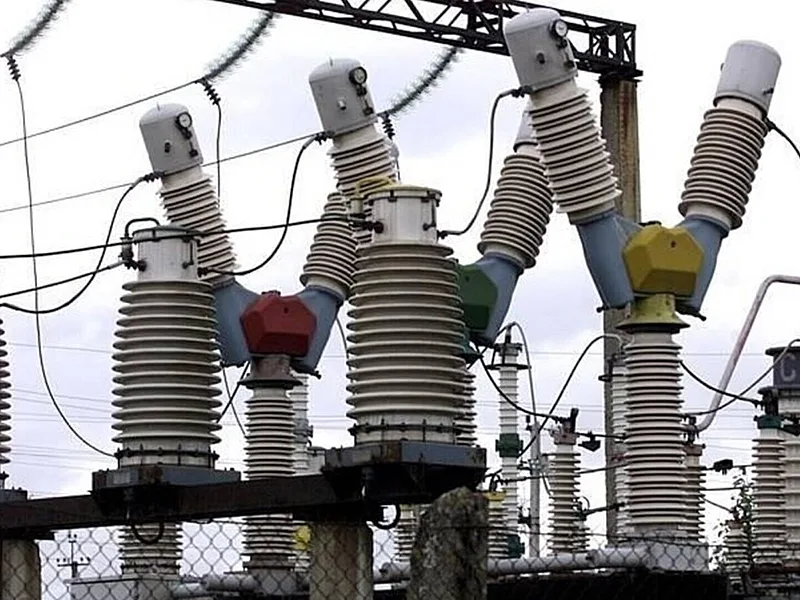
- Frequency and voltage requirements, protection systems, metering, scheduling and communication protocols need to interact correctly.
- Weak domestic grids, asynchronous systems and legacy bilateral arrangements can complicate regional operation.
IRENA notes that common standards can also help reduce the risk of disturbances cascading across borders.
Shared rules can improve investment signals.
- A developer considering generation near a border needs to understand connection requirements, dispatch treatment and whether neighbouring markets can realistically buy surplus power.
- When every jurisdiction uses materially different studies, equipment specifications or scheduling practices, project development takes longer, and financing becomes harder to price.
Harmonisation reduces that uncertainty even before trade volumes rise.
Power pools show uneven integration progress
Southern Africa offers one reference point.
- IRENA describes nine SAPP members as interconnected, with three members not interconnected, supported by regional institutions including the Regional Electricity Regulators Association of Southern Africa.
- A multilateral trading framework provides the region operational experience that can inform deeper harmonisation even as transmission constraints remain important.
In West Africa, WAPP has been working toward synchronised operation with a regional information and coordination centre in Benin.
IRENA records a 2025 synchronisation test that temporarily connected the wider system and describes the goal of moving toward permanent synchronisation. ERERA provides a regional regulatory layer.
- However, sustained trading still depends on rules, reliable infrastructure and national systems that comply consistently.
East Africa illustrates the work still to do.
EAPP has interconnection projects and an Interconnection Code; however, IRENA reports uneven compliance, limited capacity for regional coordination, and incomplete market arrangements.
- Day-ahead, intraday, forward, balancing and ancillary-service concepts are envisaged; the rules and platforms required to make them function remain part of the integration task.
Harmonisation can unlock cheaper, cleaner electricity
The sustainability case reaches beyond trade volumes.
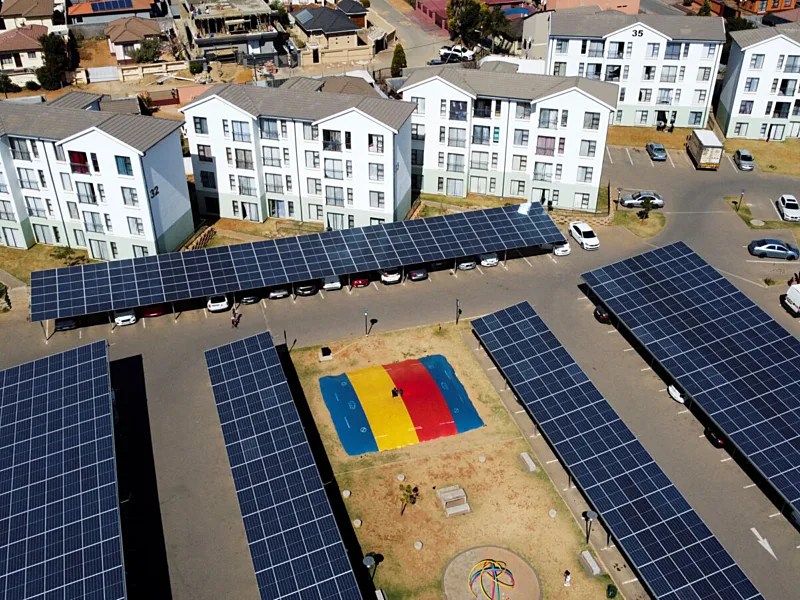
- Shared regional systems can allow countries to draw on diverse renewable resources rather than duplicate generation and reserves within national borders.
- Hydropower, geothermal, solar and wind can complement one another across time and geography.
- A wider market can improve the economics of projects that would be oversized for a single domestic system.
Harmonised requirements can also lower administrative and compliance friction for developers and equipment suppliers.
- Comparable certification, connection standards and operating procedures reduce repeated engineering work and create economies of scale.
- For governments facing capital constraints, the attraction is not only more electricity but better use of assets already being financed.
The benefits are in distribution, as well as technical.
- If regional trade lowers wholesale costs but congestion, losses or weak utilities prevent those gains from reaching end users, public support can erode.
- Market design therefore needs transparent rules on transmission access, congestion, settlement and reliability.
Integration succeeds politically when governments and consumers can see why regional exchange improves security or affordability rather than simply shifting control beyond national borders.
Regional institutions need authority and capacity
IRENA places institutions at the centre of the solution, recommending comparison of national grid codes to identify gaps, clear role definition and phased harmonisation rather than instant uniformity.
- Regional regulatory agencies need sufficient authority and technical capacity to monitor implementation and resolve cross-jurisdictional issues.
Deeper electricity markets add another layer.
- Spot trading, capacity arrangements and ancillary services require a market operator, transparent settlement and participant confidence in common rules; without these foundations, new interconnectors can remain underused despite physical readiness.
For African policymakers, this reframes infrastructure planning.
- Funding transmission lines without funding institutions, control systems and market rules risks stranding value, so regional integration programmes should budget for regulatory capability and data infrastructure as seriously as towers and cables.
A phased approach can turn harmonisation into an investable programme: map differences, agree minimum interoperability rules, test through controlled exchanges, and strengthen enforcement as markets deepen.
Success should be measured through operating outcomes, available transfer capacity, outage coordination, settlement performance, rather than kilometres of line alone.
Path Forward – Build rules alongside the physical wires
Africa does not need to wait for perfect regional markets before building interconnectors.
It does need technical and regulatory harmonisation to advance alongside construction, with milestones that show whether systems can actually operate and trade together.
The durable infrastructure is therefore both physical and institutional: stronger domestic grids, interoperable codes, capable regional bodies and markets that reward reliability while allowing cleaner electricity to travel farther.