Nigeria is tightening oversight of its transmission network while moving electricity regulation closer to the states.
New NERC audit rules, a directory for state regulators and a federal-state coordination committee are reshaping how the sector is governed.
The test is whether better engineering evidence and clearer regulatory responsibility can translate into investment, consumer accountability and a more reliable power system.
Nigeria's Power Reform Moves Across Institutions
Nigeria's electricity reform is increasingly being fought on two fronts:
- The physical condition of the national transmission network
- The institutional design of a market that is steadily decentralising under the Electricity Act 2023.
A July 2026 power-sector update by Udo Udoma & Belo-Osagie highlights three developments that bring those fronts together.
- The Nigerian Electricity Regulatory Commission has issued new procedures for technical audits and transmission-network data validation.
- It has launched a directory of State Electricity Regulatory Commissions
- The Minister of Power has established a nine-member inter-agency committee to address legal, policy and regulatory issues arising from decentralisation.
Individually, each measure looks administrative. Taken together, they point to a deeper reset:
- Nigeria is trying to improve what it knows about its grid, clarify who regulates intrastate electricity and build coordination between federal and state institutions before overlapping mandates become a new source of market friction.
Grid Reliability Now Begins With Evidence
Nigeria's new NERC Guidelines on the Procedures for Technical Audit of the Transmission System and Network Data Validation 2026, issued on 20 July under the Electricity Act 2023 and NESI Grid Code, rest on a simple premise:
- Investment decisions cannot outperform the technical data behind them.
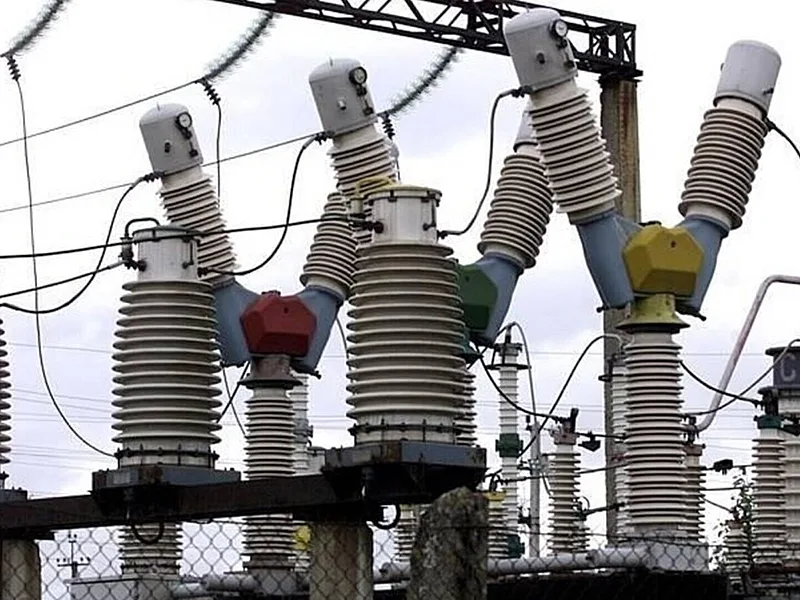
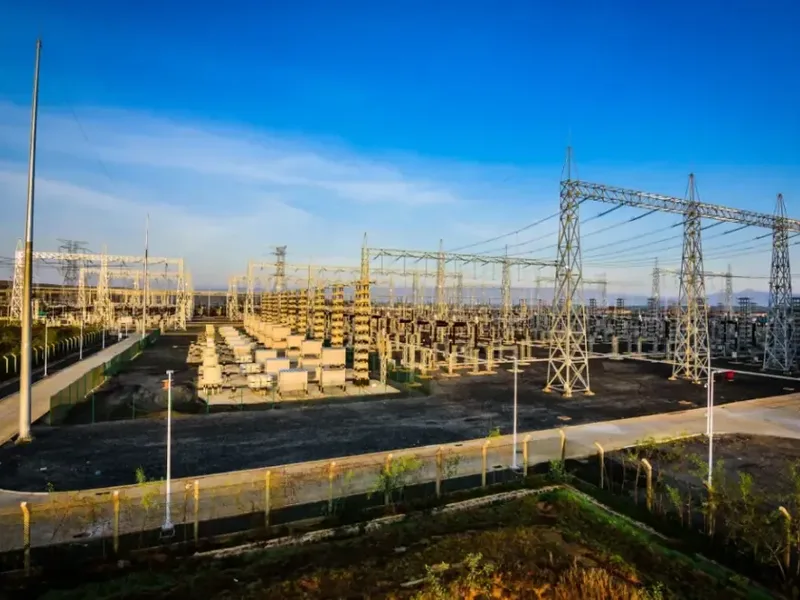
NERC identifies a persistent gap between installed transmission capacity and actual wheeling capability, driven by ageing infrastructure, mismatched lines and substations, obsolete protection systems, and weak planning.
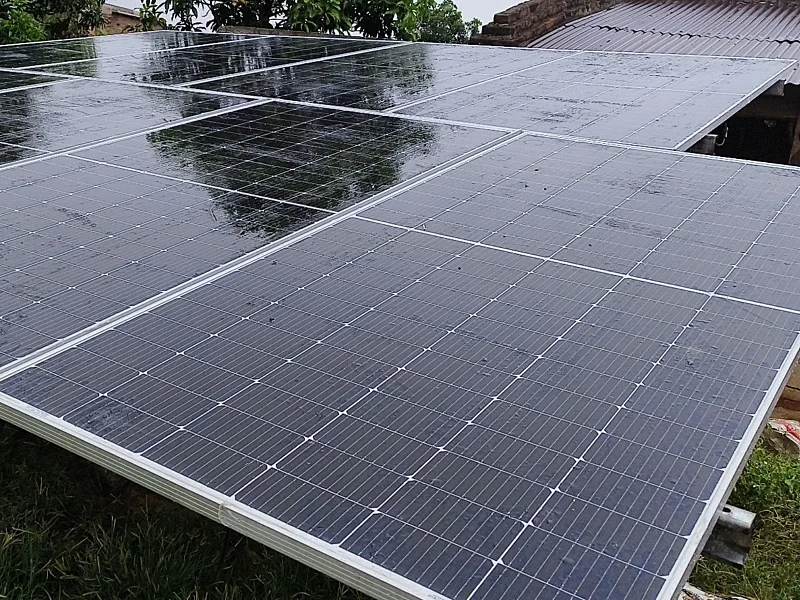
These are challenges that intensify as the grid integrates renewables and battery storage, requiring accurate network models.
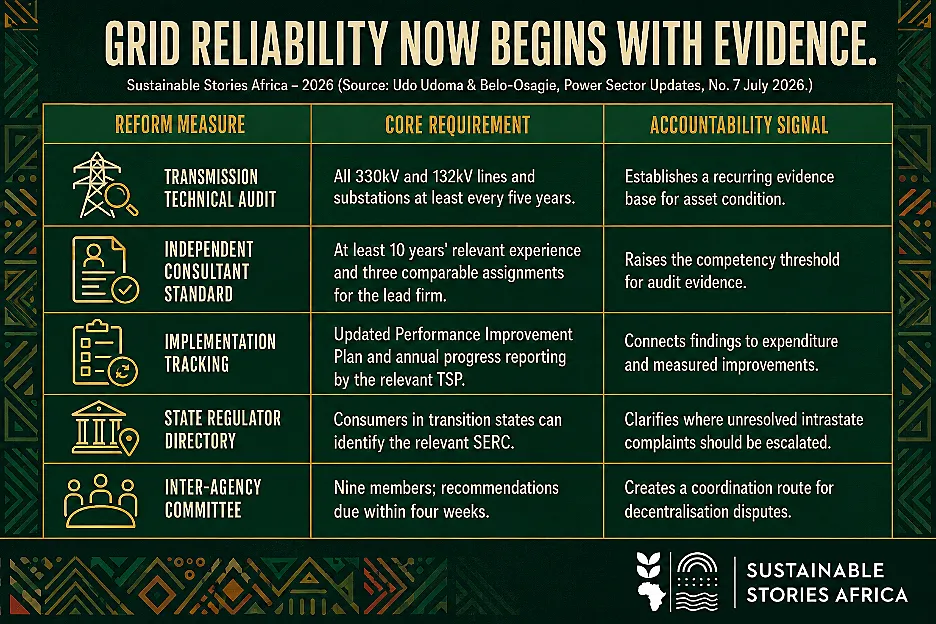
Under the framework, the Nigerian Independent System Operator must engage a qualified consulting firm to audit all 330kV and 132kV transmission lines and substations at least every five years, with special audits triggered by recurring failures or major incidents.
The scope extends beyond visual inspection to network data review, asset condition checks, and validation of protection systems, SCADA/EMS, and telecommunications.
Power-flow and contingency simulations then convert findings into prioritised investment plans.
State Regulation Changes Consumer Accountability Routes
The second reform is less technical but immediately visible to consumers.
- NERC's new SERC directory provides verified websites, emails, phone numbers, social handles, and physical addresses for state regulators in states that have completed the transition to state electricity regulation.
The complaint pathway matters:
- Consumers should still approach their distribution company first.
- However, unresolved complaints should escalate to the relevant SERC, which now holds responsibility for intrastate electricity activities.
- The directory thus makes the new regulatory architecture understandable at street level, not merely a contact list.
Decentralisation also raises coordination risks.
- Generation projects and market participants may sit within a system where state powers expand.
- The national grid and cross-border flows remain tied to federal institutions, risking duplicated approvals or conflicting standards without harmonised rules.
This is why the Minister of Power's nine-member inter-agency committee matters.
Announced on 14 July following a workshop with federal and state governments, regulators, and legislators, the committee has four weeks to recommend how to resolve decentralised legal and regulatory issues.
Better Coordination Could Unlock Smarter Investment
If the reforms work, the benefit is not simply better compliance.
- Validated grid data can show where upgrades will relieve bottlenecks, where protection systems are obsolete and which projects should move first.
- That can improve maintenance planning, strengthen capital allocation and reduce the risk that scarce investment is directed at assets whose real constraints are poorly understood.
For states;
- Stronger regulation can make local electricity markets more responsive to their own industrial clusters, embedded generation opportunities and consumer priorities.
For investors;
- Clearer jurisdiction can reduce the cost of navigating uncertainty.
For consumers;
- Knowing which regulator is accountable can make complaint resolution and service oversight more practical.
There is also a renewable energy dividend.
- A power system that wants more variable generation and battery storage needs dependable network models.
- Without validated technical data, renewable interconnection studies can become slower, less predictable or over-conservative.
Better data therefore supports not only grid reliability but also the decarbonisation pathway.
Audits Must Lead To Measurable Upgrades
The audit guidelines' strongest feature is their attempt to prevent reports from becoming shelf documents.
- Transmission Service Providers must update their Performance Improvement Plans after each audit and submit annual reports to NERC covering recommended actions, expenditure, performance improvements, and implementation challenges.
- NISO must apply validated data in future studies, while NERC updates the asset register and conducts spot checks.
Execution should now be judged against outcomes:
- NERC can publish implementation dashboards, providers can align capital budgets with audit priorities, and regulators can issue common guidance on boundary questions before disputes reach investors or consumers.
The inter-agency committee should treat consumer protection and investment predictability as shared goals, rather than competing jurisdictions; otherwise, decentralisation risks each government layer optimising its own authority while market participants absorb the coordination costs.
Ultimately, Nigeria's grid problem blends weak assets, weak data, and fragmented responsibility.
July's measures matter because they address all three together.
Path Forward – From Regulatory Architecture To Reliable Electricity
Nigeria now needs disciplined follow-through: credible audits, transparent implementation tracking, updated network data, functioning state regulators and clear federal-state rules.
The measure of reform will be whether these structures reduce uncertainty and improve electricity service.
If audit findings become funded upgrades and decentralisation produces coordinated accountability, the 2026 reforms can move beyond institutional redesign.
They can help turn better information and clearer authority into the outcome households and businesses ultimately care about: more reliable power.