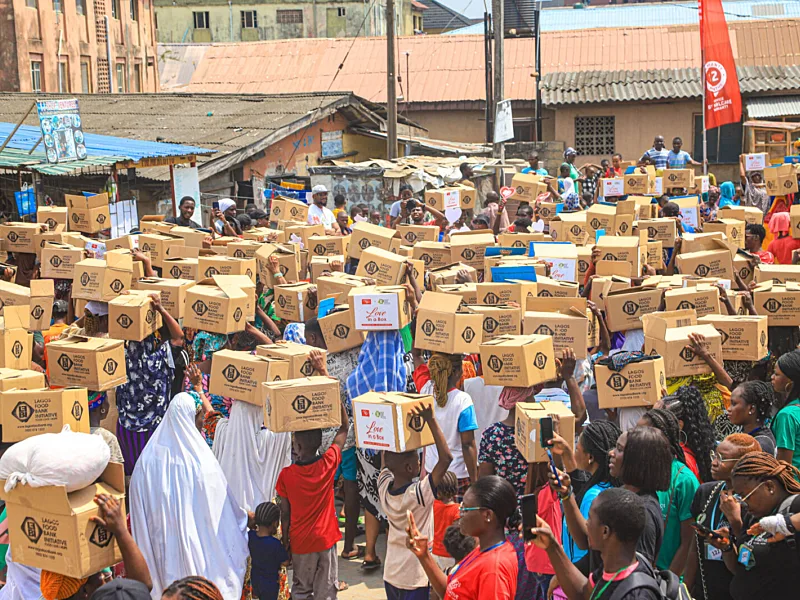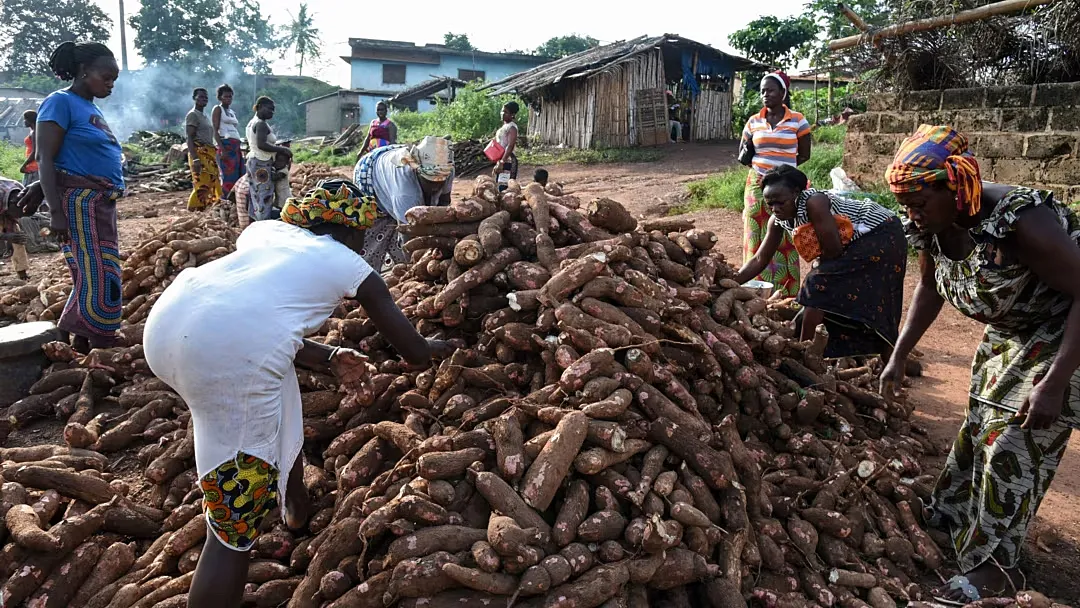
Cassava feeds over 500 million people and anchors food systems across Africa; however, its global scientific footprint tells a different story.
New evidence reveals a widening gap between where cassava is produced and where knowledge, funding, and innovation are concentrated, raising urgent questions about Africa’s role in shaping the crop’s future.
Production Strength, Research Weakness
Cassava, long regarded as Africa’s food security backbone, is emerging as a strategic global commodity, but one whose scientific and economic value chains remain unevenly distributed.
Globally, production reached approximately 315 million tonnes in 2021, with Africa accounting for approximately 65% of output.
Nigeria alone produced about 63 million tonnes, approximately 20% of global supply, cementing its position as the world’s largest producer.
However, beneath this dominance lies a structural imbalance: the countries producing cassava are not the ones shaping its scientific, industrial, or commercial trajectory.
The implications are significant. As climate volatility, food insecurity, and bio-based industrial demand rise, cassava is increasingly viewed not just as a subsistence crop but as a platform for value-added growth, from starch and ethanol to biodegradable materials.
The question is no longer whether cassava matters, but who controls its future.
A Crop Feeding Millions, But Knowledge Concentrated Elsewhere
Cassava supports the livelihoods of over 500 million people globally, particularly across sub-Saharan Africa, where it ranks among the top three staple foods.
However, the global research landscape reveals a striking contradiction: over 13,000 scientific publications on cassava have been produced between 2000 and 2023, generating more than 245,000 citations, but much of this knowledge originates outside Africa.
Brazil leads global cassava research output, contributing roughly 13.8% of publications, followed by Nigeria and China.
While Nigeria ranks second in research volume, its influence in funding, high-impact publications, and innovation ecosystems remains comparatively limited.
This divergence between production and research power defines the core tension shaping cassava’s global scientific footprint.
Production Power vs. Value Chain Participation
The data reveals a three-layered imbalance across production, trade, and research.
Global Cassava Production vs Trade Position (2021)
Indicator | Leading Country | Key Insight |
|---|---|---|
Production | Nigeria | 63 million tonnes (20% global share) |
Exports | Thailand | $1.29 billion (35% global export share) |
Imports | China | $1.48 billion (40.5% global imports) |
Trade Ranking | Global | Cassava ranks 614th globally by trade value |
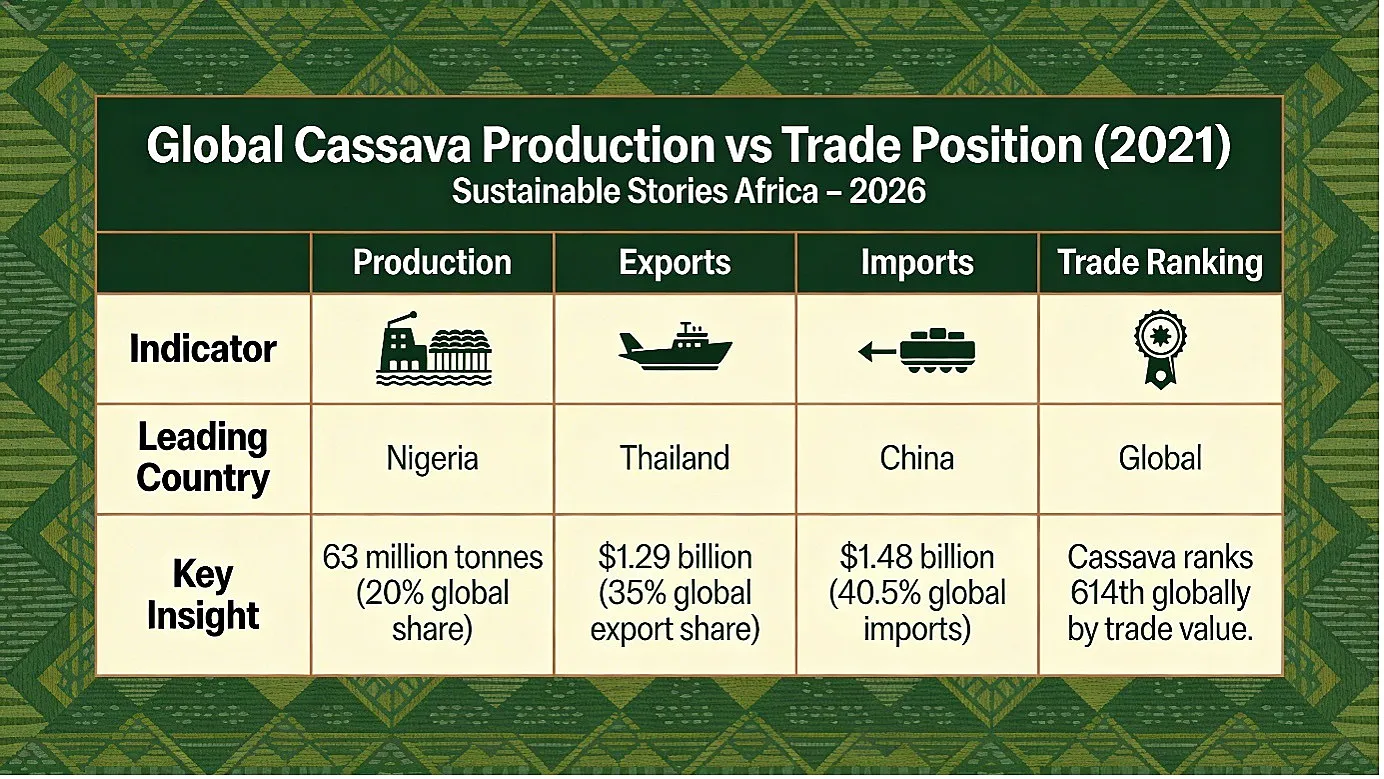
Despite producing the most cassava globally, Nigeria exports less than 1% of its output, ranking 59th globally in exports.
In contrast, Thailand has built a robust processing and export ecosystem, transforming cassava into high-value industrial inputs such as starch, animal feed, and bioethanol.
Africa, therefore, dominates volume but not value.
Research Landscape- Growth Without Equity
Cassava research output has grown steadily at an annual rate of over 6%, reflecting rising global interest in food security, biotechnology, and climate resilience.
However, deeper analysis reveals structural disparities:
- Developed countries dominate funding and high-impact journals
- No African-based funding institutions appear among the top global sponsors
- Top-cited research outputs continue to be disproportionately authored by scholars based in the United States and Europe.
- African institutions contribute significantly to volume, but less to influence
Even more disturbing is that among the top 15 most cited cassava studies globally, none are led by African researchers.
This disconnect highlights a critical issue: Africa supplies the crop, but not the intellectual property.
The Opportunity for Africa’s Bioeconomy Leap
If properly leveraged, cassava represents one of Africa’s most underutilised economic assets.
Beyond food, cassava has applications in:
- Industrial starch production
- Biofuels and ethanol
- Biodegradable plastics
- Pharmaceutical and food processing industries
Countries such as Thailand and Brazil demonstrate how coordinated policy, investment in research, and private-sector integration can convert cassava into a multi-billion-dollar export sector.
For Africa, the upside is transformative:
- Increased rural incomes through value addition
- Reduced import dependence on industrial inputs
- Expanded Agro-processing industries
- Stronger positioning in global bioeconomy markets
Crucially, cassava’s resilience to drought and poor soils makes it central to climate adaptation strategies across the continent.
Closing the Production Knowledge Gap
The pathway forward requires deliberate coordination across policy, finance, and research systems.
Strategic Actions to Unlock Cassava Value
Stakeholder | Priority Action | Expected Outcome |
|---|---|---|
Governments | Invest in R&D and processing infrastructure | Move from raw output to industrial value |
Research Institutions | Strengthen local innovation ecosystems | Increase African-led publications and patents |
Private Sector | Scale Agro-processing and exports | Capture a higher global market share |
Development Finance | Fund value chains, not just production | Build integrated cassava industries |
Regional Bodies | Harmonise standards and trade policies | Enable cross-border cassava markets |
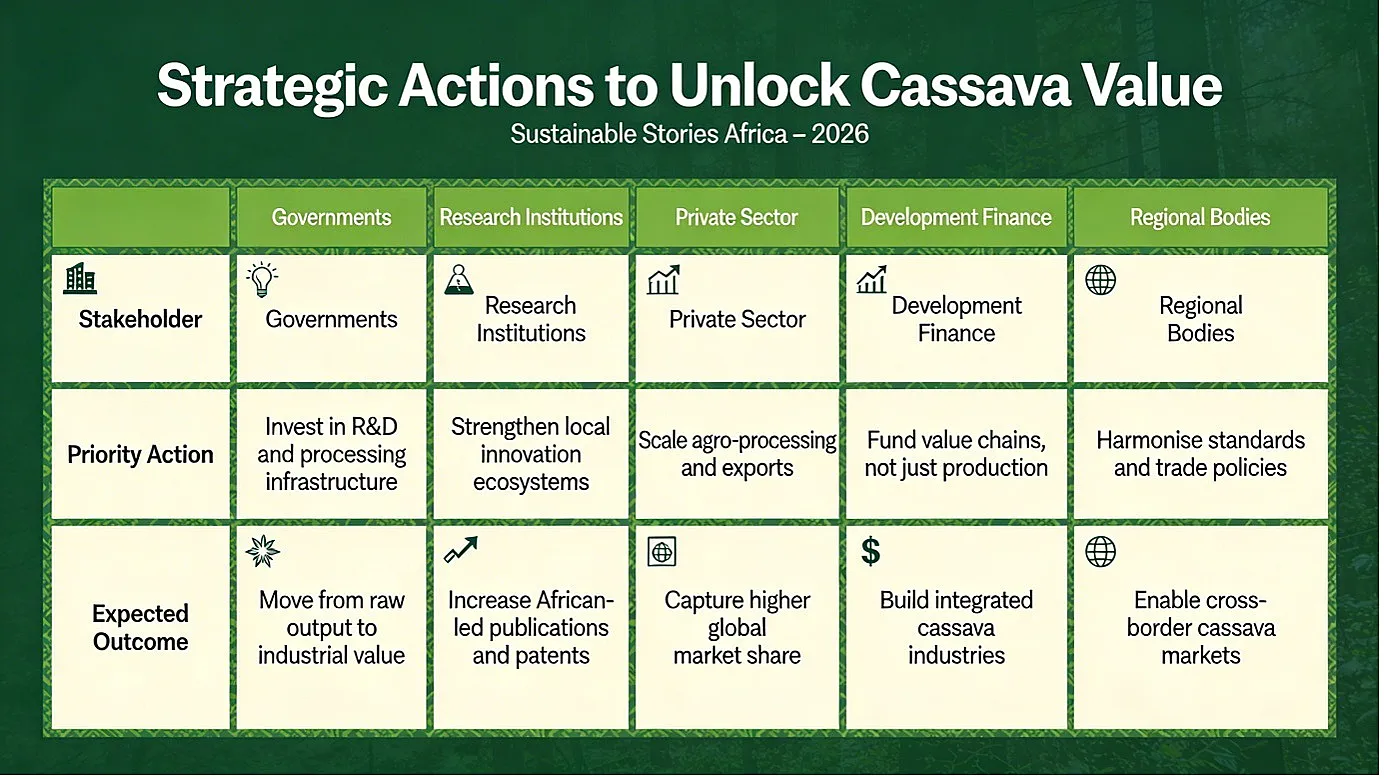
The evidence is clear: without investment in science, Africa risks remaining a raw material supplier in a value chain it should lead.
Path Forward – From Staple Crop to Strategic Asset
Africa must reposition cassava from a subsistence crop to a strategic industrial resource. This requires aligning production strength with research capacity, funding systems, and export infrastructure.
By investing in science, value addition, and regional integration, cassava can shift from feeding millions to powering Africa’s bioeconomy and redefining its role in global agricultural markets.