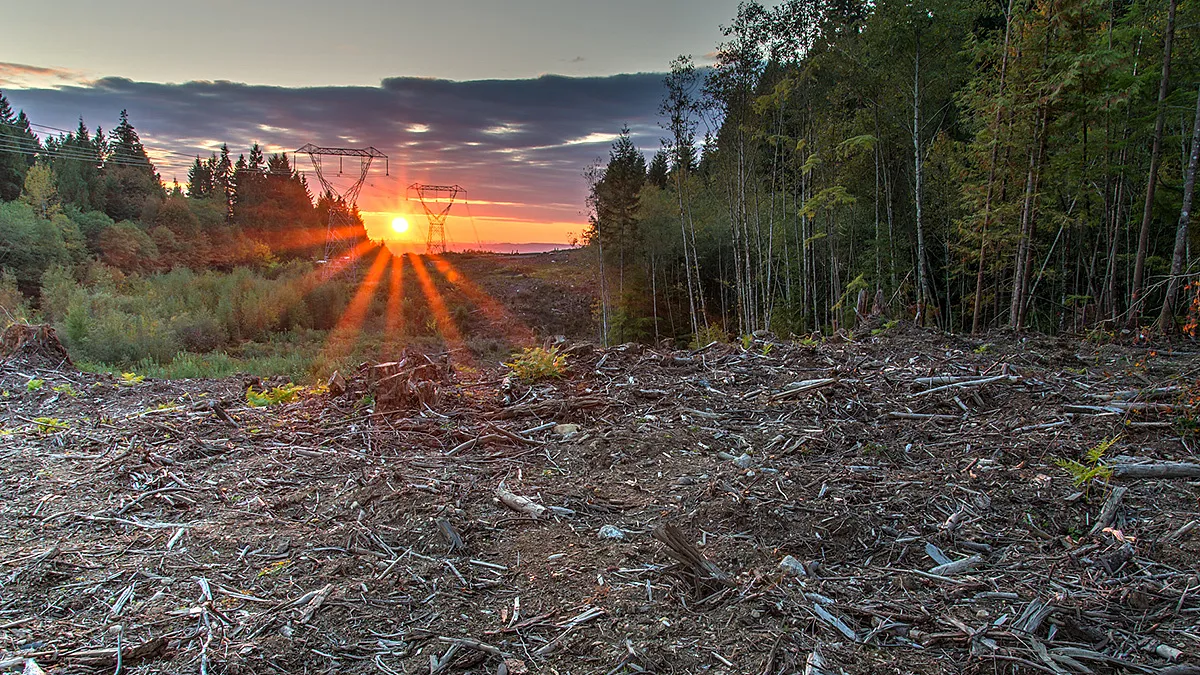
Forestry’s carbon debate often centres on standing trees. New long-term evidence from British Columbia shows that the forest floor beneath them can be just as consequential.
Over 20 years, harvesting caused relatively small changes in soil carbon, where forest floors remained intact.
But combining whole-tree harvesting with forest-floor removal produced a deep carbon deficit that could take decades to reverse.
Beneath Trees Lies Carbon Security
Forest harvesting is commonly framed as a choice between economic activity and climate protection.
Evidence from a 20-year study across British Columbia’s Long-Term Soil Productivity network suggests a more precise question:
- How much soil disturbance accompanies the harvest?
The study assessed forest-floor and mineral-soil carbon across 12 sites spanning four biogeoclimatic zones, with treatments ranging from stem-only harvesting to whole-tree harvesting and full forest-floor removal.
- It found that retaining the forest floor and limiting disturbance mattered more for soil-carbon protection than compaction alone.
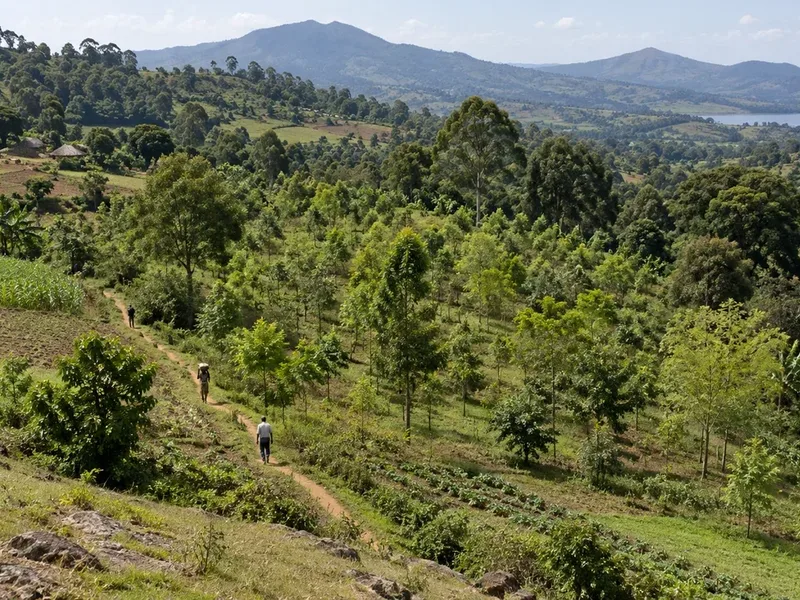
For African countries building timber, biomass and restoration economies, the message matters.
- Forest-carbon strategies cannot rely only on tree-planting targets or above-ground biomass estimates.
- They must also protect the carbon, nutrients and biological systems stored in soil.
Residue Retention Changes Carbon Outcomes
The research separates three practical scenarios.
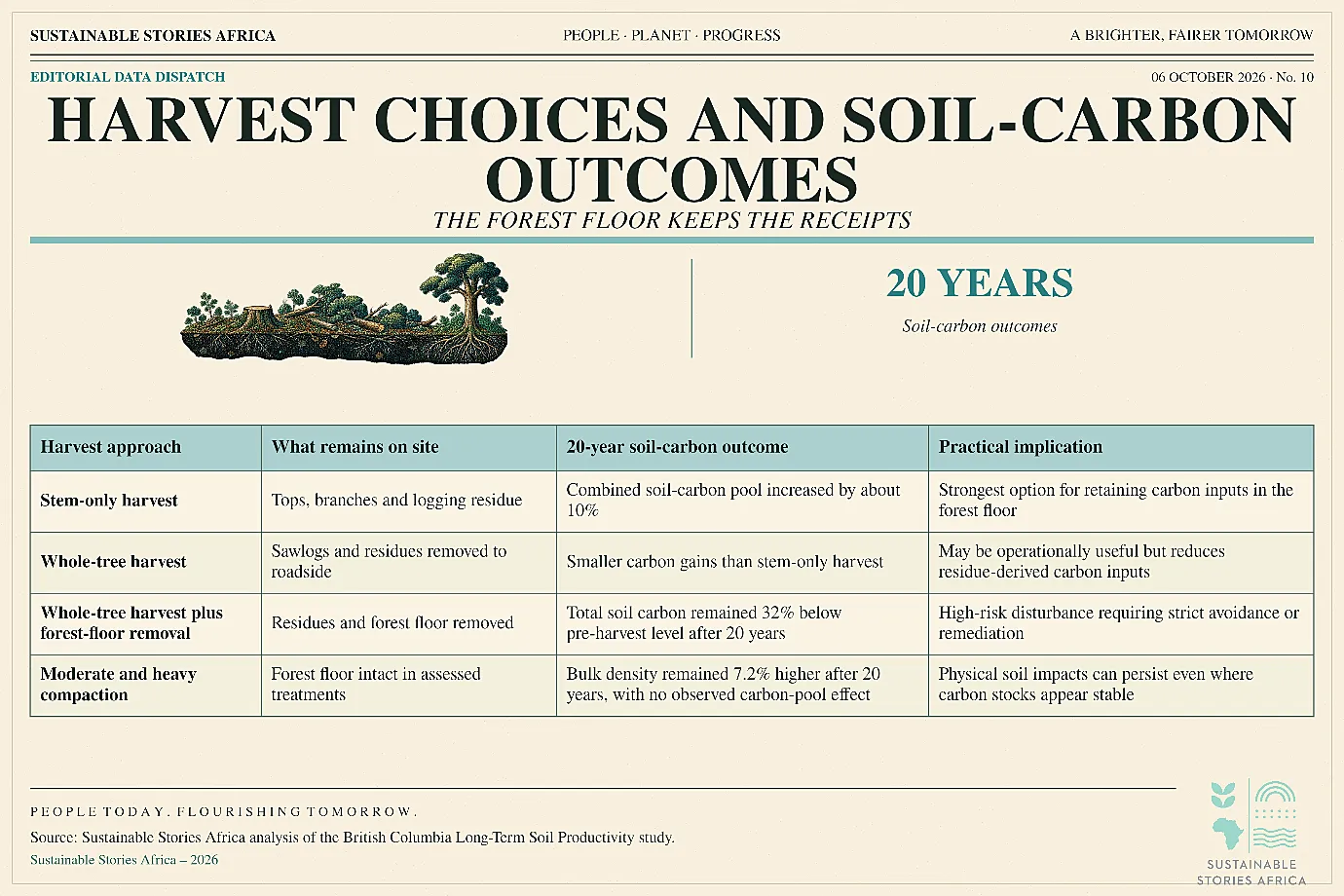
- Stem-only harvesting leaves branches, tops and other residues on site.
- Whole-tree harvesting removes these materials to the roadside.
- A third, more extreme treatment combines whole-tree removal with complete forest-floor removal.
Twenty years after harvest, the results showed that conventional harvesting systems can avoid major soil-carbon losses when forest-floor disturbance is kept low.
- Stem-only harvesting increased combined forest-floor and mineral-soil carbon by about 10% over two decades
- Whole-tree harvesting produced smaller gains.
The difference is important because forest residues are not waste.
- Deadwood contributes carbon to the forest floor, supports fungi and small wildlife, moderates local conditions and helps sustain longer-term nutrient availability.
Removing it may serve operational, biomass or fuel-management objectives, but it can narrow the margin for carbon recovery.
Extreme Disturbance Creates Lasting Deficits
The sharpest warning emerged from plots where whole-tree harvesting was combined with full forest-floor removal.
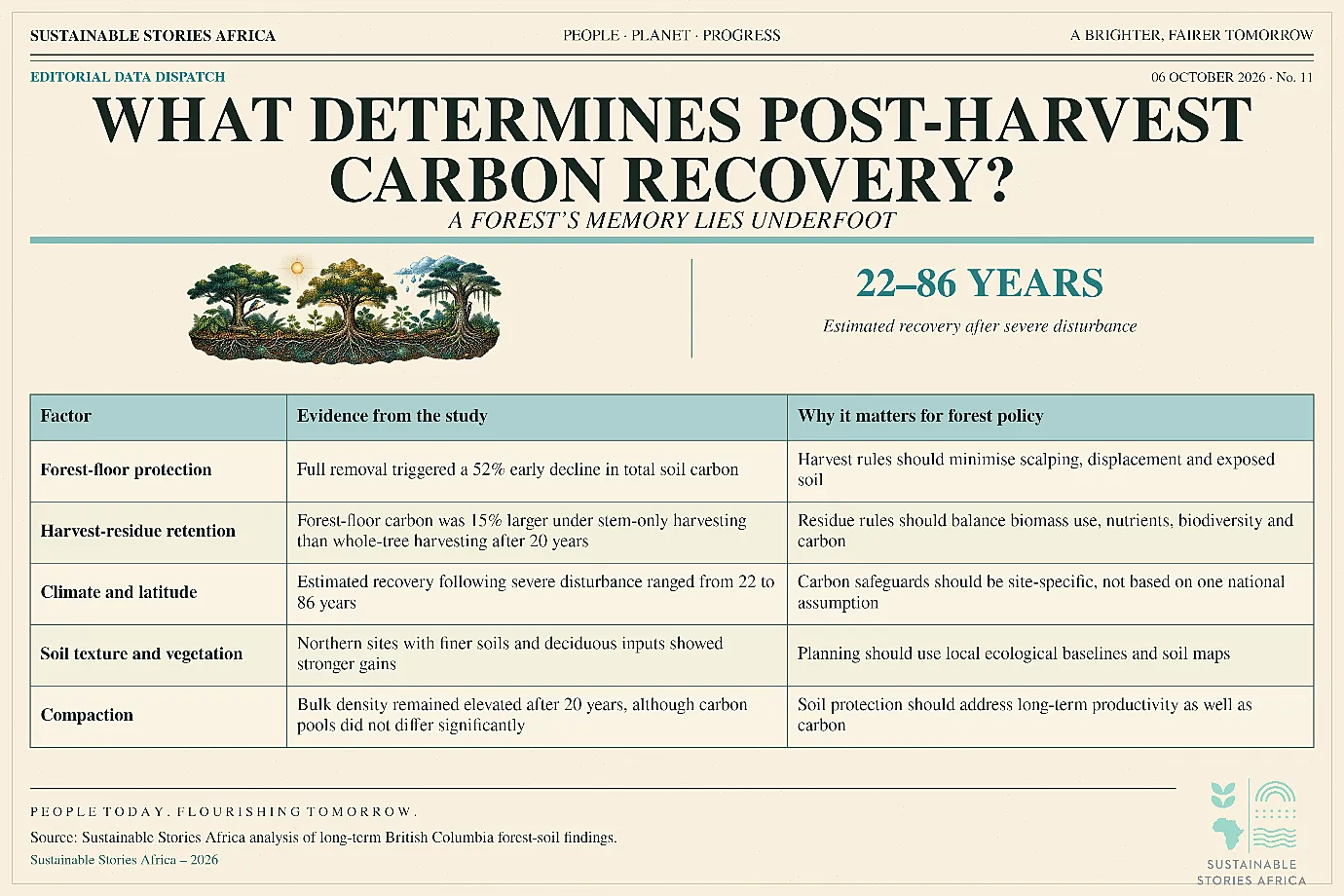
- Five years after treatment, combined forest-floor and mineral-soil carbon had fallen by 52%, equivalent to about 27.6 tonnes of carbon per hectare.
- By year 20, the sites had regained carbon at an average rate of 0.69 tonnes per hectare annually.
However, their combined carbon pool was still 32% below its pre-harvest level.
- The researchers estimate that recovery could take between 22 and 86 years, depending on local conditions.
That is a critical finding for forest governance.
- A harvest operation may be economically brief, but its carbon consequences can outlast investment cycles, political terms and even some carbon-credit issuance periods.
- Where soil carbon is not measured or safeguarded, carbon accounting can overstate near-term climate gains.
The study also showed that the forest floor itself recovered slowly after removal.
- At lower-latitude, drier sites, recovery was particularly weak; some had shown no sign of overall soil-carbon recovery after two decades.
Climate And Place Shape Recovery
The research cautions against universal claims about how forests respond to harvesting. Soil-carbon outcomes differed across climate, soil texture, vegetation and disturbance conditions.
The northern Boreal White and Black Spruce sites recorded the largest increase in total soil carbon, rising 18% after harvest.
- Their colder conditions, finer soils and mix of spruce and trembling aspen may have supported carbon retention and stabilisation.
At other sites, forest-floor carbon fell while mineral-soil carbon increased, suggesting that carbon can shift between soil layers rather than disappear.
- This distinction matters for monitoring programmes: measuring only the litter layer or only mineral soil can give an incomplete account of whether a forest is gaining or losing carbon.
Carbon-Smart Forestry Offers Wider Benefits
The opportunity is not simply to avoid losses.
- Protecting soil and residues can support a broader resilience agenda: nutrient cycling, water infiltration, seedling establishment, biodiversity habitat and future productivity.
This is particularly relevant as forest managers confront rising wildfire risks.
- Removing deadwood can reduce fuel loads, but research warns that surface carbon removal has ecological costs.
- The policy choice should not be framed as residue retention versus fire safety in isolation.
It calls for targeted fuel management, including thinning, pruning and prescribed fire where appropriate, rather than indiscriminate forest-floor removal.
For African forest economies, this reinforces the value of integrating harvest planning with climate adaptation.
- Forests in dry or fire-prone landscapes need approaches that lower risk without stripping the ecological systems needed for carbon recovery.
Rules Must Protect The Living Soil
Governments, certification bodies, investors and forestry companies can translate these findings into measurable safeguards.
First,
- Harvest permits and forest-management plans should set clear limits on forest-floor displacement, not merely on tree removal.
Second,
- Operators should differentiate between stem-only, whole-tree and biomass-intensive harvesting in carbon assessments.
- Treating all harvests as equivalent masks consequential differences.
Third,
- Carbon and nature-finance projects should fund repeated, long-term soil monitoring.
- Snapshot measurements cannot adequately capture dynamic changes in forest-floor and mineral-soil carbon.
Finally,
- Restoration commitments should include soil-condition indicators alongside tree-survival and canopy-cover metrics.
The central lesson is straightforward: safeguarding forest carbon starts with protecting what lies beneath the trees.
Path Forward – Protecting Soils Protects Forest Futures
Long-term evidence indicates that harvesting can coexist with relatively stable soil-carbon stocks when disturbance is controlled, and forest floors remain intact.
The strongest priority for policymakers and operators is therefore not simply to plant more trees, but to preserve the soil systems that allow forests to store carbon, recover from disturbance and remain productive over time.