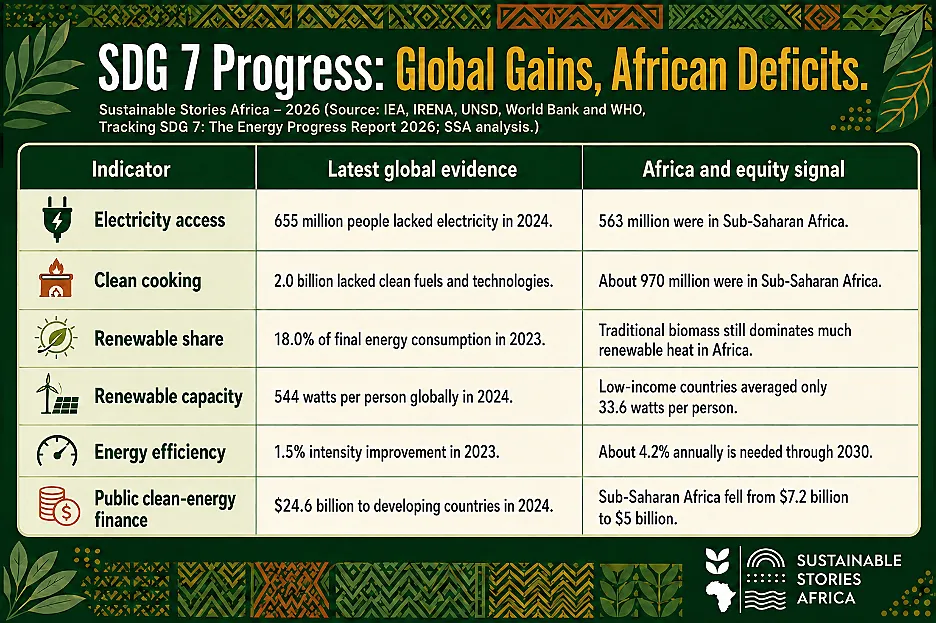
The 2026 Energy Progress Report shows a world adding renewables while universal access slips further away: 655 million people lacked electricity in 2024, and 2 billion still depend on polluting cooking fuels.
Sub-Saharan Africa now carries most of both deficits, even as public clean-energy commitments to the region fell from about $7.2 billion to $5 billion in 2024.
Global Progress Hides a Deepening Divide
The world is producing more renewable electricity, installing more clean-energy capacity and using energy more efficiently than it did a decade ago.
However, the defining promise of Sustainable Development Goal 7: affordable, reliable, sustainable and modern energy for all, remains off track because progress is slowest where need is greatest.
Tracking SDG 7: The Energy Progress Report 2026, produced by the IEA, IRENA, UN Statistics Division, World Bank and WHO, presents that contradiction in one dashboard.
Between 2015 and the latest reporting years, the number of people without electricity fell from 958 million to 655 million; those without clean cooking fell from 2.7 billion to 2 billion; renewable energy's share of final consumption rose from 15.6% to 18%; and renewable capacity more than doubled from 248 to 544 watts per person.
Those global gains are real. Their distribution is not. Sub-Saharan Africa contained 563 million of the 655 million people without electricity in 2024.
Population growth is outpacing new connections in parts of the region, while affordability, weak utilities, scarce finance and fragile institutions slow progress even where technology costs have fallen.
Electricity Access Has Reached a Plateau
Global electricity access stalled at 92% in 2024.
- Reaching universal access by 2030 would require the annual pace to more than triple to 1.35%.
- The top 20 deficit countries accounted for more than three-quarters of those lacking electricity, and 18 were in Sub-Saharan Africa.
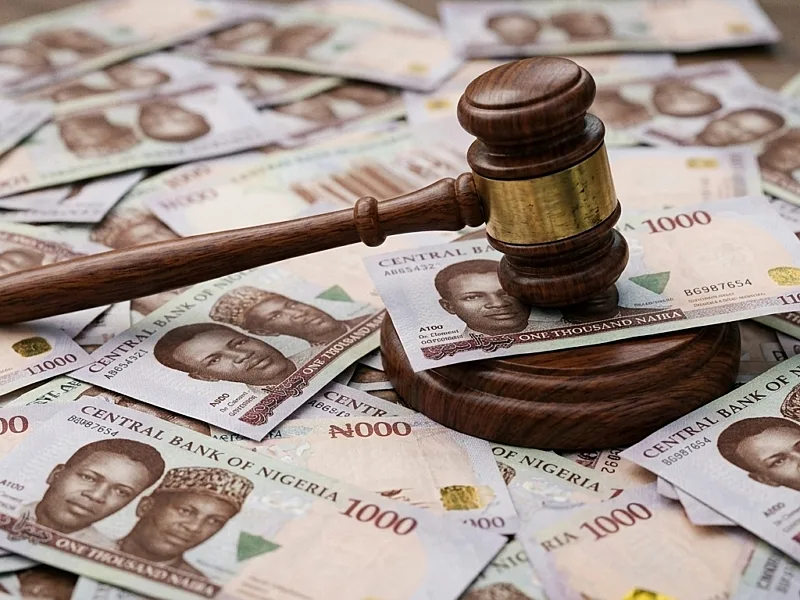
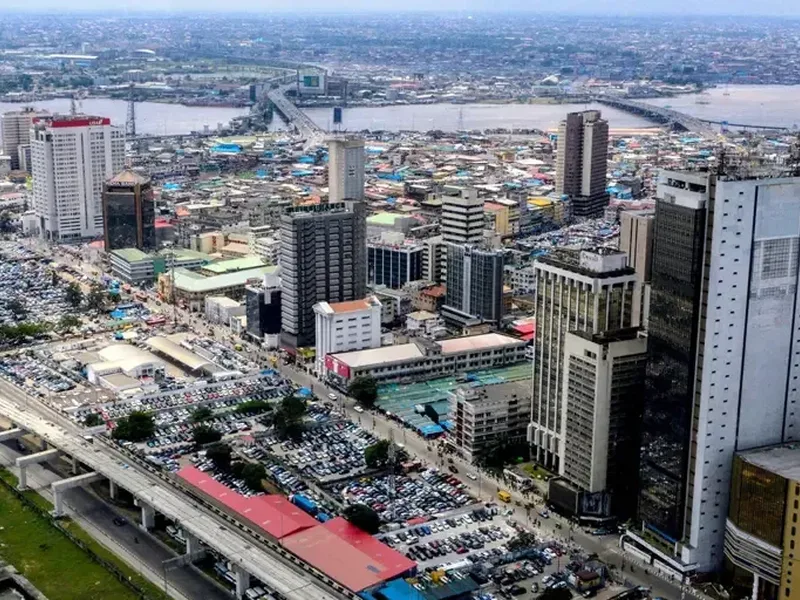
- Nigeria had an estimated 87 million people without access, the Democratic Republic of Congo 85 million and Ethiopia 57 million.
The regional divergence is striking.
- Central and Southern Asia reduced its share of the global deficit from 36% in 2010 to 3% in 2024.
- Sub-Saharan Africa moved in the opposite direction.
- It was the only region where the rural deficit expanded, rising from 376 million to 447 million people between 2010 and 2024.
A connection also does not guarantee useful service.
- Many households face unreliable or unaffordable electricity.
- Only 22% of households without access earn enough to meet the monthly payment required for basic service, according to the report.
- Least-cost planning therefore needs connection subsidies, lifeline tariffs, pay-as-you-go finance, cross-subsidies and social protection, supported by regular affordability testing.
Clean Cooking Remains the Larger Crisis
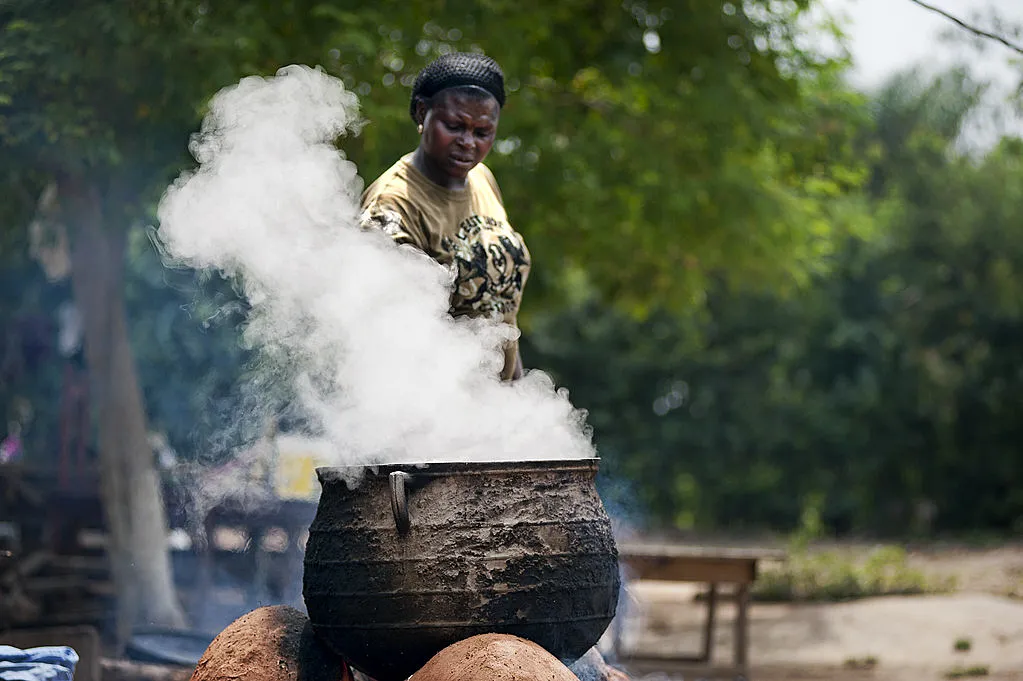
According to the report, approximately 75% of the global population primarily used clean fuels and technologies for cooking in 2024, leaving roughly 2 billion people dependent on polluting alternatives.
On current trends, access may reach only 79% by 2030, with 1.8 billion people still excluded.
- Sub-Saharan Africa accounted for approximately 970 million people without clean cooking and could reach 1 billion by 2027.
- Rural areas accounted for 1.5 billion of the global 2 billion deficit.
- Public institutions are part of the problem: schools, hospitals, clinics and prisons can still depend on polluting fuels even though their predictable energy needs make them strong candidates for electric cooking, biogas or LPG transitions.
The health, gender and productivity costs are intertwined.
- Time spent gathering fuel, exposure to household air pollution and pressure on biomass resources reinforce poverty.
- Clean cooking policy must therefore connect energy, health, climate, agriculture, gender and social protection rather than treating the stove as a standalone consumer product.
Renewables Grow Faster Than Inclusion Improves
Renewables supplied 18% of global total final energy consumption in 2023.
- More than 30% of electricity consumption came from renewable sources, and combined solar and wind consumption was five times its 2013 level.
- However, heat and transport lag, and almost half of renewable heat still came from traditional biomass, concentrated overwhelmingly in Sub-Saharan Africa and Asia.
Capacity inequality is equally sharp.
- The global average reached 544 watts of renewable generating capacity per person in 2024.
- High-income countries averaged 1,224 watts and upper-middle-income countries 808 watts, compared with 117.4 watts in lower-middle-income countries and 33.6 watts in low-income countries.
Energy efficiency also slowed.
- Global energy intensity improved by 1.5% in 2023, down from 2.4% a year earlier.
- The average annual improvement needed for 2024-2030 is about 4.2%.
- Efficiency is one of the fastest ways to reduce bills and system strain, but it requires standards, enforcement and finance for buildings, appliances, transport and industry.
Finance Flows Miss the Greatest Need
International public finance for clean energy in developing countries reached at least $24.6 billion in 2024, slightly above $24.4 billion in 2023.
Commitments to least-developed countries fell 11% to $3.7 billion. Sub-Saharan Africa's commitments declined from about $7.2 billion to $5 billion after three years of growth.
The financing structure is also restrictive.
- Debt-based instruments represented about 80% of flows.
- Standard loans accounted for $14.4 billion
- Concessional loans totalled $4.8 billion.
- Grants rose to $3.3 billion, or 13% of the total
- Guarantees and credit lines reached $1.1 billion but were used in only six recipient countries.
This is a geographic and risk-allocation failure.
- Least-developed, landlocked and small-island developing states together received less than 30% of public clean-energy flows despite accounting for about two-thirds of the people without electricity.
- Finance is not merely insufficient; it is not reaching the places where additional concessionality and risk absorption are most necessary.
Africa Needs Affordability, Scale and Coordination
Governments need integrated electrification plans that combine grids, mini-grids and standalone systems, backed by geospatial data and clear institutional responsibility.
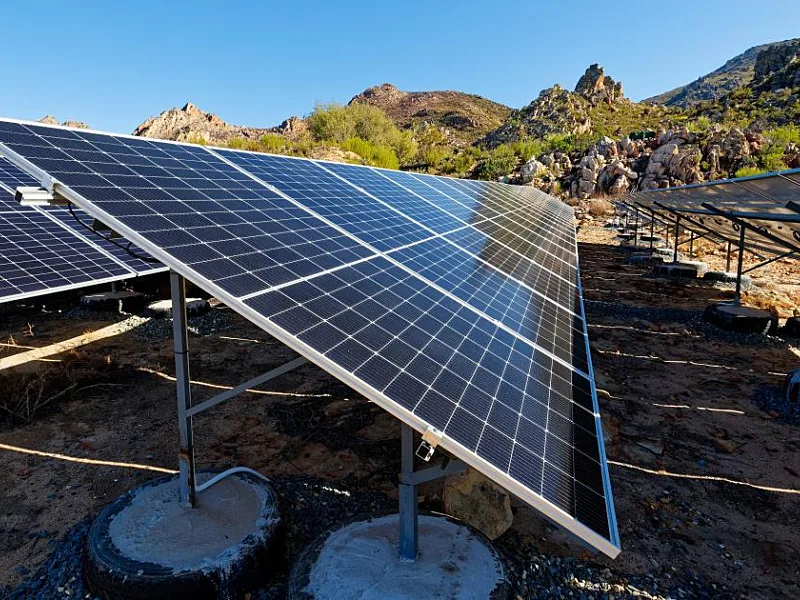
- Distributed renewable energy can connect health facilities, schools, farms and enterprises more quickly, but tariffs and financing must support both household affordability and sustainable operators.
- Development partners should increase grants, concessional capital, guarantees and local-currency instruments for high-deficit countries.
- Clean-cooking strategies need national targets, consumer finance, public-institution programmes and reliable fuel or electricity supply.
Energy-efficiency standards can reduce the amount of new generation households and businesses must pay for.
Productive use is the bridge between access and financial sustainability.
- Power for irrigation, refrigeration, processing, workshops and digital services can raise incomes and strengthen demand, improving the economics of networks and mini-grids.
- Programmes should therefore coordinate appliances, enterprise finance, training and market access with electricity delivery, while ensuring women-owned businesses can participate as customers, operators and suppliers.
The report's 2030 outlook is a warning: around 645 million people could still lack electricity, 85% of them in Sub-Saharan Africa, while 1.6-1.8 billion could remain without clean cooking.
Closing the wider transition gap requires between $3 and $5 trillion in annual energy transition investment by 2030, compared with about $2.2 trillion today.
Path Forward – Put Access First Again
SDG 7 policy must judge success by who gains affordable, reliable service, rather than by global capacity additions.
Africa's access deficit should become a central test for the allocation of public finance.
The immediate priorities are concessional capital, affordability measures, integrated planning, clean-cooking delivery and productive-use investment.
Without them, a faster global transition can still leave the energy-poor behind.