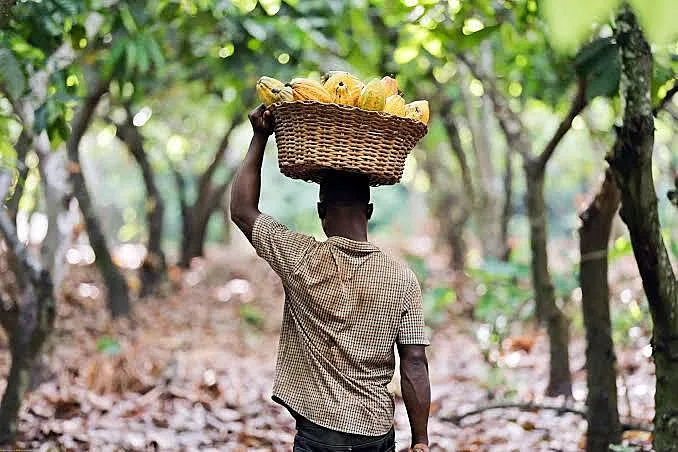
Africa’s food businesses face two pressures at once. More than 307 million people faced hunger in 2024, according to a UN assessment, while degraded land and fisheries can undermine future supplies.
Evidence from Ghana’s cocoa sector and East African pastoral areas shows how buyers and lenders can design investments around production, livelihoods and ecosystem condition.
Food Security Begins Where Production Happens
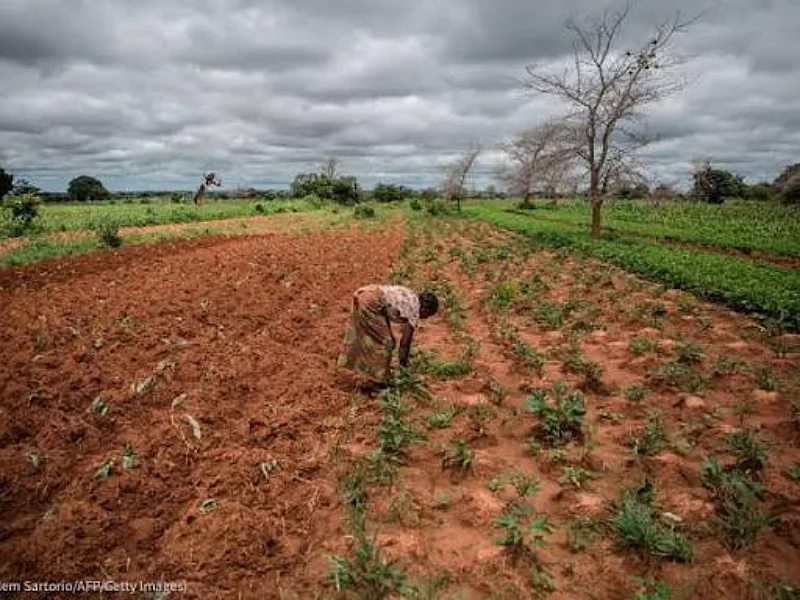
In Ghana’s cocoa belt, a buyer may know how many tonnes it bought long before it knows the condition of the forest next to the farms that supplied them.
- That information gap can make an apparently successful purchasing season hard to interpret.
More supply may come from better harvests or from bringing new land into cultivation, with very different implications.
This Sustainable Stories Africa special on nature’s business draws on The Little Book of Nature Business, the 2026 Global Canopy publication by John Tobin-de la Puente and Andrew W. Mitchell.
- Chapter four examines crop, livestock and seafood production and food processing, looking for changes that preserve the ecosystems these activities depend on.
For African food companies, the question is how to increase reliable supplies and retain value locally while protecting soil, water and habitat.
The answer varies by product.
- A cocoa cooperative needs different incentives from a fish landing site or a pastoral group, even if all three benefit from reliable markets and finance.
Hunger Raises the Stakes for Producers
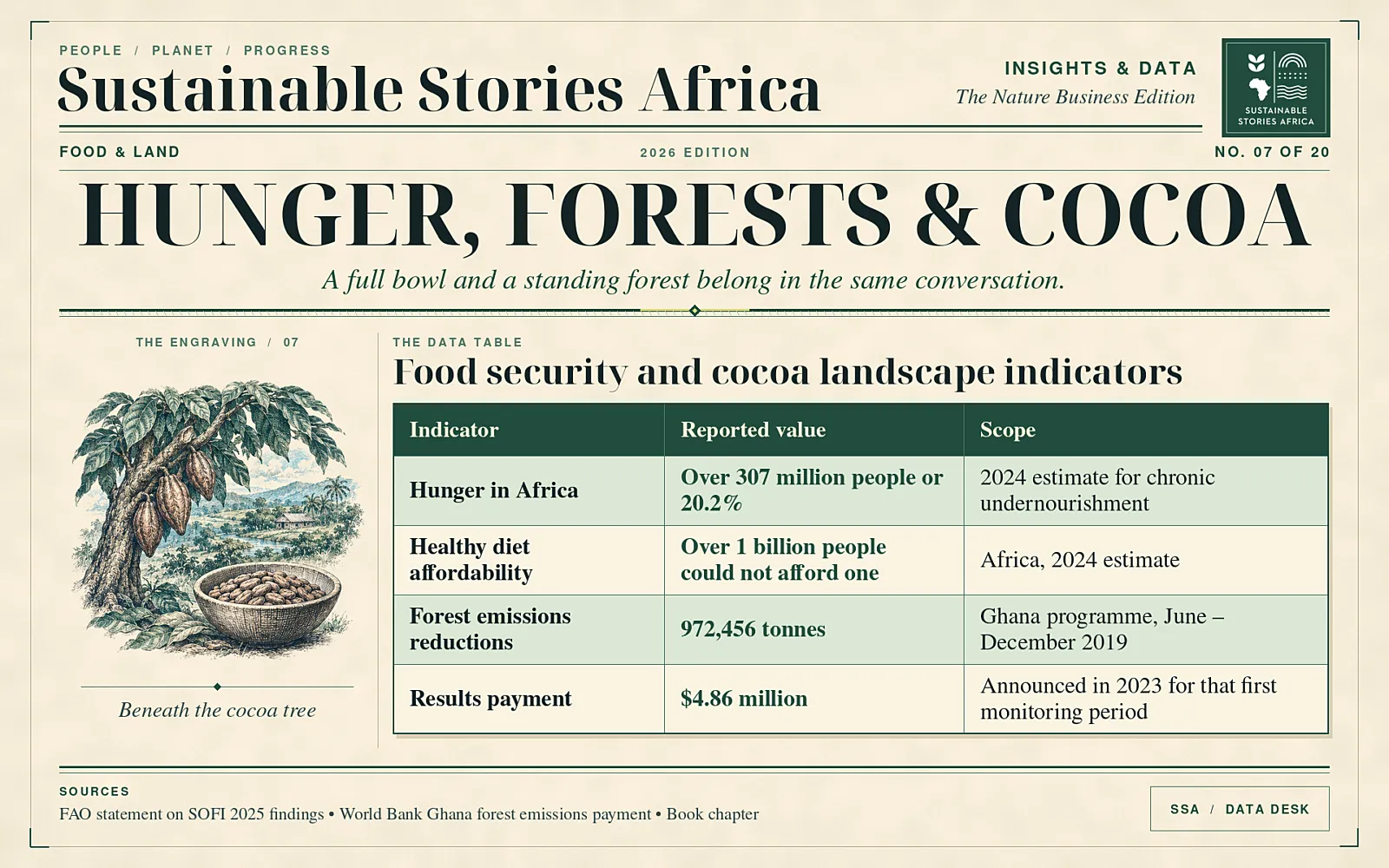
The UN’s 2025 food security assessment estimated that more than 307 million people in Africa experienced hunger in 2024, about one in five.
- More than one billion people on the continent could not afford a healthy diet.
- The figures describe different problems.
- Chronic undernourishment is estimated from dietary energy access, while affordability reflects what a healthy diet costs relative to resources.
They show why higher output alone is a limited measure of food-system success.
In Ghana, the World Bank reported a $4.862 million payment for 972,456 tonnes of emissions reductions under the Cocoa Forest REDD+ programme’s first monitoring period, from June to December 2019.
- The payment, announced in 2023, shows that verified forest emissions reductions can attract funding.
- A carbon result establishes the programme’s performance under that metric. Forest condition, species recovery and the distribution of income need their own evidence.
This difference should shape a buyer’s risk analysis.
- A company may keep deliveries steady by purchasing from more districts, but broader sourcing can make conversion and labour conditions harder to verify.
- A household may improve farm earnings while facing higher food prices or spending more time travelling to grazing areas.
Supply-chain resilience has more meaning when the firm tracks who is absorbing those costs and which sources are becoming more vulnerable over time.
Measure Farm Output and Landscape Pressure
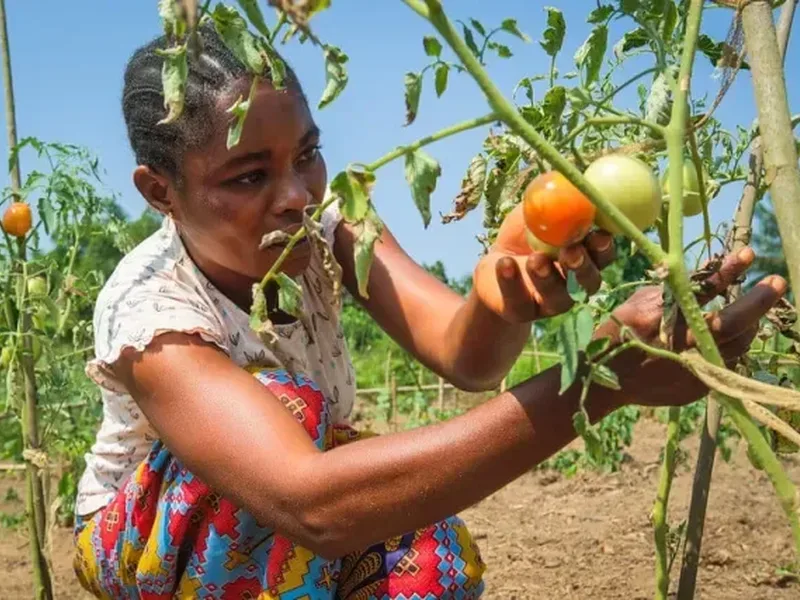
Cocoa agroforestry can diversify the farm and improve shade, but its performance depends on tree selection, management and local conditions.
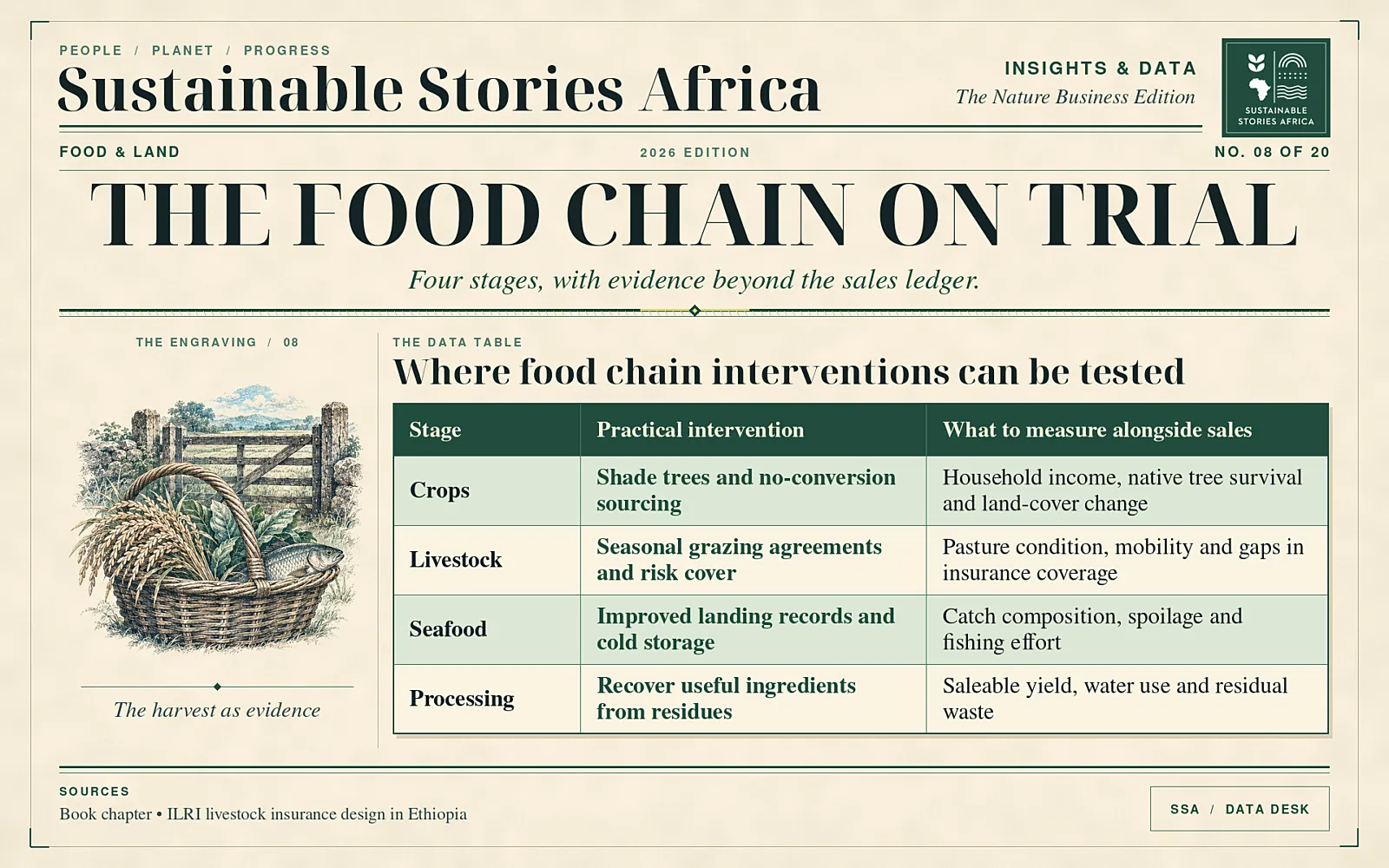
- A buyer can fund advice and nursery stock while comparing farm income and cocoa output against previous seasons.
- It can also monitor whether farmers maintain existing forest and whether expansion moves into other locations as demand rises.
Rangelands offer a different test.
The chapter cites participatory grazing initiatives in Kenya and Tanzania that report improvements in pasture condition.
- Such feedback can reveal how people use a landscape and where pressures change.
- Repeated field measurements of ground cover and vegetation, together with checks on seasonal access, can help distinguish changes due to grazing decisions from changes driven by rainfall or restricted mobility.
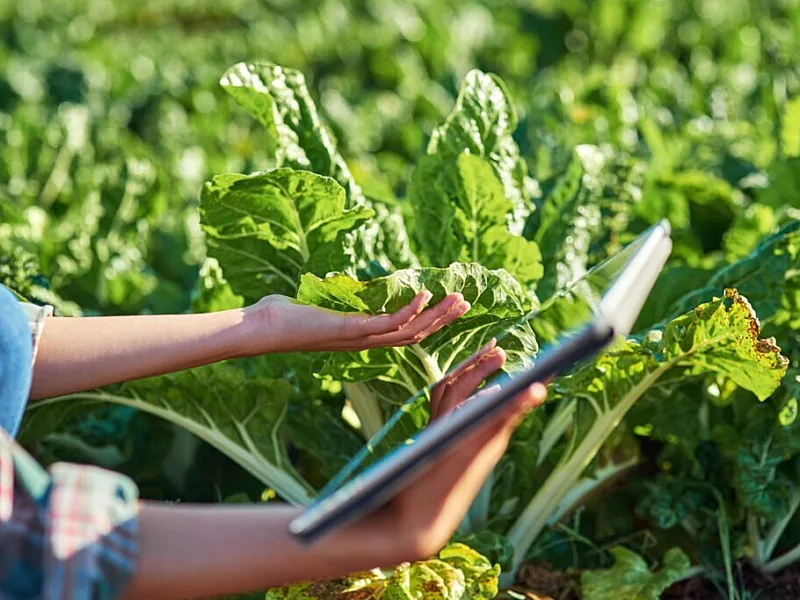
The chapter’s approach to crops includes cover crops, biological inputs and precision application.
- A cooperative can trial these approaches at a scale its members can afford and compare labour, input spending and yields over multiple seasons.
- A biological input that performs well in one set of soils may disappoint elsewhere.
Including the cost of advice, storage and reliable supply gives farmers and lenders a better basis for deciding whether a change is commercially repeatable.
Value Can Grow Without More Land
The chapter also looks beyond the farm gate.
- Selling ingredients from discarded cocoa pulp or improving cold storage for fish can generate more value from what has already been harvested.
- Neither measure automatically relieves ecosystem pressure.
- More efficient processing can make expansion attractive, so procurement contracts need rules for sourcing and an independent way to check whether total pressure changed.
In livestock, weather-related insurance can help protect herders’ finances when forage fails.
- The International Livestock Research Institute’s Borana design in Ethiopia links payouts to an area-level satellite vegetation measure.
- Such an index can make coverage feasible where individual assessments are costly.
- Because the trigger measures an area, an individual household can lose without receiving a payout.
That gap matters when the policy is sold and when its social value is assessed.
Seafood makes the feedback loop especially clear.
- Better ice and handling can reduce the share of landings lost before sale.
- If revenues rise, more vessels or longer trips can follow unless management keeps fishing pressure within agreed limits.
- A processor can support records at landing sites and distinguish value retained through less spoilage from value earned by catching more fish.
Fishers and market traders should help choose measures because they experience changes in catch composition and seasonal access directly.
Buyers and Banks Can Share Costs
Exporters, retailers and processors can pair longer purchasing agreements with technical support and clear sourcing rules.
Banks can align repayment with harvest or sales cycles and release funds for verified infrastructure or practices.
Public agencies can help monitor compliance across supply chains and enforce harvest or land conversion rules.
The parties should also record who owns farm-level data and how farmers can correct errors.
Buyers can make smallholder participation easier by paying for required mapping and verification.
For fisheries, more valuable landings should accompany controls on fishing effort and agreed limits.
Without those conditions, a valuable outlet can increase harvest pressure. The investment case should test consumer affordability and producer income alongside volume and biodiversity.
Namibia uses surveys and commercial fishing data to advise on allowable catches, including for hake.
- Processors can support the system by verifying legal landings and adjusting orders when limits change.
- The aim is to protect the fish stocks that depend on processing jobs.
A monitoring budget should account for participation by smaller farms, women involved in processing and traders without formal contracts.
- Setting criteria based only on the best documented suppliers can produce an impressive compliance percentage while shifting purchases away from households that need investment.
Buyers can report share of total verified sourcing, and how much assistance suppliers received to meet the standard.
Path Forward – Follow the Food and the Money
Choose one sourcing area and measure improvement for producers and the ecosystem.
Publish who pays for the transition and whether suppliers can participate on reasonable terms.
Expand only after field evidence shows that stronger revenues can coexist with lower pressure on land or water.
Check the landscape beyond the first participating farms.