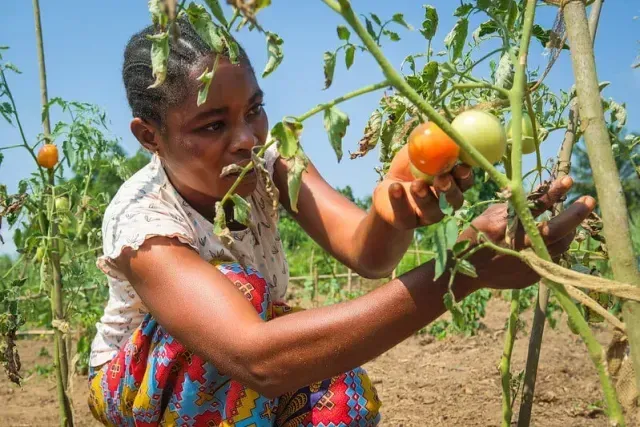
Eastern Africa’s rural adaptation facility combines local bank capital, development finance and technical assistance.
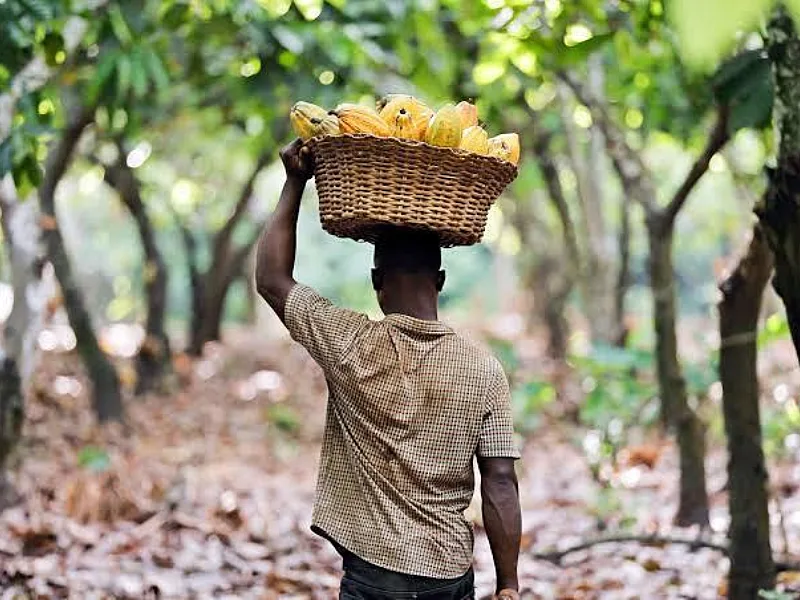
Ghana and Côte d’Ivoire offer another route through collaboration between cocoa buyers and governments.
The examples show how rules, finance and demand can work together, and where reported activity still needs independent checks of outcomes.
A Viable Practice Needs Market Support
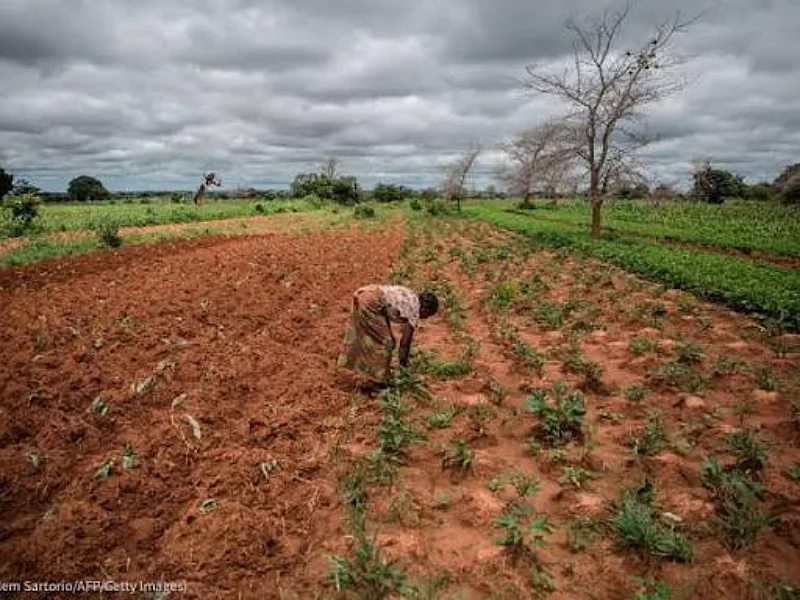
A farmer considering a new practice faces immediate costs.
- Seedlings, training and extra labour can require cash well before the farm sees any benefit.
Buyers may want a steadier supply and banks may see a long-term opportunity, but both can wait. The household deciding whether to take the risk often cannot.
This Sustainable Stories Africa special on nature’s business draws on The Little Book of Nature Business by John Tobin-de la Puente and Andrew W. Mitchell, published by Global Canopy in 2026.
- Its ninth chapter examines what can speed adoption across value chains, including policy, investment, infrastructure, technology and changes in what buyers demand.
The lesson for African markets is that promising pilots need a route into ordinary business decisions.
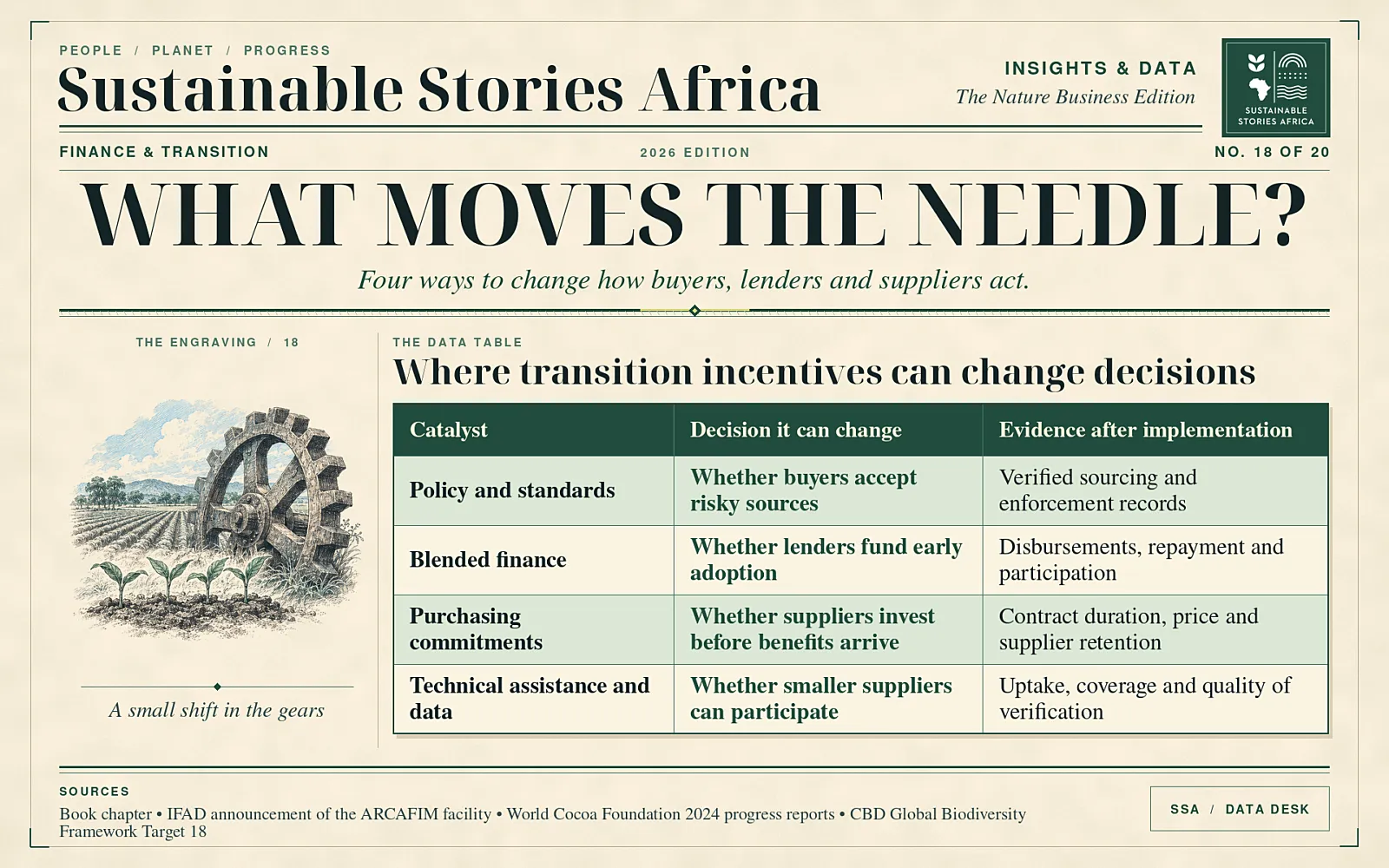
- A regulation can provide a clear incentive.
- A credit line can cover the cost of changing practice.
- A buyer can keep demand predictable.
Combining them makes it easier for small suppliers to participate and for lenders to assess performance.
Blended Finance Can Share Transition Risk
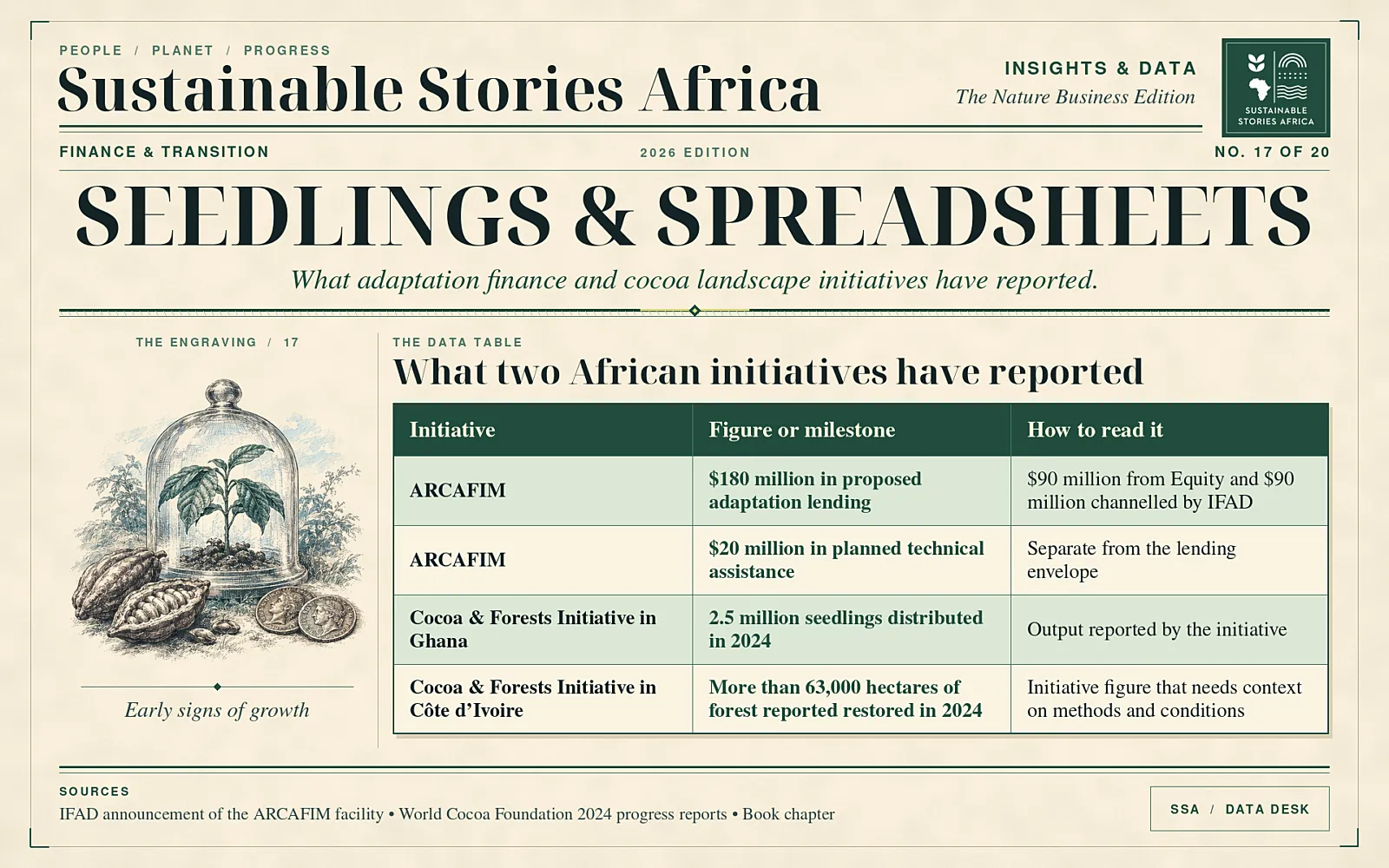
The International Fund for Agricultural Development designed the Africa Rural Climate Adaptation Finance Mechanism with Equity Bank Kenya and affiliates in Rwanda, Tanzania and Uganda.
- At launch, IFAD described a $180 million adaptation lending facility, split equally between its channelled funding and Equity’s contribution, with an additional $20 million planned for technical assistance.
- The amounts describe the facility’s design and planned resources.
Actual disbursement, repayment and ecological results require separate reporting.
The pairing matters because credit alone may fail where borrowers need advice, data or help preparing applications.
- Technical assistance can help banks develop suitable products and help suppliers adopt a practice and document its effects.
- The facility is focused on climate adaptation.
- A loan under it would need explicit ecosystem criteria and evidence before it could support a biodiversity claim.
Loan terms can determine whether the facility works for a producer.
- A farm may need money before planting and earn most of its revenue during a short harvest period.
- Repayments based on regular monthly income can make a technically sound investment difficult to carry.
- Banks can use assistance to design products that fit those cycles and evaluate applications from borrowers with less formal records.
Better access still depends on whether the investment produces enough income under realistic weather and price conditions.
Farmers Need Credit and Credible Demand
In Ghana and Côte d’Ivoire, the Cocoa & Forests Initiative brings governments and companies together around forest protection and cocoa production.
- In 2024, the World Cocoa Foundation reported the rollout of Ghana’s national cocoa traceability system and distribution of 2.5 million seedlings.
- It reported more than 63,000 hectares of forest restored in Côte d’Ivoire.
These are initiative-reported figures with different units and methods.
- Distribution can be checked quickly, while survival, forest recovery and household effects take longer to assess.
Traceability can identify cocoa origins and show where verification is needed.
- However, if mapping and proof become costly for small farmers, a purchasing requirement can exclude suppliers with little capacity to comply.
- An effective programme helps pay for the transition, allows people to correct records and checks changes beyond the mapped plots.
- The terms should also reflect whether farmers can benefit from protecting trees over several harvests.
Cooperation between the two cocoa origins can help buyers use standardised evidence while maintaining locally relevant measures.
- A shared reporting approach could distinguish seedlings delivered, trees established, changes in shade and changes in forest condition.
- It could also clarify whether a reported hectare is a farm under a new practice or an area of degraded forest under restoration.
Comparable definitions would help lenders judge whether a proposed expansion is based on repeatable performance.
Reliable Demand Can Bring Investment Forward
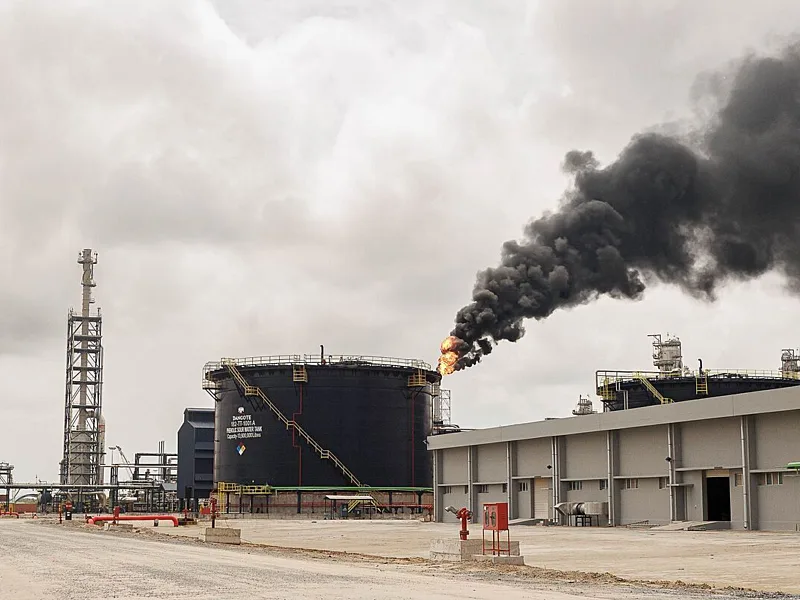
The same logic applies to construction, energy and water.
- Public buyers can publish material and site requirements before tendering and offer contracts long enough for suppliers to invest in testing, machinery or training.
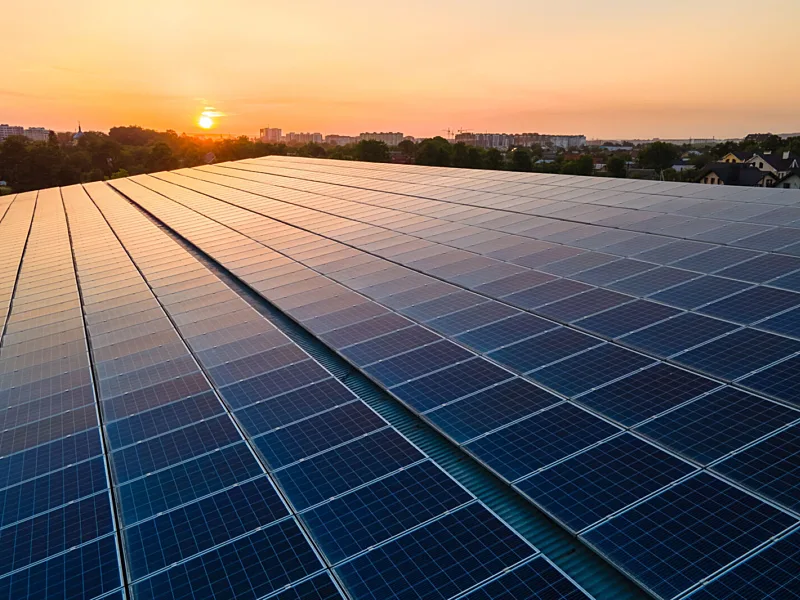
- Utilities can use their buying power to require defined standards in the equipment and services they purchase.
A bank can then assess investment against expected revenue sources and a measurable obligation.
Technology can lower the cost of verifying progress.
- Satellite images can help identify changing land cover.
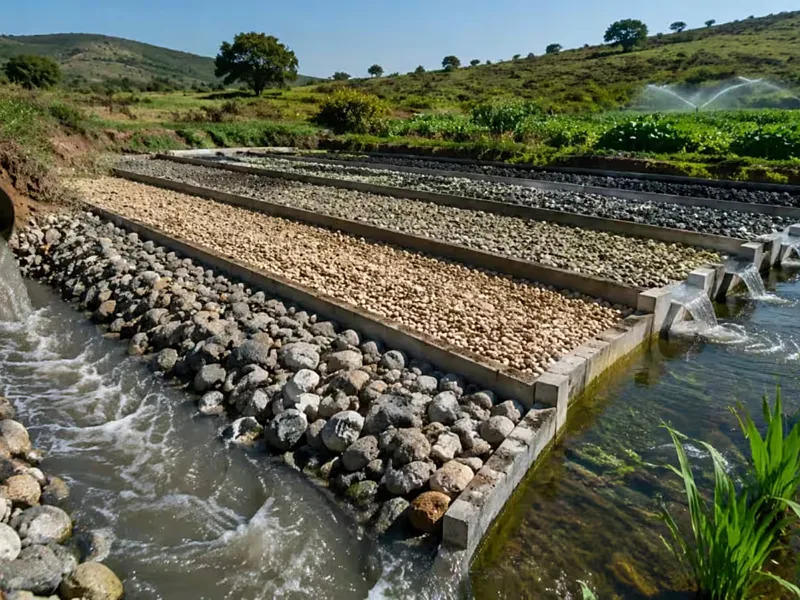
- Digital meters can show where water is lost.
- Their value depends on ground checks, suitable data rights and people authorised to act on the findings.
If a buyer commissions a tool, the contract should identify who maintains it after initial funding ends.
Policy can also help where buyers want a change but cannot capture all its benefits.
- A farm that reduces runoff may help a public utility and neighbours who buy nothing from the farm.
- Public co-financing can be justified when those spillovers are material, and the practice would otherwise be unaffordable.
The policy should identify the beneficiary, assess whether the payment changes behaviour and end support when normal commercial terms can sustain the practice.
Pair Each Incentive With a Check
A government can choose one value chain, identify the decision that pressures nature, and test an incentive that changes it.
Lenders can design repayment around the timing of benefits.
Buyers can support uptake through longer contracts or by sharing verification costs.
Sector groups can agree on a baseline and publish results in terms that farmers, suppliers and communities can scrutinise.
An evaluation should separate the new activity from what would probably have happened anyway.
- It can compare which suppliers changed practice, whether public support reached those unable to finance the transition, and whether pressure moved to other sites.
- This is how a promising pilot becomes evidence for expanding a programme.
Some incentives may move activity to a less regulated market.
- A cocoa buyer can ask how suppliers sell production outside its monitored chain.
- A city can check whether restrictions at a licensed extraction site redirect purchasing to another source.
Regulators and buyers can share information about the receiving areas and follow up through field checks.
This makes it easier to distinguish a change in ecosystem pressure from a change in who recorded it.
Path Forward – Make the Next Pilot Worth Repeating
Pair a measurable production change with a buyer, a financing channel and a way to verify effects. Share the cost of compliance with the suppliers expected to change.
Publish uptake, lending and ecological measures separately. Use them to decide which incentives should continue and which need redesign.