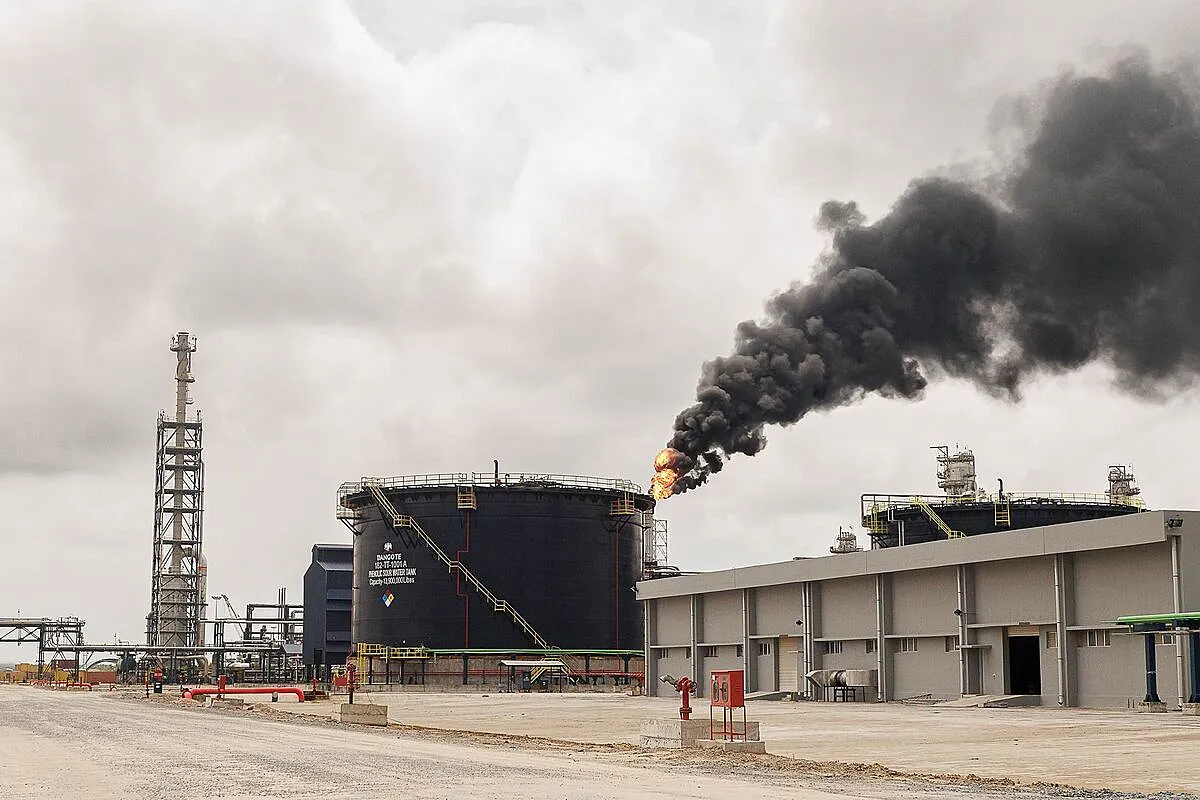
Batteries, medicines and clothing all rely on value chains that can put pressure on land and water.
African producers and buyers can change some of that pressure at individual production stages.
The evidence from Ogoniland and cobalt supply shows why cleanup, traceability and benefit sharing call for different measures.
Four Industries Share Rivers and Landscapes
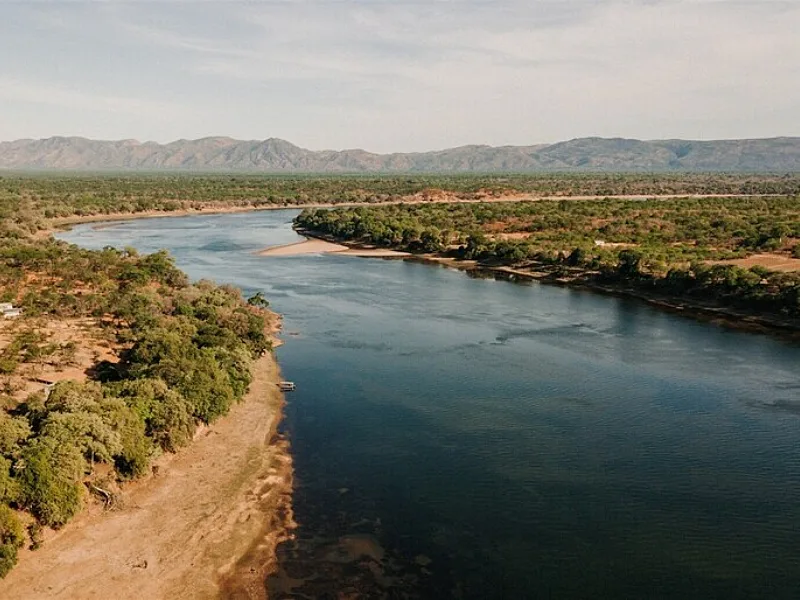
A river can receive runoff from a mine, effluent from a factory and sewage from the surrounding town.
- Each operator may be assessed separately while communities experience the combined effects.
A credible strategy has to consider individual sources and what happens when their pressures accumulate.
This Sustainable Stories Africa special on nature’s business draws on The Little Book of Nature Business by John Tobin-de la Puente and Andrew W. Mitchell, published by Global Canopy in 2026.
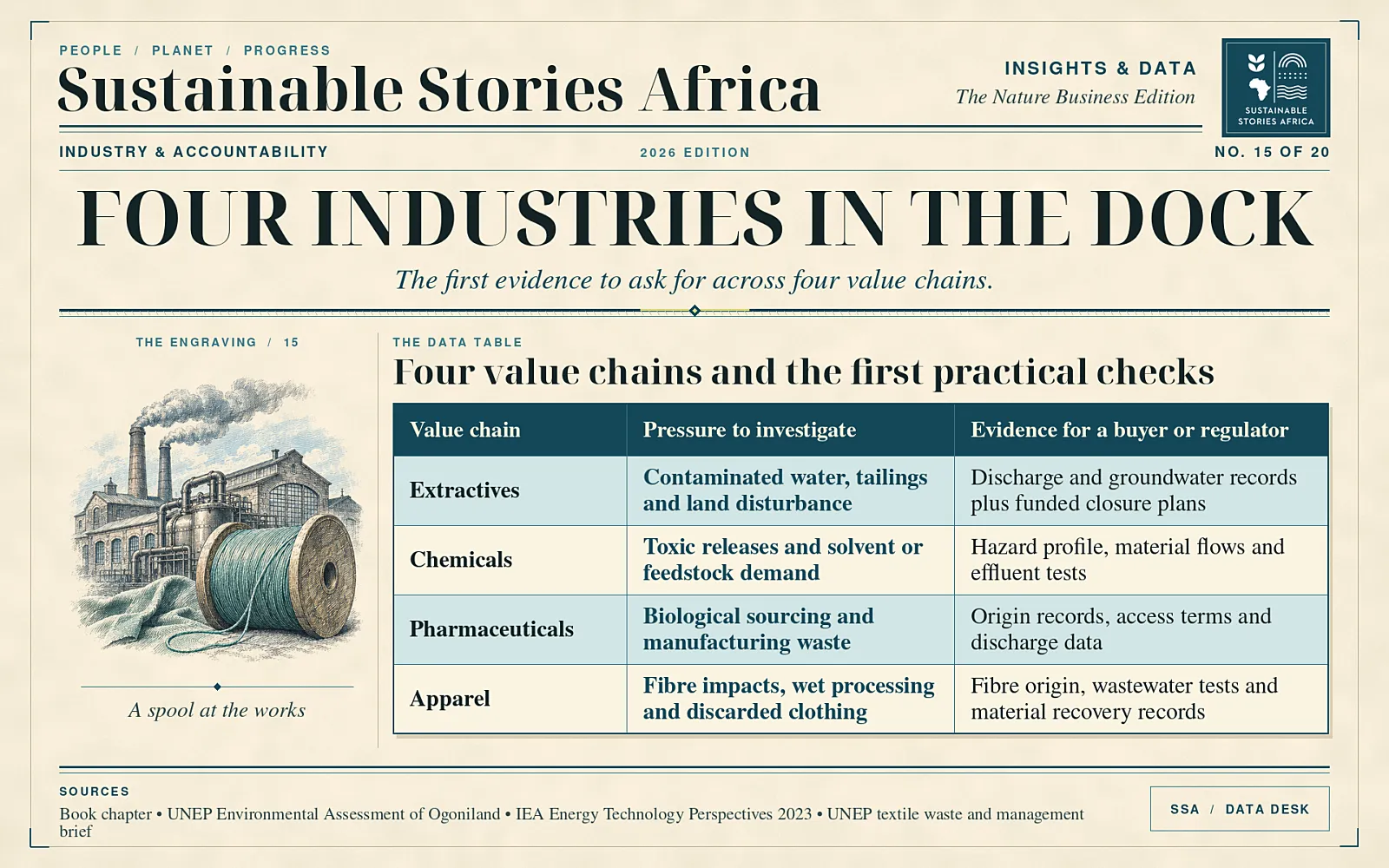
- Chapter eight examines extractives, chemicals, pharmaceuticals and apparel.
- It tracks pressures from sourcing and processing to waste and looks for changes that can reduce them.
For African suppliers, the transition can generate business for water-treatment firms, repair enterprises, testing laboratories and producers of safer inputs.
- It also creates obligations that should be visible in contracts.
The party responsible for pollution or unsafe waste handling should be identifiable before a plant expands or a buyer adds a new supplier.
Exposure Can Outlast the Original Operation
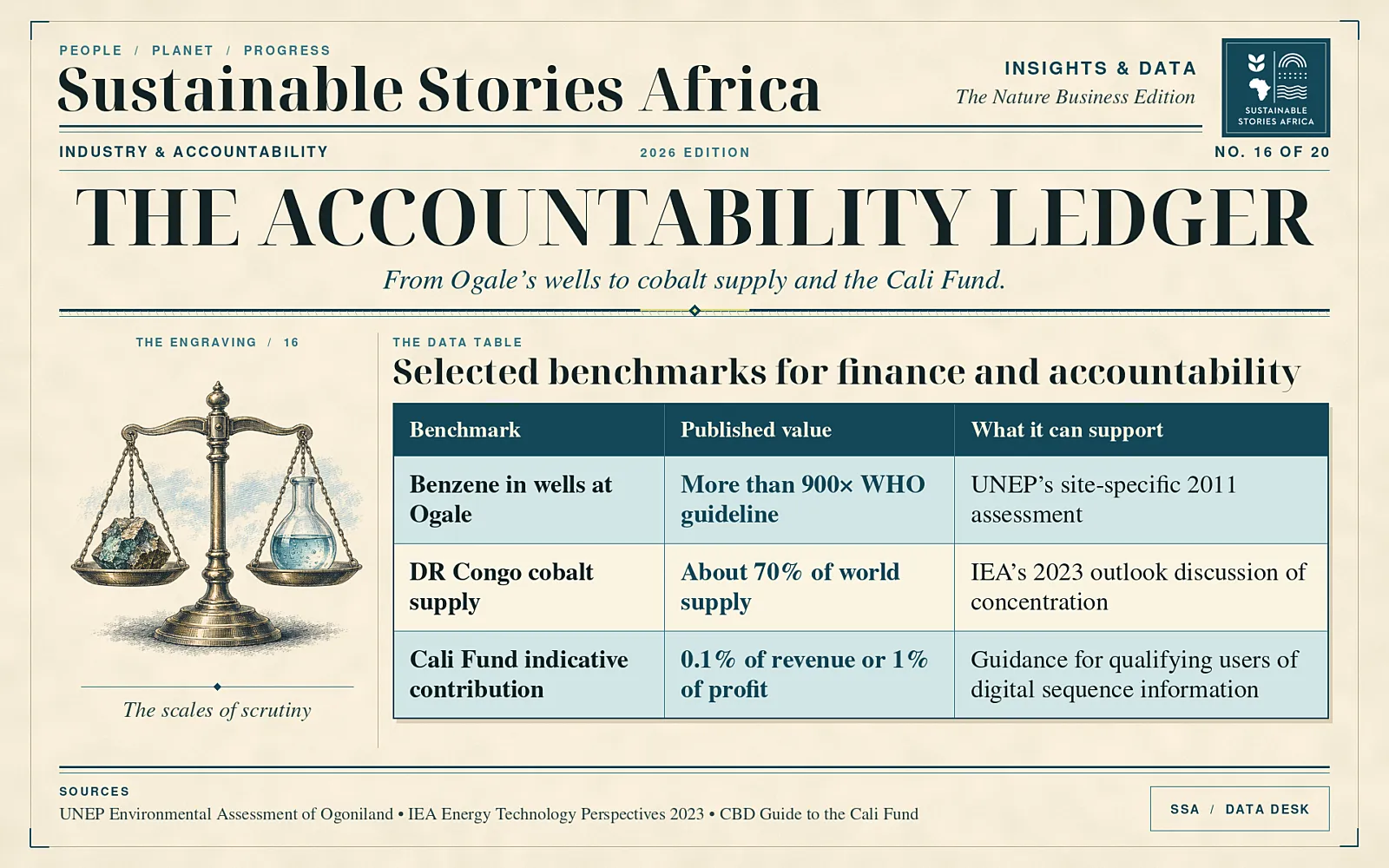
In Nigeria, UNEP’s 2011 Ogoniland assessment documented extensive oil contamination and measured benzene in wells at Ogale at more than 900 times the World Health Organisation guideline.
- The finding is a historic result for a particular location and pollutant.
- It demonstrates the scale of exposure that can follow failures in production and remediation and the need to track water and health safeguards over time.
A different strategic exposure appears in the Democratic Republic of the Congo.
The International Energy Agency’s 2023 technology outlook put the country’s share of global cobalt supply at around 70%, based on its discussion of supply-chain concentration and 2021 data.
- Low-carbon technologies can increase demand for minerals.
- That commercial value gives downstream purchasers a reason to examine how production affects freshwater, land and livelihoods.
The book distinguishes extraction of non-renewable resources from specific activities that can reduce its impacts or restore affected areas.
This matters when finance is labelled.
- A contract for safely treating a waste stream can have its own environmental results and repayment source.
- Financing for higher mine output carries different risks and should be described separately.
Treating the two as one proposition can hide how much pressure the wider operation creates and whether the cleaner process is used at enough sites to change it.
Assess the Pressure at Each Process
The book treats mine water recycling, greener chemical synthesis and fibre recovery as specific interventions.
- Recycling water can lower withdrawals while producing a concentrated waste stream that still requires safe handling.
- A bio-based ingredient can reduce reliance on fossil inputs but can bring land pressure if feedstock sourcing expands.
- A substitute’s effects need comparison with the process it replaces, including at suppliers.
Accra’s Kantamanto market shows another part of the apparel chain.
- Repair, resale and sorting can extend clothing use and support livelihoods.
- Where the incoming material is poor quality, local traders and waste services can bear the disposal cost.
- A circular business case needs to account for the share that can be reused, how much repair adds to value, and who pays to deal with unusable goods.
The same boundary applies to chemical substitutes.
- A manufacturer considering a less hazardous surfactant can ask whether the substitute breaks down under the conditions of the receiving environment and what concentrations are likely to reach it.
- Industrial and municipal wastewater capacity varies between locations.
- A laboratory result under controlled conditions should inform a plant trial and discharge monitoring.
Procurement staff can use both when selecting suppliers and specifying what changes must be reported.
Research Can Share Value With Stewards
Pharmaceutical and biotechnology supply chains can draw on genetic resources, traditional knowledge and digital sequence information.
- The chapter discusses the Cali Fund, the multilateral mechanism for sharing benefits from the use of digital sequence information on genetic resources.
- Its guidance gives indicative contributions for qualifying commercial users.
- Physical access to a biological resource and associated traditional knowledge can require a separate review of applicable rules and agreements.
Researchers and buyers can clarify provenance, permission and benefit sharing before commercialisation.
- A laboratory can keep source records and a procurement team can verify the process behind a supplier’s claims.
- Such measures have more value when affected groups can understand the terms, retain control over sensitive information, and see how any benefits will be distributed.
An African research institution can also retain more value by negotiating rights over data and future use when a project begins.
- Partners can agree who keeps samples, what goes into public databases and how commercial use would trigger a further discussion or payment under applicable arrangements.
- Research ethics, provenance and community participation should be part of the work plan.
Where traditional knowledge contributes to identifying a useful property, the people who hold that knowledge should have a meaningful role in the arrangement. [6]
Contracts Can Make Pollution Costs Visible
Buyers can ask mine and factory suppliers for absolute pollution loads and resource use alongside efficiency measures.
- Where several sites share a catchment, public authorities can coordinate monitoring and publish comparable results.
Lenders can require resources for closure or remediation, independently checked water data and a way for affected people to raise problems between reporting cycles.
Apparel companies can publish the destination of materials they collect and test claims about recycling or biodegradability against local conditions.
Pharmaceutical and chemical manufacturers can compare alternative processes against measured water and solvent use, hazardous releases and product requirements.
- At each stage, a contract should identify who is responsible when environmental performance deteriorates.
Financial assurance is especially important where the harm may persist after sales stop.
- A lender can review whether a mine or factory has resources for closure, monitoring and response even under a downside scenario.
- Procurement teams can check which part of a supplier’s production is covered by an audit and whether they can follow an incident to corrective action.
A test result has the most value when the contract names who must act and when a follow-up result will be available.
Path Forward – Give Buyers and Communities Comparable Evidence
Start with the production step creating the greatest exposure.
Fund a baseline, assign the cost of prevention and response, and let affected people see the information relevant to them.
Use those results to improve the next purchasing or lending decision.
Report the condition of the affected ecosystem alongside any improvement in factory efficiency.