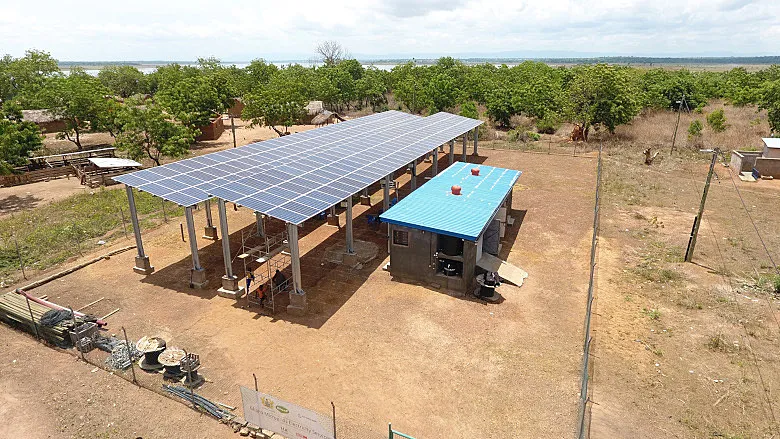
Renewable energy is no longer just about decarbonisation. According to IRENA's 2026 Innovation Landscape report, innovation across technology, finance, regulation and business models is now reshaping how power systems deliver resilience, access and inclusive growth worldwide.
Renewables Power a New Development Era
The global energy transition has reached a decisive phase. Falling renewable energy costs, digital innovation and supportive policies have made clean electricity the more affordable option in most regions.
However, more than 6 00 million people still lack access to electricity, and many more endure unreliable suppl ies, constraining economic opportunities, particularly in emerging markets and developing economies.
According to the International Renewable Energy Agency (IRENA), the challenge is no longer technological feasibility, but how to deploy renewable solutions in ways that deliver energy security, affordability, social inclusion and sustainable development simultaneously.
IRENA's Innovation Landscape for Sustainable Development Powered by Renewables (2026) maps 40 interconnected innovations across technology, business models, regulation and system planning.
Together, they form a practical "innovation toolbox" designed to help countries build resilient power systems, expand energy access and advance inclusive local development.
The message is clear: the energy transition must be systemic, people-centred and tailored to local realities, not a one-size-fits-all blueprint.
Innovation Must Serve Real Lives
Renewables are reshaping the world's power systems faster than any other technology, with solar and wind now among the cheapest sources of electricity in most regions.
However, IRENA is clear: technology alone will not deliver a just transition. Systemic innovation, which includes matching hardware with new rules, markets, operations, and business models, is now the real frontier.
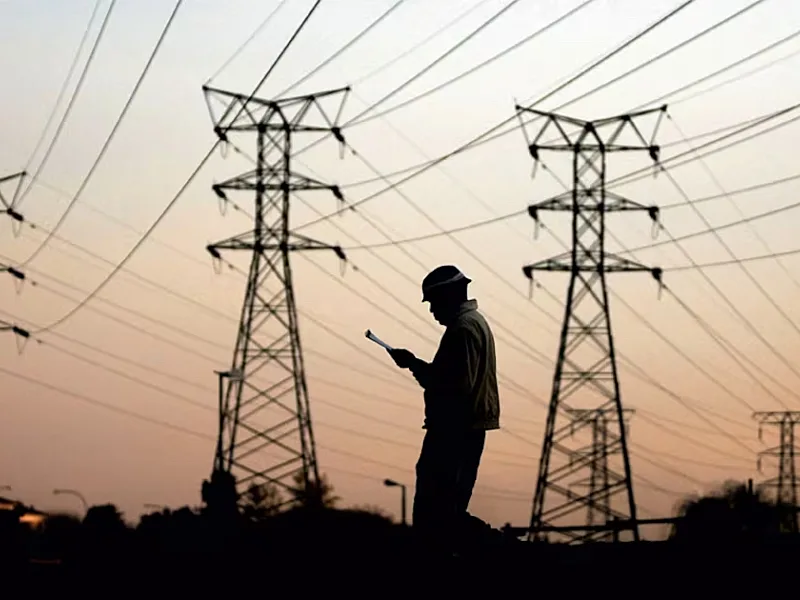
Nowhere is this more urgent than in Africa and parts of Asia, where weak, poorly connected grids are restricting growth, undermining healthcare and education, and pushing small businesses into survival mode.
Climate extremes are turning fragile systems into daily risks. At the same time, decentralised renewables and digital tools are opening a different pathway: mini-grids, rooftop systems, and smart controls that can reach communities long ignored by traditional grid planning.
The core question has shifted. It is no longer a question of whether solar and wind can power economies, but whether governments, financiers, and institutions will deploy them in ways that strengthen resilience and ensure no community is left behind.
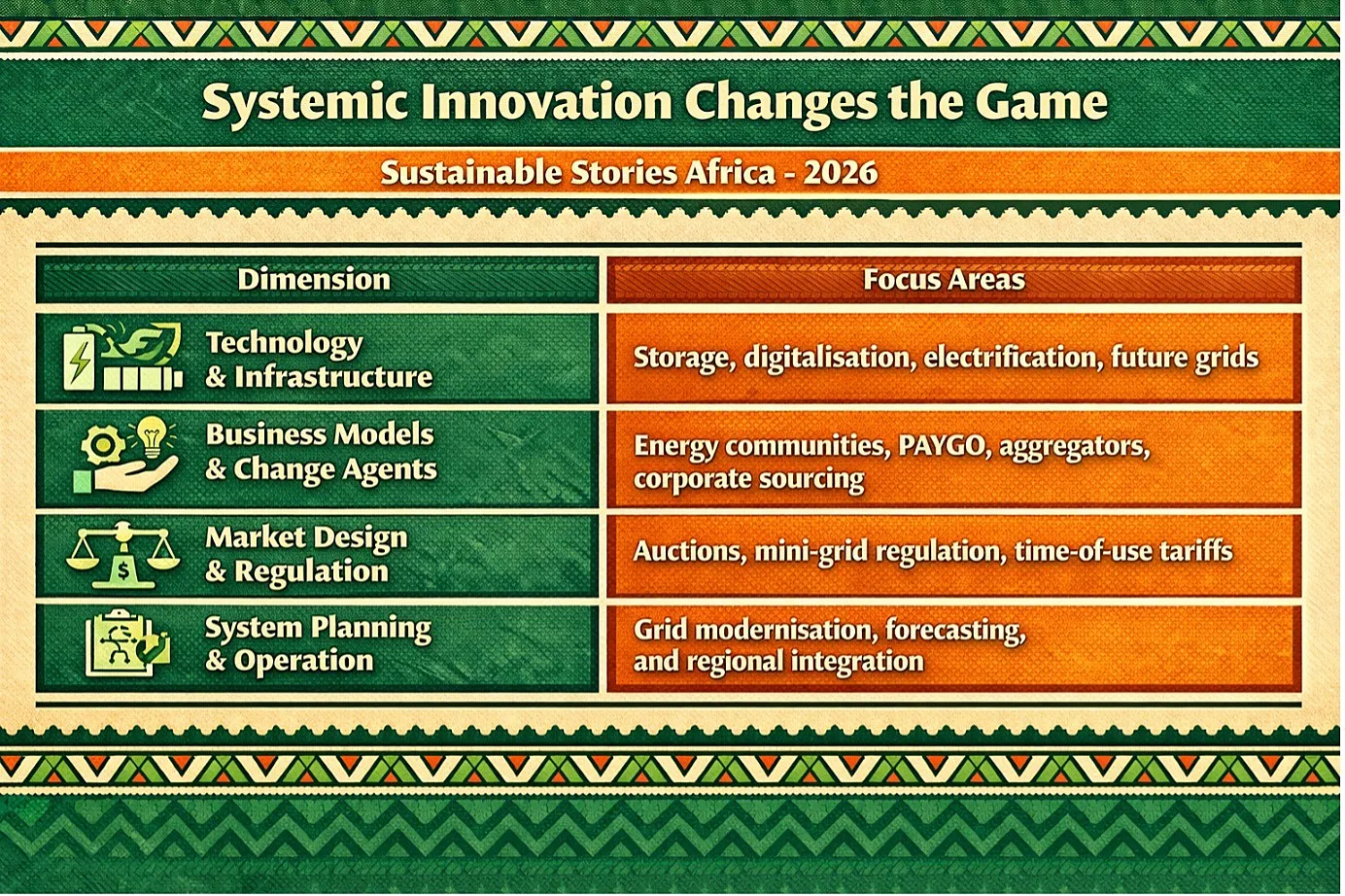
IRENA's report identifies 40 innovations organised across four dimensions:
Systemic Innovation Changes the Game
| Dimension | Focus Areas |
|---|---|
| Technology & Infrastructure | Storage, digitalisation, electrification, future grids |
| Business Models & Change Agents | Energy communities, PAYGO, aggregators, corporate sourcing |
| Market Design & Regulation | Auctions, mini-grid regulation, time-of-use tariffs |
| System Planning & Operation | Grid modernisation, forecasting, and regional integration |
Systemic innovation is best understood as a toolkit, not a checklist. Countries are being urged to integrate grid upgrades, decentralised solutions, and inclusive business models in ways that fit their own energy systems and social realities.
In Malaysia, dynamic line rating provides real-time weather data to improve transmission capacity by 10–50%, thereby eliminating the costs of building new lines. Chile's virtual power plant and battery solutions are unlocking renewable energy opportunities without expensive new line extensions.
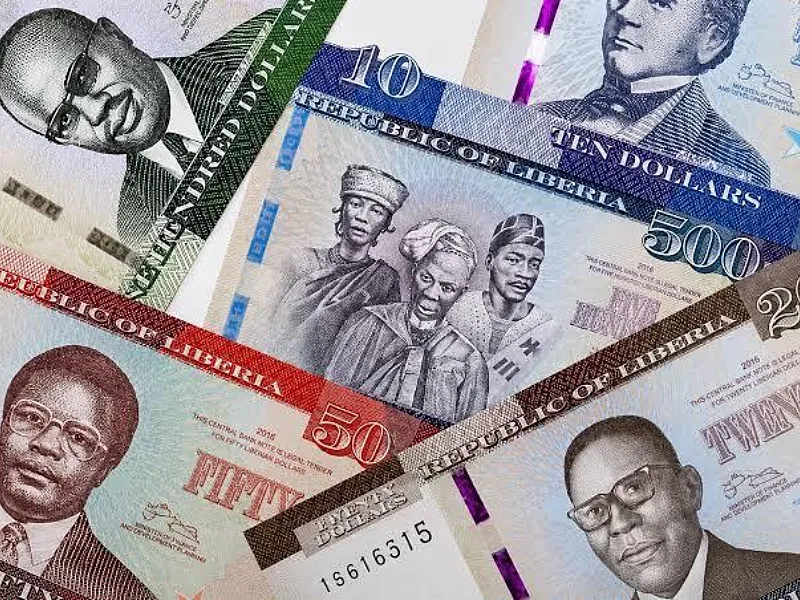
Across Africa, community mini-grids in Kenya, Tanzania, and Senegal are enabling users to become co-owners, and pay-as-you-go solar in Liberia and Sierra Leone has brought affordable power to more than 500,000 people.
Together, these stories establish a key point: the real energy transition is not only technical; it is a social, financial, and institutional process shaped by who owns the systems, who can pay, and who sits at the decision-making table.
Renewables Drive Inclusive Growth
The report highlights two urgent goals for renewable innovation:
- Building resilient power systems capable of integrating high shares of variable renewables.
- Expanding energy access through decentralised, productive uses of electricity.
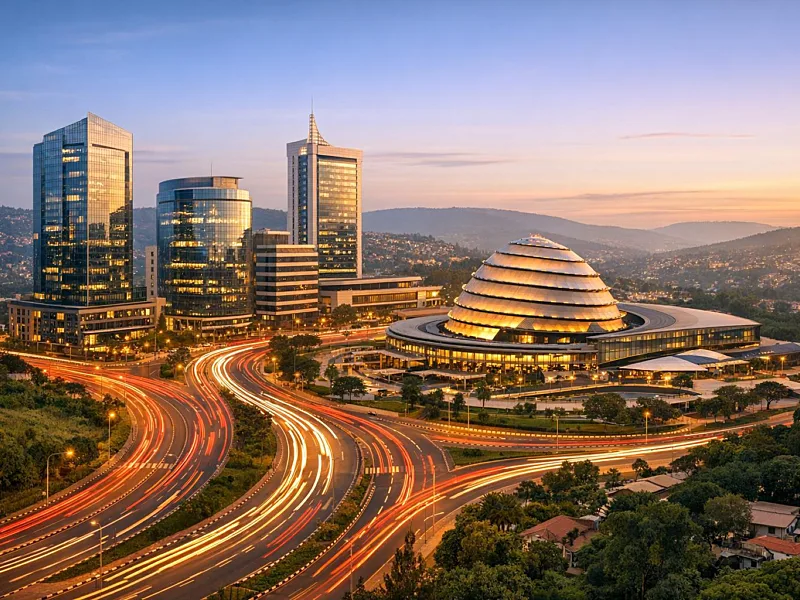
In Kenya and Rwanda, strategic electrification planning that balanced grid extension with off-grid solutions raised electricity access rates to 78% and 75%, respectively, up from single digits just 15 years ago.
In Senegal, solar-powered milk preservation has transformed rural livelihoods. In The Gambia and Mali, agrivoltaics allow solar panels to generate electricity while protecting crops from heat stress.
Renewables are also reshaping the transport and manufacturing industries. Battery-swapping stations in Rwanda and Uganda allow e-motorcycle taxi drivers to exchange depleted batteries in minutes, eliminating range anxiety and reducing fuel costs. In India, corporate renewable sourcing commitments have driven 33.2 GW of clean capacity, showcasing that businesses can be powerful allies in the transition.
Green hydrogen projects in Mauritania and Namibia could enable solar- and wind-rich countries to become major exporters, creating thousands of jobs and establishing green steel industries.
These examples illustrate a powerful shift: renewables are no longer just about cutting emissions, they are about jobs, health, education, food security and economic resilience.
Four Toolkits for Real-World Action
To make innovation practical, IRENA groups the 40 solutions into four strategic toolkits:
| Toolkit | Objective | Key Innovations |
|---|---|---|
| Grid Modernisation | Strengthen weak grids | Dynamic line rating, forecasting, virtual power lines |
| Decentralised Solutions | Build local resilience | Mini-grids, small batteries, smart systems |
| Accelerating Energy Access | Reach the unconnected | PAYGO, peer-to-peer trading, mini-grid regulation |
| Inclusive Local Development | Transform livelihoods | E-cooking, agri-energy, health and education power |
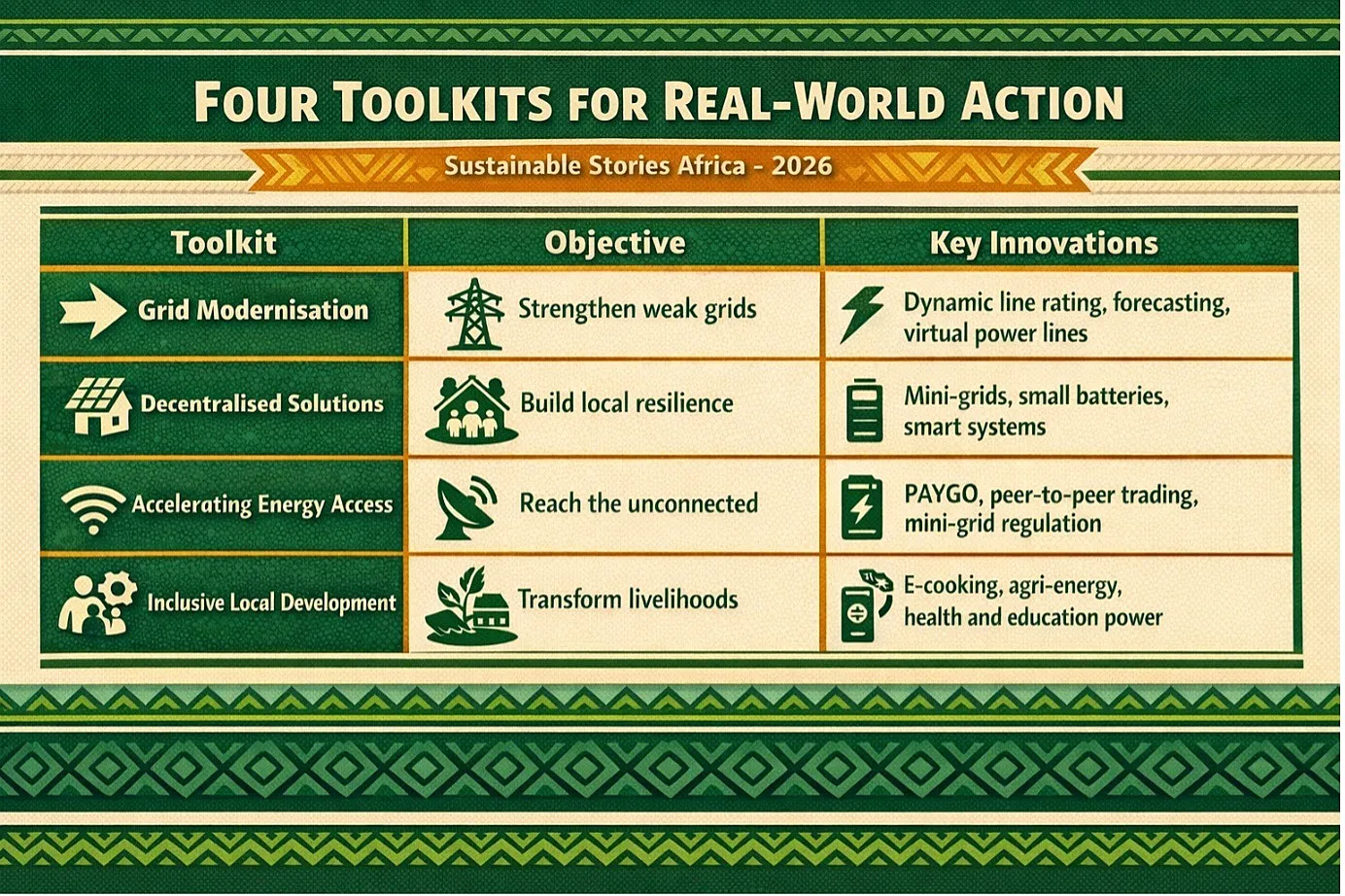
Grid modernisation is about smarter operations, not just new wires, while decentralised solutions bring flexible, modular power to communities with weak-grid and off-grid assets.
Energy access innovations make electricity affordable and productive, powering irrigation, cold chains, clinics, and digital services.
Crucially, IRENA frames reliable electricity as a question of justice as much as engineering, a basic platform for health, education, livelihoods, and human dignity, not a technical luxury.
Finance Must Follow Impact
While global energy-transition investment reached $2.4 trillion in 2024, Sub-Saharan Africa captured only 2.3% of that total.
Latin America and the Caribbean received about 5%, while countries representing half of the world's population secured just 10% of the financing.
IRENA argues that closing this gap requires more than mobilising capital. It demands a transformation of financial architecture:
- Lower cost of capital
- Local-currency financing
- Reformed multilateral development banks
- Investment models that prioritise impact over profit alone
Innovative funding models, including crowdfunding, financial bundling and PAYGO, have already proven effective in expanding access. However, scaling them requires supportive regulation, risk-sharing instruments and stronger local institutions.
Without these reforms, the energy transition risks reinforcing global inequalities instead of reducing them.
Eight Priorities for Policymakers
To unlock the full potential of renewable innovation, IRENA identifies eight strategic priorities:
- Build innovation ecosystems through skills, institutions and local capacity.
- Transform finance to support sustainable socio-economic development.
- Prioritise local value creation and technology transfer.
- Promote integrated planning across energy, transport, agriculture and industry.
- Enable South-South co-operation and regional collaboration.
- Reframe the energy transition around people and planet, not just carbon.
- Modernise grids to ensure equitable access.
- Empower consumers and communities through participatory approaches.
These priorities reflect a shift from top-down, technology-driven transitions to community-centred, development-focused energy strategies.
Africa's Strategic Opportunity
For African countries, the innovation landscape offers a powerful roadmap. The continent faces some of the world's highest energy access deficits, weakest grids and fastest-growing populations, but also has some of the richest solar, wind and hydro resources.
Regional power pools such as the West African Power Pool already enable 15 countries to share renewable resources across borders. Mini-grids, PAYGO solar and productive-use electrification are expanding rapidly.
With the right mix of innovation, finance and policy, Africa can leapfrog fossil-fuel-heavy development pathways and build energy systems that are clean, resilient and inclusive.
Path Forward: What Must Happen Next
The tools for a renewable-powered development future already exist. What is needed now is political will, financial reform and institutional capacity to deploy them at scale.
Countries must align technology, policy and people in a single, systemic strategy.
By prioritising inclusion, local value creation and community empowerment, the energy transition can deliver more than climate benefits; it can unlock economic opportunities, social justice and long-term resilience for millions worldwide.