The Middle East and North Africa generate more waste per capita than the global average, at rising fiscal and environmental costs. Without reform, volumes are projected to nearly double by 2050.
A World Bank analysis highlights that poor waste management is already costing the region $7.2 billion annually.
However, circular economy reforms could reduce landfill dependence, cut methane emissions, and unlock billions in material recovery.
MENA’s Waste Bill Is Rising
The Middle East and North Africa (MENA) region stands at a critical inflexion point. Solid waste generation is accelerating faster than infrastructure, policy, and financing systems can keep pace.
At 0.9 kilograms per capita per day, the region already exceeds the global average. By 2050, annual waste volumes are projected to increase from 155 million tons to 294 million tons, a projected 90% growth.
The consequences are measurable. Environmental damage from mismanaged waste costs the region an estimated $7.2 billion annually, equivalent to losing the GDP of Jordan or Tunisia every six years. Marine pollution alone increased by up to 2% of GDP in some countries.
However, the data also reveal a strategic opportunity: better waste governance, stronger financing mechanisms, and the adoption of the circular economy could fundamentally reshape the region’s environmental and fiscal trajectory.
Waste Volumes Are Surging Fast
The World Bank report underscores the scale of the challenge:
- Waste generation projected to rise from 155 million tons (2022) to 294 million tons (2050)
- MENA produces 69% of EU waste volumes despite having only 22% of EU GDP
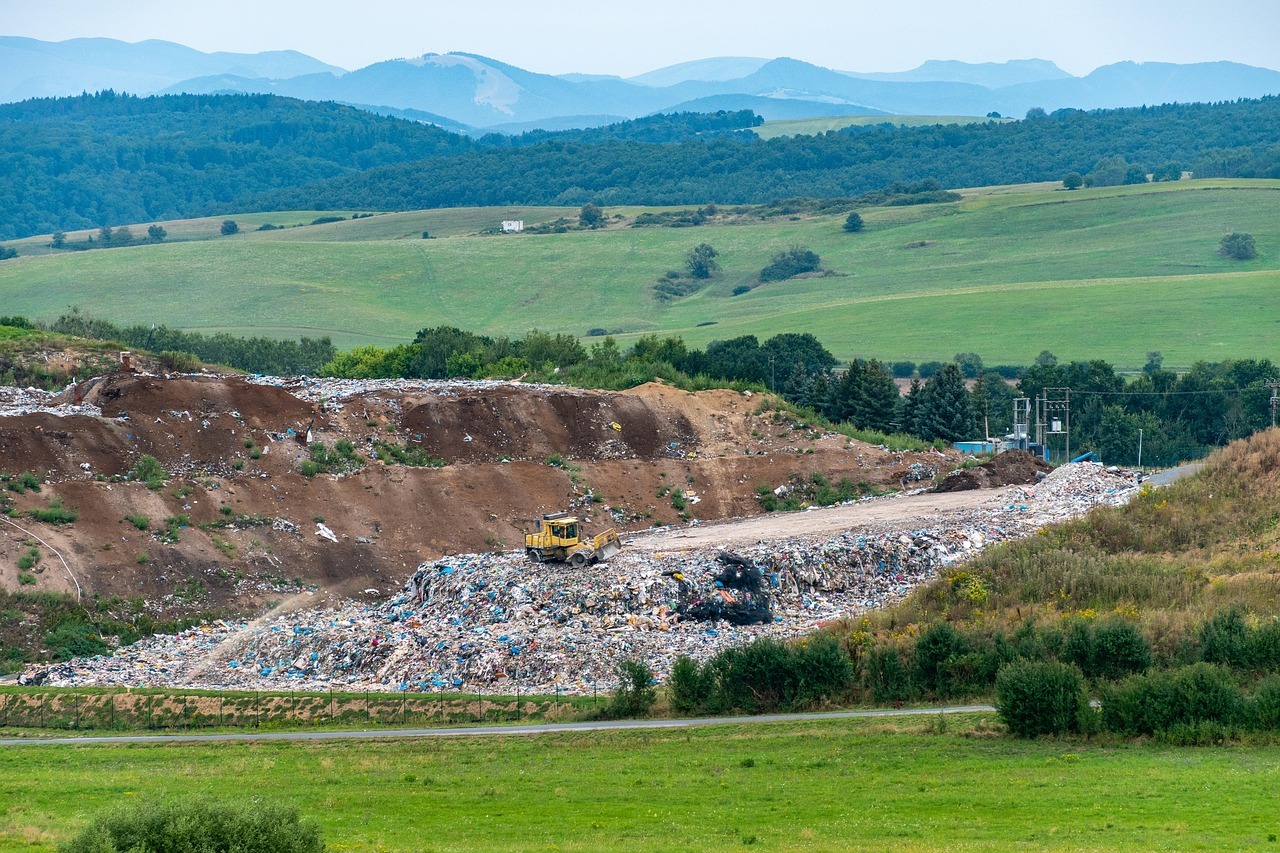
- 67% of waste is improperly managed
- Only 10% recycled, reused, or composted
- Waste-sector methane emissions are three times the global average per ton
Food waste is particularly acute. Approximately 19% of available food is wasted across the region, costing almost $60 billion annually. Organic waste increased by 57% municipal waste streams, above the global average of 44%.
Without intervention, open dumping is expected to increase significantly by 2050, deepening public health risks and climate impacts.
Spending Is High – Efficiency Is Low
MENA already spends approximately US$7.7 billion annually on waste management:
- $3.5 billion on collection
- $4.2 billion on treatment and disposal
Collection rates average nearly 80%, aligning with global benchmarks. However, treatment and disposal performance significantly lag spending levels.
According to the report, achieving Sustainable Development Goal (SDG) Target 11.6, universal collection and adequate management, would require a 50% increase in annual spending, from $7.7 billion to $11.6 billion.
However, reaching a truly integrated system by 2050 would require tripling spending to over $22 billion annually, though this would represent just 0.2% of projected GDP under a moderate growth scenario.
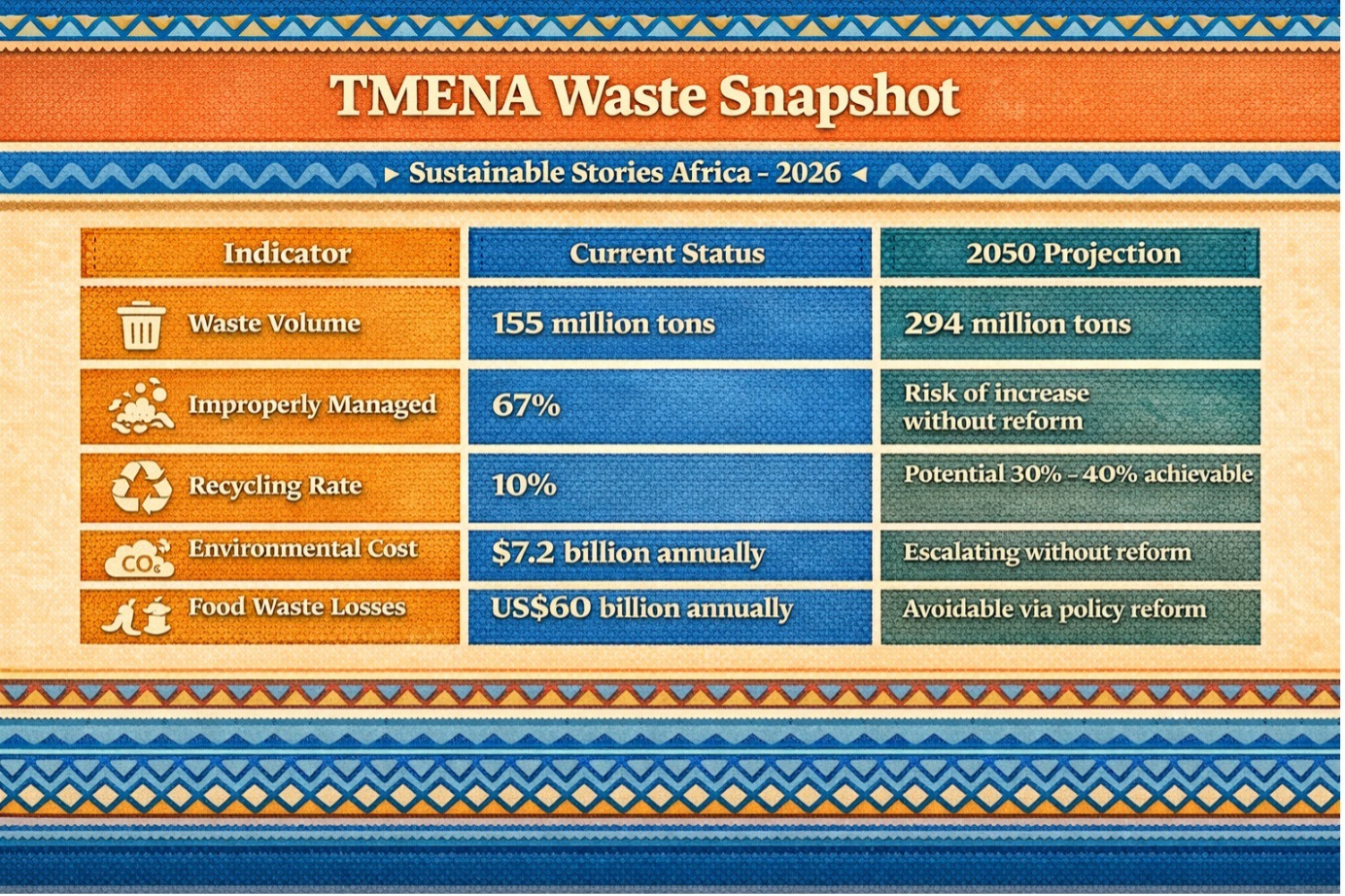
TMENA Waste Snapshot
Indicator | Current Status | 2050 Projection |
|---|---|---|
Waste Volume | 155 million tons | 294 million tons |
Improperly Managed | 67% | Risk of increase without reform |
Recycling Rate | 10% | Potential 30% – 40% achievable |
Environmental Cost | $7.2 billion annually | Escalating without reform |
Food Waste Losses | US$60 billion annually | Avoidable via policy reform |
The inefficiency gap is particularly stark in treatment systems, where spending outcomes fall short of potential performance.
Circular Economy Could Unlock Billions
The report identifies a substantial untapped opportunity.
- 83% of collected waste has recovery potential
- Each 1% reduction in waste saves approximately US$150 million annually
- Diverting waste from landfills reduces methane emissions and lowers disposal costs
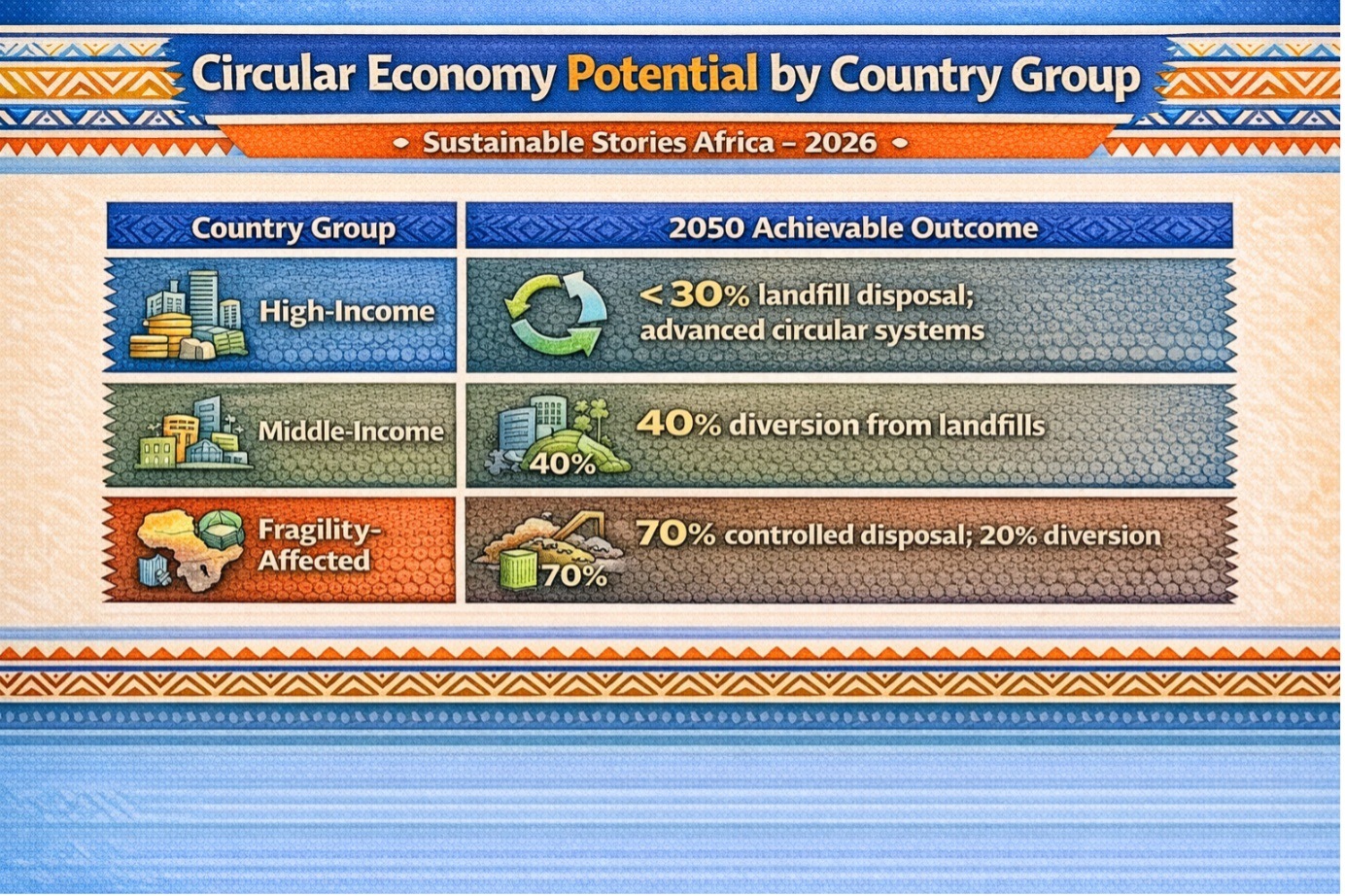
High-income MENA countries could reduce landfill disposal from 87% to below 30% by 2050 through recycling, composting, and waste-to-energy expansion.
Middle-income countries could achieve 40% diversion rates by improving cost recovery, extending producer responsibility (EPR) schemes, and integrating informal waste workers.
Conflict-affected economies could prioritise universal collection and basic controlled disposal, achieving 70% controlled disposal rates by 2050.
Circular Economy Potential by Country Group
Country Group | 2050 Achievable Outcome |
|---|---|
High-Income | <30% landfill disposal; advanced circular systems |
Middle-Income | 40% diversion from landfills |
Fragility-Affected | 70% controlled disposal; 20% diversion |
EPR mechanisms, deposit-refund systems, composting infrastructure, and private-sector PPP models offer scalable pathways.
Case studies in the report highlight examples such as structured cost recovery systems and PPP-backed waste-to-energy facilities that demonstrate financial feasibility.
Three Strategic Priorities Define Success
The report identifies three region-wide priorities:
- Secure Financing: – Cost recovery systems, private-sector engagement, and EPR frameworks must reduce reliance on municipal budgets. Municipal tariffs must be transparently linked to service improvements.
- Reduce Waste, Especially Food and Packaging: - Food waste reforms, packaging bans, deposit-return schemes, and upstream product design reforms are essential to “bend the waste curve.”
- Strengthen Institutional Coordination: - Clear governance mandates between national and municipal authorities, accountability frameworks, and stakeholder engagement are critical to system performance.
Importantly, integrating the informal waste sector, which is estimated to provide up to 400,000 formal and 400,000 informal jobs, remains central to equitable reform.
PATH FORWARD – Financing Reform Must Anchor Transition
MENA’s waste challenge is not simply an infrastructure issue; it is a fiscal and governance question.
With spending projected to triple by 2050, reform must prioritise efficiency gains, cost recovery, and circular revenue streams.
Countries that align waste policy with climate commitments, tourism competitiveness, and food security will transform waste from a fiscal liability into an economic asset. The pathway exists. Execution now determines cost tomorrow.