Nigeria is repositioning its downstream sector through gas expansion, decentralised energy, and emerging clean technologies.
The shift signals both resilience and transition.
However, can infrastructure, policy, and investment keep pace with ambition? The answer will shape energy security, industrial growth, and climate outcomes across Africa.
Gas, Power, and Transition Converge
Nigeria’s downstream energy landscape is undergoing one of its most consequential transitions in decades, as natural gas, decentralised renewables, and emerging fuels converge to redefine how energy is produced, distributed, and consumed.
Sections 3 and 4 of the 2025 Nigeria Energy Downstream Industry Report highlight a system evolving beyond petroleum dependence toward a diversified, lower-carbon energy mix anchored by gas and supported by renewables and new mobility solutions.
This transformation is not merely technological; it is structural. It touches industrial productivity, household energy access, and national climate commitments.
For Nigeria and other African economies, the stakes are clear: build resilient, inclusive, and scalable energy systems or risk deepening supply vulnerabilities in a rapidly changing global energy market.
A $210 Trillion Cubic Feet Opportunity
Nigeria’s natural gas reserves, estimated at 210.54 trillion cubic feet (Tcf), position the country as Africa’s largest gas holder and a central player in the continent’s energy transition (page 49).
However, the urgency lies not in reserves alone, but in utilisation. In 2025, Nigeria’s gas production mix shifted notably, with non-associated gas rising to 46.19%, reflecting a strategic pivot toward independent gas development (page 49–50).
This shift matters because it signals a move from oil-dependent energy systems to gas-driven resilience, supporting power generation, industrialisation, and cleaner energy pathways.
At the same time, Section 4 of the report underscores a parallel transformation: Nigeria is expanding into solar mini-grids, electric vehicles (EVs), and biofuels, signalling a multi-track transition that blends energy security with climate ambition (pages 66–72).
Mapping the New Energy Architecture
- Gas as the Backbone of Transition – Nigeria’s gas ecosystem is evolving into an integrated value chain spanning production, processing, transmission, and end-use applications (page 48).
Key infrastructure projects include:
- AKK Pipeline (614 km) linking gas supply to northern industrial hubs (page 51)
- Expansion of domestic distribution networks for LNG, CNG, and LPG
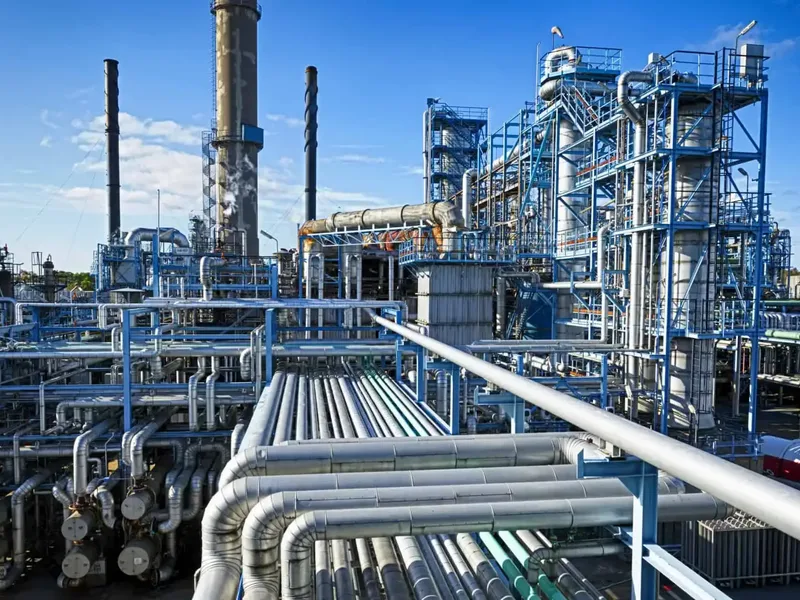
- Increased investment in gas processing facilities, including ANOH and Kwale plants
Gas is increasingly powering:
- Electricity generation
- Industrial operations
- Clean cooking transitions
This reflects a deliberate strategy to anchor Nigeria’s energy transition in a lower-carbon and scalable fuel.
- Gas Utilisation and Market Diversification - The utilisation profile (page 50) shows a diversified structure:
Gas Utilisation Segment (2025) | Share (%) |
|---|---|
Power Generation & Industrial Use | 84% combined |
Domestic Sales | 28.89% |
Export Sales | 28.70% |
Gas Flare | 7.54% |

This indicates:
- Strong domestic demand growth
- Continued export relevance
- Gradual reduction in gas flaring
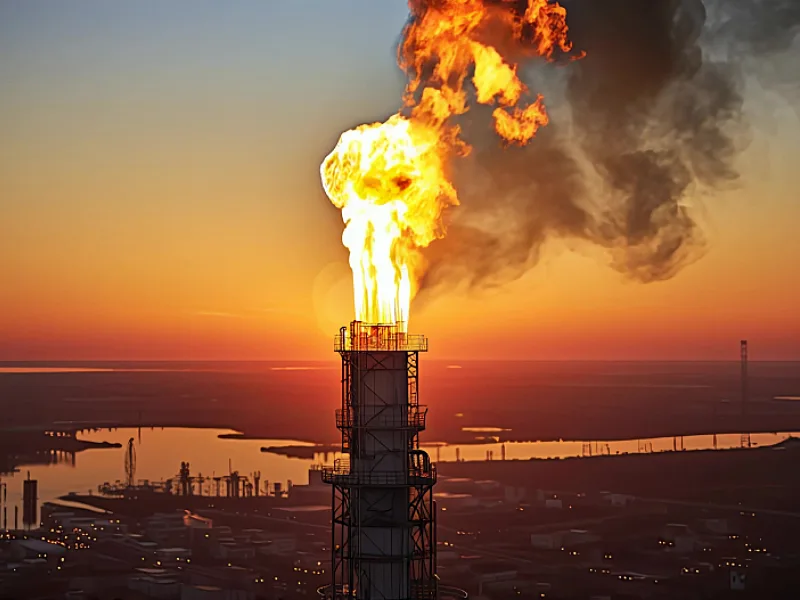
Nigeria’s Gas Flare Commercialisation Programme (NGFCP), with 49 flare sites on offer, further reinforces this transition from waste to value (page 49).
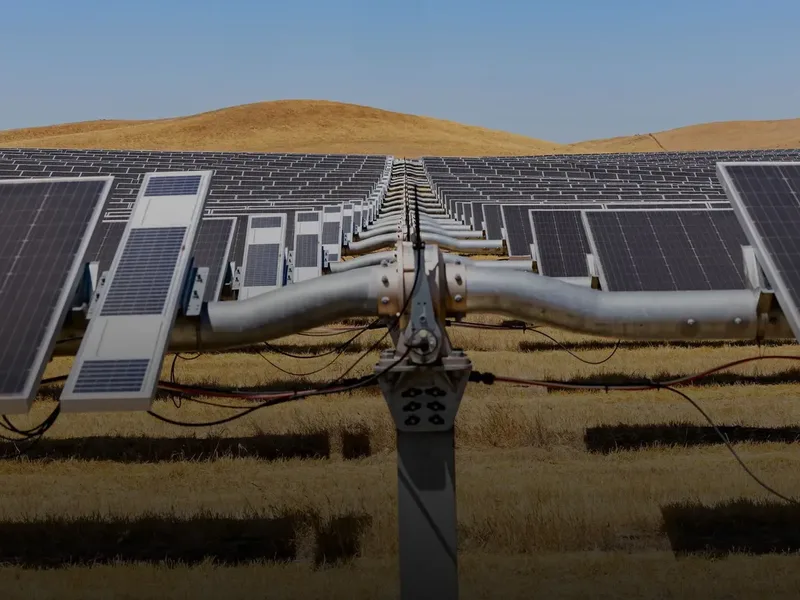
- Decentralised Energy and Solar Expansion – Section 4 highlights rapid growth in solar mini-grids and decentralised energy systems, particularly in underserved and rural areas (page 66).
These systems are:
- Expanding electricity access
- Reducing reliance on diesel generators
- Supporting micro-enterprises and local economies
The shift toward decentralised energy reflects a pragmatic recognition: grid expansion alone cannot meet Nigeria’s energy needs.
- Electric Mobility and Infrastructure Growth – Nigeria’s EV ecosystem, while still nascent, is gaining traction through policy support and infrastructure investments (pages 68–70).
Key developments include:
- Early-stage EV adoption across urban centres
- Expansion of charging infrastructure
- Entry of private sector players into EV manufacturing and services
Although small today, EVs represent a critical frontier in reducing urban emissions and fuel dependency.
- Biofuels and Aviation Transition – Nigeria is also exploring biofuels and sustainable aviation fuel (SAF) as part of its broader energy diversification strategy (pages 72–75).
These initiatives signal alignment with global decarbonisation trends, particularly in hard-to-abate sectors like aviation.
What a Successful Transition Delivers
If effectively executed, Nigeria’s integrated energy transition could unlock:
- Energy Security – Reduced reliance on imported fuels and improved domestic supply reliability.
- Industrial Growth – Gas-powered industries could drive manufacturing expansion and job creation.
- Inclusive Energy Access – Solar mini-grids and LPG adoption could expand access to clean energy for millions.
- Climate Progress – Lower emissions through gas substitution, EV adoption, and reduced flaring.
- Investment Attraction – A diversified energy ecosystem could attract capital across infrastructure, technology, and manufacturing sectors.
However, delays in infrastructure delivery or policy inconsistencies could undermine these gains, reinforce inefficiencies and limit impact.
Aligning Policy, Capital, and Infrastructure
To sustain momentum, stakeholders must prioritise:
- Infrastructure Acceleration – Fast-track pipelines, mini-grids, EV charging networks, and gas processing facilities.
- Regulatory Stability – Ensure predictable policies across gas pricing, EV incentives, and renewable energy frameworks.
- Financing Innovation – Leverage blended finance, carbon markets, and public-private partnerships to fund large-scale projects.
- Technology and Skills Development – Invest in local capacity for clean energy technologies, gas systems, and digital infrastructure.
- Integrated Energy Planning – Align gas, renewables, and mobility strategies within a unified national energy framework.
Path Forward – From Resource Wealth to System Efficiency
Nigeria’s energy transition will depend less on resource abundance and more on system integration, infrastructure delivery, and policy coherence.
Gas, renewables, and emerging technologies must function as complementary pillars, not competing priorities, to anchor a resilient, inclusive, and future-ready downstream sector for Africa.