A survey of 15 Nordic grid operators finds near-universal expectation that automation will spread. Operators also expect it to make their work more efficient.
However, many are unhappy with today's tools, and some fear losing core skills. As renewables make grids harder to run, the human side of the transition matters.
Automation Is Reshaping Grid Control Rooms
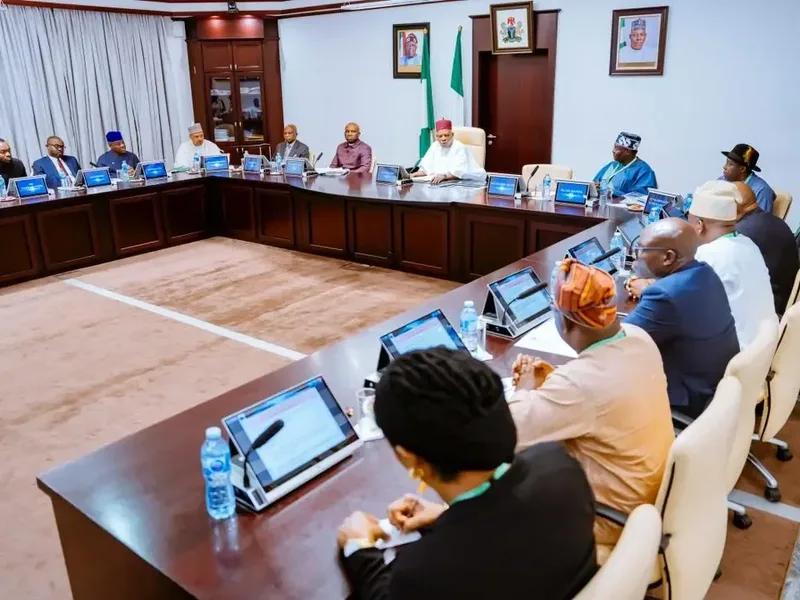
Researchers at Chalmers and Lund universities surveyed 15 operators at Nordic transmission system operators (TSOs).
The study was published online on 18 September 2026 in the International Journal of Human Factors and Ergonomics.
More intermittent, distributed generation is making power systems less plannable and more complex.
- Control rooms are responding with shorter trading periods, automated activation of reserves and flow-based capacity calculation.
The sample is small and Nordic, but the pressures it describes matter to any grid adding variable renewables, including those across Africa.
Every Operator Expects More Automation Soon
All 15 respondents agreed or strongly agreed that higher-automation tools will become increasingly common.
- 11 expect their own tasks to change.
One balancing specialist said everything needs to be automated because operators cannot do what they do now manually every 15 minutes.
- Another said it is becoming more difficult and stressful balancing production and consumption because of wind power.
The automation of manual frequency restoration reserve activation illustrates the shift.
- Backup power is now activated automatically when needed, whereas previously it was arranged by telephone.
- One operator said the new balancing model would change almost everything.
Control rooms exist to keep supply and demand in balance, reconfigure the network, assess transmission capacity, manage voltage and protection, coordinate cross-border flows and lead restoration after outages.
Automation touches nearly every one of those tasks.
Efficiency Hopes Meet Doubts About Tool Quality
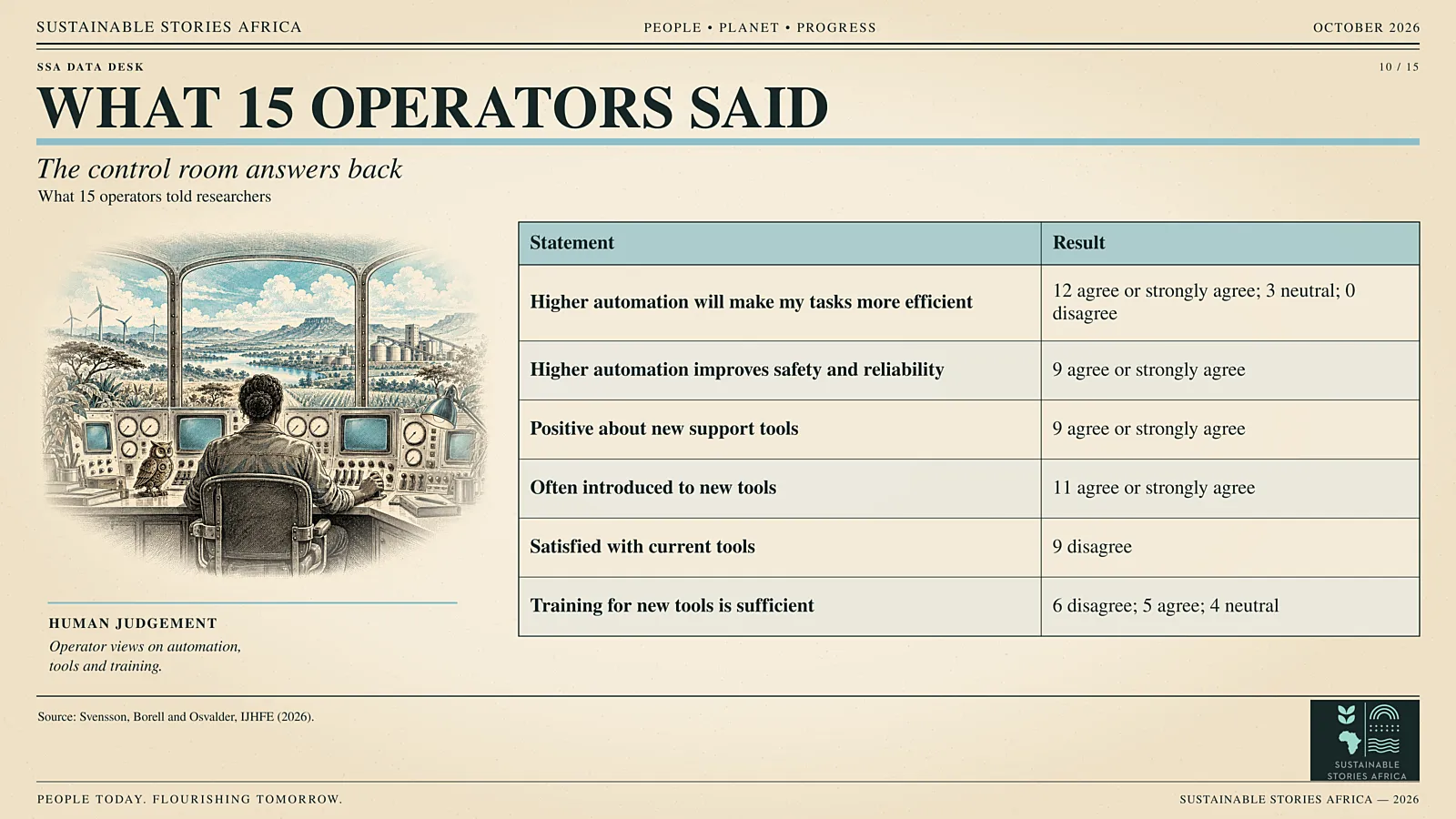
Operators are optimistic in principle and critical in practice.
- Many described too many tools, bugs, ageing systems and poor fit with user needs.
- One said new systems are often introduced without proper introduction to operators. Another warned that more automation often means more things can go wrong.
The task map shows why the pressures differ by role.
- Balancing staff face the most direct change from automated reserve activation, while capacity planners are adapting to flow-based calculation.
One respondent said it changes the whole process, offering new tasks, tools and daily international meetings.
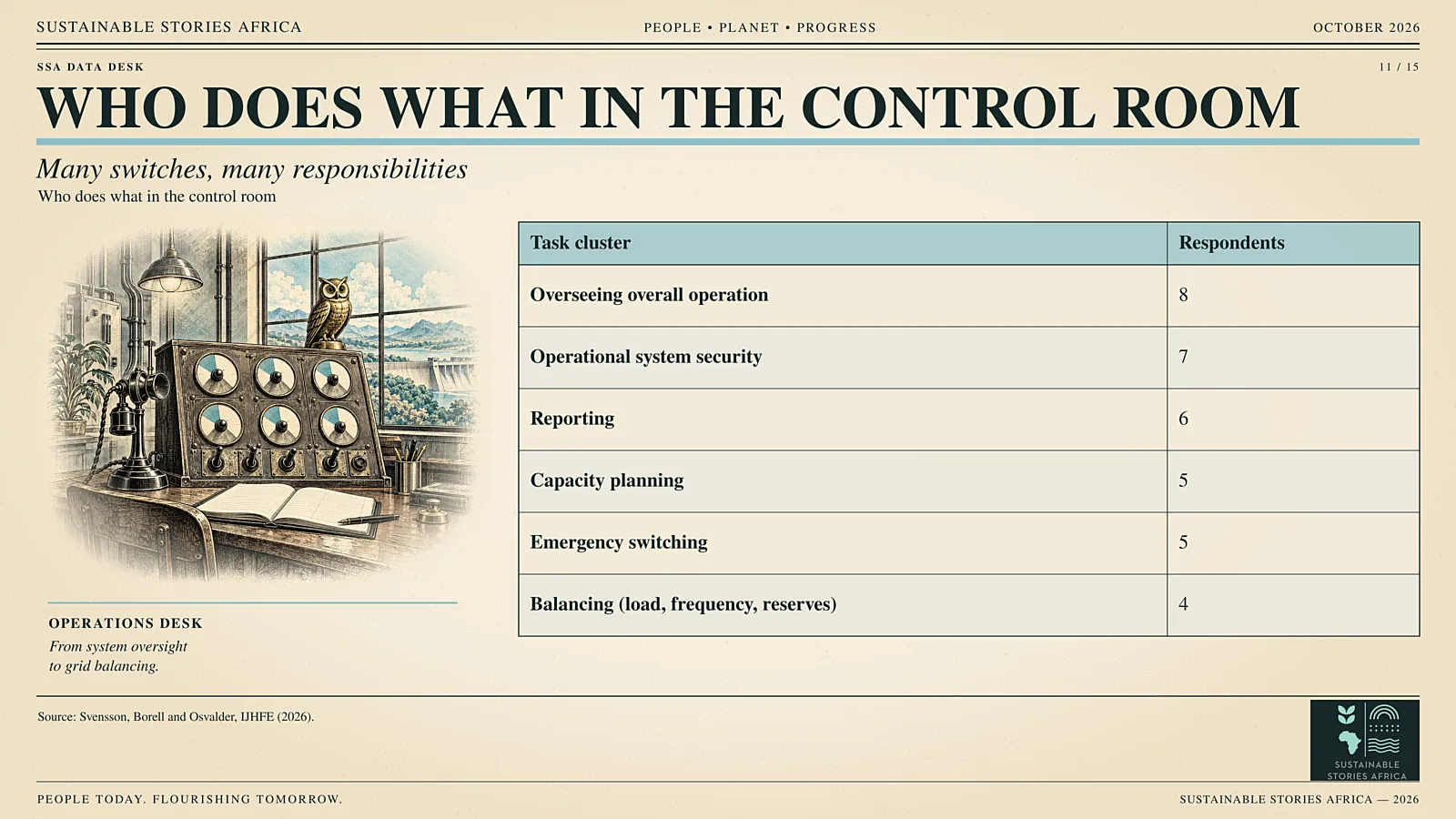
Switching tasks, by contrast, remained unchanged over five years, with none expected in future.
- Change is concentrated where markets and renewables meet the control room.
Trusted Automation Could Ease Pressure on Operators
Operators want to calculate and model once and trust the process, instead of double-checking everything.
- One said much of the time goes on validating production and consumption forecasts, a burden that grows once reserve activation depends on those forecasts automatically.
Better alarm handling matters too.
- One respondent noted that SCADA gives the same priority to several events, making it hard to know what to react to.
The authors caution that some scepticism is healthy.
- Over-trust can cause complacency and slower error detection.
- They also note that deskilling risks echo the classic ironies of automation: less hands-on control, yet more critical intervention when systems fail.
- One operator asked whether manual fallback procedures would stay fresh or be forgotten. Another doubted that bug-fixing and studying algorithms were the skills operators wanted to build.
These comments suggest automation touches professional identity, not only workload.
What Grid Operators and Regulators Must Do
The study points to organisational choices as much as technical ones.
Tools introduced without training, or without regard for how teams work together, can erode trust even when the technology is sound.
- TSOs: design task allocation and organisational structures alongside the tools, not only the software.
- Vendors: build for end users and consider explainable systems that support trust calibration.
- Training leads: keep manual fallback skills current and train for rare events.
- Regulators and utilities in Africa: plan operator training and human-centred design into grid modernisation early.
The authors recommend a user-centred approach so that system goals align with everyday work.
They also suggest future research on how transparency in automated systems shapes operator trust.
The Path Forward for Grid Operations
Automation is coming, and operators largely welcome it if it is reliable.
Grid operators should co-design tools with the people who use them and protect critical skills.
For African utilities adding renewables, the lesson is to invest in people alongside technology.
Reliable power depends on both.