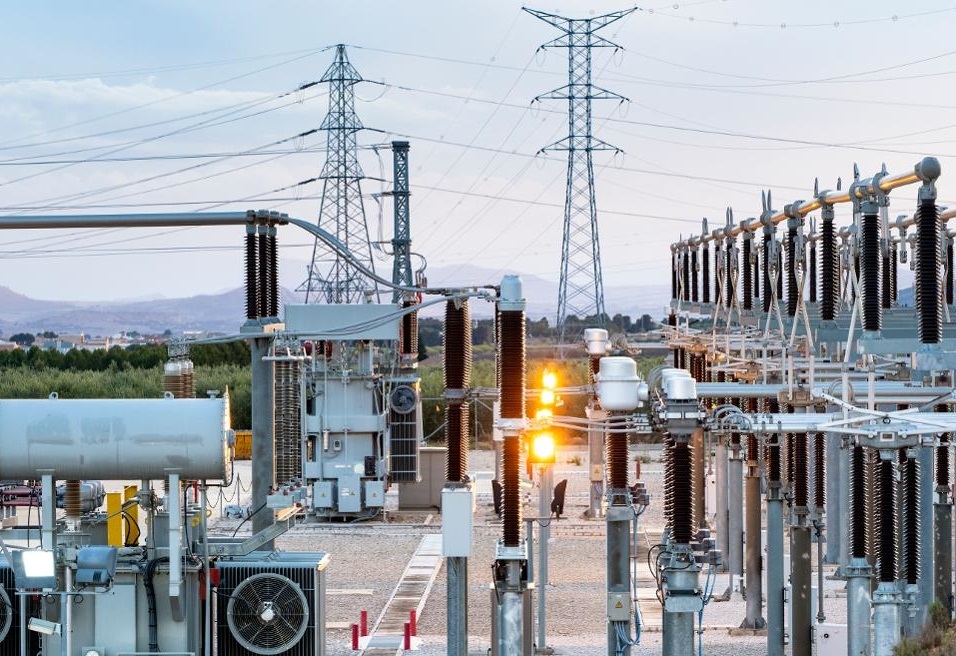
As corporate climate disclosures expand globally, Scope 2 emissions accounting has emerged as one of the most critical and complex components of ESG reporting.
Companies are increasingly required to measure emissions with purchased electricity using both location-based and market-based methodologies, a shift that is transforming how corporations evaluate energy procurement, renewable investments and climate accountability across global supply chains.
Corporate Climate Accounting Faces Electricity Reckoning
For many companies pursuing climate targets, the largest emissions challenge may not lie in their factories or vehicle fleets, but in the electricity they purchase.
Scope 2 emissions, the greenhouse gases associated with purchased electricity, heat or steam, have become a central focus of corporate sustainability reporting.
As global regulators tighten climate disclosure rules, companies must now account for how electricity consumption contributes to their overall carbon footprint.
The complexity arises from the need to measure emissions using two different accounting approaches: location-based reporting, which reflects the average emissions intensity of local power grids, and market-based reporting, which reflects emissions associated with contractual electricity purchases such as renewable energy contracts.
Scope 2 Emissions Drive Corporate Accountability
Within the Greenhouse Gas Protocol, Scope 2 emissions represent indirect greenhouse gas generated from purchased electricity consumed by organisations.
These emissions can account for a substantial share of corporate carbon footprints, particularly in energy-intensive sectors such as manufacturing, technology and transportation.
Under the protocol’s Scope 2 guidance, companies must report emissions using two complementary methods.
Scope 2 Emissions Accounting Approaches
Accounting Method | Definition | Core Measurement Principle |
|---|---|---|
Location-Based Method | Measures emissions based on the average emissions intensity of electricity grids | Reflects regional energy mix |
Market-Based Method | Measures emissions based on contractual electricity purchases | Reflects corporate procurement choices |
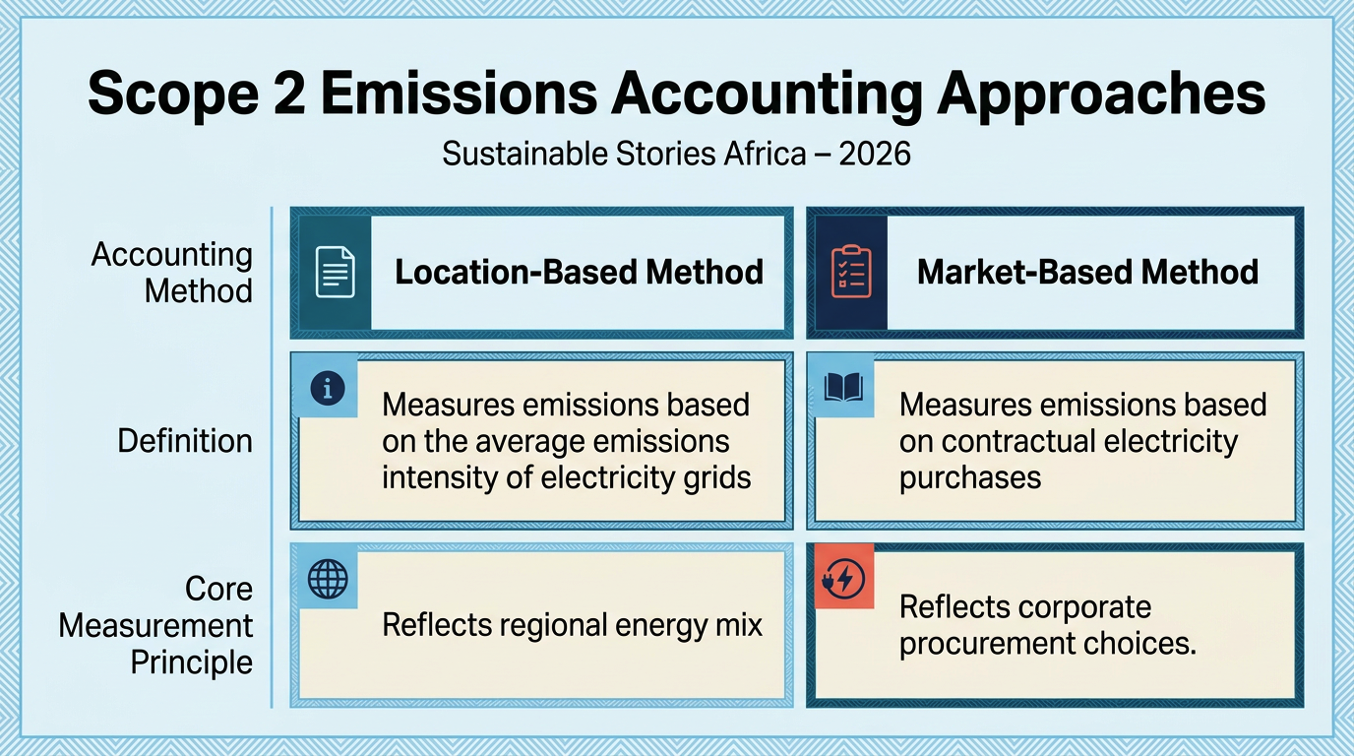
The location-based method calculates emissions using the average emissions factor for the electricity grid in which operations occur, capturing the carbon intensity of regional power generation.
By contrast, the market-based method measures emissions based on electricity purchased from contractual arrangements, such as renewable energy certificates or power purchase agreements (PPAs).
Together, these two metrics provide a more comprehensive view of corporate electricity-related emissions.
Electricity Procurement Shapes Corporate Climate Strategy
The dual reporting requirement has fundamentally changed corporate climate strategies. Companies are no longer evaluated solely on how much electricity they consume, but also on how that electricity is sourced.
Under the market-based method, organisations can reduce reported emissions by purchasing renewable electricity through contractual instruments such as:
- Renewable energy certificates
- Power purchase agreements (PPAs)
- Supplier-specific electricity contracts
This approach reflects a company’s ability to influence energy markets and accelerate renewable energy adoption.
At the same time, the location-based method continues to reveal the underlying carbon intensity of electricity grids, highlighting structural challenges in regions where fossil fuels dominate power generation.
For companies operating across multiple jurisdictions, this dual reporting framework can produce significant differences between the two metrics.
Electricity Accounting Reveals Hidden Emissions
Scope 2 accounting also provides critical insights into the corporate energy transition.
The location-based metric allows analysts to evaluate the emissions intensity of electricity grids and compare performance across industries or geographies.
The market-based metric, meanwhile, captures how companies actively shape energy markets through procurement decisions.
Key Reporting Insights From Scope 2 Accounting
Metric Reported | Strategic Insight |
|---|---|
Grid emissions intensity | Indicates the decarbonisation progress of electricity systems |
Corporate electricity procurement | Shows renewable purchasing commitments |
Energy-intensive sector performance | Enables benchmarking across industries |
Supplier-specific contracts | Reveals influence on renewable energy markets |
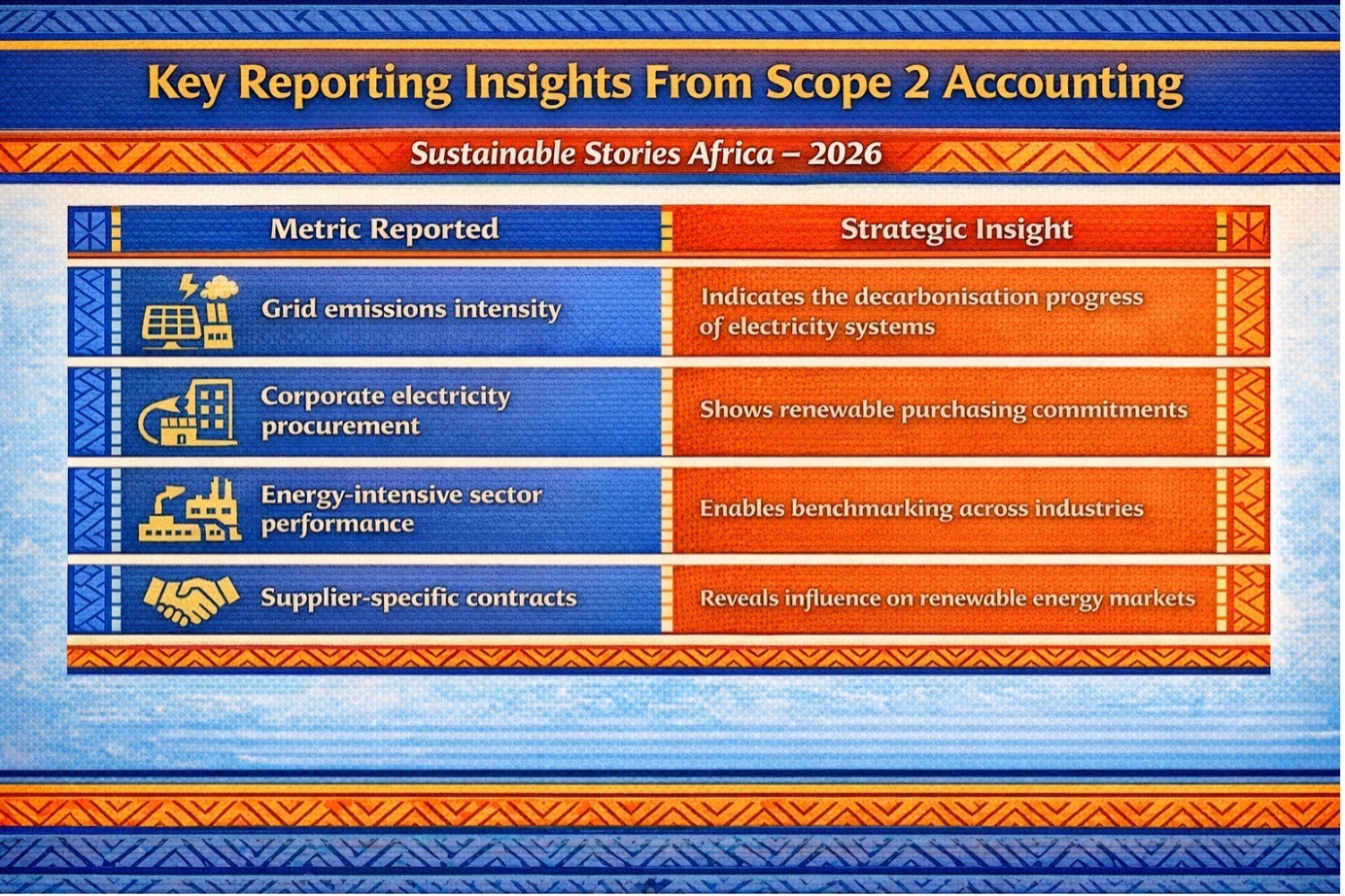
The reporting framework also helps identify opportunities to influence electricity suppliers and accelerate renewable energy deployment through long-term contracts.
According to Scope 2 guidance, companies should disclose risks and opportunities associated with electricity procurement, including supplier relationships and contractual obligations.
Transparency And Data Integrity Become Critical
As Scope 2 reporting becomes embedded in global ESG frameworks, companies face growing scrutiny over data integrity and disclosure practices.
One challenge lies in ensuring the credibility of contractual instruments used to claim renewable electricity purchases. If poorly regulated, these instruments could allow companies to report reduced emissions without driving real decarbonisation.
Regulators and sustainability standard-setters are therefore strengthening disclosure rules to improve transparency around energy sourcing and emissions factors.
Companies are also being encouraged to evaluate the broader risks associated with electricity procurement, including grid decarbonisation trajectories, regulatory changes and energy supply reliability.
Ultimately, accurate Scope 2 reporting is becoming a cornerstone of credible corporate climate strategies.
Path Forward – Improving Corporate Transparency In Electricity Emissions
Strengthening Scope 2 emissions accounting will be critical to improving the credibility of corporate climate disclosures and accelerating global decarbonisation.
By combining location-based and market-based reporting, companies can provide investors and regulators with a clearer picture of electricity-related emissions while encouraging stronger renewable energy procurement and more transparent energy markets.