South Africa’s electricity mix is beginning to shift in ways that few analysts predicted even five years ago.
In December 2025, solar power supplied 15% of the country’s electricity, while coal’s share dropped to 68%, the lowest level ever recorded.
The milestone highlights how distributed rooftop systems and utility-scale projects are quietly reshaping Africa’s most coal-dependent power system, signalling a structural transition that could redefine energy security, investment flows and climate policy across the continent.
Solar Momentum Reshapes South Africa’s Power
South Africa’s energy landscape is undergoing a subtle but significant transformation.
For decades, coal has dominated the country’s electricity system, supplying more than three-quarters of power generation through Eskom’s vast fleet of coal plants.
However, new data suggests the balance is starting to change.
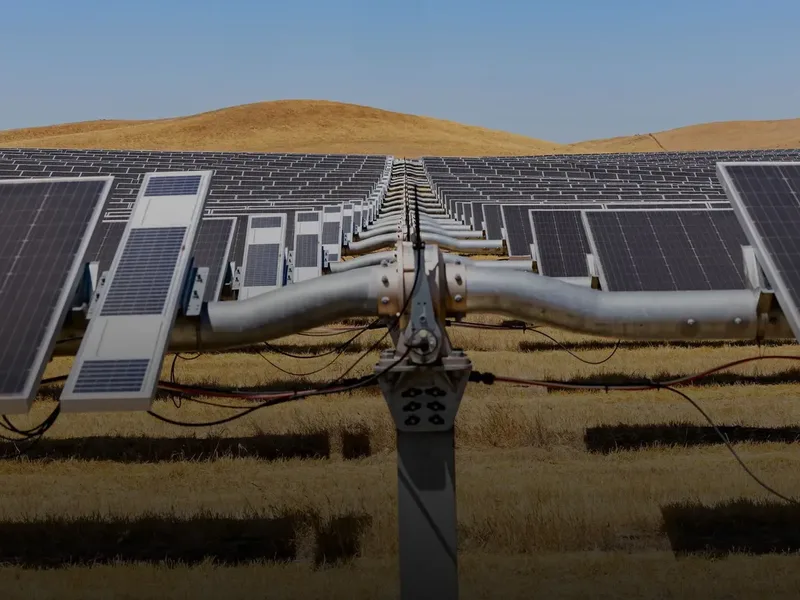
In December, solar power accounted for 15% of South Africa’s electricity generation, a sharp rise driven largely by rooftop solar adoption and private sector investment in embedded generation.
The surge coincided with a drop in coal’s share to 68%, the lowest level ever recorded in the country’s modern electricity history.
Energy analysts say the milestone is less about a single month’s performance and more about a structural shift underway across the power system.
As businesses and households invest heavily in self-generation to escape persistent power shortages, solar capacity is expanding far faster than many official projections anticipated.
Solar Expansion Signals Structural Energy Shift
The rapid rise of solar energy reflects a growing response to South Africa’s long-running electricity crisis.
Years of operational challenges at coal plants, combined with rolling blackouts known locally as load shedding, have pushed businesses and households to seek alternatives.
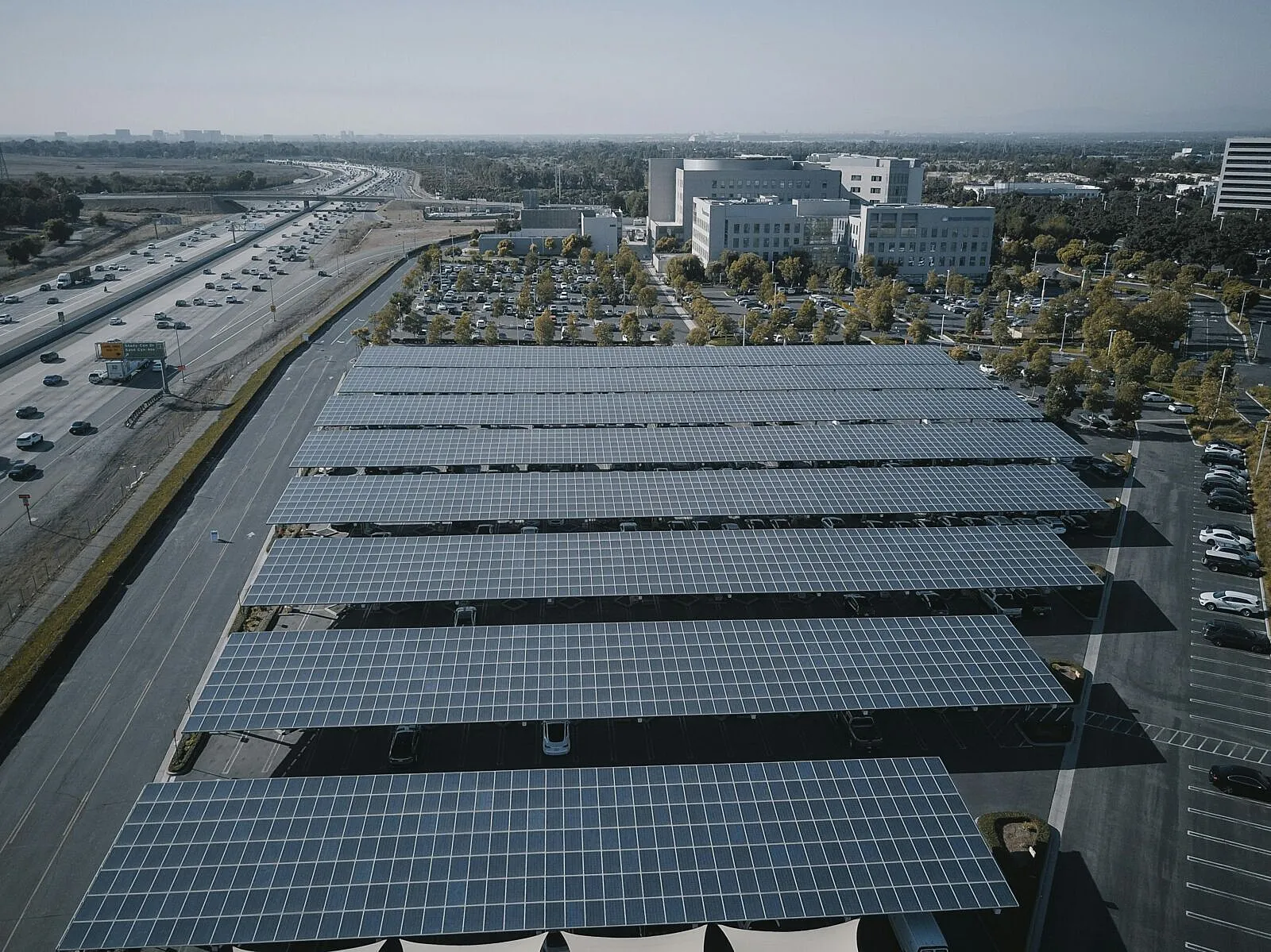
Solar installations, both rooftop and utility-scale, have surged as regulatory reforms allowed companies to build private generation facilities without requiring lengthy licensing approvals.
The result has been a wave of distributed energy projects across industrial parks, shopping centres and residential communities.
Energy analysts note that this shift is particularly significant because South Africa remains one of the world’s most coal-dependent power systems.
Coal historically provided more than 80% of electricity generation, meaning even modest growth in renewable sources can reshape the national energy mix.
December’s data, therefore, represents more than a seasonal spike. It signals the growing role of solar power as a stabilising force in the country’s electricity system.
Private Investment Accelerates Distributed Solar Deployment
A key driver of the solar surge has been private sector investment. South African companies have increasingly installed rooftop photovoltaic systems to shield operations from power outages and rising electricity tariffs.
The policy shift allowing projects of up to 100 MW, and subsequently unlimited capacity without licensing, opened the door to major investments by mines, factories and commercial property owners.
In parallel, residential rooftop installations expanded rapidly as middle-income households sought reliable energy alternatives.
Analysts say distributed solar now plays a crucial role in reducing peak demand pressure on Eskom’s grid.
South Africa Electricity Mix – December Snapshot
Energy Source | Share of Electricity Generation |
|---|---|
Coal | 68% |
Solar | 15% |
Wind | 6% |
Nuclear | 5% |
Hydro & Others | 6% |
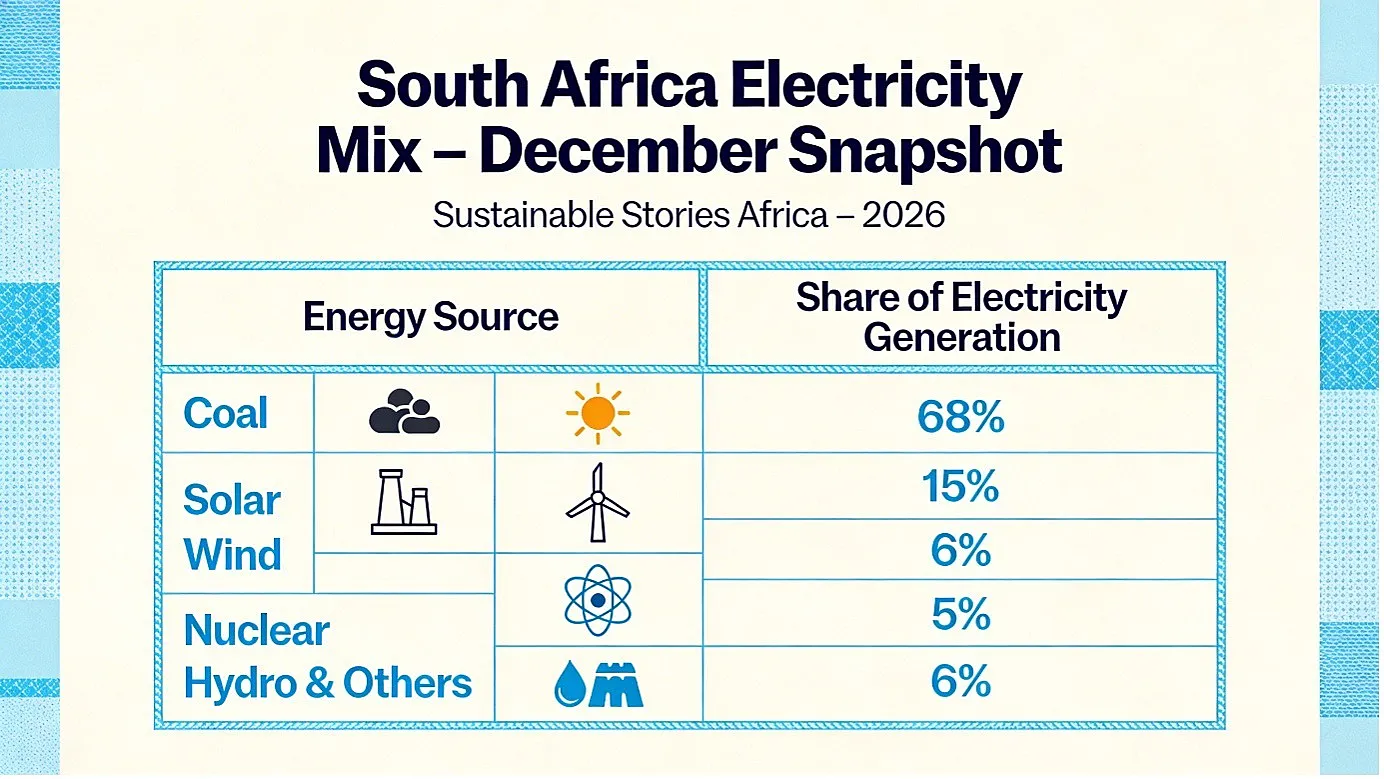
The data underscores a slow but visible diversification of the electricity system, with renewables, especially solar systems, steadily gaining ground.
Electricity Mix Reflects Emerging Renewable Momentum
The December figures highlight the growing contribution of renewable energy technologies across the South African grid.
While solar captured headlines for reaching 15% of electricity generation, wind and hydro also contributed meaningful shares, reflecting investments made through South Africa’s Renewable Energy Independent Power Producer Procurement Programme (REIPPPP).
The trend suggests that renewable energy is evolving from a supplementary power source to a core component of the electricity system.
Key Drivers Behind Solar Growth
Driver | Impact on the Electricity System |
|---|---|
Rooftop solar adoption | Reduces demand on the national grid |
Industrial embedded generation | Enhances energy reliability for businesses |
Policy reforms | Enables faster private power investment |
Declining solar costs | Improves financial viability for installations |
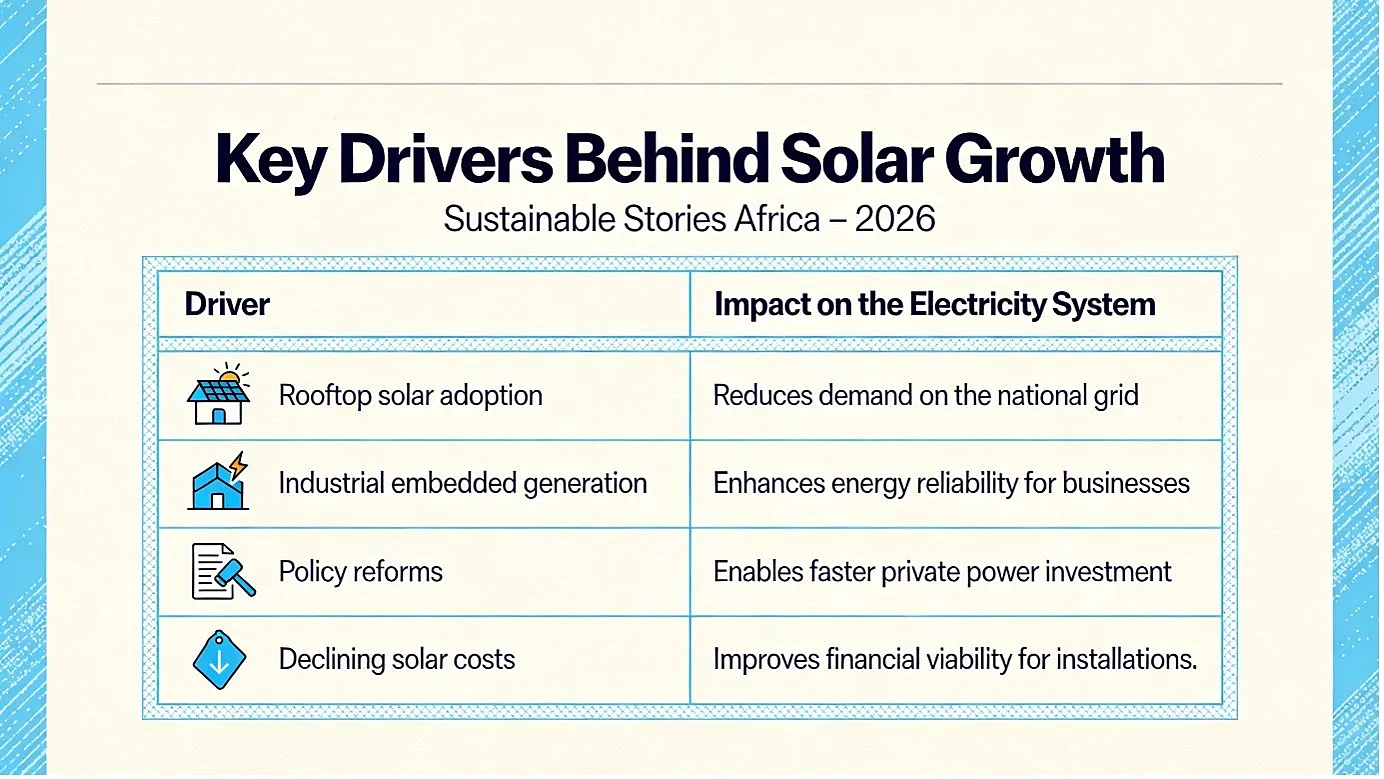
Energy experts note that falling technology costs have accelerated adoption globally, with solar becoming one of the cheapest sources of new electricity generation in many regions.
Energy Transition Demands Policy And Grid Reform
Despite the encouraging momentum, analysts caution that South Africa’s energy transition still faces structural hurdles.
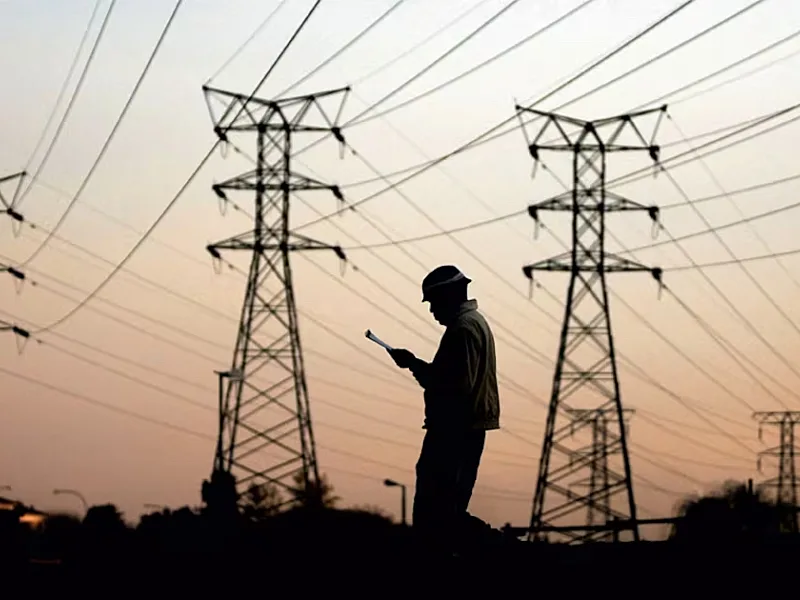
Grid constraints remain a major barrier to expanding renewable capacity, particularly in regions with the strongest solar and wind resources.
Transmission infrastructure upgrades will be critical to unlocking further renewable deployment.
At the same time, coal will remain central to the power system for years to come. Eskom’s coal plants still supply most electricity, and retiring or repurposing these assets requires careful planning to avoid worsening power shortages.
Investors and policymakers are therefore increasingly focused on balancing three priorities:
- Energy security
- Economic competitiveness
- Climate transition commitments
South Africa’s Just Energy Transition Partnership, supported by international finance, aims to help the country manage this balance while gradually reducing reliance on coal.
For African energy markets more broadly, the lesson is becoming clear: distributed renewable technologies can expand much faster than traditional infrastructure when supported by enabling policy frameworks.
Path Forward – Scaling Solar While Stabilising National Grid
South Africa’s solar surge highlights the power of policy reform and private investment in accelerating energy transitions.
Expanding grid infrastructure and improving regulatory clarity will be essential to sustain this momentum.
If managed effectively, solar growth could help stabilise electricity supply, reduce emissions and unlock new green investment opportunities, positioning South Africa as one of Africa’s most dynamic renewable energy markets.