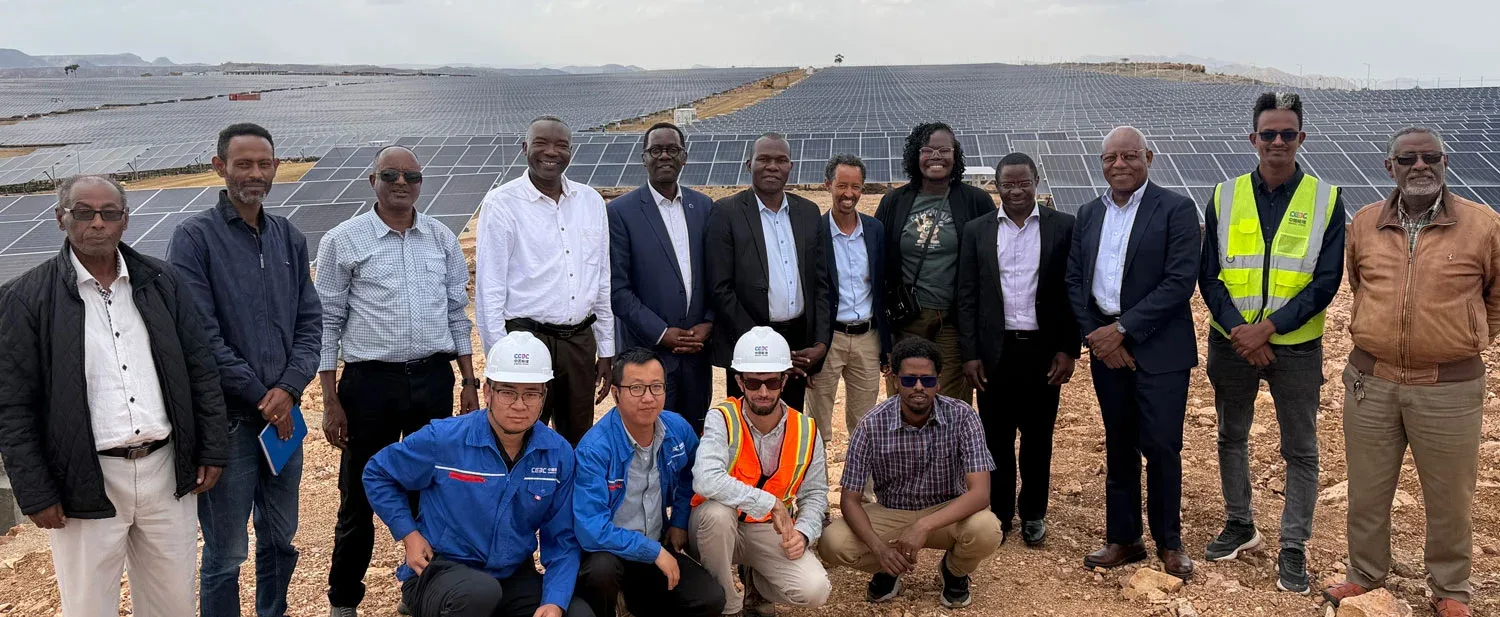
The African Development Bank Group and Eritrea have reaffirmed cooperation after high-level engagements focused on practical development delivery.
The partnership is advancing solar power, resilience and institutional collaboration.
For communities facing energy, food and climate pressures, the talks signal a development model built around trust, patience and implementation.
Trust Becomes A Development Strategy
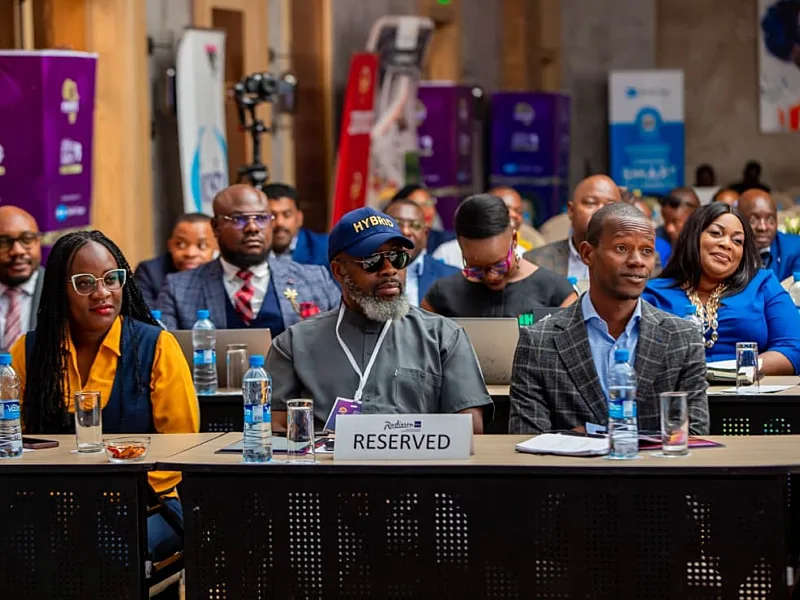
The African Development Bank Group and Eritrea have deepened their development partnership through renewed high-level engagement focused on practical delivery, energy access and long-term resilience, according to an AfDB announcement published on 12 May 2026.
The Bank said the discussions created room to assess what is working, what requires patience, and how both sides can move priority projects forward.
Solar Projects Anchor Practical Cooperation
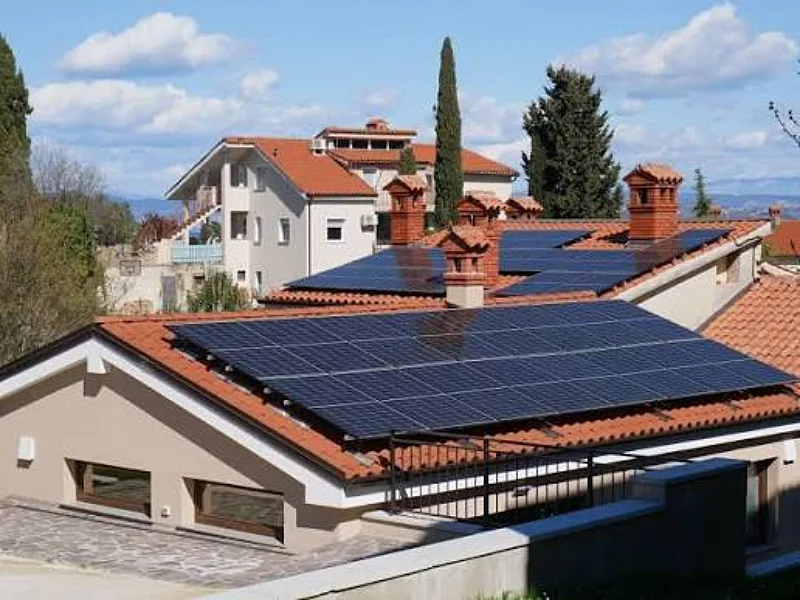
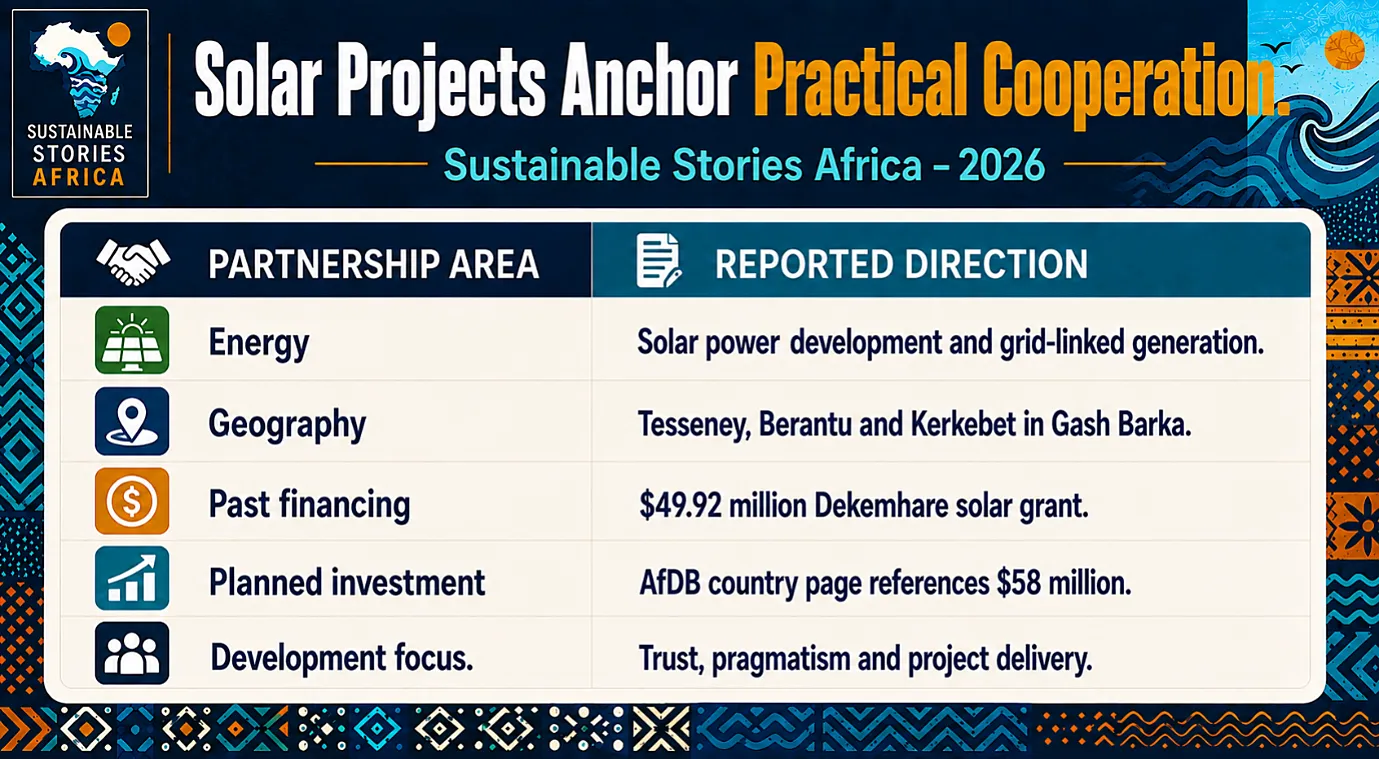
A key part of the engagement is energy. The talks helped advance potential greenfield solar power plants in Tesseney, Berantu and Kerkebet in Eritrea’s southwest Gash Barka region, according to reporting linked to the AfDB announcement.
The Bank’s Eritrea country page also lists a planned $58 million investment, in addition to previous AfDB-backed energy work, which includes a $49.92 million grant approved in 2023 for a 30-megawatt solar photovoltaic power plant in Dekemhare.
For Eritrean households and businesses, energy is not an abstract development indicator.
- It shapes irrigation, cold storage, small-enterprise productivity, school services and health delivery.
- In rural and semi-arid regions, reliable electricity can determine whether farms remain subsistence-based or become part of stronger local value chains.
Resilience Gains Can Reach Communities
The promise of the AfDB-Eritrea partnership lies in its practical focus. Eritrea faces long-running climate, water and food-security pressures, making energy and infrastructure investments central to resilience.
Earlier AfDB reporting has highlighted Eritrea’s arid conditions and the role of water infrastructure, including the Msilam Dam, in supporting food security and rural livelihoods.
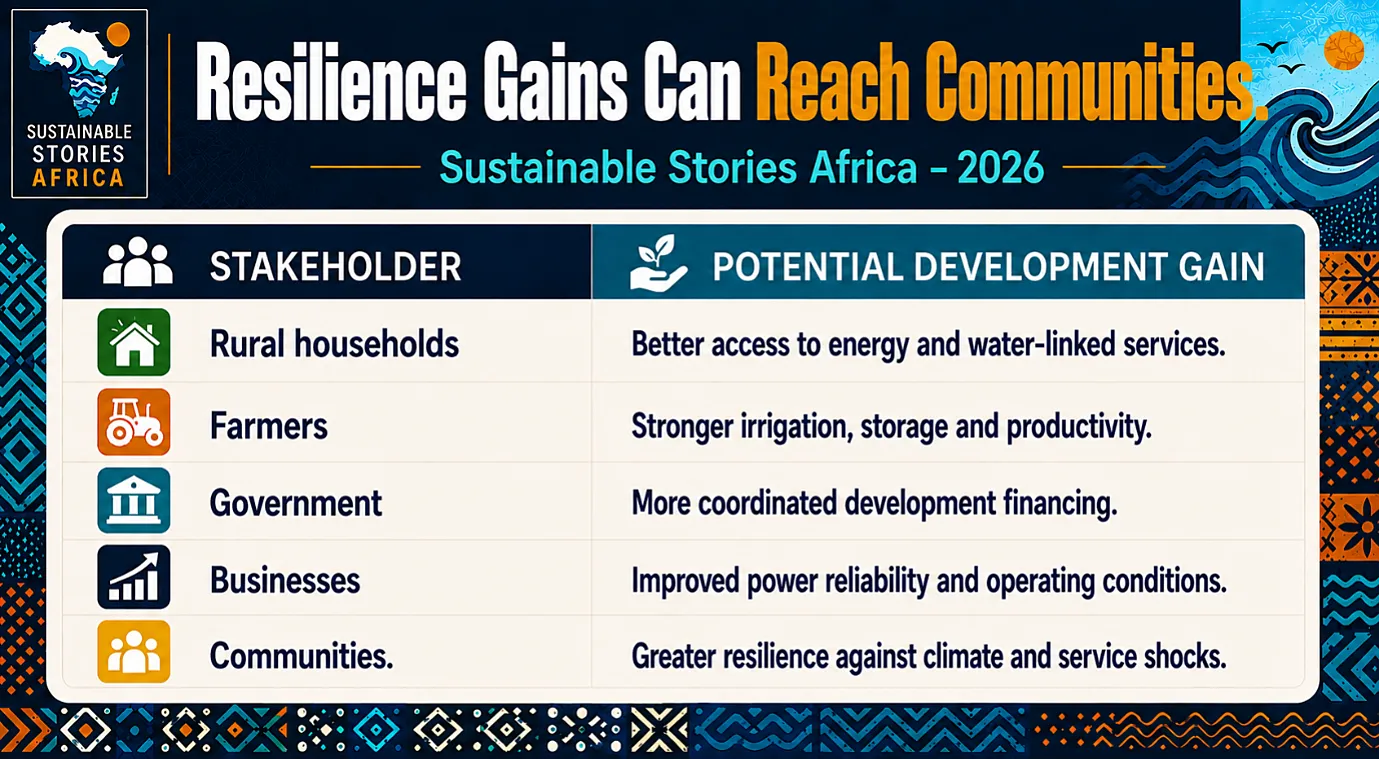
- If well executed, solar investments can reduce pressure on fuel-based generation, improve service reliability and support low-carbon development.
- If delayed, communities remain exposed to energy gaps that limit productivity and weaken resilience.
Delivery Must Match The Ambition
The next step is implementation discipline. AfDB and Eritrea will need clear timelines, transparent project milestones and strong technical coordination to ensure that planned investments translate into visible development gains.
That is where “trust and pragmatism” becomes more than diplomatic language.
It means focusing on projects that work, carefully sequencing investments, and avoiding commitments that outpace institutional capacity.
For ESG and sustainability objectives, the partnership must recognise measurable outcomes: cleaner energy, stronger livelihoods, better resilience and accountable project delivery.
Path Forward – Practical Partnerships Can Build Resilience
The path forward is focused execution: advancing solar projects, strengthening implementation capacity and aligning financing with Eritrea’s resilience priorities.
For AfDB and Eritrea, success will depend on turning trust into delivery. If projects move from dialogue to infrastructure, the partnership can support cleaner power, stronger communities and more sustainable development outcomes.
Press Release: African Development Bank and Eritrea deepen partnership rooted in trust and pragmatism