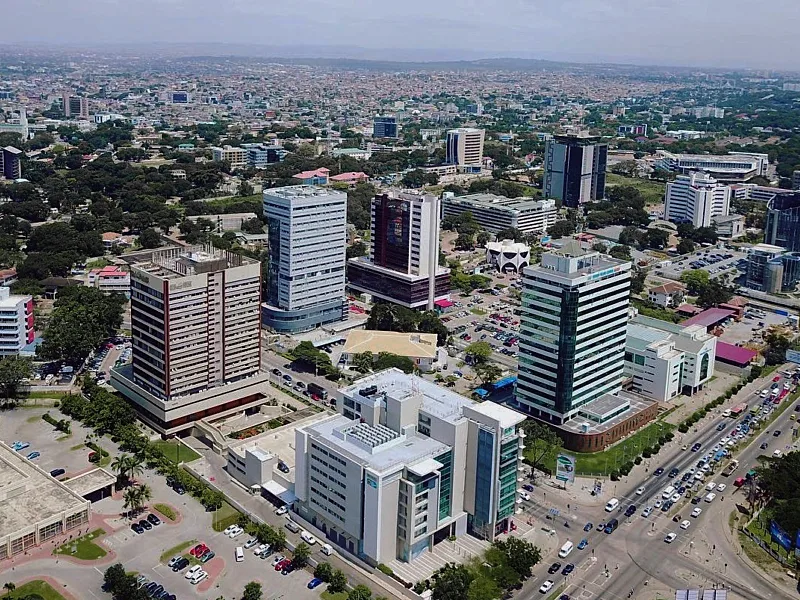
Ghana’s inflation recovery is facing a new stress test as higher fuel costs begin feeding into transport, services and household expenses.
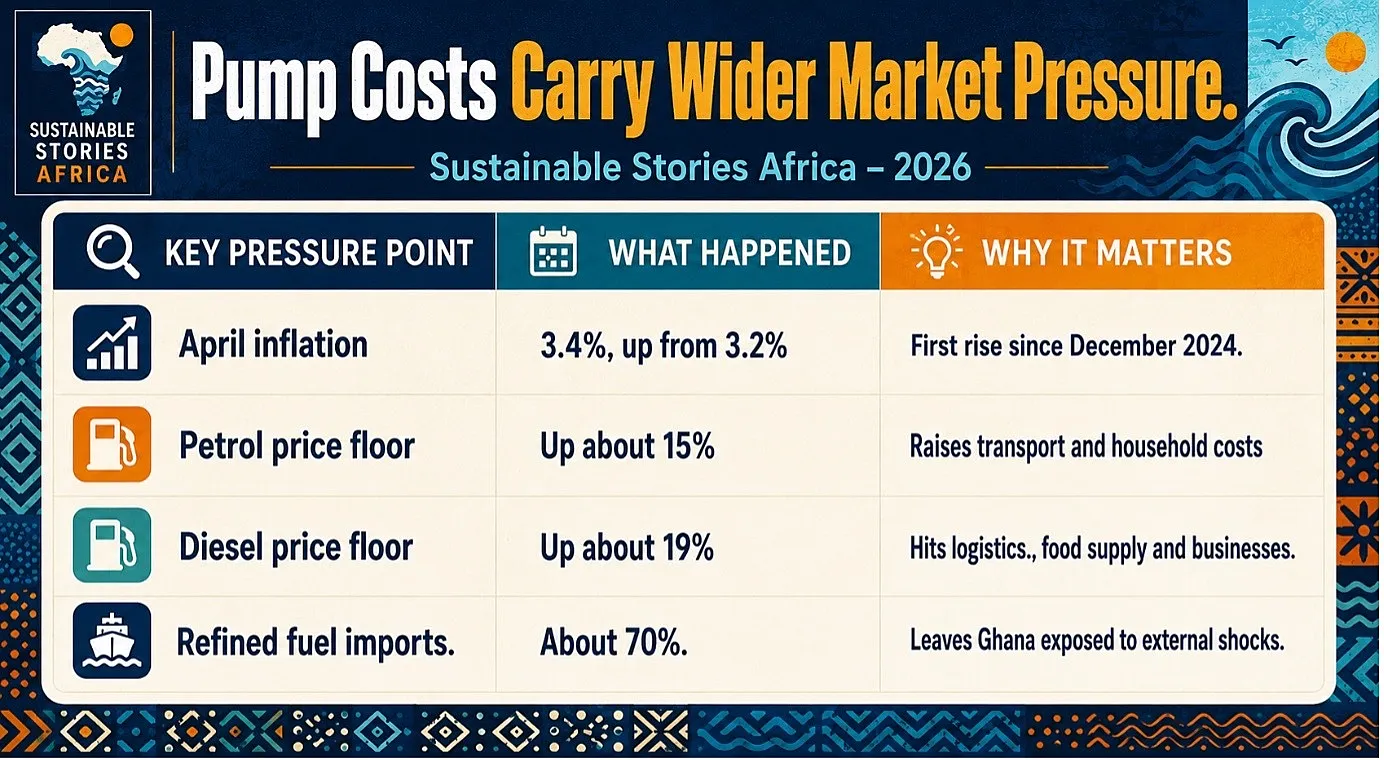
After months of easing price pressure, inflation rose to 3.4% in April from 3.2% in March.
For families, traders and businesses, the risk is simple: fuel shocks can quickly become food, rent and market shocks.
Fuel Prices Reopen Ghana’s Inflation Fight
Ghana’s hard-won inflation recovery is being tested by a renewed fuel-price shock, raising fresh questions about how long the country can keep prices stable after emerging from one of its deepest economic crises in decades.
Consumer inflation rose to 3.4% year-on-year in April 2026, up from 3.2% in March, marking the first increase since December 2024, according to data by the Ghana Statistical Service.
The pressure was driven mainly by services including transport, education, restaurants and accommodation, with officials warning that global shocks and regional disruptions were beginning to lift food and fuel prices again.
The shift matters because Ghana’s disinflation story has become a central pillar of its recovery narrative.
Lower inflation, tighter policy and stronger fiscal discipline have helped restore some confidence after debt distress, currency volatility and cost-of-living pressures.
However, fuel remains the weak point: when pump prices rise, transport fares, food distribution costs and business operating expenses often follow.
Pump Costs Carry Wider Market Pressure
The current pressure did not begin at the pump alone. Across Africa, fuel prices have surged as disruptions linked to the war in Iran pushed global oil prices higher, exposing economies that rely heavily on imported petroleum products.
Ghana raised petrol prices by about 15% and diesel by roughly 19% for the April 1 – 15 pricing window.
Ghana is especially exposed because it imports about 70% of its refined fuel, even though it is also an oil-producing country. President John Mahama said the government was considering measures to cushion consumers, including reviewing petroleum margins and exploring a formal supply agreement with Nigeria’s Dangote refinery.
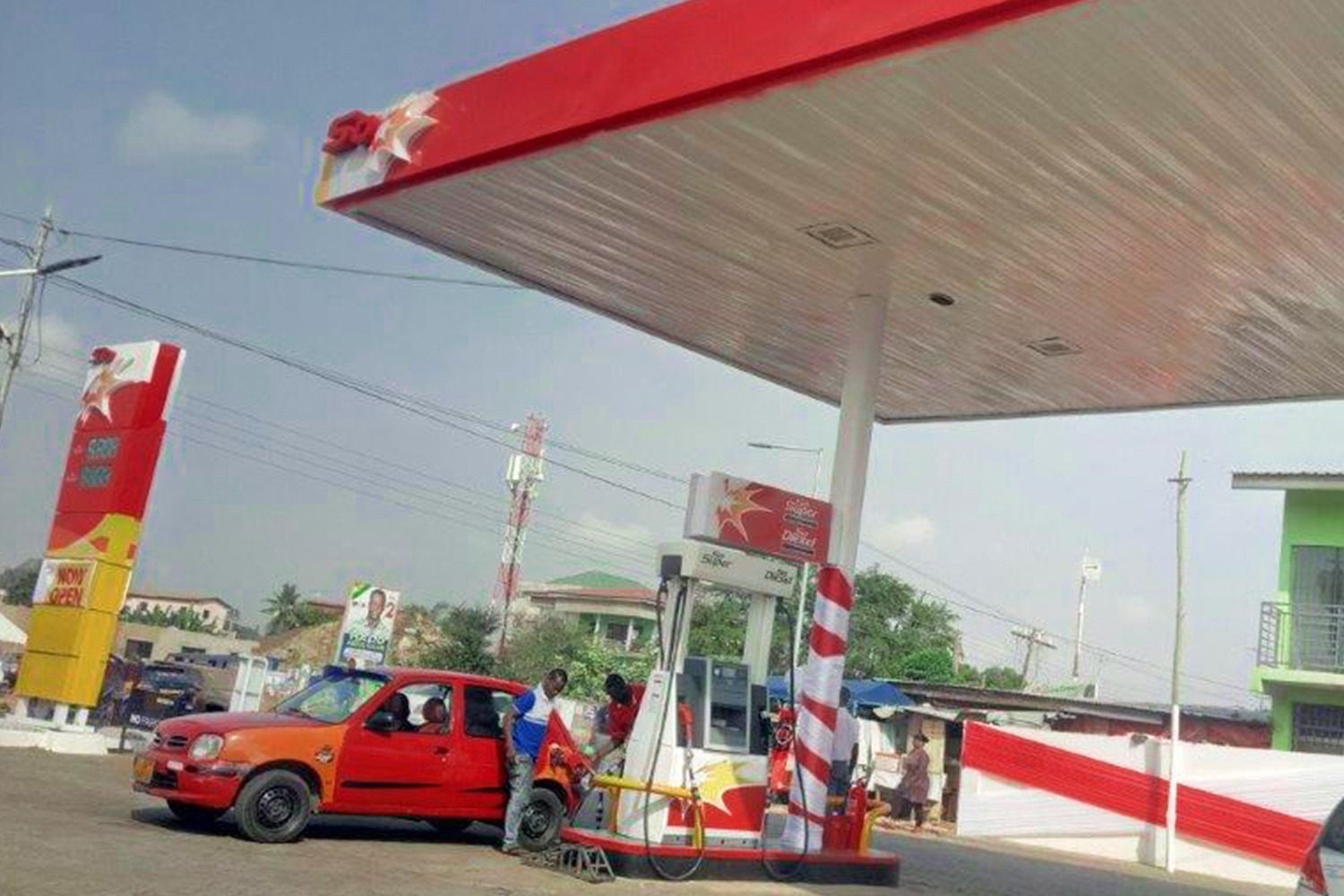
- For ordinary Ghanaians, the link is immediate. A fuel increase affects taxi fares in Accra, delivery costs for traders, school transport for families and food prices in urban markets.
- For businesses, diesel costs can shape everything from haulage to backup power, especially where grid reliability remains uneven.
Stability Gains Could Still Be Protected
The positive story is that Ghana is not facing a runaway inflation spiral. The April increase was small, and officials noted that price pressure was not yet fully reflected across all items.
That gives policymakers room to act before fuel costs become embedded in broader expectations.
Finance and tax analyst Nelson Cudjoe Kuagbedzi has warned that Ghana’s 2026 inflation outlook remains vulnerable to global fuel-price shocks. Ghana’s 2026 budget projects end-of-year inflation around 8%, within the Bank of Ghana’s medium-term target band of 8% ± 2%, but Kuagbedzi cautioned that the outlook could shift if supply disruptions persist.
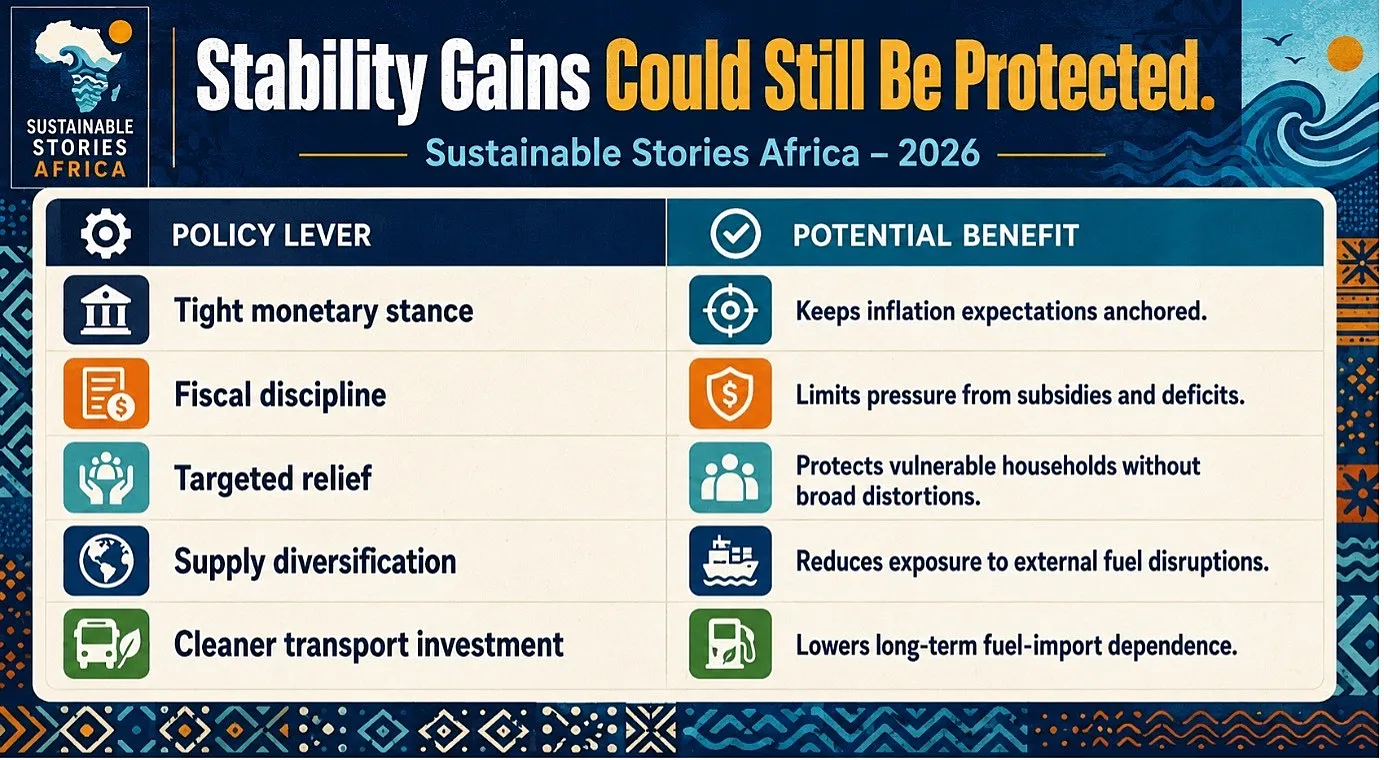
The opportunity is to treat this moment not only as a price-management challenge, but as an energy-security test.
If Ghana can protect vulnerable households while accelerating cleaner transport, domestic refining options and fiscal discipline, the country can reduce the frequency with which global oil shocks become domestic inflation shocks.
Policy Must Move Before Prices Spread
Ghana’s next policy moves should be fast, targeted and disciplined. Broad fuel subsidies may offer short-term relief, but they can strain public finances and weaken the recovery if poorly designed.
Targeted support for low-income households, transport operators, and food logistics could provide greater protection with less fiscal damage.
The Bank of Ghana and fiscal authorities will also need close coordination. If fuel prices remain elevated, monetary policy may have to stay cautious, while government spending must avoid reigniting demand-side pressure.
Businesses, meanwhile, should plan for energy-efficiency gains, route optimisation and cleaner alternatives where commercially viable.
For citizens, the issue is not abstract macroeconomics. It is the price of getting to work, moving food to market and keeping small businesses open. Ghana’s inflation recovery has been hard-won.
Preserving it will require a policy that recognises fuel as both an economic input and a social pressure point.
Path Forward – Keeping Recovery Firm Despite Fuel Shocks
Ghana’s priority is to stop fuel volatility from becoming a broader inflation cycle. That means targeted relief, disciplined public spending, stronger fuel-supply planning and continued monetary vigilance.
The longer-term ESG opportunity is clear: cleaner mobility, resilient energy systems and lower import dependence can protect households, strengthen market confidence and make Ghana’s recovery less vulnerable to the next global shock.
Culled From: High fuel prices test Ghana's hard-won inflation recovery gains - Energy in Africa