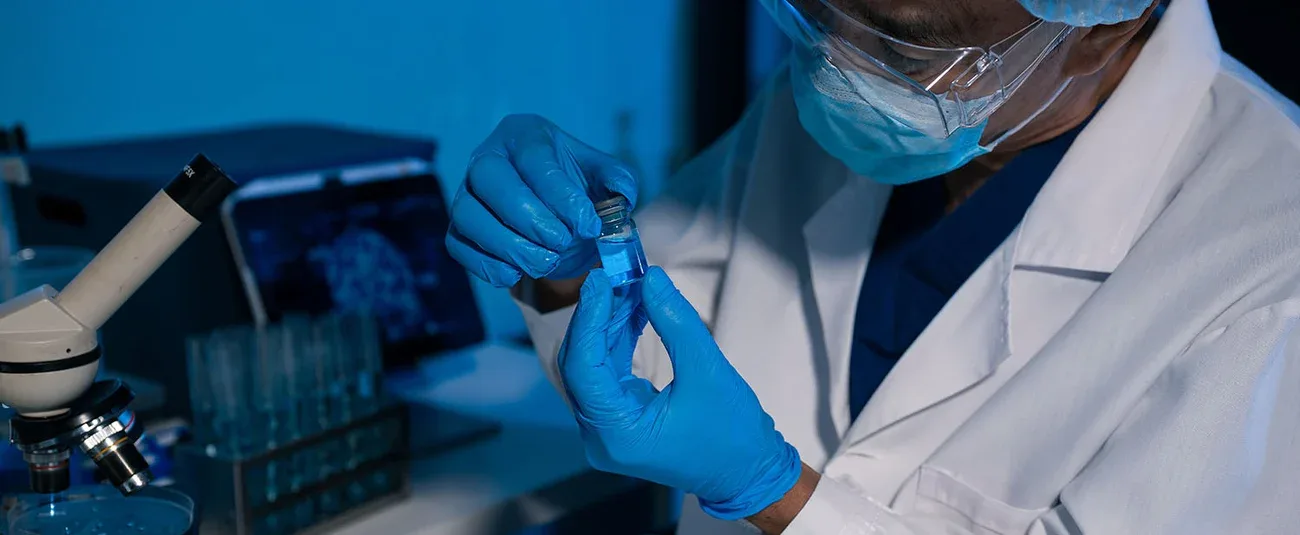
A Cape Town expansion aims to turn vaccine technology transfer into continental production, skilled jobs and faster outbreak response.
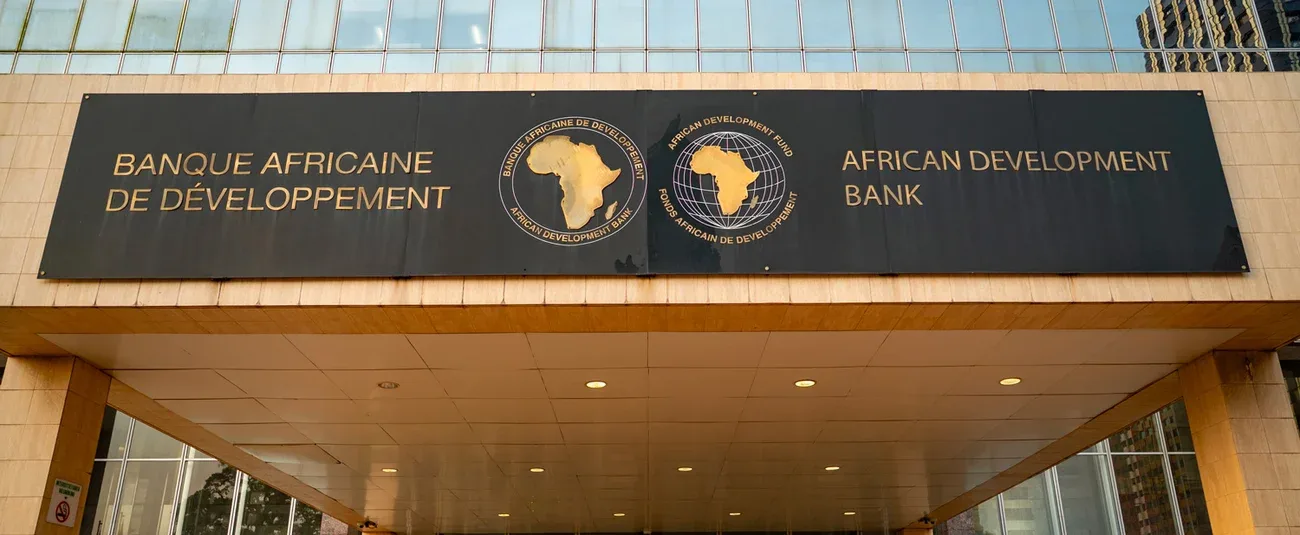
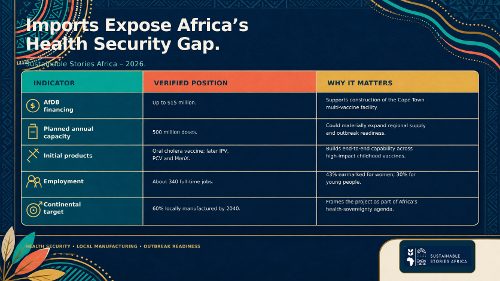
The African Development Bank and Biovac have signed a financing agreement of up to $15 million for a new multi-vaccine facility in Cape Town.
The plant is designed to make Africa’s first end-to-end oral cholera vaccine and expand annual capacity to 500 million doses.
For communities exposed to recurring outbreaks, the deal links health security with local manufacturing, skilled employment and faster access.
A Factory Built Against Future Outbreaks
The African Development Bank has agreed to lend South African manufacturer Biovac up to $15 million to help build a new vaccine facility in Cape Town, a strategic investment intended to facilitate the first end-to-end oral cholera vaccine in Africa and reduce the continent’s reliance on imported protection.
The facility, expected to be completed in 2028, will initially produce oral cholera vaccines before adding inactivated polio, pneumococcal conjugate and meningitis vaccines.
Biovac’s wider expansion is expected to lift annual production capacity to 500 million doses and create about 340 full-time jobs, with women earmarked for approximately 43% of roles and young people for 30%.
Imports Expose Africa’s Health Security Gap
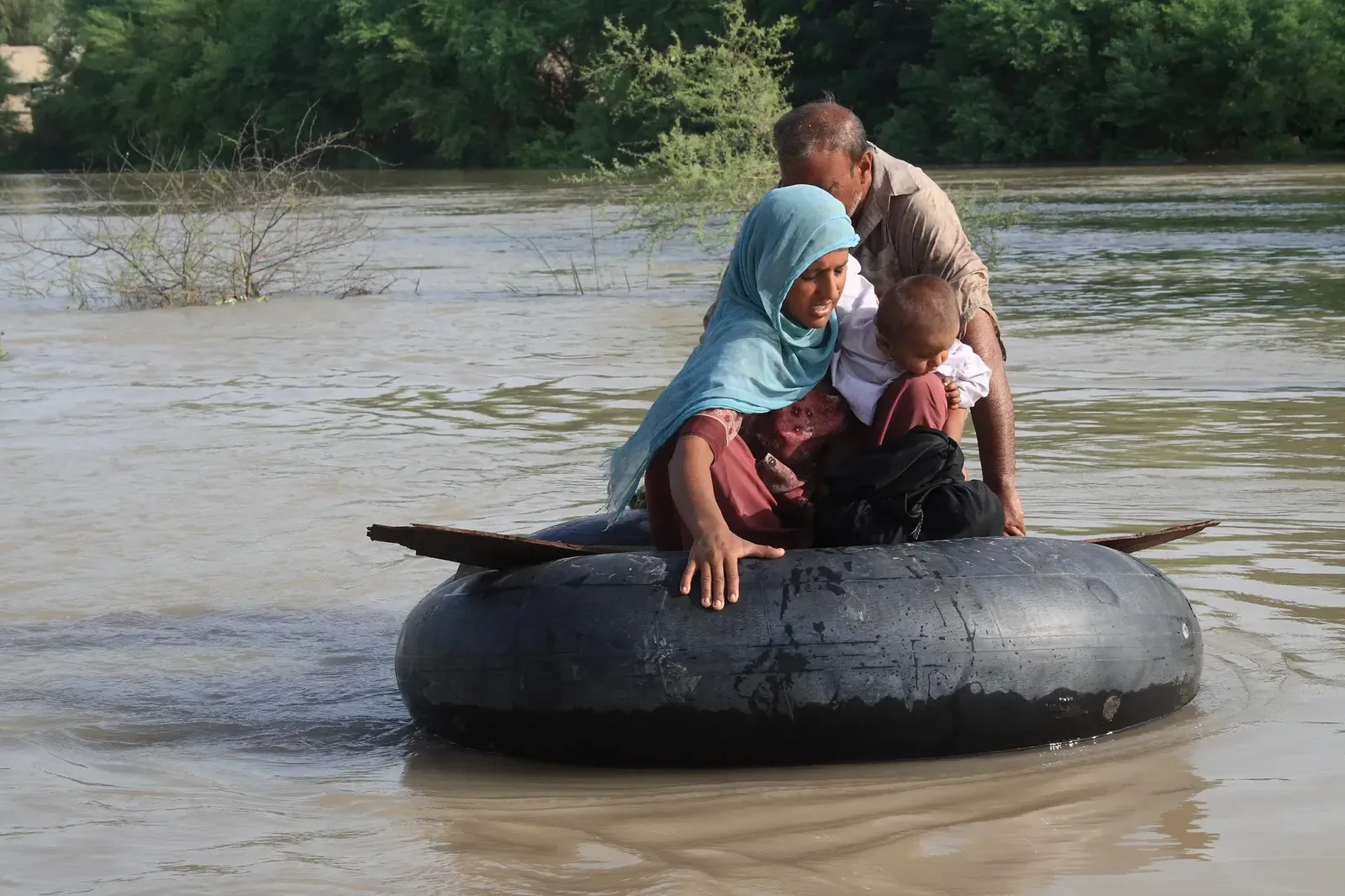
The urgency is visible whenever cholera follows floods, displacement or a breakdown in water and sanitation.
A delayed shipment then becomes more than a supply-chain problem: it can determine whether a clinic vaccinates a vulnerable community before transmission accelerates.
Africa still imports more than 99% of the vaccines it uses, while carrying a heavy burden of vaccine-preventable disease.
The African Union has set a goal for the continent to manufacture 60% of its vaccine needs by 2040.
Reaching that target requires more than fill-and-finish lines; it needs drug-substance production, quality systems, regulatory capability and reliable procurement.
Biovac’s 2022 technology-transfer agreement with the International Vaccine Institute was designed to build precisely that missing capability.
The latest financing supports the physical scale-up needed to move the project from knowledge transfer towards commercial manufacture.
Local Production Changes More Than Supply
The potential gain is resilience.
A producer able to make the antigen, formulate the vaccine and complete final manufacturing on the continent can respond more quickly to African demand, retain technical knowledge and support regional supply chains.
AfDB Vice-President Solomon Quaynor said the investment was about “building Africa’s health sovereignty” and strengthening industrial capabilities for future emergencies.
Biovac chief executive Morena Makhoana described the project as a chance to shift the continent’s relationship with health security from majority-imported vaccines towards majority-exported production.
That promise will matter only if affordable doses reach public health programmes.
The financing therefore sits within a larger ecosystem that includes development institutions, technology-transfer partners, regulators and Gavi’s $1.2 billion African Vaccine Manufacturing Accelerator, which links incentives to production milestones and vaccine procurement.
Turn Manufacturing Ambition Into Reliable Access
Governments and health agencies now need to convert factory capacity into predictable demand.
- Long-term procurement commitments, harmonised regulation and WHO prequalification can give manufacturers the confidence to invest while protecting quality and value for money.
Universities and training institutions also have a role in building expertise in bioprocessing, quality control and regulatory science.
- Without that skills pipeline, expensive infrastructure risks operating below capacity.
- With it, Cape Town can become part of a continental network able to protect children from cholera, polio, pneumonia and meningitis.
Path Forward – Builds Sovereignty Through Supply
The immediate priorities are timely construction, technology transfer, regulatory approval and dependable African procurement.
Each must advance together if 500-million-dose capacity is to become real protection.
For Africa’s 2040 manufacturing target, the Biovac deal is a test of whether development finance can create both industrial capability and equitable access.
Success will be measured not by machinery installed, but by affordable vaccines delivered before the next emergency.