Human-rights abuse allegations linked to African transition-mineral mines rose 122% to 100 cases in 2025, according to the Business & Human Rights Resource Centre.
Workers, communities and defenders face wage, safety, environmental and consultation risks as demand for critical minerals accelerates.
A credible energy transition now depends on stronger due diligence, remedy and community participation throughout mineral supply chains.
The Transition’s Human Cost Is Rising
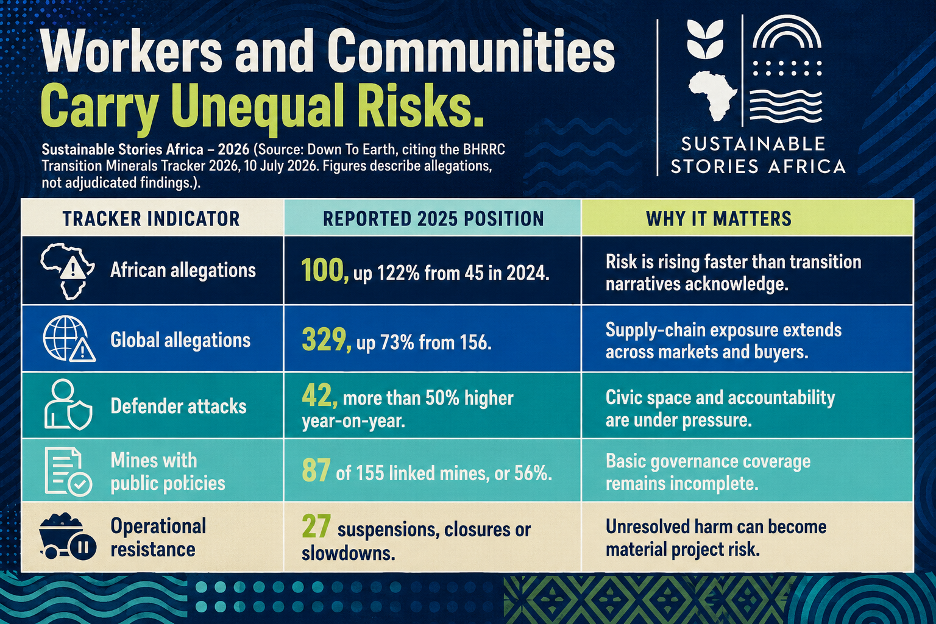
Human rights abuse allegations connected to African transition-mineral mines climbed 122% in 2025, reaching 100 cases from 45 in 2024, according to the Business & Human Rights Resource Centre’s Transition Minerals Tracker 2026. Globally, allegations rose 73%, from 156 to 329.
The increase challenges a comforting assumption that technologies labelled clean are automatically produced through just systems.
Copper, cobalt, lithium, nickel, iron ore, bauxite, manganese, zinc and rare earth elements are essential to electric vehicles, grids, batteries and wind turbines.
However, the benefits of decarbonisation can coexist with unsafe work, poor pay, pollution and weak community consent at the point of extraction.
Workers and Communities Carry Unequal Risks
The tracker has documented 1,226 allegations since 2010. Workers’ rights were the leading concern in the latest reporting, with 115 impacts including allegations of poverty-level wages, unsafe conditions and workplace deaths.
- The Democratic Republic of the Congo was identified as a major hotspot.
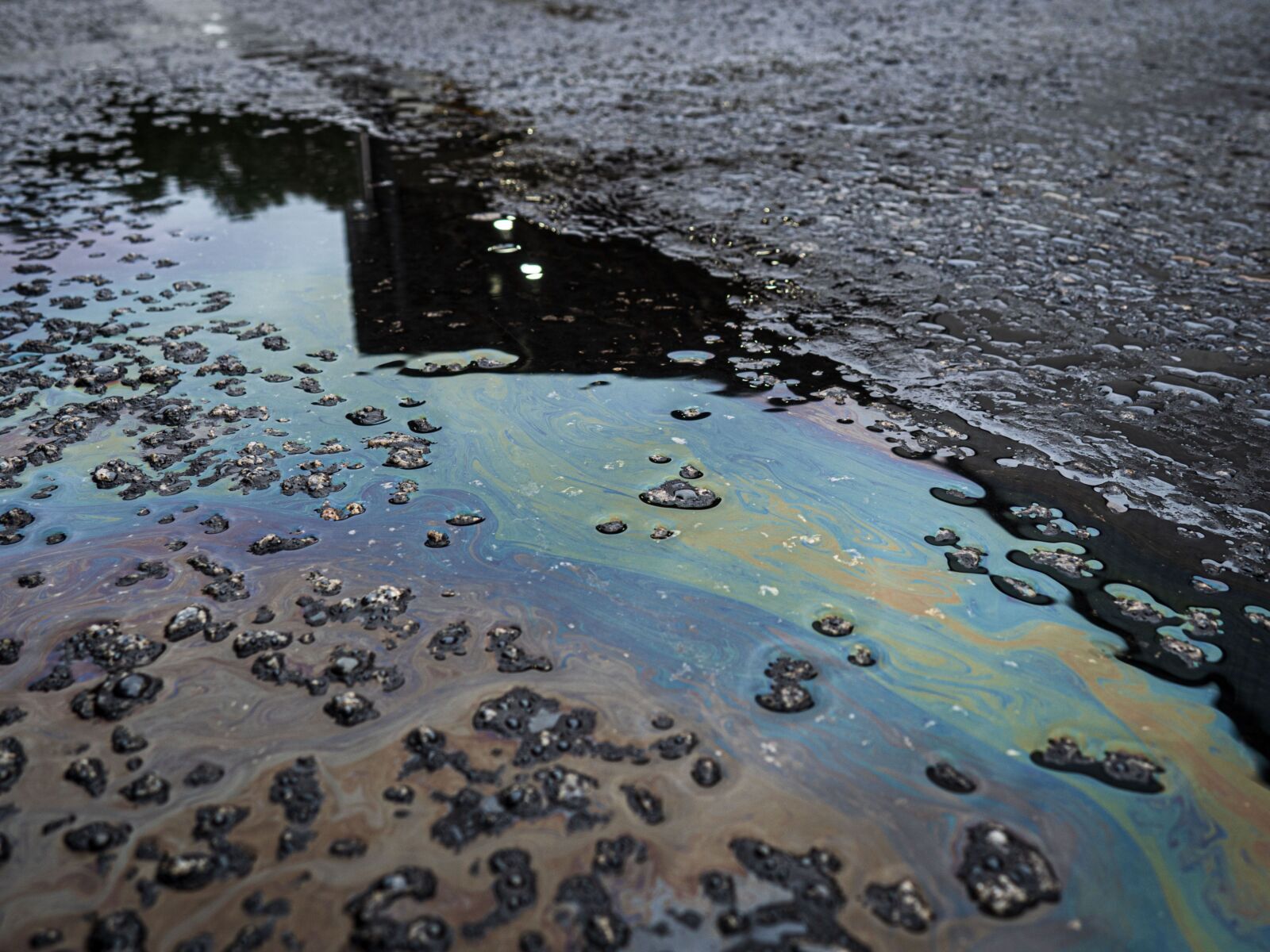
- Zambia’s environmental risks drew attention after a February 2025 tailings-dam failure at the Sino-Metals Leach copper mine reportedly released an estimated 50 million litres of toxic waste into the Kafue River system.
- Uganda also entered the tracker through an allegation concerning the Makuutu rare-earth project.
Communities accused the developer of inadequate consultation over land, water and long-term benefits; the company denied the claims and said extensive engagement had occurred. The dispute illustrates why allegation data must be reported carefully and why accessible grievance and investigation processes matter.
Weak Accountability Can Disrupt Mineral Supply
The costs extend beyond reputation.
- The tracker recorded 42 attacks on human-rights defenders in 2025, more than 50% above the previous year, alongside 61 protests, 10 strikes and 34 lawsuits.
- Community resistance contributed to 27 mine suspensions, closures or slowdowns. When affected people lack credible avenues for remedy, unresolved harm can become operational, legal and financing risk.
Corporate safeguards remain uneven. Of 155 mines linked to at least one allegation globally in 2025, only 87, or 56%, had a publicly available human rights policy.
A policy alone does not prove responsible practice, but its absence can indicate that basic expectations on due diligence, worker protection, community engagement and remedy have not been formalised.
A Just Supply Chain Needs Enforcement
African governments can strengthen licensing;
- By requiring human rights and environmental due diligence, beneficial-ownership transparency, independent monitoring, enforceable closure plans and funded remediation.
Investors and buyers should;
- Trace mineral origin, assess contractor practices, disclose severe impacts and use purchasing leverage to improve conditions rather than exiting without remedy.
Communities need timely information;
- In accessible languages, meaningful participation before key decisions, protection for defenders and grievance channels independent of the mine’s management.
Workers need;
- Living wages, freedom of association, safety systems and compensation when harm occurs.
Regional value-addition strategies should also ensure that industrial gains do not depend on shifting social and ecological costs onto mining districts.
Path Forward – Make Minerals Truly Just
Africa’s critical-mineral opportunity should be measured by more than export volumes.
Governments, companies and financiers must publish due diligence outcomes, investigate allegations, finance remediation and make community consent and worker safety central to project approval.
The clean-energy transition will lose legitimacy if its supply chains reproduce old extractive harms.
A just transition begins at the mine gate, with enforceable rights, transparent accountability and a fairer share of value for the people whose land and labour supply the future.
Culled From: https://www.downtoearth.org.in/africa/human-rights-abuse-allegations-double-at-africas-transition-mineral-mines