The second financing agreement will fund roads, water, urban renewal and social facilities while strengthening local delivery capacity.
The African Development Bank and Morocco’s Fonds d’équipement communal have signed a second €150 million municipal-development financing agreement.
The facility will support sustainable and climate-resilient roads, water networks, urban renewal and educational and cultural infrastructure.
Its real test will be whether stronger municipal finance produces more reliable services, particularly for rural and underserved communities.
Municipal Finance Returns To The Frontline
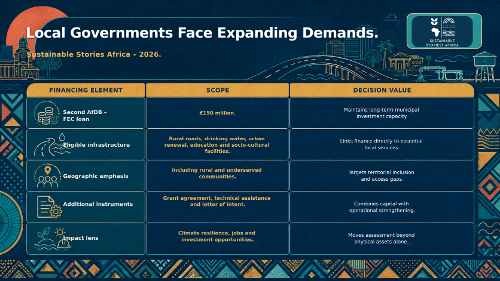
The African Development Bank and Morocco’s Fonds d’équipement communal have signed a second €150 million financing agreement to fund municipal investment, renewing a partnership aimed at improving essential services and climate resilience across the country.
Signed in Rabat on 22 July, the package will enable FEC, Morocco’s specialist local-government financing institution, to continue supporting rural roads, drinking-water networks, urban renewal, and educational, social and cultural facilities.
The parties also signed a grant agreement and a letter of intent to set out a longer-term strategic cooperation framework.
The deal matters because citizens experience development locally.
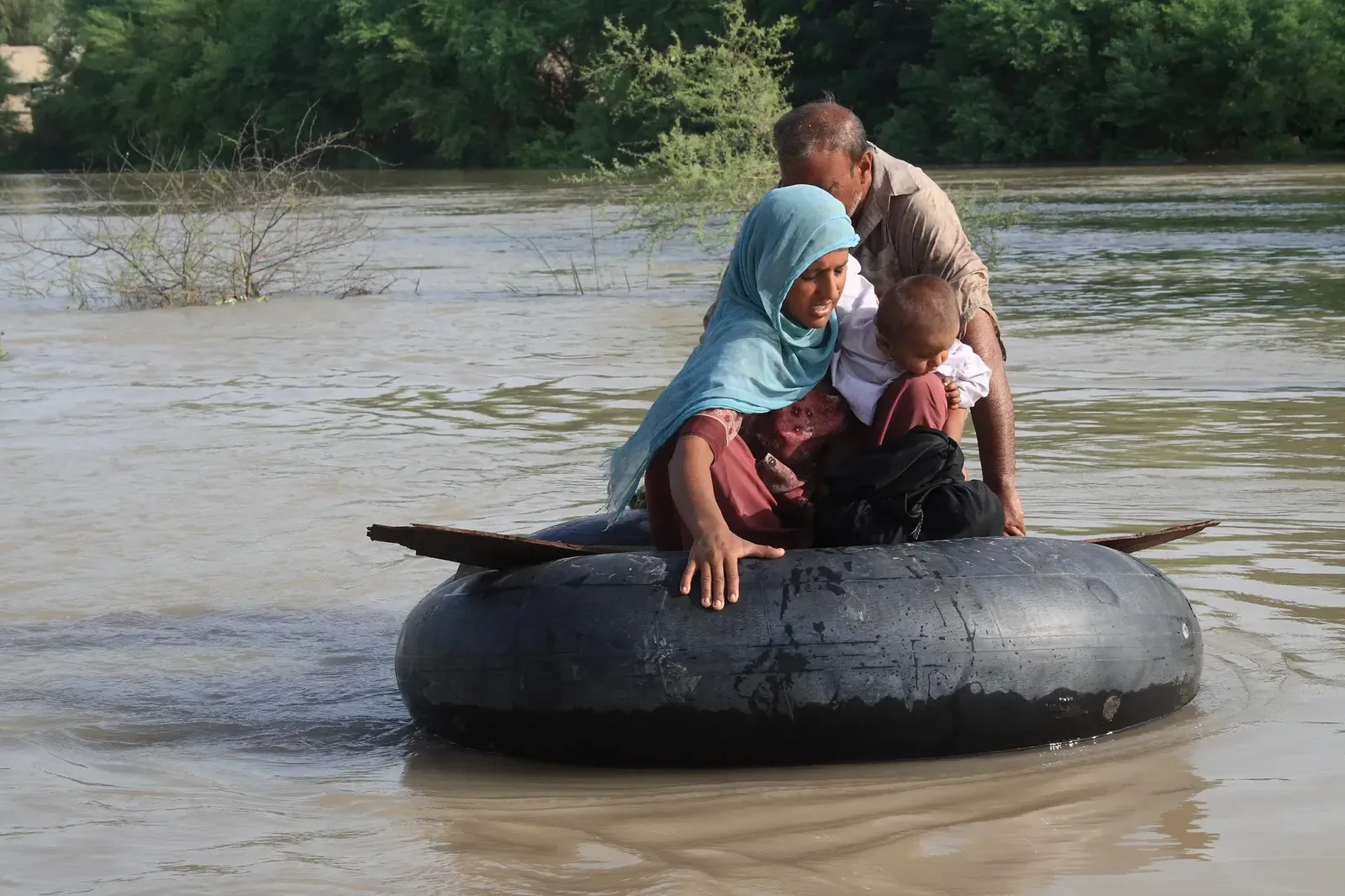
A national climate plan may be ambitious, but resilience is tested when a road floods, a neighbourhood lacks water or a municipality cannot finance a school, market or community facility.
Local Governments Face Expanding Demands
Moroccan municipalities must respond simultaneously to population growth, territorial inequality, water stress and climate-related hazards.
Their investment needs often exceed annual budgets, making long-term finance and project preparation essential.
FEC channels funding to local authorities and public entities, translating national priorities into projects that can be implemented in particular towns and provinces.
A second financing agreement suggests the first partnership created a workable pipeline and that both institutions see value in continuity.
The new package places particular emphasis on rural areas and underserved communities.
Better roads can connect farmers and workers to markets; reliable drinking-water systems improve public health; and urban renewal can make neighbourhoods safer and more economically productive.
Infrastructure Can Multiply Local Opportunity
Municipal infrastructure creates value beyond the asset itself. A water connection can release time for education and paid work.
A passable rural road can reduce transport losses. A renovated public space can support small businesses, while schools and cultural centres strengthen social cohesion.
Climate-resilient design protects those benefits. Projects must account for heat, drought, flash floods and future demand rather than replacing yesterday’s infrastructure.
That requires good engineering, transparent budgets, consultation and maintenance plans.
AfDB will provide technical assistance to strengthen FEC’s operational capacity.
This is important because the quality of appraisal, environmental and social safeguards, procurement and impact monitoring will determine whether the loan produces durable outcomes rather than a list of completed contracts.
Measure Services Not Only Disbursements
FEC and participating municipalities should publish project selection criteria and track results that residents can recognise:
- Hours of water service, kilometres of all-weather access, beneficiaries reached, local jobs created and infrastructure protected against climate risk.
Community participation should begin before design is finalised, particularly where land, affordability or relocation may be involved.
Procurement can also support local firms and skills, provided competition and quality remain strong.
The partnership should align financing with Morocco’s territorial-development priorities while preventing stronger municipalities from capturing a disproportionate share.
Technical assistance must help smaller and rural authorities prepare bankable projects and meet reporting requirements.
Path Forward – Brings Finance Closer Home
The next step is a transparent, climate-screened project pipeline that gives rural and underserved areas genuine access to the facility.
Strong appraisal, safeguards and maintenance plans should precede disbursement.
Success will be visible in reliable water, safer roads and public facilities that continue to work under climate stress.
By pairing €150 million with institutional support, AfDB and FEC can show how municipal finance turns national sustainability goals into everyday public value.