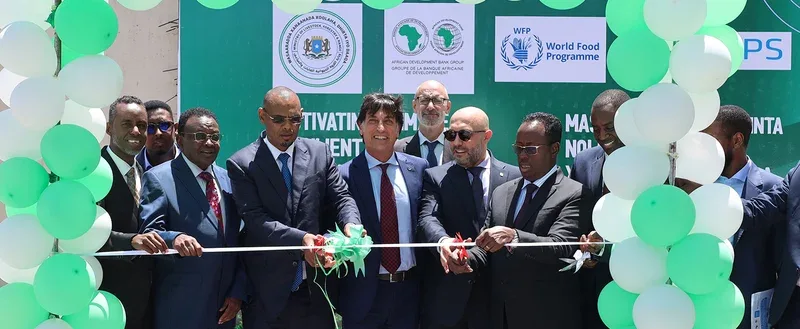
The African Development Bank Group and WFP have launched an $87 million agriculture resilience project for Sudan.
The four-year BOOST initiative will support farmers in key food-producing areas as conflict and hunger continue to disrupt rural livelihoods.
For Sudan, the project signals a shift from emergency relief alone toward local food production, incomes and long-term resilience.
Sudan’s Food Crisis Needs Farms Working Again
Sudan’s hunger crisis has become one of Africa’s most urgent tests of whether development finance can still work amidst conflict.
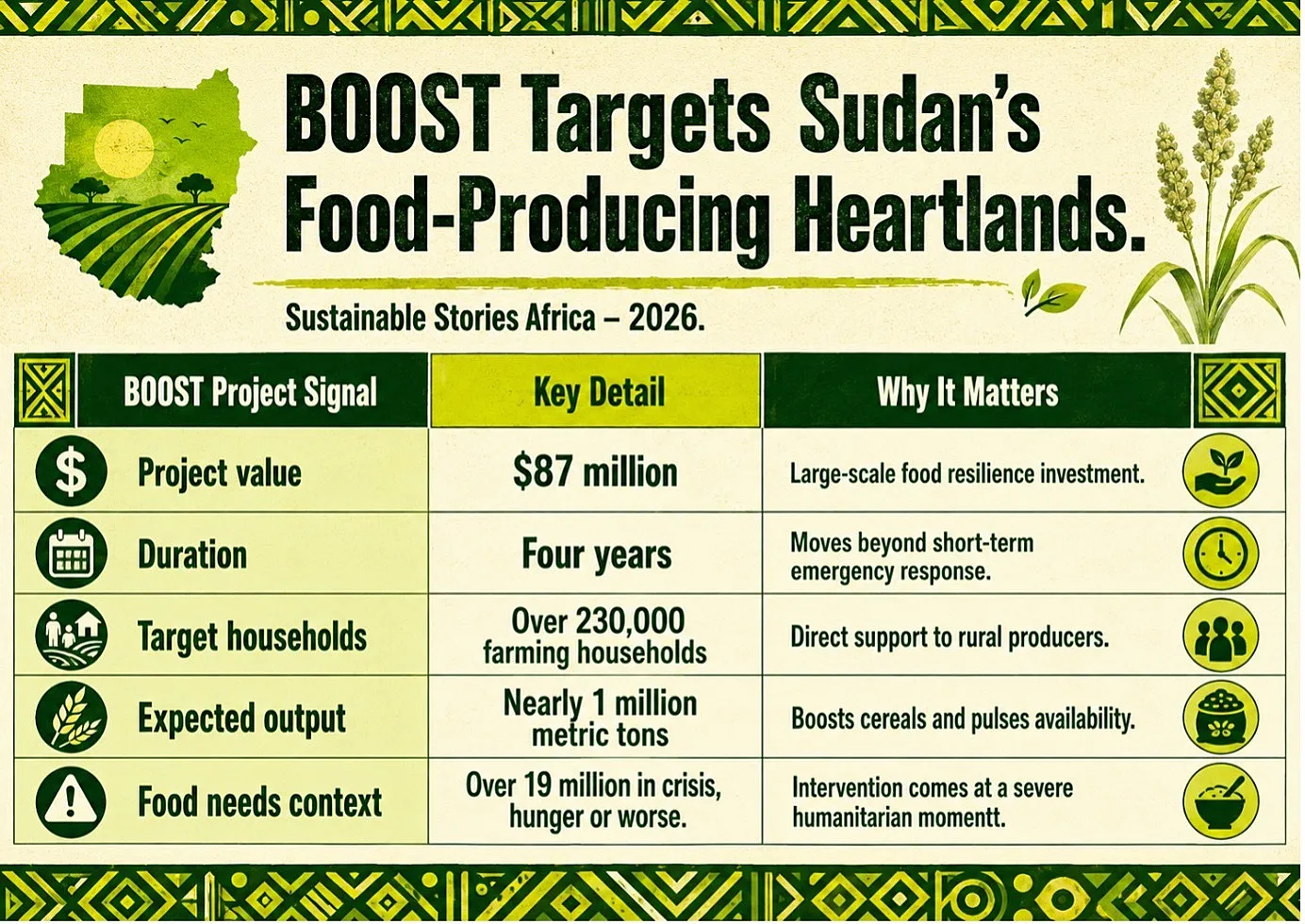
The African Development Bank Group and the United Nations World Food Programme have signed an “$87 million Boosting Agrifood Systems Resilience in Sudan project”, known as BOOST, to strengthen food systems and provide practical support to farmers in regions central to the country’s food supply.
The four-year project was launched on 22 May 2026 at AfDB’s East Africa Regional Office in Nairobi.
It comes as more than 19 million people in Sudan face crisis levels of hunger or worse, according to the WFP’s announcement.
The message is clear: Sudan cannot feed itself through emergency assistance alone. It also needs farmers who can plant, harvest, store, sell and earn even in difficult conditions.
BOOST Targets Sudan’s Food-Producing Heartlands
The BOOST project will operate across rainfed farming areas in Sennar State and Blue Nile State.
Two regions with genuine productive potential, weakened by conflict, rudimentary practices and pressure at the subsistence level.
Working with more than 230,000 farming households, the project is expected to support the production of nearly 1 million metric tons of cereals and pulses, enough to meet the annual cereal needs of approximately 9 million people and pulse needs of over 15 million.
BOOST builds on the Sudan Emergency Wheat Production Project, also financed by the African Development Bank and implemented by WFP, which demonstrated that agricultural support could protect productive capacity even during active conflict.
WFP Sudan Country Director Abdallah Alwardat captured the shift plainly: farmers supported by WFP told him they needed no food assistance during the war; they had preserved agricultural schemes and improved yields of wheat and sorghum.
That observation reframes the narrative. Sudanese farmers are not only victims of the crisis. With the right support, they can become an active infrastructure for national recovery.
Local Production Can Reduce Dependency
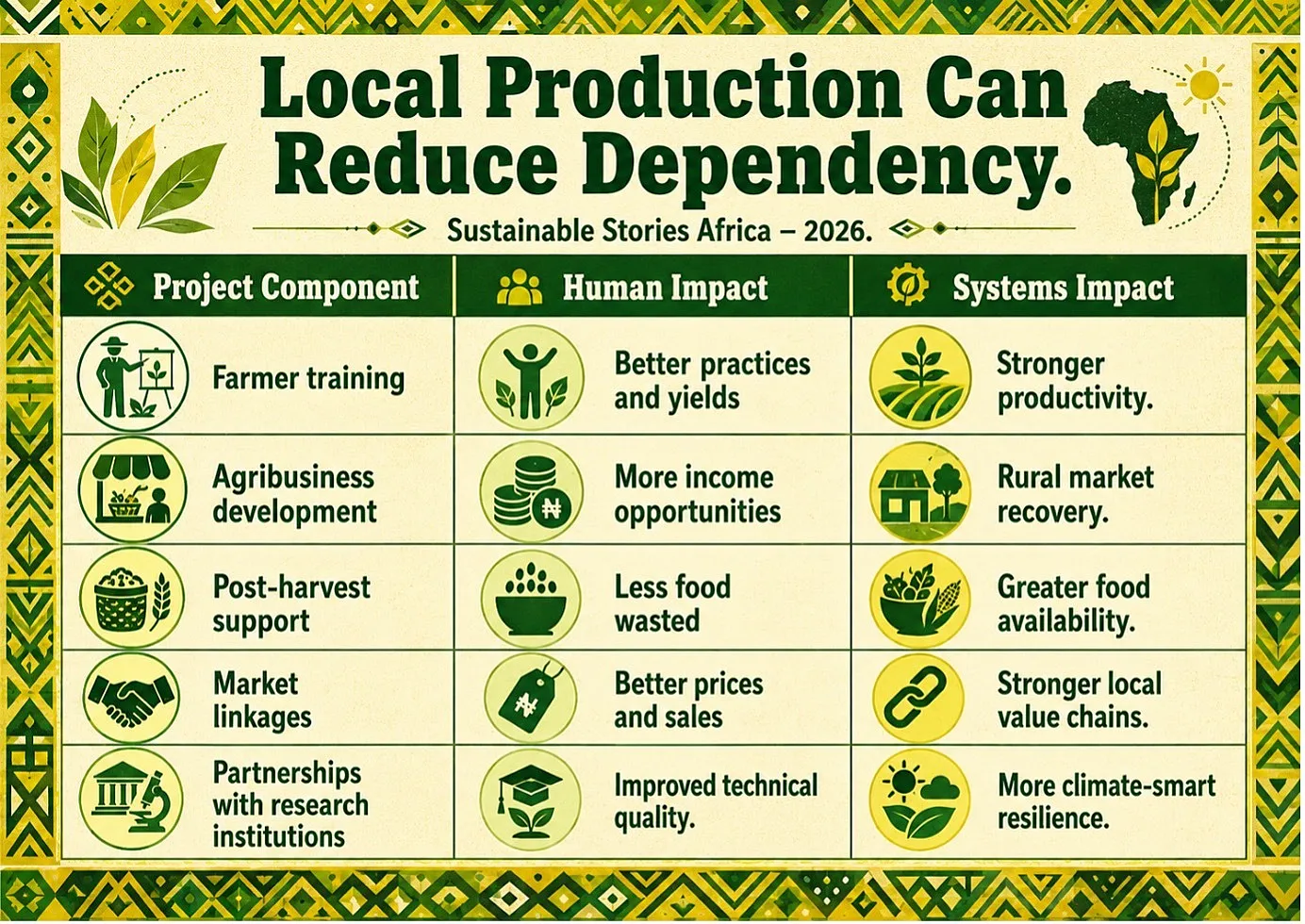
BOOST's most important contribution is its focus on production, not only relief.
Food aid saves lives during emergencies; however, local food production protects dignity, markets and rural economies, keeping traders, transporters, millers and communities economically active.
- For Sudanese families, this means fewer days waiting for food distribution and more days earning from the land.
- For rural youth, agribusiness support creates practical work opportunities.
- For women, stronger farmer groups and value-chain participation can improve household resilience and market inclusion.
The project also targets post-harvest losses, a critical but often overlooked dimension of food security. In fragile food systems, grain lost to poor storage, weak transport or absent buyers represents wasted harvests and wasted recovery potential.
AfDB Country Manager David Muthusi Mutuku framed the investment plainly: supporting Sudan's farmers is investing in the country's recovery.
In Sudan today, agriculture is not only a sector intervention; it is a stabilisation tool.
Financing Must Reach Farmers Fast
The next test for BOOST is implementation. In conflict-affected environments, timing is everything; inputs, training, post-harvest systems and market linkages must reach farmers before seasonal windows close.
A missed planting season cannot be recovered.
The partnership model is equally critical. BOOST will be delivered by WFP under AfDB's third-party implementation arrangements, reflecting a practical reality of fragile settings: development banks need partners with field presence, logistics networks and community access.
The AfDB-WFP Sudan partnership has already invested $267 million in resilience activities since 2023, BOOST extends that cooperation into a wider food-systems agenda.
The signal for African markets is clear. In countries facing conflict, climate shocks and food-price pressure, food security cannot depend only on imported assistance.
It must protect local production, farmer income, storage and rural enterprise, and resilience must be built while the crisis is still unfolding, not after the emergency has passed.
Path Forward – Help Farmers Rebuild Food Systems
Sudan’s food recovery needs timely finance, secure access, farmer training, post-harvest systems and stronger market links.
BOOST should prioritise speed, inclusion and practical support to farming households.
The ESG case is urgent. Supporting local production can reduce hunger, protect livelihoods, strengthen rural economies and build resilience in fragile communities. In Sudan, every productive harvest is also a development gain.
Culled From: African Development Bank Group launches project to BOOST agriculture in Sudan