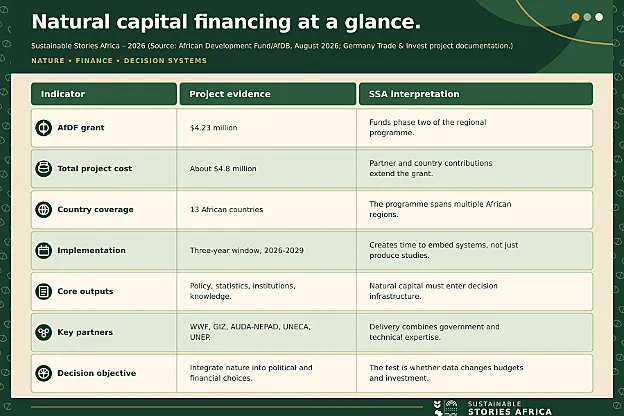
13 African countries are set to receive support under a $4.23 million African Development Fund grant aimed at putting natural capital more firmly into development decisions.
The three-year initiative will strengthen policies, statistics, institutions and knowledge systems.
Its significance extends beyond conservation: valuing forests, water, land and ecosystems could change how governments assess national wealth, public investment and development finance.
Africa moves nature onto balance sheet
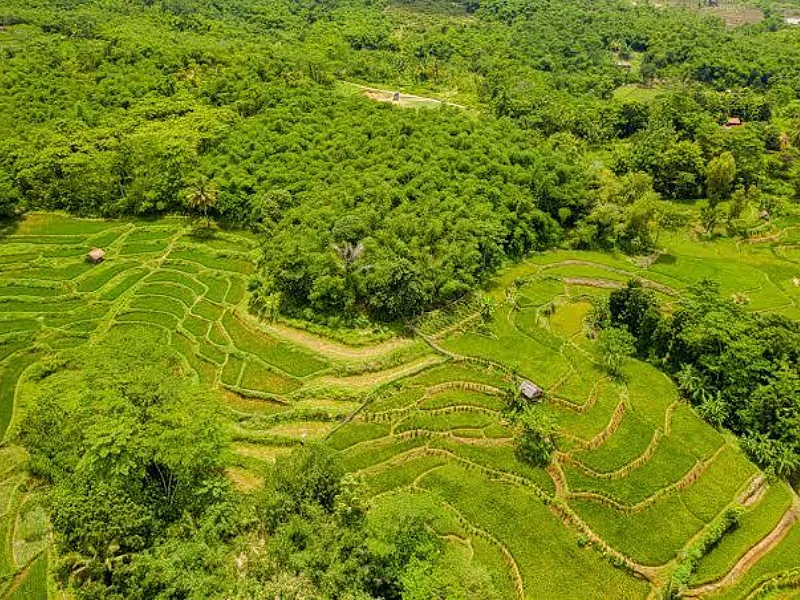
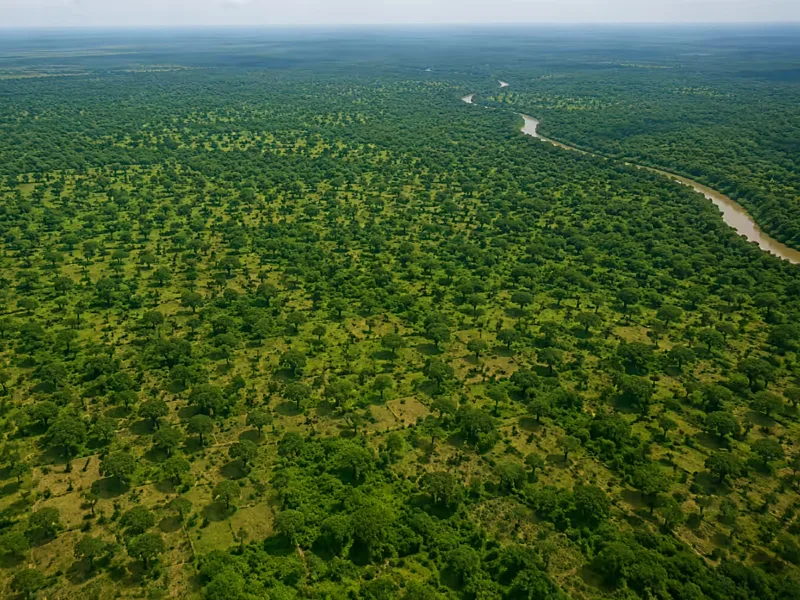
Africa's forests, rivers, soils and ecosystems underpin agriculture, tourism, water security and livelihoods; however, much of that value remains poorly reflected in conventional economic decision-making.
The African Development Fund, the concessional financing arm of the African Development Bank Group, has approved a $4.23 million grant for the second phase of a programme designed to integrate natural capital into African development financing.
The programme covers Burundi, Cameroon, Central African Republic, Democratic Republic of Congo, Ghana, Cote d'Ivoire, Kenya, Mozambique, Rwanda, Tanzania, Togo, Zambia and Zimbabwe.
Its central proposition is straightforward: economies cannot manage natural assets responsibly if policymakers do not adequately identify, measure and account for their economic value.
Better data could change investment choices
The initiative is expected to generate improvements across policy, statistics, institutions and knowledge, with implementation scheduled over three years.
Partner institutions are expected to provide in-kind contributions, including WWF, Germany's GIZ, the African Union Development Agency-NEPAD, UN Economic Commission for Africa, and the United Nations Environment Programme, alongside participating governments.
Germany Trade & Invest, citing project documentation, puts total project costs at approximately $4.8 million and describes the programme as an effort to create stronger conditions for valuing natural capital and incorporating it into political and financial decisions.
That could influence how governments think about infrastructure, agriculture, mining, forestry and public spending.
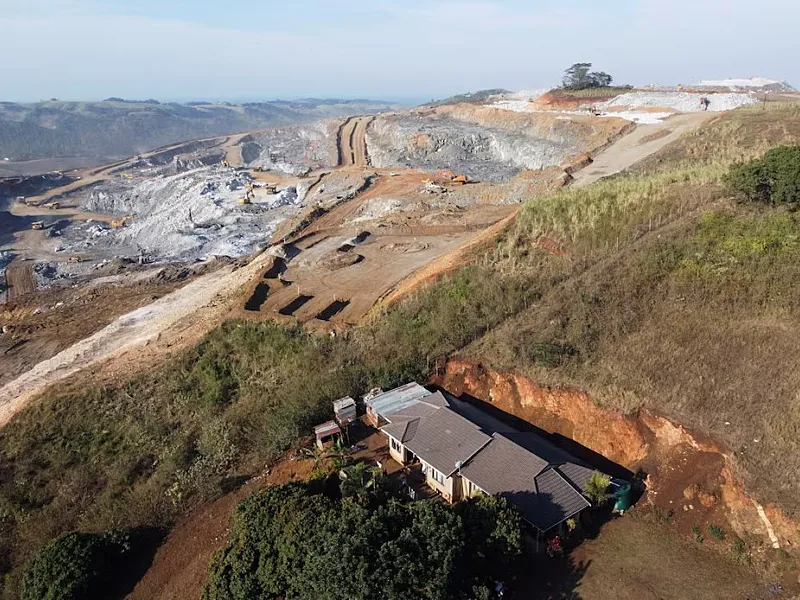
A road or mine may increase conventional GDP while simultaneously degrading forests, soils or water resources.
Natural-capital accounting is intended to make those losses more visible alongside the economic benefits.
Nature valuation can improve development quality
For African countries, the opportunity is not to put a simplistic price tag on every ecosystem.
- Rather, better natural-capital information can help finance ministries, planning authorities and investors to see environmental assets as components of productive wealth instead of treating their depletion as economically invisible.
That matters particularly where national growth remains closely linked to agriculture, forestry, minerals, fisheries and tourism.
- Better information could help governments identify trade-offs earlier, channel finance towards restoration and resilient infrastructure, and assess whether investment is increasing national wealth or merely converting natural assets into short-term revenue.
The project can also strengthen Africa's case in global climate and biodiversity finance negotiations by improving the evidence available on the economic contribution of ecosystems.
Measurement must be translated into policy decisions
The programme's success, however, will depend on what governments do with the data.
- Natural capital accounts that remain inside statistical agencies will have limited impact.
- The information needs to influence budgets, infrastructure appraisal, land-use decisions, environmental assessments and investment frameworks.
Financial institutions can also incorporate the evidence into risk assessment, particularly where businesses depend heavily on water, forests, healthy soils or ecosystem services.
This means ministries of finance and planning must participate alongside environmental agencies.
Natural capital becomes economically consequential only when ecological evidence enters the institutions that allocate public and private money.
Path Forward – Africa must make natural wealth count
The next three years should demonstrate whether participating countries can move natural-capital accounting from specialist environmental work into routine economic and financial decisions.
If successful, the project could strengthen a broader African development principle: growth should be assessed not simply by what economies extract and produce today.
However, by whether the natural assets supporting prosperity remain productive for the next generations that follow.