Niger is placing oasis protection and local value chains at the centre of development planning for the climate-vulnerable Kawar region.
Kawar Week discussions in Niamey linked water security and ecosystem health to improved transport, storage, processing and climate-resilient agriculture.
The strategy challenges a false choice between conservation and growth: in northern Niger, the natural system is itself economic infrastructure to support dates, salt, natron and community livelihoods.
Oases become economic infrastructure
Niger is elevating the protection of oasis ecosystems and the expansion of local value chains as interconnected development priorities, reflecting a growing recognition that climate resilience in arid regions depends on protecting the natural systems that enable economic activity.
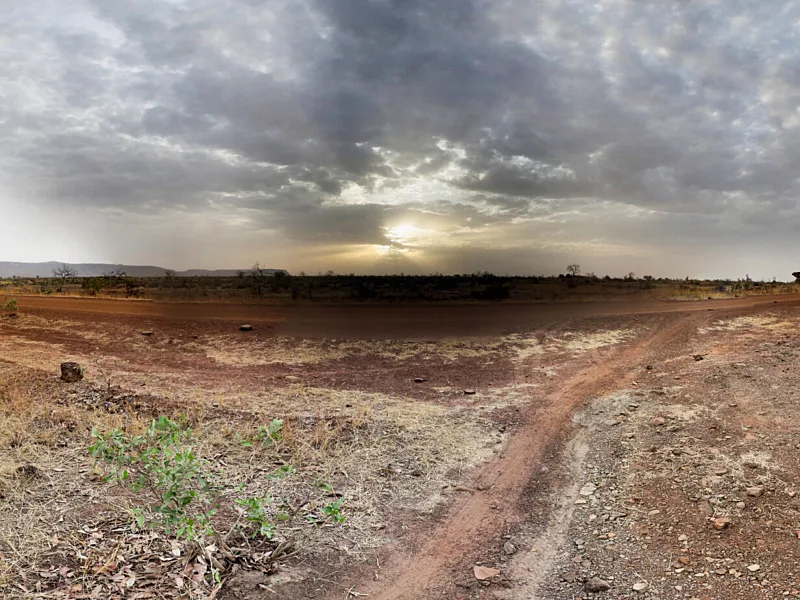
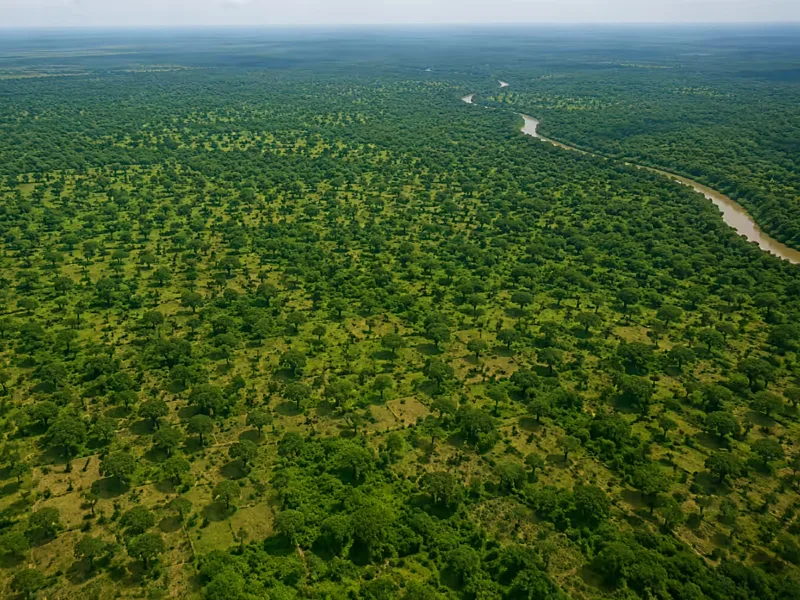
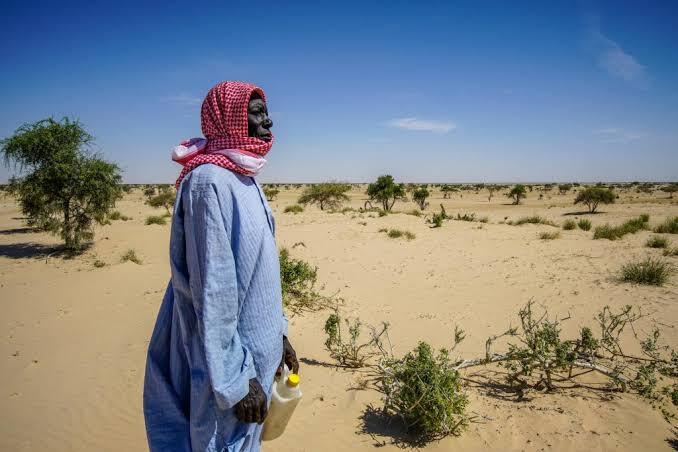
During Kawar Week discussions in Niamey, government representatives, local authorities, development partners and community stakeholders focused on northern Niger's Kawar region, where scarce water sustains agriculture, settlements and long-standing trade in dates, salt and natron.
The oases are under pressure from water scarcity, land degradation and rising climate variability.
That makes ecosystem decline more than an environmental loss: it threatens farm output, household incomes, food security and the commercial base of communities operating in one of the Sahara's harshest environments.
Local value must stay local
Participants argued that resilience also requires stronger economic infrastructure.
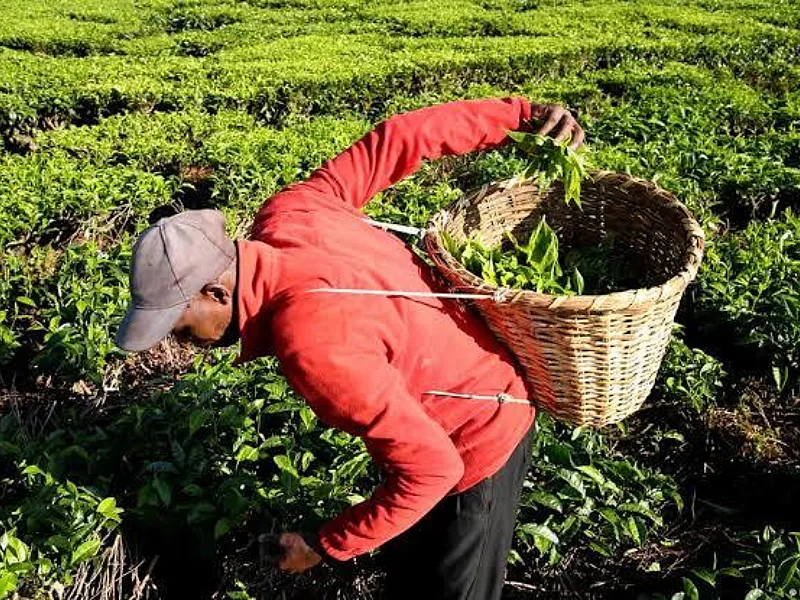
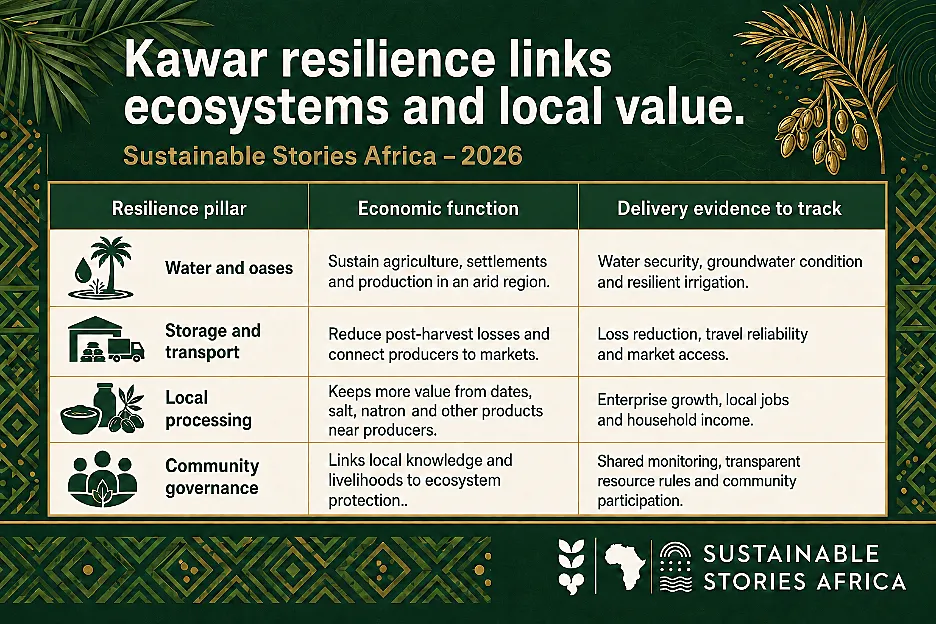
Better transport links, storage and local processing could allow producers to retain more value from crops and minerals while reducing post-harvest losses and creating jobs closer to where resources are produced.
The model matters across Africa.
- Rural regions often export raw products while higher-value processing, packaging and distribution take place elsewhere.
In Kawar, improving the commercial viability of dates, salt and other products could diversify income streams and reduce dependence on volatile external markets.
However, value-chain investment cannot be separated from water.
- More processing or agricultural expansion without sustainable resource management could intensify pressure on already fragile systems.
- This is why the discussion emphasised irrigation, reliable water infrastructure and climate-resilient farming alongside enterprise development.
Healthy oases also provide services that do not appear neatly on company accounts.
- They support groundwater systems, moderate local conditions and help communities maintain productive livelihoods.
Treating these functions as infrastructure changes the investment question from whether conservation is affordable to what economic losses follow when ecosystems degrade.
Resilience can create better livelihoods
An integrated approach could expand the range of opportunities available to communities.
- Improved storage can reduce waste; local processing can increase margins; resilient irrigation can protect yields; and ecosystem restoration can help preserve the resource base on which all three depend.
For climate-finance providers;
- Kawar offers a practical model for blended development outcomes.
- Financing can connect restoration with water systems, rural infrastructure and local enterprises rather than treating adaptation as a stand-alone environmental programme.
Community participation will be essential.
- Residents hold knowledge about water, land use and traditional production systems, and they also bear the consequences when interventions fail.
- Development planning that excludes them risks weakening both environmental outcomes and social legitimacy.
That social dimension is especially important where climate pressure can intensify competition over scarce water and productive land.
- Transparent rules for resource use, shared monitoring and locally accountable institutions can reduce conflict risks while helping communities see a direct economic benefit from conservation.
- Resilience becomes more durable when people have both a voice and a livelihood stake in protecting ecosystems.
Finance ecosystems and enterprise together
Niger's next challenge is to convert the Kawar Week priorities into investable programmes with clear responsibilities.
- Government, technical agencies, development financiers and local organisations will need common measures for water security, ecosystem health, enterprise growth and household income.
That approach can also improve accountability.
- A project should not be called resilient because it restores land while local incomes collapse, or economically successful because production expands while groundwater deteriorates.
The value of integrated planning allows environmental and livelihood results to be assessed together.
Path Forward – Protect Nature, Grow Livelihoods
Niger should develop investable Kawar programmes that combine water security, ecosystem restoration, climate-resilient farming, transport, storage and local processing.
Financing should reward environmental and livelihood outcomes together.
Community institutions must help design and monitor interventions, so resource use reflects local realities.
If protection and value addition advance together, Kawar can show how climate adaptation strengthens - rather than restricts - economic opportunity in fragile desert regions.