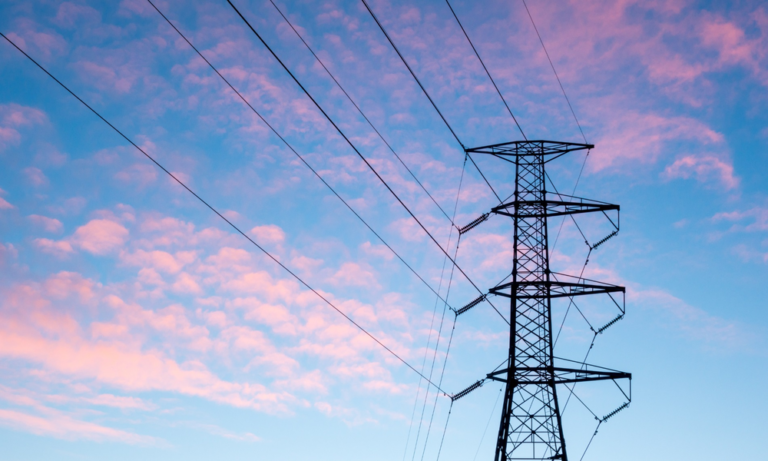
Tunisia is reinforcing its electricity network after more than three weeks of supply disruption exposed the pressure of extreme heat, ageing infrastructure and dependence on imported gas.
STEG is adding high-voltage transformer capacity while the government advances renewable-energy and green-hydrogen ambitions.
The deeper lesson is structural: generation targets alone cannot deliver energy security without resilient grids capable of carrying new power and surviving sharper climate stresses.
Heat turns grid weakness urgent
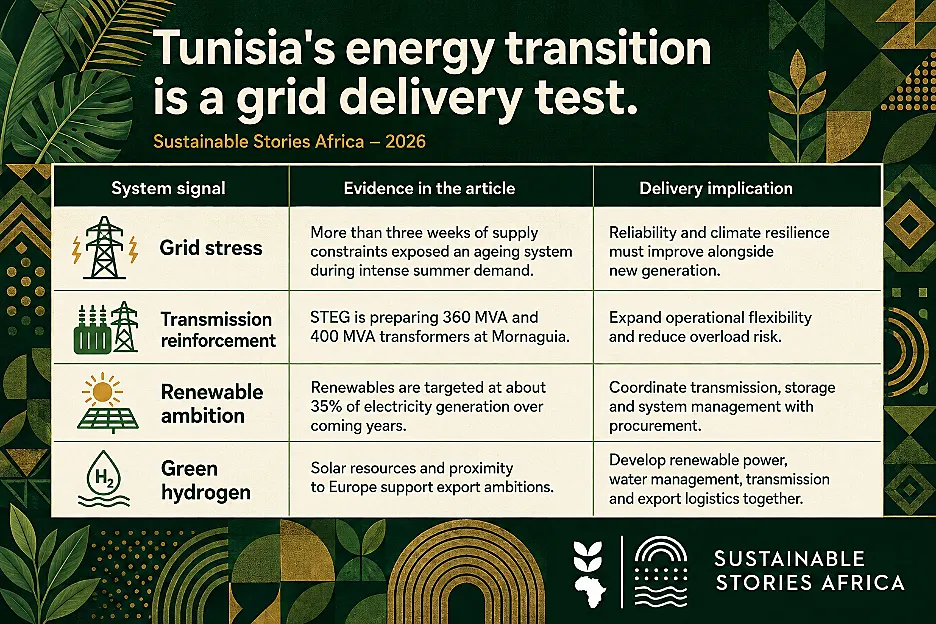
Tunisia is pairing emergency reinforcement of the electricity grid with longer-term renewable-energy investment after more than three weeks of supply constraints exposed the vulnerability of an ageing power system during intense summer demand.
State utility STEG is preparing a new 360-megavolt-ampere transformer at the Mornaguia high-voltage substation, followed by a 400 MVA unit.
The additional capacity is intended to strengthen transmission, improve operational flexibility and reduce risk of overload as high temperatures drive demand for cooling.
The immediate intervention addresses a crisis, but the underlying problem is broader.
- Electricity consumption has risen while domestic hydrocarbon production has declined.
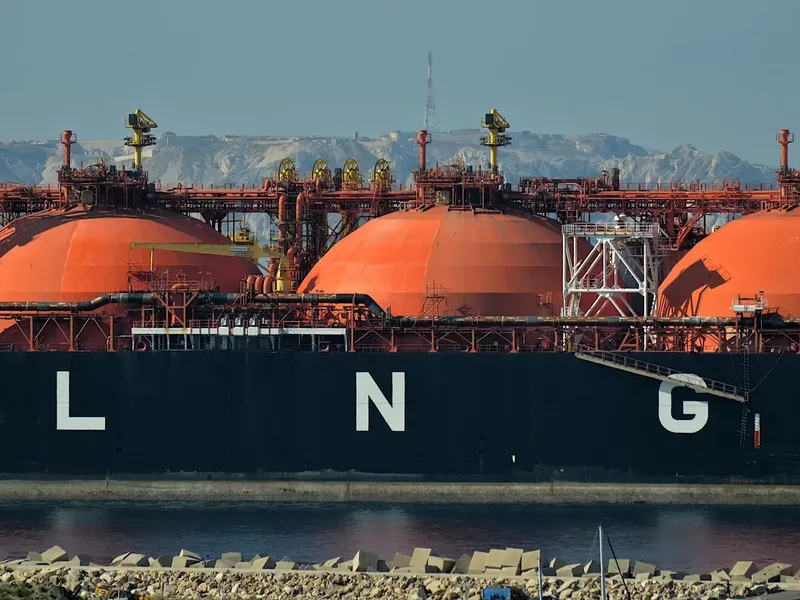
- Ageing networks and dependence on imported natural gas have left the system exposed to fuel-price volatility, foreign-exchange pressure and supply disruption.
Renewables need networks that work
Tunisia plans to push renewable energy to about 35% of electricity generation over the coming years.
That target could reduce the dependence on fuel imports and improve energy security; however, it requires more than solar projects.
Transmission, storage and system management must expand alongside generation.
Across Africa, this sequencing challenge is becoming more visible.
- Countries can sign renewable power projects faster than grids can connect them.
- Transmission bottlenecks delay commissioning, create congestion and weaken the reliability benefits that new generation is meant to provide.
Tunisia is therefore trying to combine network investment with reforms designed to attract private capital, including long-term power purchase arrangements and measures to expand self-generation by households and businesses.
Distributed solar could reduce pressure during peak periods while giving consumers more control over electricity costs.
The country is also positioning for green hydrogen, leveraging strong solar resources and proximity to Europe.
However, hydrogen adds another infrastructure demand: large volumes of renewable electricity, water management, transmission capacity and export logistics must all develop coherently.
Resilience supports households and industry
Reliable electricity is a social and economic service before it is a metric of transition.
- Hospitals, tourism businesses, factories and digital services cannot wait for long-term energy plans when outages interrupt operations today.
Grid modernisation can therefore deliver a double dividend.
- It can improve day-to-day reliability and make the system capable of integrating more renewable power later.
- That strengthens climate mitigation while also supporting adaptation to hotter conditions that push electricity demand higher.
For consumers;
- Diversified generation can reduce exposure to imported-fuel shocks.
For business;
- Fewer interruptions can lower operating costs and improve investor confidence.
For the state;
- A more efficient system can reduce vulnerability to volatile energy markets and foreign-currency pressures.
Financing choices will shape the pace of this shift.
- Emergency equipment restores capacity quickly, while transmission and renewable projects require longer investment horizons and dependable regulation.
- Coordinating the two can prevent Tunisia from repeatedly treating symptoms while structural weaknesses remain.
- It can also give private investors clearer signals about where new generation can connect and operate reliably.
Build the system, not projects
Tunisia's response should be judged on whether individual investments form a functioning energy system.
- New transformers, solar plants, storage, distributed generation and hydrogen projects must be planned against realistic demand, network constraints and climate hazards.
Regulators and investors also need transparent milestones for grid capacity and project connections.
- Without them, renewable pipelines can grow while usable electricity remains constrained.
The crisis has made the priority clear: the energy transition is ultimately an infrastructure-delivery challenge rather than a generation target.
Path Forward – Build Resilience Into Transition
Tunisia should align renewable procurement with investments in transmission, storage and demand management, while publishing clear grid-connection and reliability milestones.
Distributed generation can complement large projects by easing peak pressure and widening participation.
Green hydrogen ambitions should follow the same discipline: power, water and export infrastructure must develop together.
Success will be measured by fewer disruptions, lower fuel vulnerability and a grid capable of carrying the clean-energy economy Tunisia wants to build.