Nigeria is positioning industrial free trade and special agro-industrial processing zones as engines for non-oil exports and deeper participation in AfCFTA.
The model brings farmers, processors, logistics and export services closer together, aiming to cut losses and retain more value domestically.
However, the opportunity carries an execution test: unreliable power, weak transport and delayed projects could prevent production hubs from competing effectively across a continental market of more than 1.4 billion people.
Zones target value beyond raw exports
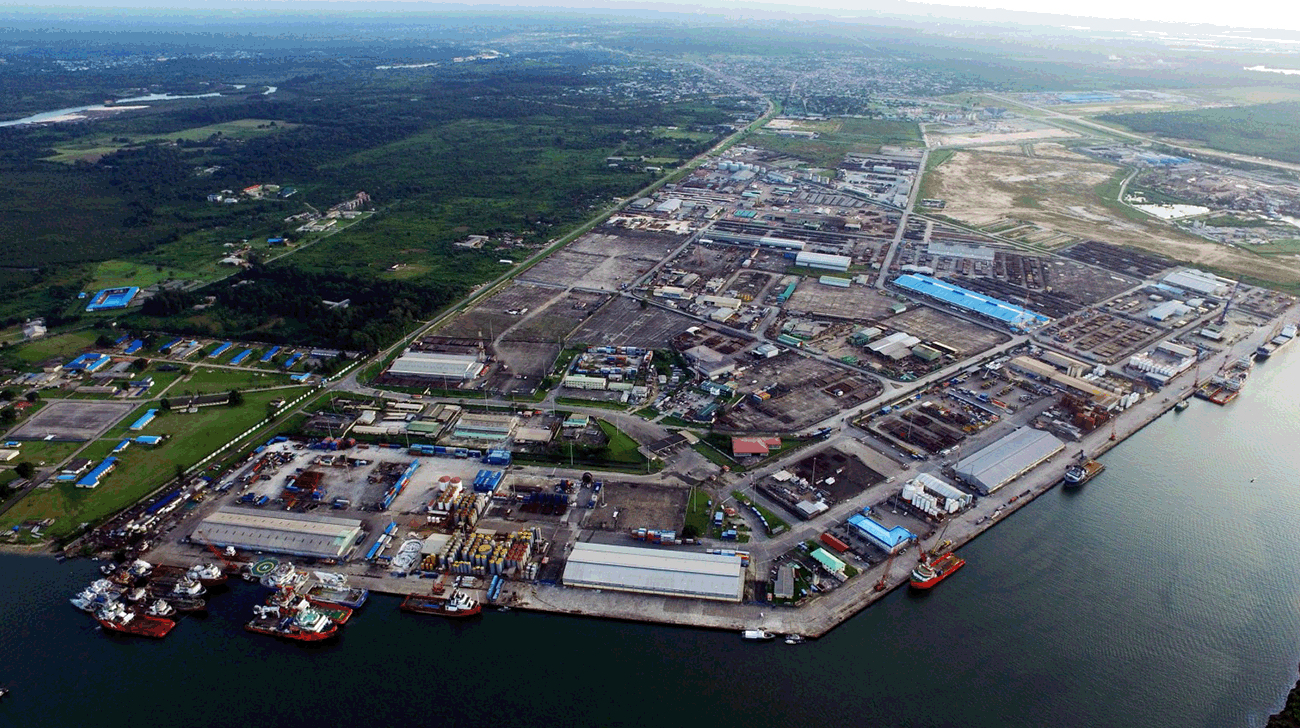
Nigeria's industrial free-trade zones and Special Agro-Industrial Processing Zones are becoming a central test of whether the country can convert agricultural scale into higher-value regional exports under the African Continental Free Trade Area.
Professor Muhammed Tawfiq Ladan, speaking about Nigeria's economic transition between 2021 and 2026, argued that the performance of these production hubs will shape the country's ability to diversify away from oil dependence while building manufacturing and agro-processing capacity.
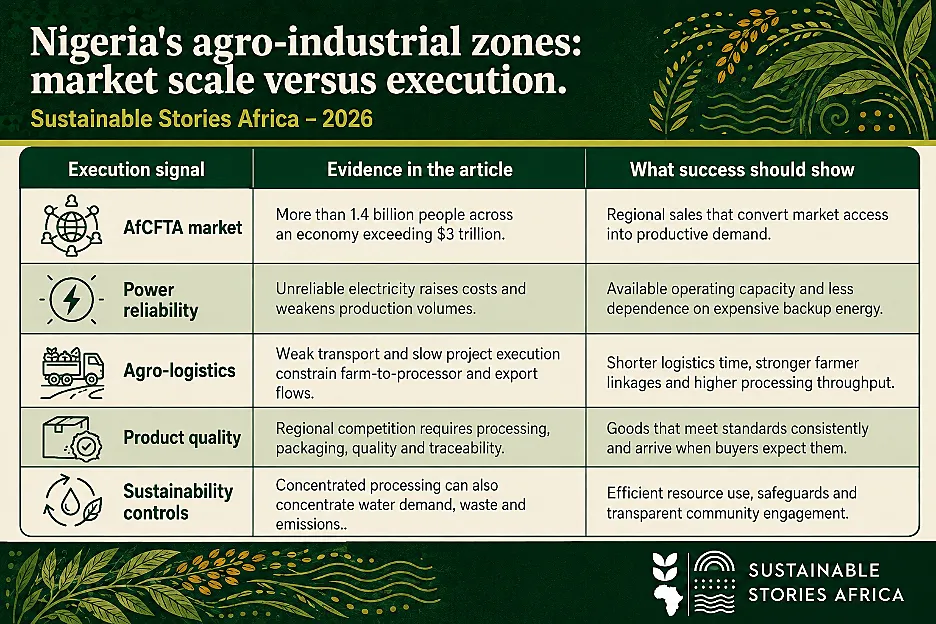
The market opportunity is substantial. AfCFTA connects more than 1.4 billion people across an economy exceeding $3 trillion.
However, the market size alone does not create competitiveness.
Producers still need reliable power, efficient transport, quality infrastructure and the ability to deliver goods at predictable cost.
Industrial clusters can connect farmers
SAPZs aim to concentrate processing, logistics and supporting infrastructure closer to agricultural production.
That can reduce post-harvest losses, improve links between farmers and processors and shift exports from low-value raw commodities towards products that capture more value domestically.
The programme has attracted development-finance support, including from the African Development Bank and International Fund for Agricultural Development.
Its development case is wider than exports: stronger agro-processing can create rural demand, manufacturing jobs, logistics activity and a broader tax base.
- It can also improve food security by strengthening local processing capacity.
- Nigeria imports manufactured food products that could increasingly be produced domestically if firms have reliable inputs, infrastructure and market access.
However, the source identifies familiar constraints.
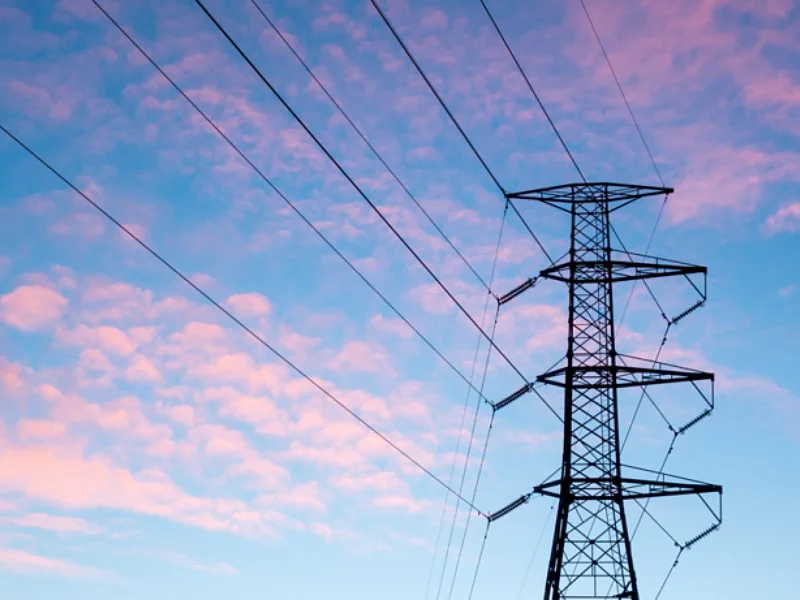
- Unreliable electricity
- Inadequate transport
- Slow project execution increases costs and reduces production volumes
Industrial zones cannot become islands of competitiveness if trucks remain stuck on weak corridors or factories rely on expensive backup energy.
AfCFTA rewards consistent execution
Ladan proposed off-grid independent power systems for industrial parks and dedicated agro-logistics corridors to improve reliability and reduce the cost of moving goods between farms, processors and export terminals.
Public-private partnerships can help finance this infrastructure, but structure and governance will matter.
Projects need transparent delivery milestones, credible demand assumptions and clear responsibility for operations and maintenance after construction.
Manufacturers also have work to do.
- Competing under AfCFTA requires investment in intermediate processing, quality, packaging and traceability.
- Regional market access is valuable only if Nigerian goods can satisfy standards consistently and arrive when buyers expect them.
The environmental performance of the zones will also matter.
- Concentrating processing can improve infrastructure efficiency, but it can also concentrate water demand, waste and emissions.
- Credible environmental and social safeguards, efficient resource use and transparent community engagement should therefore be built into operating models from the start, strengthening rather than weakening the zones' long-term competitiveness.
Convert financing into operating capacity
Nigeria should now focus less on the number of zones announced and more on how much reliable production capacity becomes operational.
- Power availability, logistics time, processing throughput, farmer participation, private investment and export sales are stronger measures of progress than project launches.
Development lenders can support that shift by simplifying disbursement where appropriate while maintaining strong procurement, environmental and social safeguards.
Federal and state governments must also coordinate land, infrastructure, trade facilitation and investment policies so zones connect to the wider economy rather than operate as isolated enclaves.
Path Forward – Make Industrial Zones Productive
Nigeria should prioritise reliable power, agro-logistics corridors, transparent delivery milestones and quality infrastructure inside its industrial zones.
Performance should be measured through operating capacity, farmer linkages, processing volumes and regional exports.
Private investors and development financiers can accelerate delivery, but coordination across federal and state institutions is essential.
AfCFTA creates market opportunities; Nigeria's competitiveness will depend on whether its production systems can deliver consistently into that market.