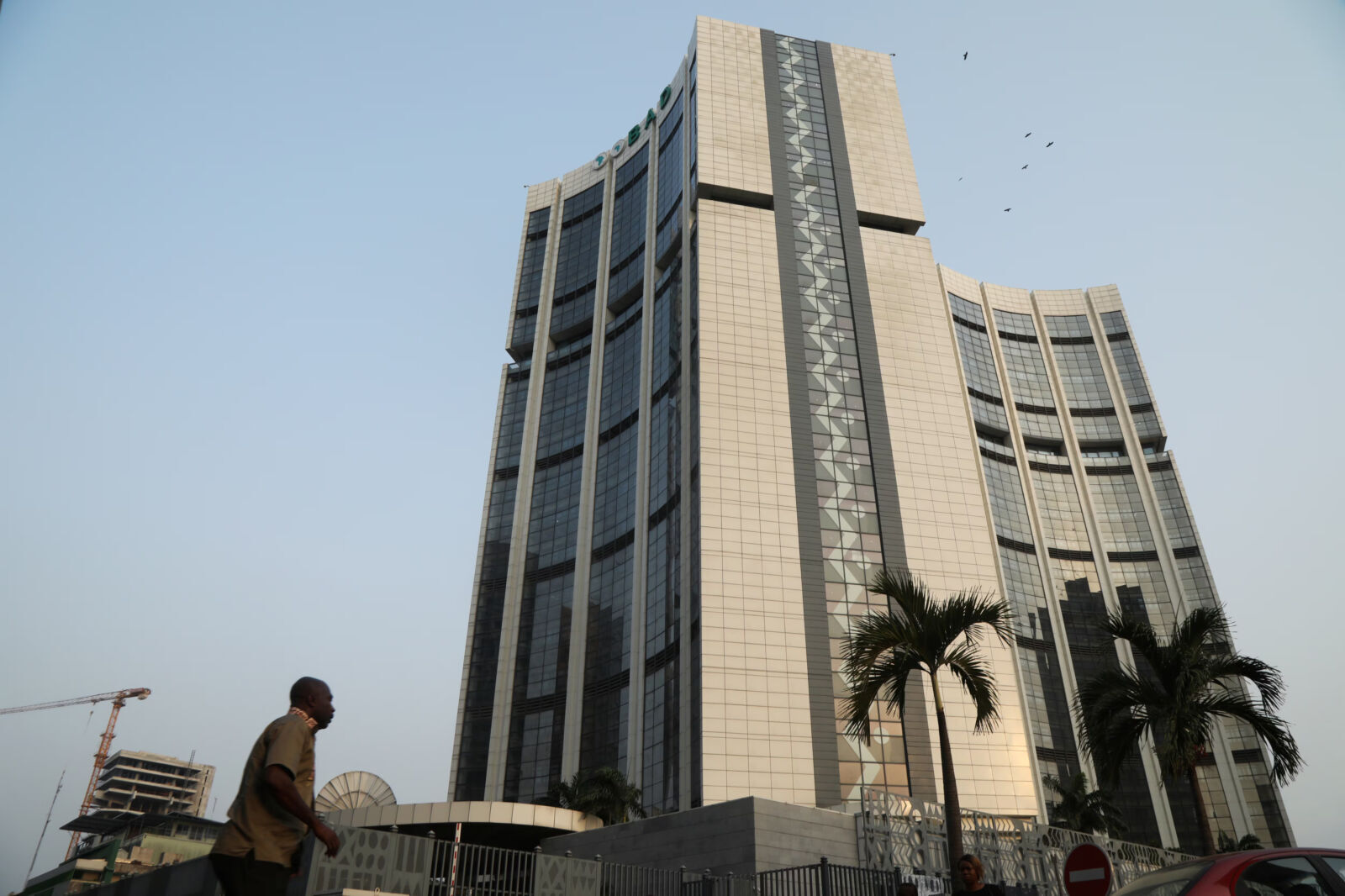
The African Development Bank has approved a $503.75 million loan to advance changes to South Africa’s electricity, freight and water sectors.
The programme supports a wholesale electricity market, private participation in freight rail and ports, and licensing for municipal water suppliers.
It is the bank’s third budget-support operation for these reforms since 2023.
Budget support targets infrastructure rules
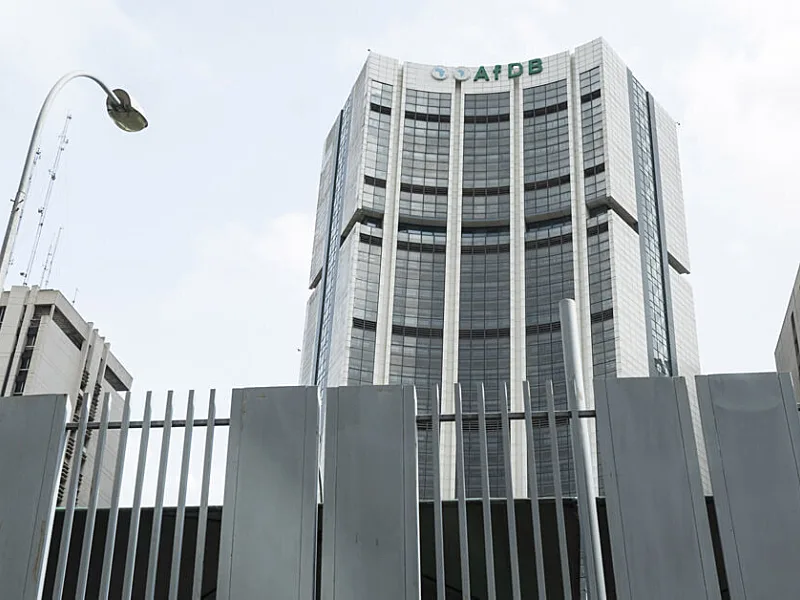
The African Development Bank Group announced on 11 November that its board had approved a $503.75 million loan for South Africa’s Infrastructure Governance Reform Program.
- The loan supports reforms intended to increase competition and attract private investment into electricity, freight transport and water services.
- The operation sits within a coordinated development-partner framework led by the National Treasury.
The AfDB says that since 2023, the three operations have provided more than $1.2 billion in budget support.
- The 2023 operation backed electricity restructuring and the establishment of the National Transmission Company South Africa.
- The 2025 programme continued work on electricity markets and renewable integration, added transport reforms and included measures to support people affected by the energy transition.
Electricity and freight have measurable targets
The electricity regulator, NERSA, has issued a market operator licence to the operator housed in the National Transmission Company South Africa.
- It has also approved rules for allocating grid connection capacity and established a unit to monitor competition.
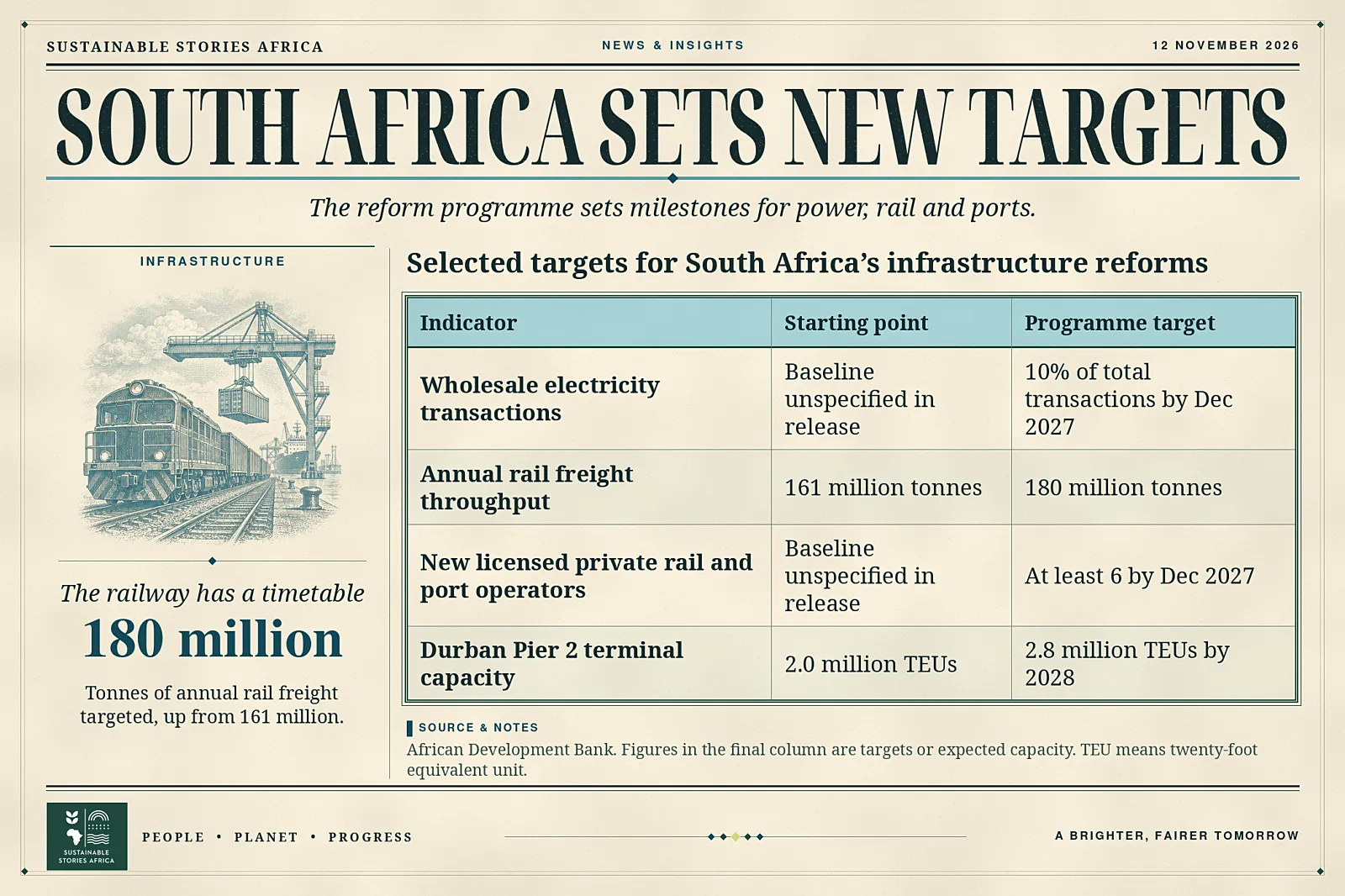
- The programme targets a wholesale market that handles 10% of electricity transactions by December 2027.
Access rules matter to power producers because a licence and a customer contract have limited value when a project cannot connect to the grid.
New operators enter freight corridors
The Transnet Rail Infrastructure Manager allocates train paths under a published network statement.
- The AfDB reported awarding at least 11 slots to private train operators across six corridors in August 2025.
- The programme aims to increase annual rail freight throughput from 161 million to 180 million tonnes.
For a manufacturer or exporter, the benefit depends on whether trains run often enough and reliably enough to plan shipments around them.
Durban Container Terminal Pier 2 is a separate test.
- The bank cited a 25-year concession signed in December 2025 and expects terminal capacity to reach 2.8 million twenty-foot equivalent units by 2028, up from 2 million.
Higher capacity could allow more cargo through the terminal, but actual improvements will also depend on equipment reliability and roads and rail connections.
- Truck waiting times and cargo dwell times would show whether increased capacity is improving the movement of goods.
The bank puts the first two operations at $300 million and $474.5 million, respectively.
- Together with the new approval, the published amounts sum to roughly $1.28 billion.
- The approvals show the scale of budget support linked to successive rounds of reform.
Implementation aligns separate institutions, with the Treasury coordinating the programme and sector bodies responsible for the operating rules.
Under the wholesale electricity plan, opening trading to more participants changes how some power is bought and sold.
- The 10% target also suggests that the new market is expected to account for a share of transactions at this stage.
- Publishing how much electricity trades through it, and how the regulator handles access or competition disputes, would give businesses an indication of how it is functioning.
For water, South Africa’s Department of Water and Sanitation said in its May budget speech that the proposed licensing framework would clarify the responsibilities of water services authorities and providers.
- The distinction matters when service fails.
Residents need to know who operates the network, and the municipality needs a way to monitor performance and require corrective action.
Water licensing brings accountability into focus
The water component supports licensing for municipal suppliers.
- For households and businesses, a licence matters when it establishes clear service obligations and identifies who is responsible for meeting them.
- Useful indicators include outage frequency and duration, water losses and how quickly suppliers respond to faults.
- Publishing these measures by service area can show whether reforms are reaching communities with unreliable supply.
The sectors have different users and operating conditions, but each relies on the regulator or responsible authority making rules enforceable in practice.
- For electricity, progress includes trade volumes and how grid connections are allocated.
- In freight, the distinction is between allocating a slot and having an operator use it regularly.
- For water, the test is whether a licensed supplier can maintain service and address interruptions.
The time it takes for these results to show up will vary by sector.
Path Forward – Measuring Whether Infrastructure Services Improve Locally
The Treasury and sector authorities can track electricity market share, freight volumes and new operator entry against published milestones.
Service indicators such as port waiting times and water interruptions would show what the reforms mean for businesses and households.