Oaktree’s Howard Marks used a client memo dated 11 November to examine how investors can assess artificial intelligence when future demand, prices and profitability are hard to predict.
He said the questions differ for shareholders in model developers and lenders to data centres.
His analysis also raises questions about how much exposure investors already have through broader stock and bond portfolios.
A memo puts returns under scrutiny
Howard Marks used a client memo dated 11 November to ask whether artificial intelligence can generate enough revenue to justify the scale of investment going into models, chips and data centres.
- The Oaktree Capital Management investor argued that the technology could reshape business and the economy, while returns from particular investments remain difficult to estimate.
- His memo examined who might capture the profits, what data centre lenders should examine and how the buildout could affect credit markets.
Marks used a probability example to show how quickly uncertainty can compound.
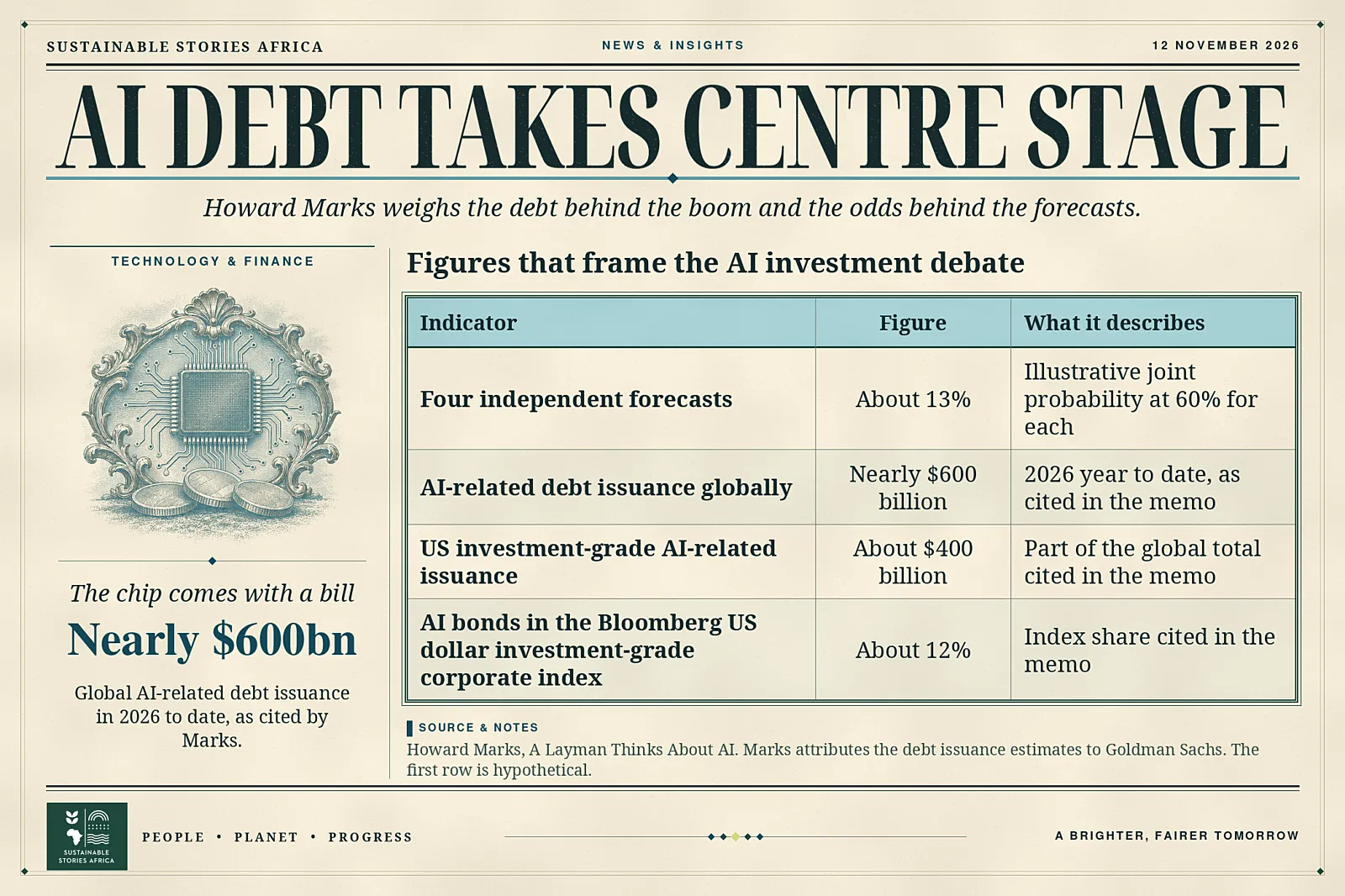
- If an investor must get four independent forecasts right and has a 60% chance of getting each one right, the chance of getting all four right is about 13%.
- The example illustrates how assumptions interact.
It assigns no probability to the success of a particular AI investment, where the outcomes may also be related.
Investors face different sources of risk
- A company developing advanced models needs enough paying demand and enough pricing power to cover computing costs and stay competitive.
- A data centre lender may have a long lease to assess, shifting attention towards the tenant’s ability to pay, the reliability of the electricity supply and the building’s value if the tenant leaves.
Marks noted that some leases include provisions that can allow tenants to terminate under certain conditions.
Those clauses affect how much protection a long lease provides.
The infrastructure has its own constraints
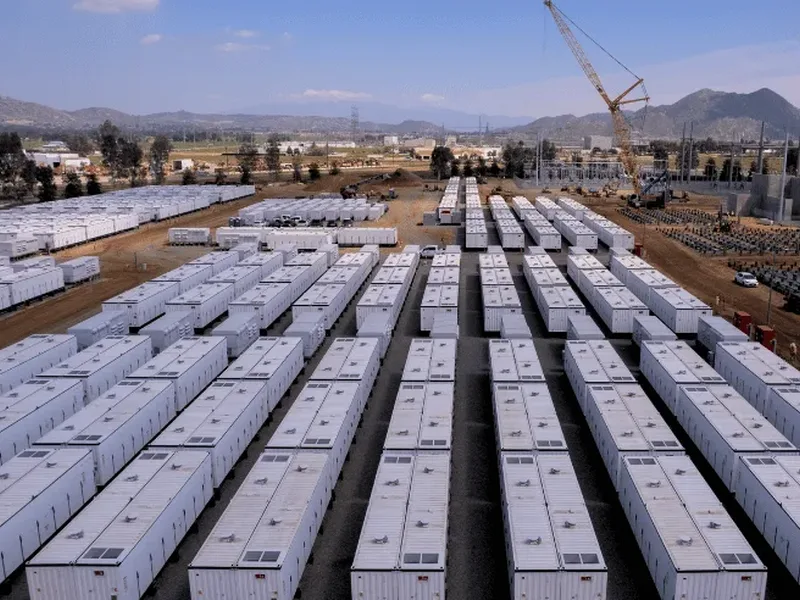
Data centres require sites, fibre connections, reliable electricity and cooling.
- The resulting investments have different useful lives.
- A building may last for decades while specialised chips can lose value when more capable or efficient equipment becomes available.
- If the chips secure a loan, their resale value and rate of depreciation matter to the lender.
For a site with a single large tenant, the ability to relet the space can also affect how much a lender recovers if that customer leaves.
These issues are relevant to African infrastructure developers evaluating potential data centre projects.
The memo focuses mainly on global and US investment markets.
- Its questions still apply locally: what power is available, when a grid connection can be delivered and whether prospective customers can commit to buying capacity.
- A signed lease, a workable electricity supply and a credible construction timetable answer different parts of the same financing question.
The memo also examines transactions in which businesses fund customers who buy their products.
- This can help a customer obtain computing capacity, but it also ties suppliers' and customers' fortunes together.
- For a lender assessing a tenant’s ability to keep paying, it matters whether its revenue comes from independent customers or from parties also financing its expansion.
Marks raises a related question about project companies and whether parent companies stand behind their debt.
The bubble question in the memo therefore spans several decisions.
- One is whether AI will prove valuable to users.
- Another is whether developers are spending amounts they can earn back.
- A third is whether investors are paying prices or accepting yields that reflect the risks they are taking.
These judgments can differ even between businesses operating in the same industry.
A service can find widespread use while the companies supplying it compete away much of the profit.
Concentration can reach broad portfolios
Marks also questioned how much exposure investors already carry through equity and credit indices.
- A portfolio with a wide range of holdings may still depend heavily on a few large companies or on continued demand for computing capacity.
Lenders can encounter related exposure through different borrowers, including chip suppliers, cloud companies and data centre developers serving the same customers.
For an investment committee, a practical test is to assess what happens when assumptions change together.
- Slower demand could lower equipment resale values while weakening a tenant’s finances.
- A rise in financing costs could affect the terms on which borrowers refinance.
Marks’s memo emphasises the price paid, the risks that buyers can evaluate and how much exposure their portfolios can carry if those assumptions prove wrong.
Path Forward – Testing Exposure Before Committing New Capital
Marks urges investors to judge AI opportunities by the assumptions they can assess, the losses they can bear and the price they pay.
For lenders and infrastructure developers, that means testing tenant credit, lease terms and access to electricity alongside demand forecasts.