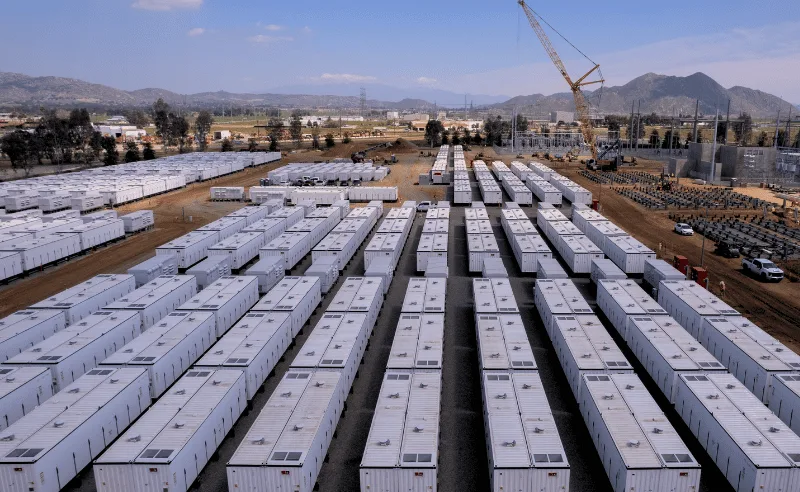
Egypt plans to raise installed battery storage from about 500 MWh to 13.85 GWh by 2030, EnterpriseAM Egypt reported, citing a senior government official.
Development lenders feature in every disclosed debt package the publication tracked, while Chinese partners are prominent in proposed factories.
The expansion will test how Egypt finances storage and builds local capacity to maintain it.
Egypt sets a storage target
Egypt is targeting $3 billion of investment to expand battery storage to 13.85 gigawatt-hours by 2030, according to a senior government official quoted by EnterpriseAM Egypt on 3 November.
- The target is nearly 28 times the roughly 500 megawatt-hours reported as installed at the time.
- The buildout is intended to help the electricity grid use more renewable power and deliver some of that electricity when demand rises, or renewable output falls.
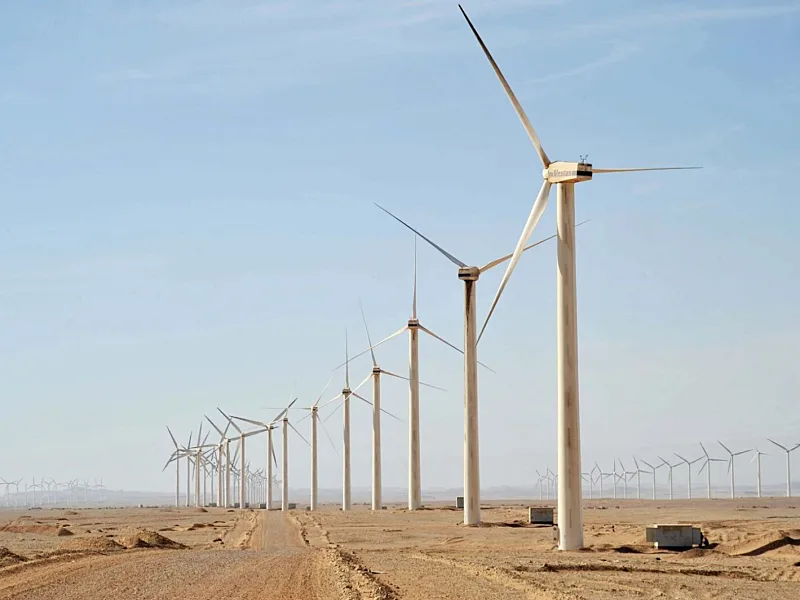
The official said Egypt plans to add 20.8 gigawatts of renewable generation by 2030 and now requires investors in new renewable projects to study whether storage should be included.
This study matters because battery capacity and generation capacity answer different questions.
- A gigawatt measures how much power a facility can deliver at a given moment.
- A gigawatt-hour measures how much energy a battery can store and release over time.
Development banks anchor project financing
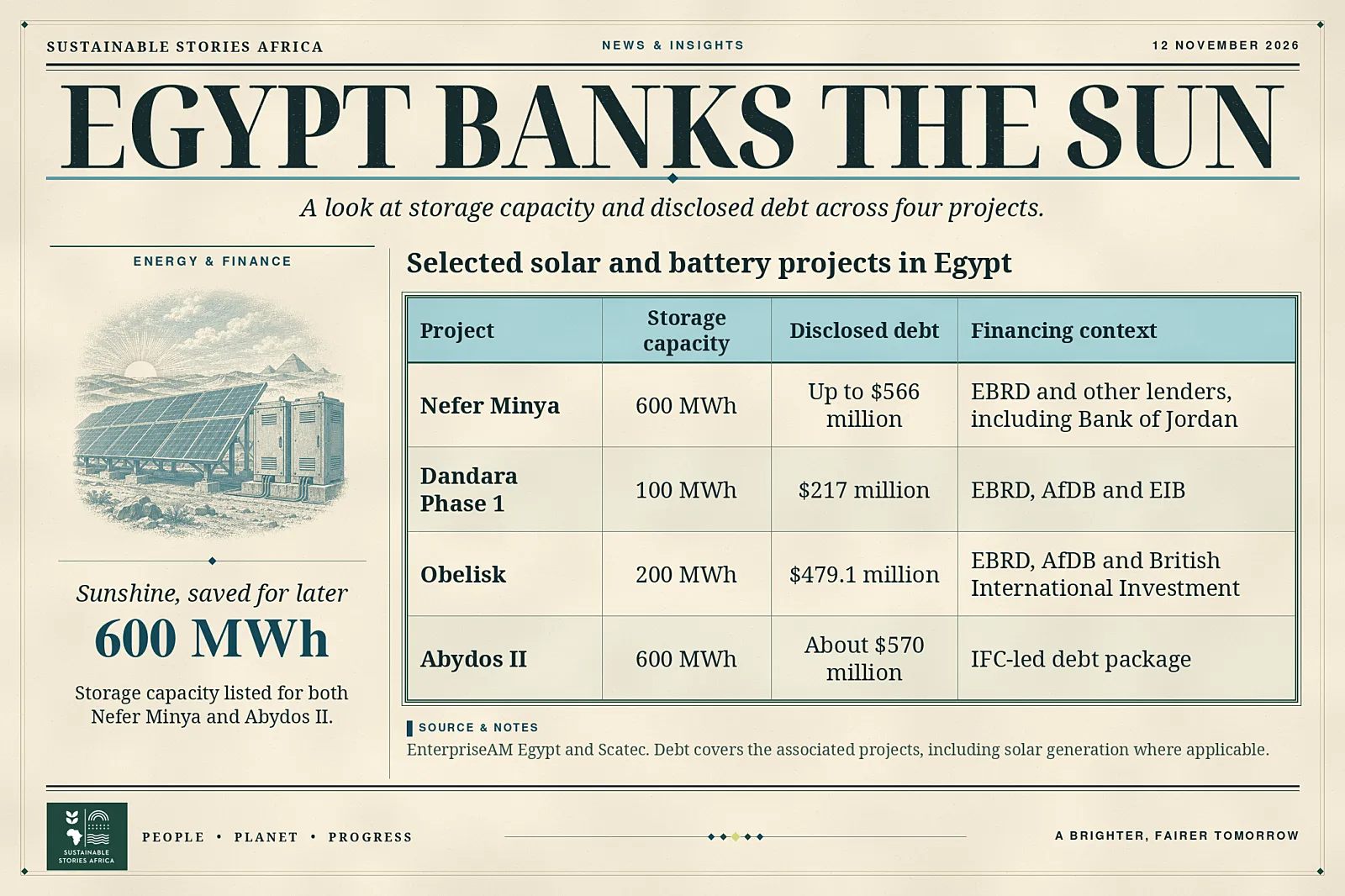
The pattern is clearest in projects with disclosed debt. Development lenders feature in every package EnterpriseAM tracked, with commercial participation in some.
- Nefer Minya’s debt includes financing from the European Bank for Reconstruction and Development (EBRD) and Bank of Jordan.
- At Dandara, the EBRD, African Development Bank and European Investment Bank are funding the first phase.
The EBRD is also taking an equity position through a Scatec platform, giving it a stake in a portfolio that includes operating and planned assets.
Local factories enter the supply chain
Chinese suppliers are shaping how much of the hardware could be made in Egypt.
- EnterpriseAM reported that Sungrow is building a plant in Sokhna with 10 GWh of annual production capacity.
- AMEA Power is planning a 3 GWh-a-year plant with Gotion, while Kemet is planning a 5 GWh-a-year cell factory with Cornex.
- These figures describe factory output capacity.
Installed storage will depend on how many systems are ordered, connected and commissioned in Egypt.
The manufacturing plans could support engineering, installation and servicing jobs if suppliers train local teams and maintain a stock of replacement parts.
- The degree of local value will also depend on which components are made domestically.
Assembly, cell production and battery management software involve different skills and suppliers.
- A factory announcement gives an early indication of scale.
- Local purchasing and workforce figures would help show how much industrial activity follows.
The equipment decision is also a financing decision.
- Shata said lenders examine suppliers’ experience, specifications and warranties and carry out supply-chain checks.
- These requirements can influence which new factories qualify for early orders.
A local plant may shorten delivery times, while buyers still need evidence that its equipment will work as specified and can be serviced over the contract term.
Grid needs shape procurement choices
The need for storage varies by site.
- The government official cited constraints on the grid’s ability to absorb new renewable generation.
- Diala Hawila of energy think tank Carboun told EnterpriseAM that storage should be considered alongside demand management and efficiency.
- Scatec’s Mahmoud Shata said curtailment, the reduction of output that a generator could otherwise produce, had yet to become a problem for the developer in Egypt.
Their assessments point to the importance of assessing the grid location, expected output and demand before sizing batteries.
Financing terms also shape costs.
- EnterpriseAM reported that Obelisk’s power contract is denominated in US dollars and carries sovereign backing.
- A dollar contract can align project revenues with dollar debt, while public buyers are exposed when the Egyptian pound weakens.
- Shata said borrowing in Egyptian pounds could be expensive.
A separate 4 GWh standalone storage plan is intended to use local-currency financing, according to the electricity ministry, offering a case to watch when terms emerge.
Buyers will also need warranties that reflect how often a battery charges and discharges.
- A unit used every evening may age differently from one reserved for occasional grid emergencies.
- Procurement documents can specify how performance is measured over time and who is responsible for replacing degraded equipment.
These details influence both the cost of storing each unit of energy and the service the grid can count on.
Path forward – Planning Storage Around Egypt’s Grid Needs
Publishing demand forecasts and expected curtailment would help investors price storage and show where batteries can provide the greatest value.
As projects advance, commissioning dates, local manufacturing milestones and financing currencies will show how the 2030 target translates into grid capacity and industrial activity.