An October NOAA outlook put the chance of strong to very strong El Niño conditions through January – March 2027 above 83%.
Two clinicians warn that health and electricity systems run simultaneous pressure risks due to extreme weather.
Zambia’s experience with drought and hydropower shows why local preparations need to account for those connections.
A climate warning for two essential services
A strong El Niño can put electricity supply under pressure at the same time that heat, smoke or flooding increases demand for medical care.
Writing in The Conversation and republished by Phys.org on 9 November, clinicians Bhavini Gohel and Tatsiana Demarco argued that emergency planning should account for failures that can reinforce one another.
- Their analysis draws on Canadian experiences, with implications for any region where households and health facilities depend on a stressed power system.
The US National Oceanic and Atmospheric Administration’s October outlook put the chance of strong to very strong El Niño conditions through January – March 2027 above 83%.
- This probability describes conditions in the tropical Pacific.
- Local heat, drought and flood risks vary by season and region, so the starting point for a hospital or utility is the relevant regional forecast and its own operating vulnerabilities.
NOAA scheduled its next discussion for 12 November.
How a disruption can spread
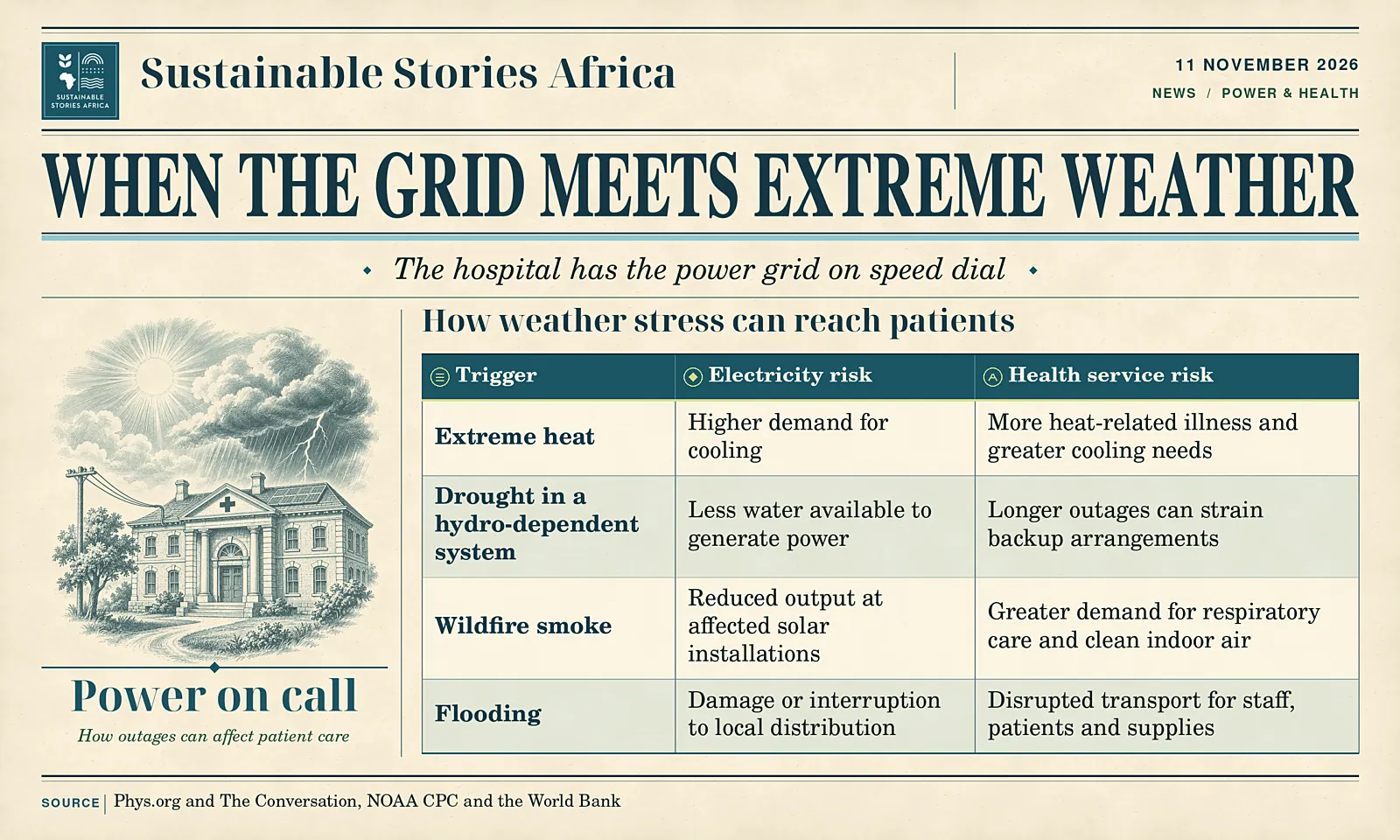
The authors illustrate the overlap with hot weather and smoke.
- Heat can raise electricity demand for cooling while health facilities see more people needing care.
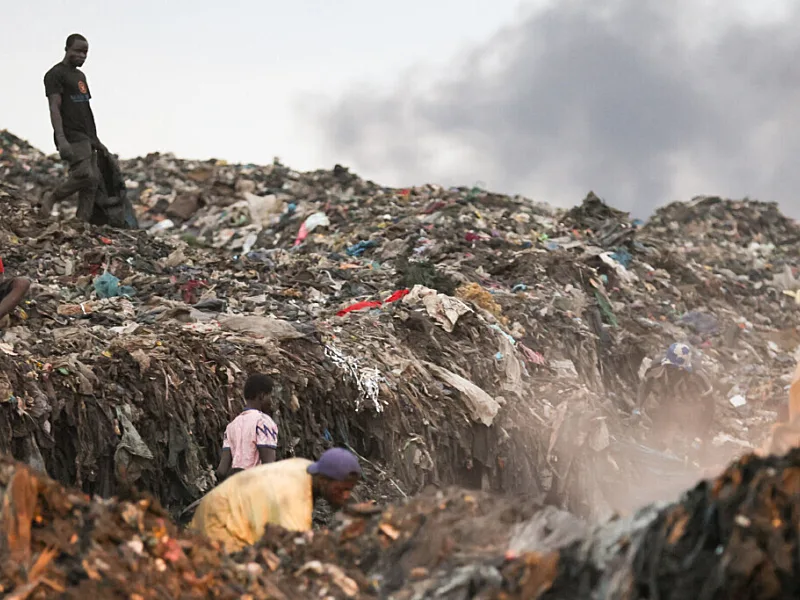
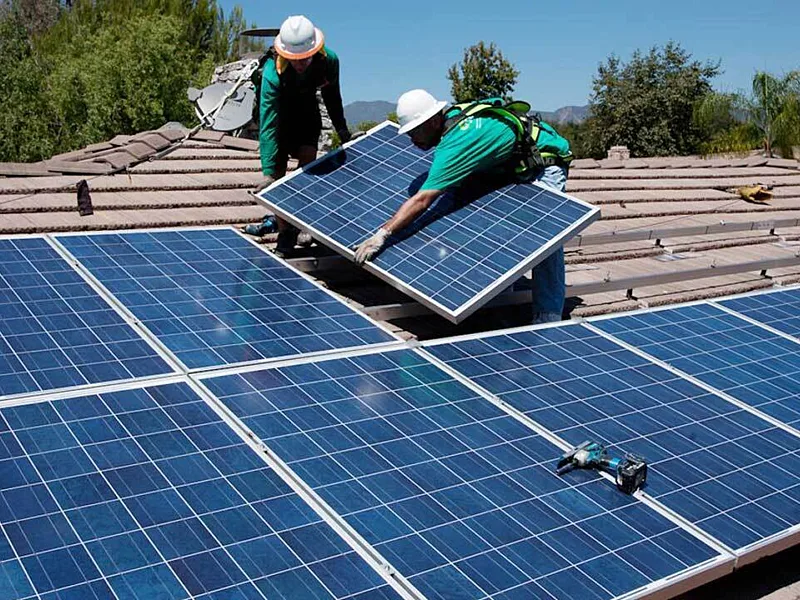
- Smoke can exacerbate respiratory illness and reduce solar output. Flooding can interrupt access for staff, patients and suppliers
- A hospital with backup power may still face delayed deliveries, while patients using powered medical equipment at home may have fewer options.
Zambia offers a regional example of the exposure on the supply side.
- The World Bank reports that hydropower accounts for more than three-quarters of installed generating capacity and that the 2024 drought reduced available power by about a third.
- That experience gives planners a historical case for testing drought preparedness.
It does not predict the outcome of the current El Niño in Zambia or any other country.
This is a planning scenario, and its timing matters.
- A utility might have enough supply in average conditions but face a shortage at the hours when cooling demand peaks.
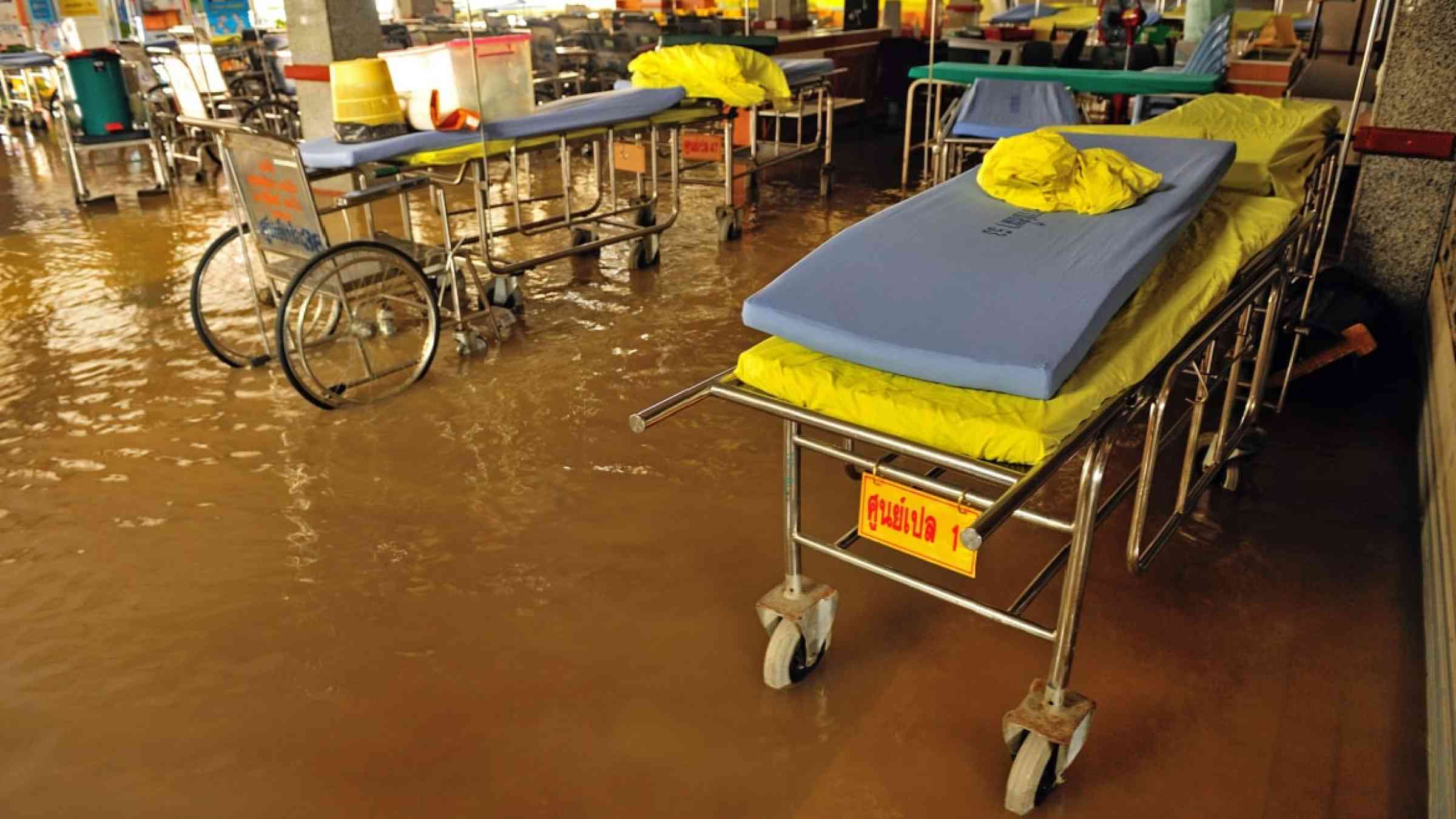
- Hospitals may be able to continue operating on backup power while surrounding services lose access.
Mapping when different pressures arrive can help planners see whether their contingencies can cover a short outage, a prolonged disruption or several events in succession.
Protecting care outside hospital walls
A joint plan would start with the loads that must stay on during an outage.
- A facility may need to prioritise refrigeration, essential treatment equipment and communications.
- Outside the facility, people relying on powered equipment or refrigerated medicines need a way to get help.
Community cooling sites, reliable transport and communications that reach people during an outage can ease some of the pressure on hospitals.
Zambia’s exposure also illustrates the value of planning across time horizons.
- Diversifying generation takes longer than arranging emergency support for clinics.
- Utility operators can still test how they would prioritise service or restore power in a shortage, while health authorities check the duration and condition of their backup supply.
Different agencies can prepare for the same scenario on different schedules.
Testing plans before the emergency
Health ministries, utilities and disaster agencies can use a joint exercise to see what happens when an outage coincides with high patient demand and disrupted transport.
- Each institution should be able to name who issues alerts, which facilities receive priority and where people can get urgent support.
- Backup equipment needs to be tested under load, with the people responsible for operating it involved in the exercise.
The forecast provides lead time for local decisions.
- Emergency planners can use regional outlooks to decide which risks deserve immediate testing, and health providers can check that public instructions are accessible to people whose care depends on uninterrupted electricity.
- A shared exercise would expose gaps that individual agencies might miss in their own plans.
Routine information-sharing can make a joint response easier to run.
- Health services can identify facilities with critical power needs. Utilities can explain how they communicate outages and estimated restoration times.
- Local emergency managers can connect those plans with transport and public communications.
Periodic exercises give each team a way to check that its contact lists, responsibilities and assumptions still match those of the others.
Path Forward – Planning For Power And Health Together
Use regional forecasts to guide preparations and agree which health services need priority power during an emergency.
The immediate work is to test backup systems, check essential supplies and make sure people who rely on home medical equipment know where to get help.