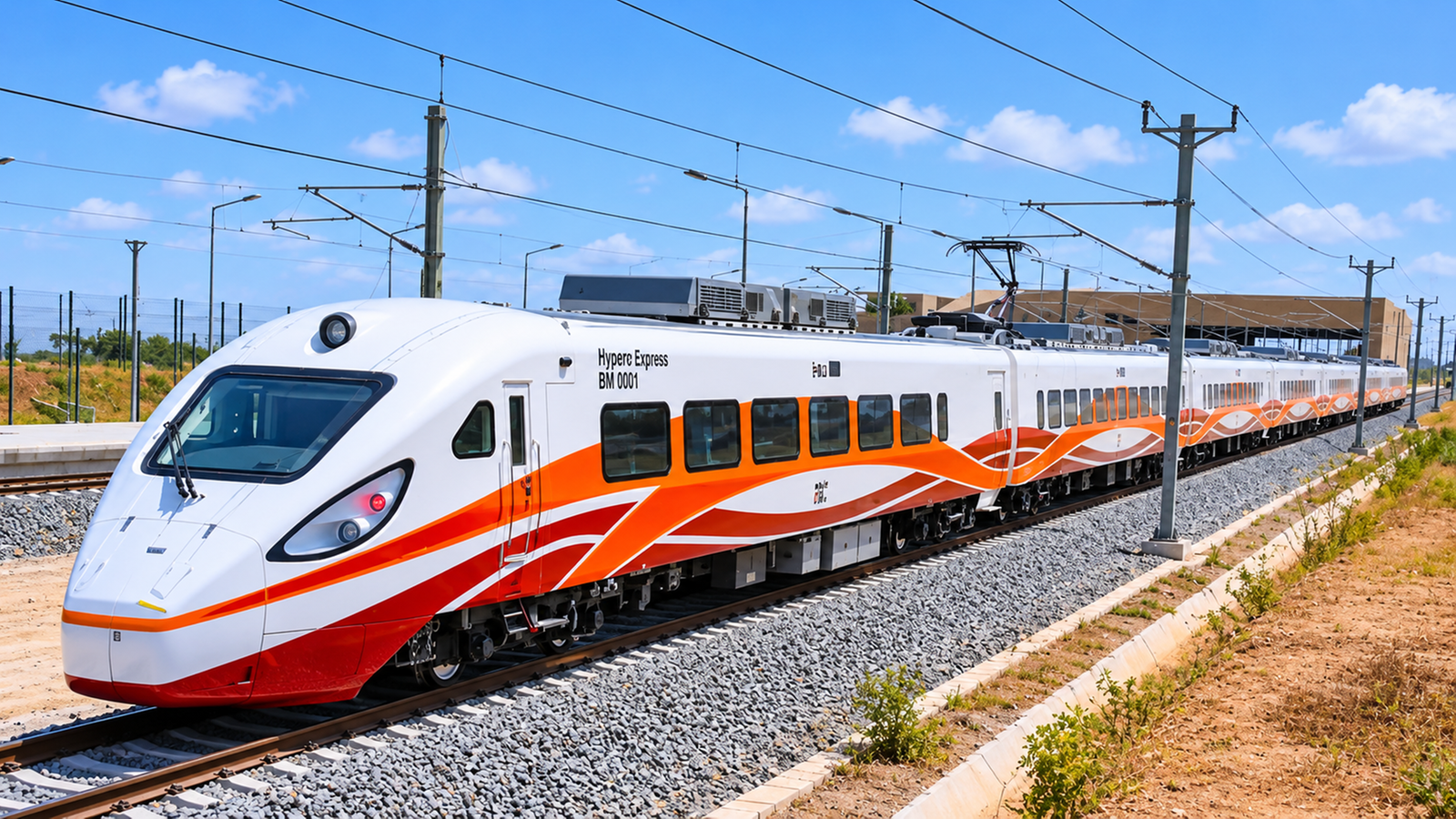
Tanzania has signed $1.2 billion in commercial financing for the electrified railway between Tabora and Kigoma.
An African Development Bank guarantee helped bring nine commercial lenders into the deal.
With reliable connecting services, the line could give producers in western Tanzania better access to domestic and regional markets.
Financing a railway to Lake Tanganyika
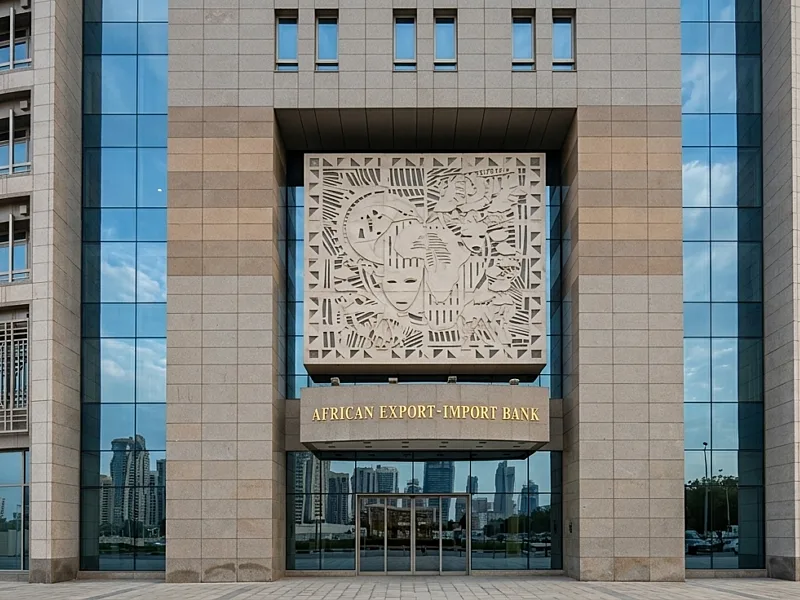
Tanzania has signed a $1.2 billion commercial financing facility for the 411-kilometre Tabora–Kigoma section of its Standard Gauge Railway, the African Development Bank announced on 4 November.
- The electrified stretch, known as Lot 6, extends the network west towards Lake Tanganyika.
- The bank expects it to support trade through Tanzania’s port of Dar es Salaam and improve the movement of goods between western Tanzania and neighbouring markets. [1,2]
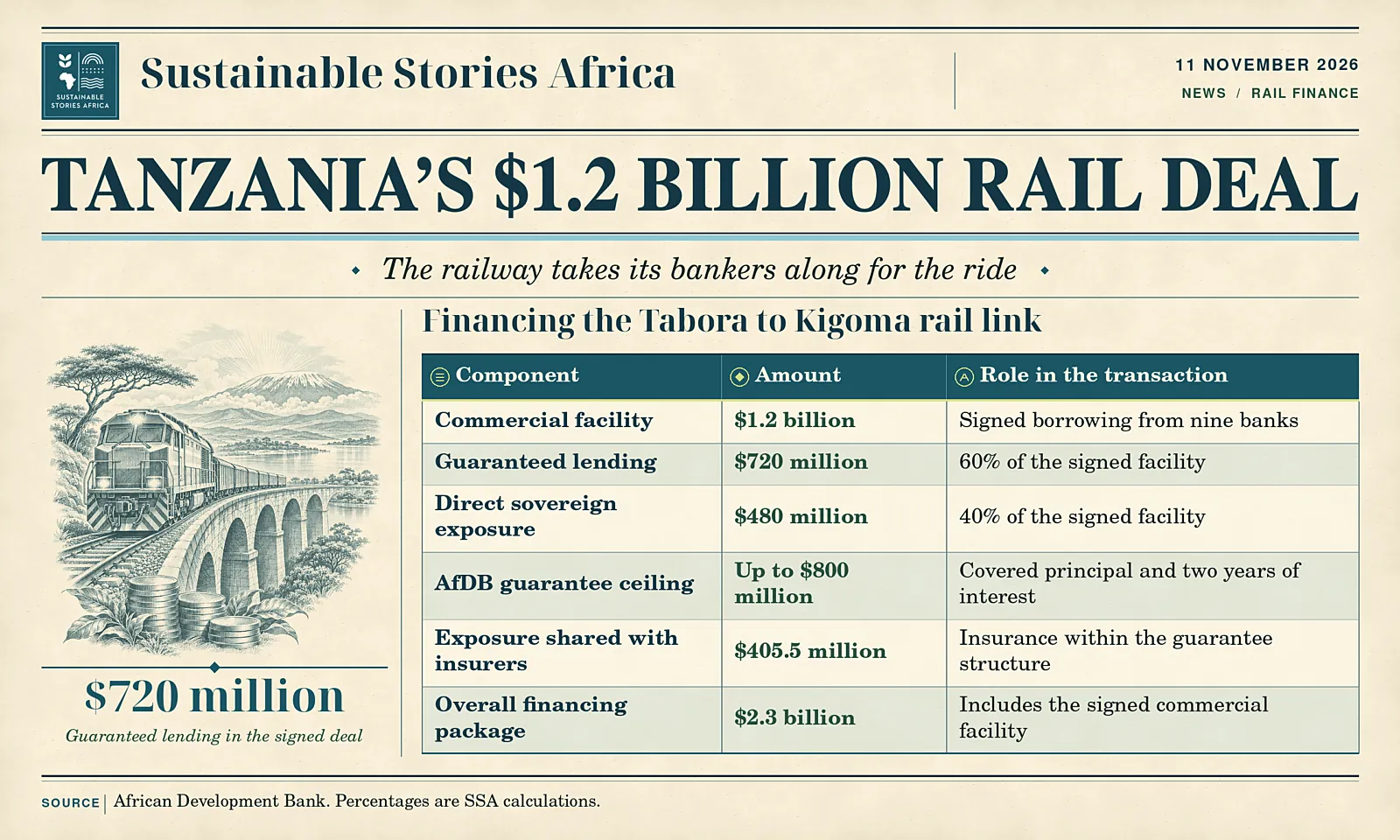
The facility is part of a $2.3 billion financing package the bank announced.
- Commercial lenders agreed to carry some of Tanzania’s sovereign risk directly, while the development bank arranged a guarantee for a portion of the borrowing.
This structure matters because the railway’s upfront capital needs are large and the benefits depend on infrastructure and services beyond the financed stretch.
How lenders divided the risk
Deutsche Bank and Société Générale co-arranged a nine-bank syndicate.
- Of the $1.2 billion in commitments, $720 million is guaranteed lending and $480 million is direct exposure to Tanzania’s sovereign credit.
- That works out to 60% and 40% of the commercial facility, respectively.
AfDB’s partial credit guarantee reaches up to $800 million because it covers principal on the covered tranche plus two years of interest.
AfDB remains the guarantor of record.
- Insurance arranged by broker Texel transfers $405.5 million of exposure to international insurers.
That amount covers shared risk with insurers within the structure.
- The bank described the remaining elements of the broader package as an export credit agency tranche and a further tranche to be mobilised with a co-guarantor.
These components sit within a wider mandate to mobilise up to $3.2 billion for regional railway development.
The bank described the guarantee as its largest to date.
- The structure shows how a development institution can retain a contractual guarantee role while shifting part of the risk to other parties.
- For Tanzania, the arrangement brings in a broader group of lenders.
The loan, insurance and guarantee figures describe different obligations within the transaction and need to be read with their respective terms.
The value of a working corridor
For a producer near the line, the relevant price is the cost of moving goods from a warehouse or farm to the buyer.
This includes a road journey to a terminal, waiting time and handling fees.
- A high-capacity rail service can help move large volumes, but its value depends on how frequently trains run and how easily businesses can book and load cargo.
- Smaller producers may need aggregation and dependable road links to use it.
Kigoma also links the railway to Lake Tanganyika.
- AfDB points to trade with the Democratic Republic of the Congo via the ports of Kigoma and Kalemie; the wider Central Corridor railway plan envisages further links with Burundi and eastern Congo.
- Timetables, customs procedures and cargo handling between rail and lake vessels will shape the benefit of those connections.
A delay at one transfer can erase time saved on the track.
Tracking construction and future service
The financing close gives Tanzania a basis for delivering the line.
- Construction progress, procurement and remaining financing milestones will show how that translates into groundwork.
Tanzania Railways Corporation’s environmental and social documentation identifies communities along the route, including in Urambo, Kaliua and Kigoma Rural.
- Land access, grievance handling and any required compensation deserve public reporting alongside track construction.
As the project moves toward operation, freight tariffs, terminal access and on-time delivery will better measure value to shippers than kilometres alone.
- The electrified route also makes reliable traction power and maintenance part of the operating plan.
- Publishing service and cost indicators would let businesses and residents assess whether the project is delivering the trade and mobility gains used to justify the investment.
The route also has to function through disruptions.
- A road closure near a terminal or a delay in unloading a vessel can affect several scheduled journeys.
- Operators will need to plan for storage and alternate routes, especially for goods that cannot wait for the next available connection.
The timetable should be assessed against regular users’ needs and the line’s engineering capacity.
Path Forward – Turning Rail Finance Into Reliable Trade
Watch for the remaining financing tranches and construction milestones on Lot 6.
The announced deal in November covers the signed commercial facility.
Tanzania and its corridor partners will need coordinated rail, road and lake services to translate the investment into predictable transport costs and delivery times.