South Africa is preparing Africa’s first utility-scale virtual power plant, combining wind, solar and battery storage across two separate sites.
The project matters because it could make renewable energy more reliable during periods of grid stress.
For households, businesses and investors, it signals a cleaner path beyond load shedding, diesel backup and fragile power systems.
A New Power Plant Without One Site
Africa’s first virtual power plant is taking shape in South Africa, not as one giant station behind a fence, but as a digitally coordinated network of renewable assets spread across two provinces.
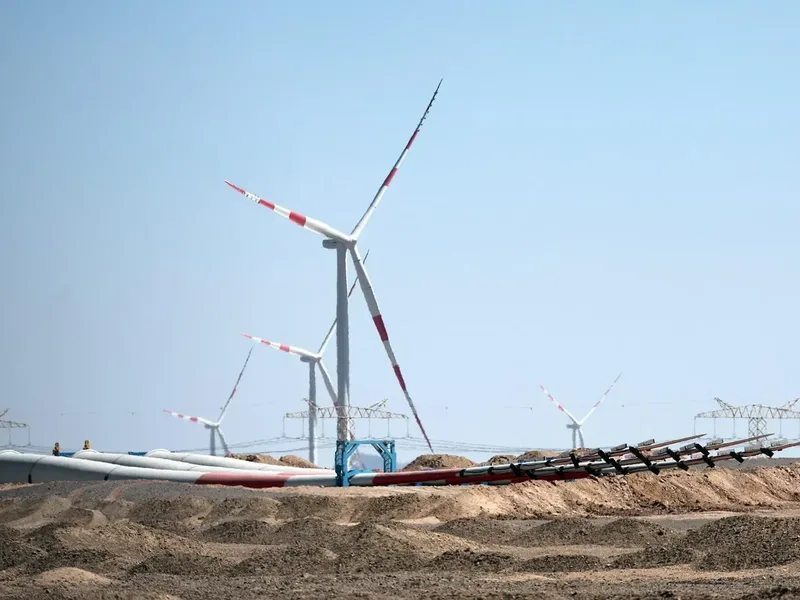
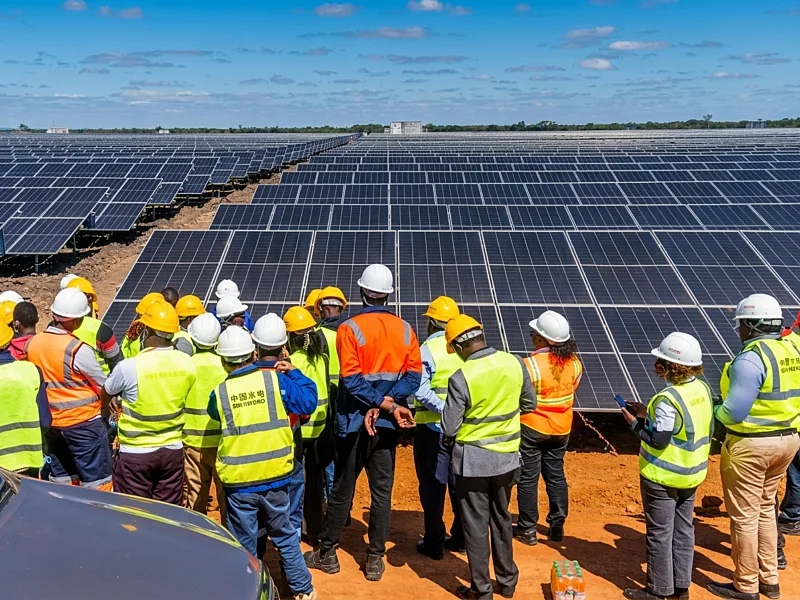
The Umoyilanga project, developed by EDF Renewables and Perpetua Holdings under South Africa’s Risk Mitigation Independent Power Producer Procurement Programme, will combine solar, wind and battery storage into a single dispatchable power system.
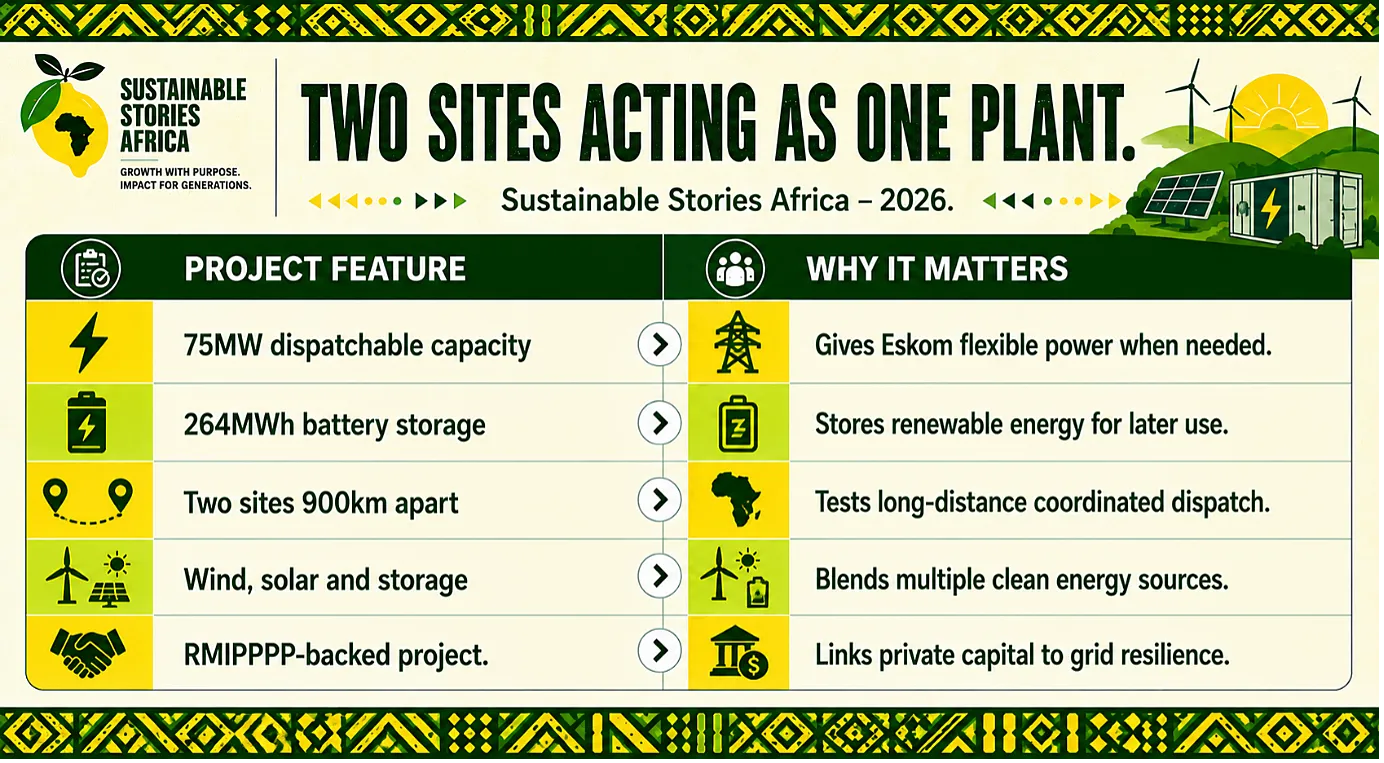
Once operational, it is expected to provide 75MW of dispatchable electricity to the national grid.
That makes the project more than just another renewable energy investment.
It is a test of whether Africa can use software, storage and flexible generation to build smarter grids for a continent still held back by unreliable electricity.
For South Africans who have lived through years of load shedding, the promise is practical: cleaner power that can be called upon when the system needs it most.
Two Sites Acting As One Plant
A virtual power plant, or VPP, uses digital systems to coordinate separate energy assets so they operate as a single power station.
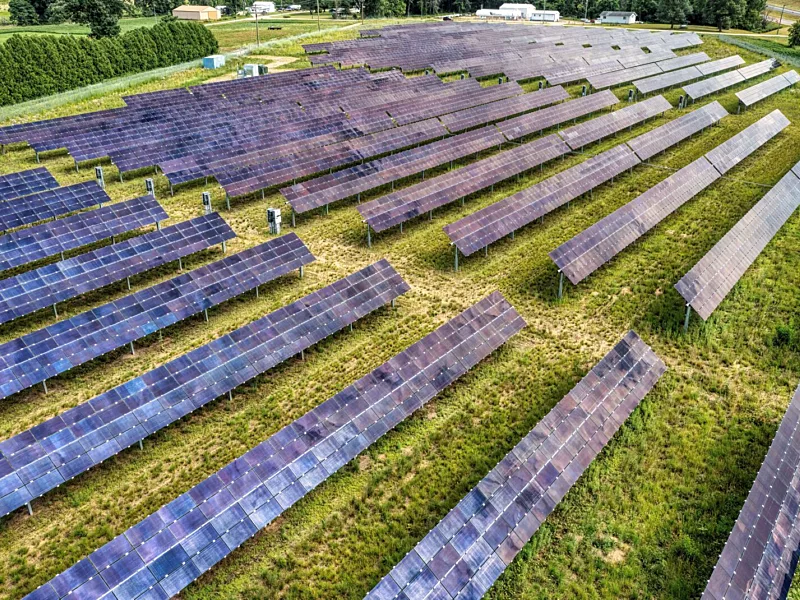
In Umoyilanga’s case, the system links a solar-plus-storage site in Avondale, Western Cape, and a wind-plus-storage site in Dassiesridge, Eastern Cape, approximately 900 kilometres apart.
The project will use 264 MWh of battery energy storage supplied by Sungrow, which allows electricity generated from solar and wind to be stored and dispatched as required.
This matters because renewables are variable: solar peaks during daylight, wind follows weather patterns, and demand often rises when generation falls.
The model speaks directly to Africa’s power challenge.
Many countries have solar potential, wind corridors and growing private investment, but weak grids and limited storage make integration of renewable energy challenging.
VPPs offer a way to balance supply and demand without relying only on large centralised power plants.
Desire: Cleaner Power Can Become Reliable Power
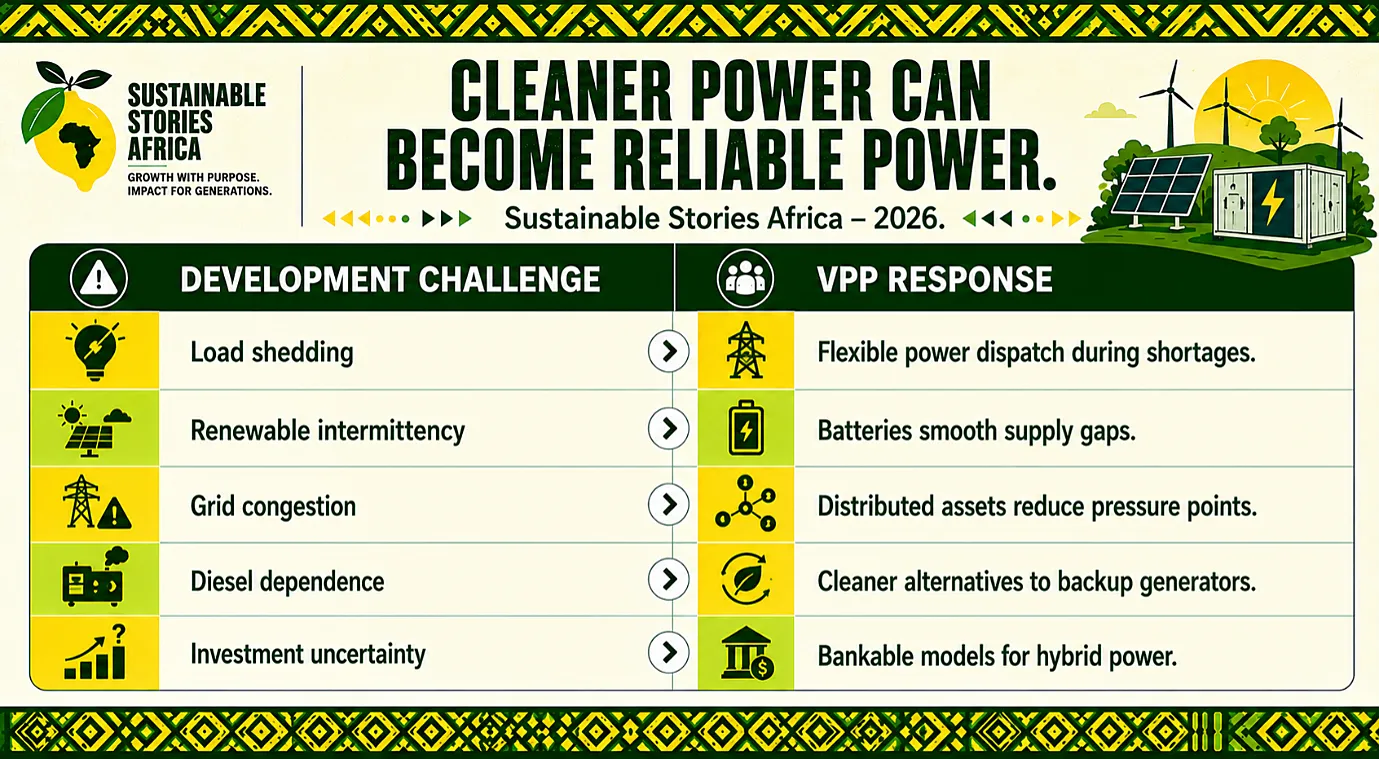
The real breakthrough is not just that Umoyilanga uses renewable energy. It aims to make renewable energy dispatchable.
That single word matters. Dispatchable power can be controlled and delivered when needed.
- For households, it means fewer interruptions.
- For businesses, it means less money spent on diesel generators.
- For utilities, it means more tools to manage peak demand and grid instability.
- For investors, it means renewable projects can become more bankable because they provide predictable capacity.
If the project performs well, it could become a demonstration model for other African markets facing power shortages, weak reserve margins and expensive backup generation.
The wider development impact could be significant. Reliable electricity supports schools, clinics, factories, cold storage, digital services and small businesses.
A smarter grid is not only an engineering achievement; it is a social infrastructure.
Regulation Must Catch Up Quickly
For virtual power plants to scale beyond a single flagship project, Africa needs more than technology.
It needs market rules that reward flexibility, storage, aggregation and fast-response power.
- Governments should update grid codes, procurement frameworks and tariff structures to recognise hybrid renewable systems as capacity providers, not just energy producers.
- Utilities must invest in digital grid management, forecasting tools and real-time data systems. Regulators need clear rules for storage licensing, ancillary services, wheeling and dispatch rights.
- Private investors also need confidence that VPPs can earn revenue for the services they provide: energy, capacity, grid support and reliability.
Without that market design, the continent may build renewable projects that generate clean power but still struggle to solve reliability problems.
The lesson from Umoyilanga is clear. Africa’s energy transition will not be won by generation alone.
It will be won through coordination: between software and storage, investors and utilities, policy and procurement, climate ambition and everyday electricity needs.
Path Forward – Make Dispatchable Clean Power A Standard
Africa’s first virtual power plant should become a starting point, not an exception.
The next priority is to build policy frameworks that allow renewables, batteries and digital systems to operate as flexible grid assets.
If governments and investors move quickly, VPPs can help reduce outages, cut diesel dependence and unlock cleaner industrial growth.
The future grid may not look like one power station; it may look like thousands of connected assets working together.
Culled From: Here comes Africa’s first virtual power plant