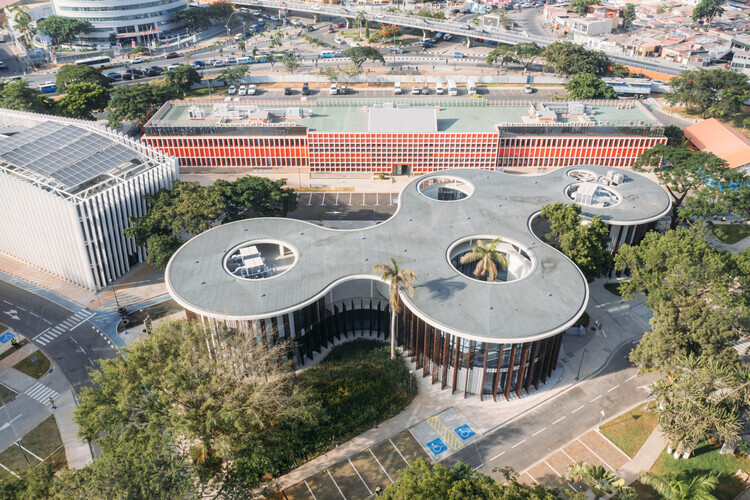
The Government of Angola and the African Development Bank (AfDB) have launched a Science and Technology Park designed to accelerate innovation, research and economic diversification.
The initiative supports Angola's ambition to reduce dependence on oil while building a knowledge-based, sustainable economy.
By connecting research, enterprise and industry, the park could create jobs, foster innovation and strengthen long-term economic resilience.
Building Prosperity Beyond Natural Resources
For decades, Angola's economic fortunes have largely risen and fallen with oil prices.
Today, the country is placing a strategic bet on something far more enduring: knowledge.
The Government of Angola, in partnership with the African Development Bank (AfDB), has officially launched a Science and Technology Park aimed at accelerating innovation, supporting entrepreneurship and strengthening the country's transition towards a diversified and sustainable economy.
The initiative is designed to bridge the gap between research, education and industry while creating an ecosystem where startups, technology companies, universities and manufacturers can collaborate to develop locally relevant solutions.
At a time when African economies are increasingly seeking new engines of growth beyond extractive industries, the project signals Angola's determination to compete through innovation as much as through natural resources.
Innovation Becomes National Infrastructure
Science and technology parks have become important instruments for countries seeking to build competitive knowledge economies.
Rather than functioning solely as research facilities, they create innovation ecosystems where businesses, researchers, investors and policymakers collaborate to commercialise ideas, develop new technologies and stimulate private-sector growth.
The Angola initiative aligns with the country's broader economic diversification agenda, which seeks to reduce reliance on petroleum revenues while expanding opportunities in manufacturing, agriculture, digital technologies, renewable energy and industrial services.
The African Development Bank has consistently identified science, technology and innovation as essential drivers of Africa's structural transformation.
According to the United Nations Educational, Scientific and Cultural Organisation (UNESCO), investment in research, innovation and technology remains strongly correlated with higher productivity, industrial competitiveness and long-term economic growth.
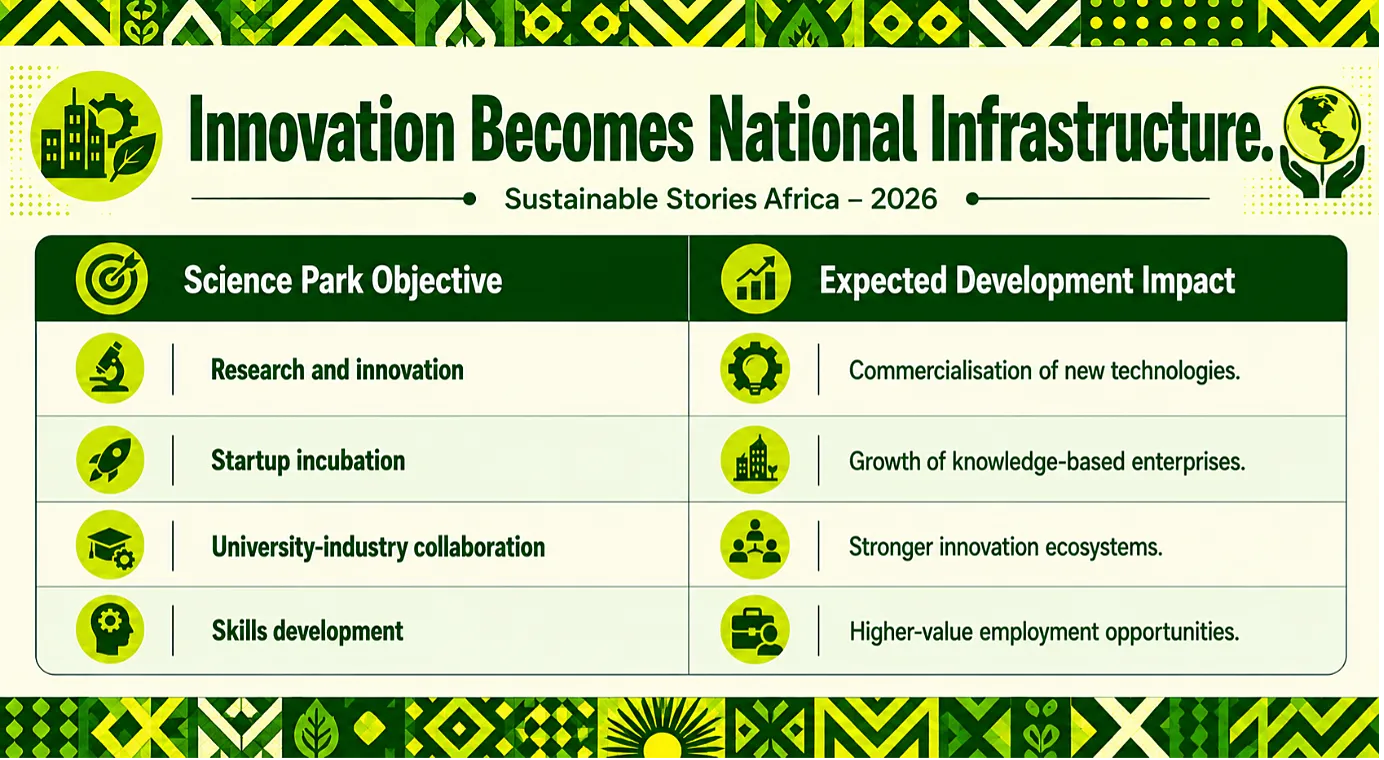
Beyond infrastructure, the park is expected to nurture entrepreneurship, encourage technology transfer and attract both domestic and international investment into high-value industries capable of supporting inclusive economic growth.
Turning Ideas Into Economic Opportunity
The true value of the Science and Technology Park lies not in its buildings but in the opportunities it can create.
- Young entrepreneurs gain access to incubation programmes, technical expertise and financing networks.
- Researchers receive stronger pathways for commercialising innovations, while businesses benefit from closer collaboration with universities and skilled graduates.
For Angola's workforce, the project could create employment across engineering, digital technology, manufacturing, biotechnology, renewable energy and professional services, industries that typically generate higher productivity and stronger wage growth.
Failure to invest in innovation ecosystems, however, risks leaving economies dependent on commodity cycles while missing opportunities emerging from the global digital and green transitions.
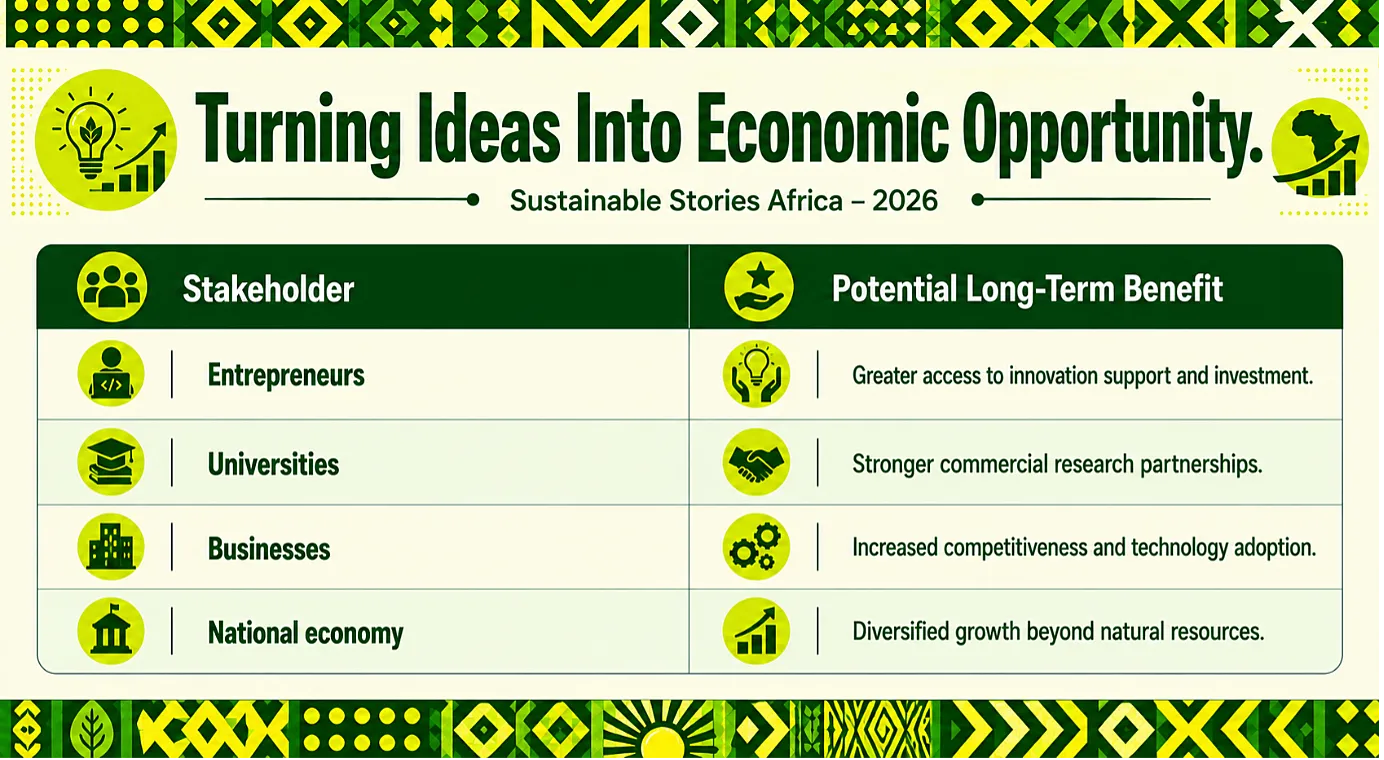
The initiative therefore represents more than an infrastructure project; it is an investment in Angola's future productive capacity.
Sustaining Innovation Beyond Construction
Launching the Science and Technology Park is an important milestone, but sustained success will depend on what happens next.
- Government agencies, universities, investors and the private sector must work together to build an environment that rewards innovation, protects intellectual property and provides entrepreneurs with access to finance and global markets.
- Continued investment in STEM education, digital infrastructure and research funding will also be essential to ensure that the park becomes a vibrant centre of innovation rather than a standalone facility.
- Development finance institutions, including the AfDB, can further strengthen the ecosystem by supporting venture financing, technology partnerships and regional innovation networks that connect Angola with wider African markets.
If effectively managed, the Science and Technology Park could become a catalyst for industrial transformation, positioning Angola as a growing innovation hub within Southern Africa.
Path Forward – Innovation Anchors Sustainable Economic Transformation
The new Science and Technology Park reflects Angola's ambition to shift from resource dependence towards innovation-driven development supported by strategic partnerships and knowledge creation.
Long-term success will depend on sustained collaboration among government, academia, industry, and development partners to build competitive industries, create quality jobs and strengthen Africa's transition towards a resilient, diversified and sustainable economy.