Citi says it has financed and facilitated $647.2 billion in sustainable activity since 2020, passing the halfway mark of its $1 trillion target.
Its 2025 report shows resilience moving from a defensive concern to a competitive financing priority.
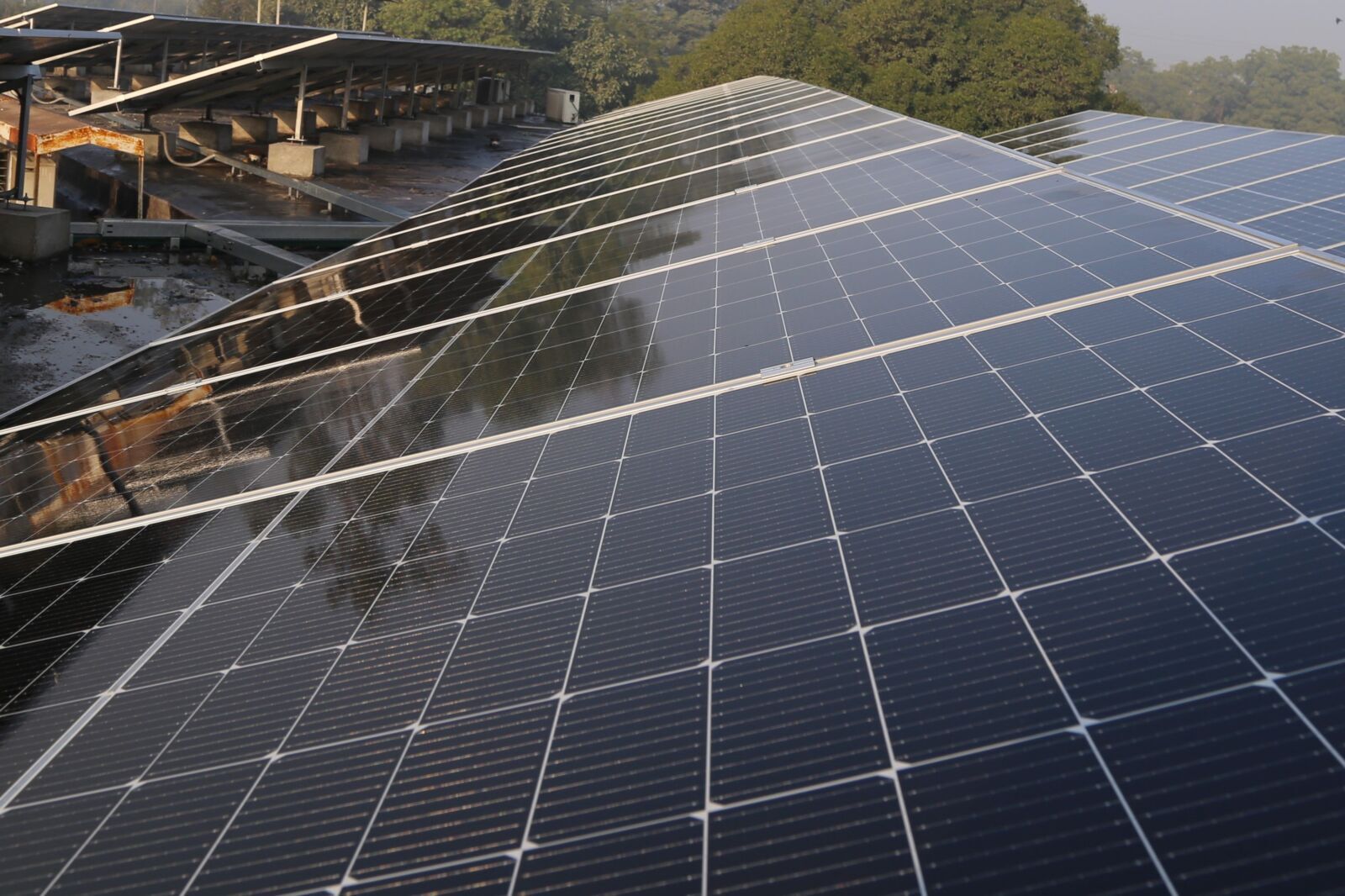
For Africa, a Kenyan solar securitisation demonstrates how local-currency structures can connect capital with household energy access.
A Banking Milestone Signals A Wider Shift
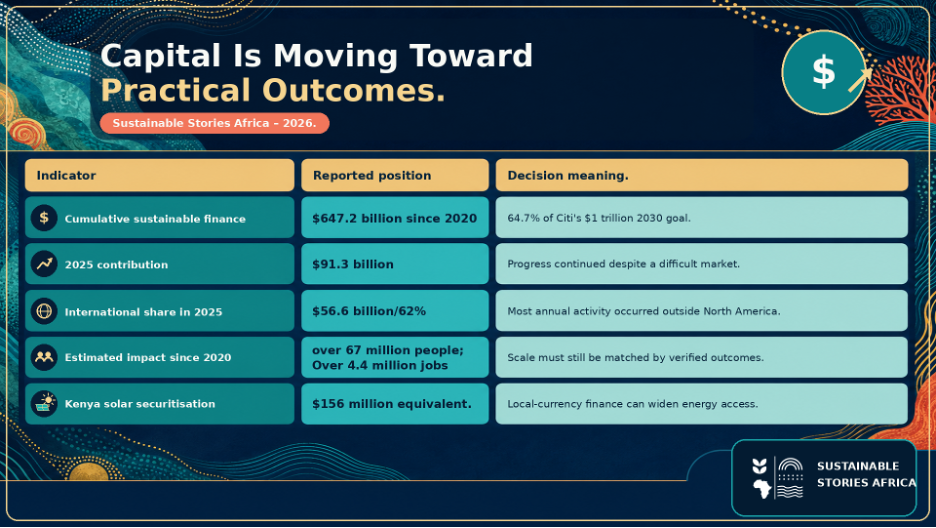
Citi has financed and facilitated an estimated $647.2 billion in sustainable finance since 2020, placing the bank 64.7% of the way towards its $1 trillion goal for 2030.
The figure, disclosed in its 2025 Sustainability Report, includes $91.3 billion recorded in 2025 alone.
The milestone matters because the language of the market is changing. Citi says clients increasingly view resilience not as a defensive expense but as a competitive necessity amid supply chain disruptions, extreme weather, energy insecurity and shifting regulation.
That shift is visible in transactions such as Tokyo's $330 million bond, described as the world's first bond certified against the Climate Bonds Resilience Taxonomy.
The report therefore lands as more than a scorecard. It shows how a large global bank is widening sustainable finance beyond emissions reduction to include adaptation, essential infrastructure, economic inclusion and systems that can withstand disruption.
Capital Is Moving Toward Practical Outcomes
Banking remained Citi's largest contributor;
- Accounting for $67.5 billion, or 74%, of its 2025 sustainable finance activity.
- Renewable energy contributed $18.4 billion
- Sustainable transportation contributed $10.3 billion
- Affordable housing contributed $6.2 billion.
International transactions represented $56.6 billion, or 62%, of the year's total.
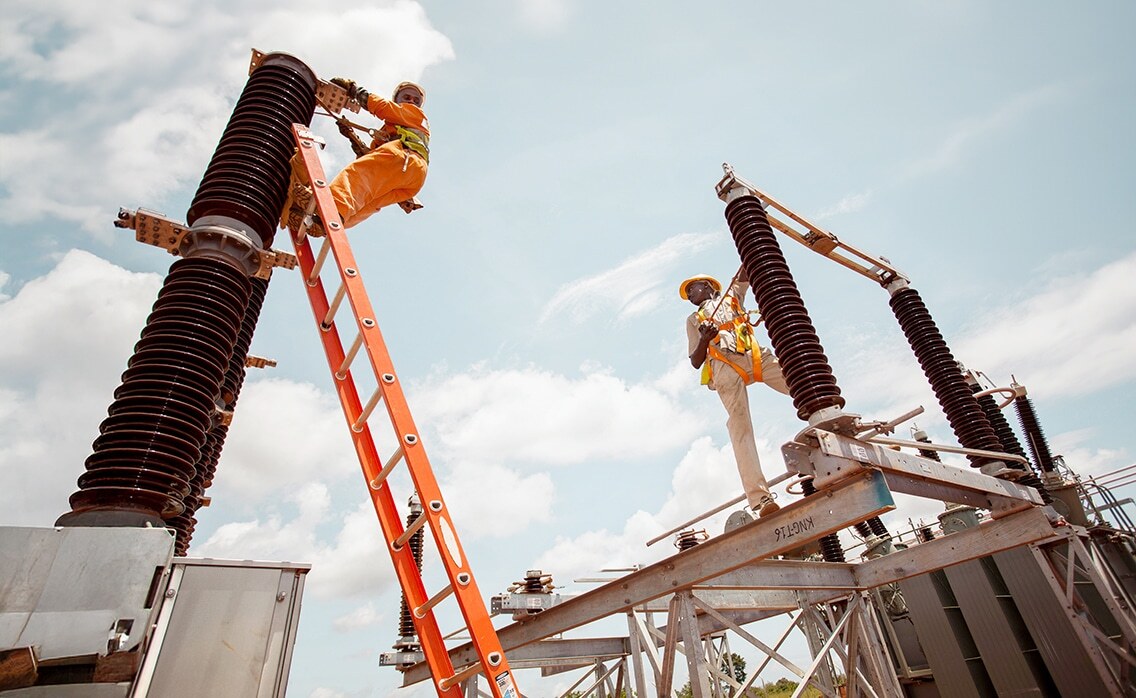
The African example is especially tangible. Citi arranged and structured a local-currency securitisation equivalent to $156 million for off-grid solar company Sun King in Kenya.
The bank says the deal, backed by commercial banks and development finance institutions, is expected to help 1.4 million low-income households and businesses access electricity and smartphones.
Converting future customer repayments into investable assets, it also demonstrates how local capital markets can reduce foreign-exchange risk.
The Numbers Show Reach And Limits
Citi estimates that activity counted towards the goal since 2020 has affected more than 67 million people, supported over 4.4 million jobs and avoided 8.8 million metric tonnes of greenhouse gas emissions.
Between 2021 and 2025, social finance activity supported access to essential goods and services for more than 19.2 million low-income households in emerging markets, including an estimated 8.7 million women.
Those figures require careful reading. Citi says it uses a conservative approach and excludes deals where methodologies or data are unavailable.
It also notes that some impact estimates rely on client-provided information that is not independently verified.
The bank's release of a Sustainable Finance Framework is therefore important: credibility will increasingly depend on transparent eligibility rules, disciplined attribution and evidence that financing creates additional, durable outcomes.
African Markets Need Bankable Resilience Pipelines
For African governments and financial institutions;
- The lesson is not simply to replicate a global target.
- It is to build investable pipelines around the continent's most immediate resilience needs: reliable electricity, water security, climate-smart agriculture, affordable housing, health systems and transport infrastructure.
That means combining project preparation, local-currency finance, guarantees, insurance and measurable service outcomes.
- Banks should publish what qualifies, disclose how transactions are counted and distinguish between capital mobilised against impact achieved.
- Regulators and development finance institutions can help by improving climate-risk data, supporting first-loss structures and creating standards that make smaller projects visible to institutional investors.
- Project developers also need earlier funding for feasibility studies, engineering, community consultation and revenue design.
Without that preparation, resilience remains a policy ambition rather than a pipeline.
With it, pension funds and insurers can compare risks, price returns and invest at meaningful scale across underserved African markets right now.
Path Forward – Resilience Finance Must Become Measurable Infrastructure
Citi's halfway milestone shows that sustainable finance can remain commercially significant even as political language and market priorities change.
The next test is whether more capital reaches adaptation and essential services, particularly in vulnerable emerging markets.
Africa's opportunity is to turn resilience into an investable asset class without weakening accountability.
Transparent frameworks, local-currency instruments and verified outcomes can help ensure that every financed project strengthens communities as well as balance sheets.
Culled From:Citi Reaches $647 Billion as Sustainable Finance Shifts Toward Resilience