Infrastructure can expose nearby households to higher costs while sending most of the financial gains elsewhere.
In a November 4 account of a directors’ summit, Kristina Wyatt reported a call to address that imbalance before companies commit capital.
The argument puts public trust, water security and climate resilience on the same agenda as financing and construction.
Community risk reaches the boardroom
Corporate boards should weigh how major projects affect neighbouring communities before approving investments, according to Kristina Wyatt’s November 4 account of a discussion at the National Association of Corporate Directors summit.
Wyatt reported that Larry Selzer, president and chief executive of The Conservation Fund, told fellow panellist Nora Denzel that spending on community priorities and natural resources can protect shareholder value when it is built into project plans early.
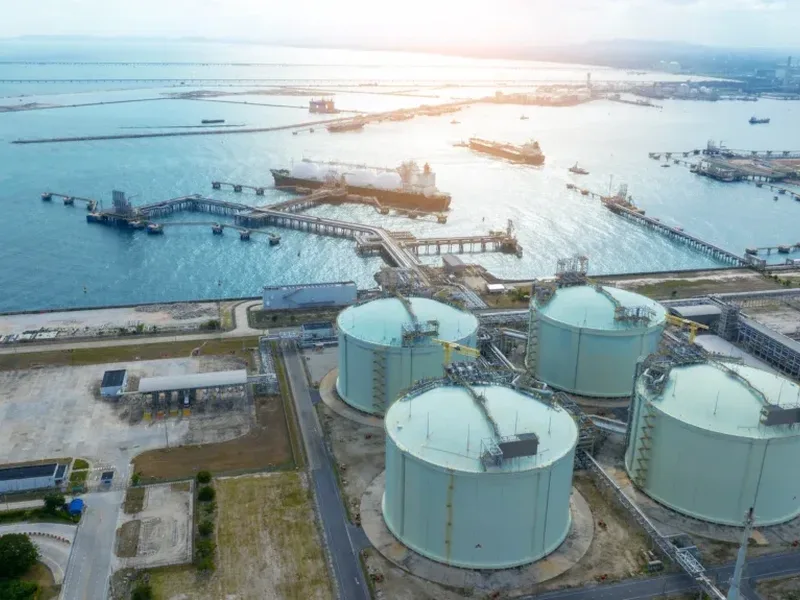
Data centres illustrate the stakes.
- Investment in artificial intelligence is pushing up demand for computing facilities and the power infrastructure that serves them.
- Households near proposed sites may have questions about land use, water availability and electricity costs, even when much of the business value goes to customers and investors elsewhere.
These questions can affect whether a project proceeds on schedule and what it ultimately costs.
Who pays when a project slip
Wyatt describes a familiar sequence in large developments.
- Management evaluates engineering, financing, permits and returns, then gives community engagement greater attention after objections emerge.
- By then, changes to a site, design or operating plan may be expensive.
- Litigation and delays can push back revenue and extend the period for which investors must carry project costs.
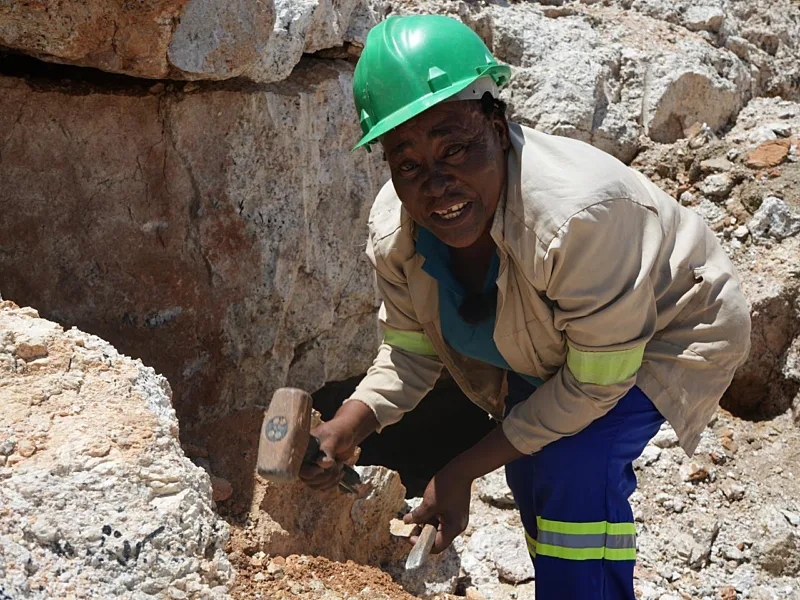
Selzer’s approach starts with asking residents what they need and budgeting for commitments during project design.
- The answer could involve water infrastructure or connectivity, depending on what residents identify as important.
- The company’s proposed jobs and tax payments are part of that discussion.
Their value to local people depends on who can access the jobs and how public revenue is used.
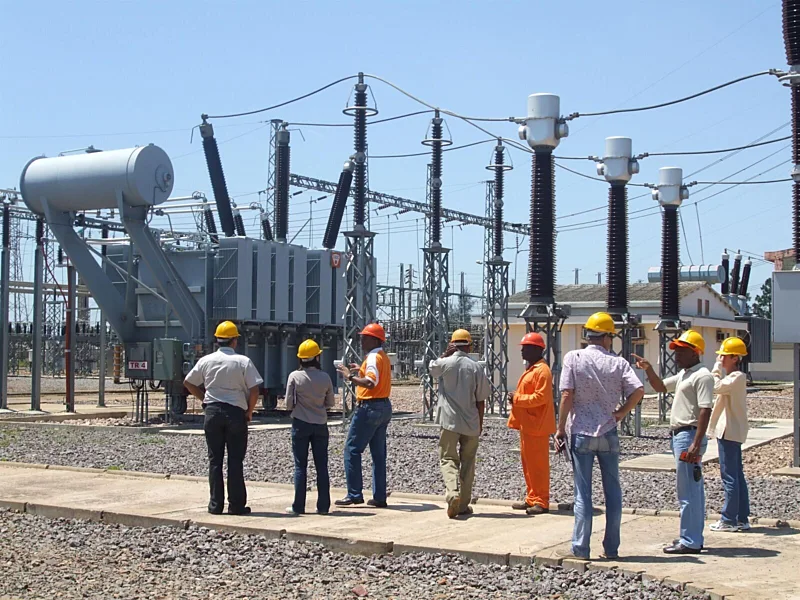
The argument has particular relevance where new industrial and digital infrastructure must share utilities with existing users.
- A developer can model demand from its own facilities in detail and still overlook how the same investment changes the reliability or affordability of services that nearby households and firms rely on.
A capital request can make these trade-offs visible.
- Alongside the base-case schedule, management can estimate the consequences of a delay and show what can still change in response to community input.
Directors can then examine whether the schedule depends on assumptions about permits, water supply or local acceptance that the project team has yet to test.
Natural assets enter the investment case
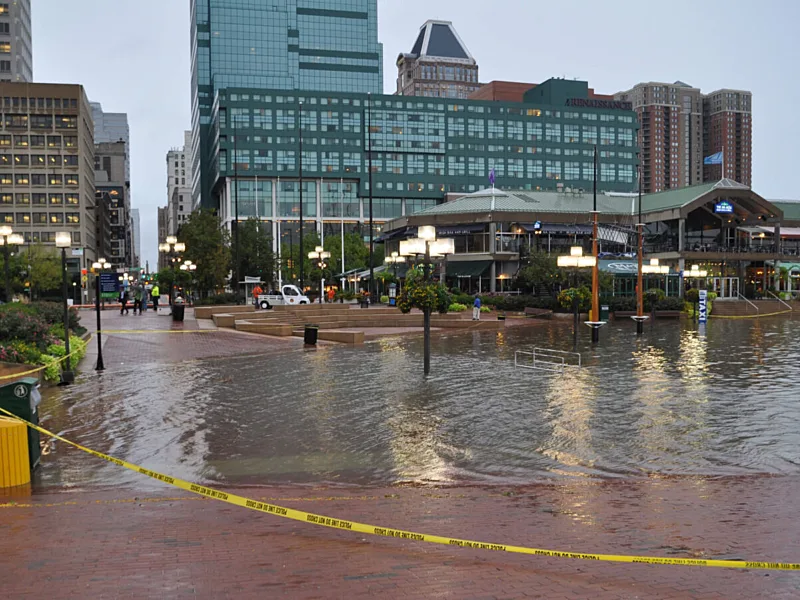
The discussion also covered the physical risks that floods, droughts, wildfire and extreme heat pose to assets and supply chains.
- A flood can interrupt deliveries even when the company’s own site stays dry.
- A drought can constrain production through a supplier or a shared water system.
The financial consequences can appear as repair costs, higher insurance premiums or missed sales.
Wyatt reports that Selzer urged directors to consider how natural systems can reduce such risks.
- Wetlands can hold floodwater, while healthy forests and landscapes can regulate water flows and limit erosion.
- Where these functions protect a site or supply chain, their expected performance and upkeep belong in the same investment appraisal as conventional engineering.
Directors need enough information to compare how the options perform over the asset’s life, including who will maintain them.
Early engagement can also improve a project’s design.
- For example a proposed water intake, may look workable on an annual average. Residents and local operators may know when shortages recur and which users have few alternatives.
Bringing that information into the design stage gives engineers time to assess seasonal demand and test other operating arrangements before the company fixes its plans.
What directors can ask management
The next capital review is a place to examine these issues.
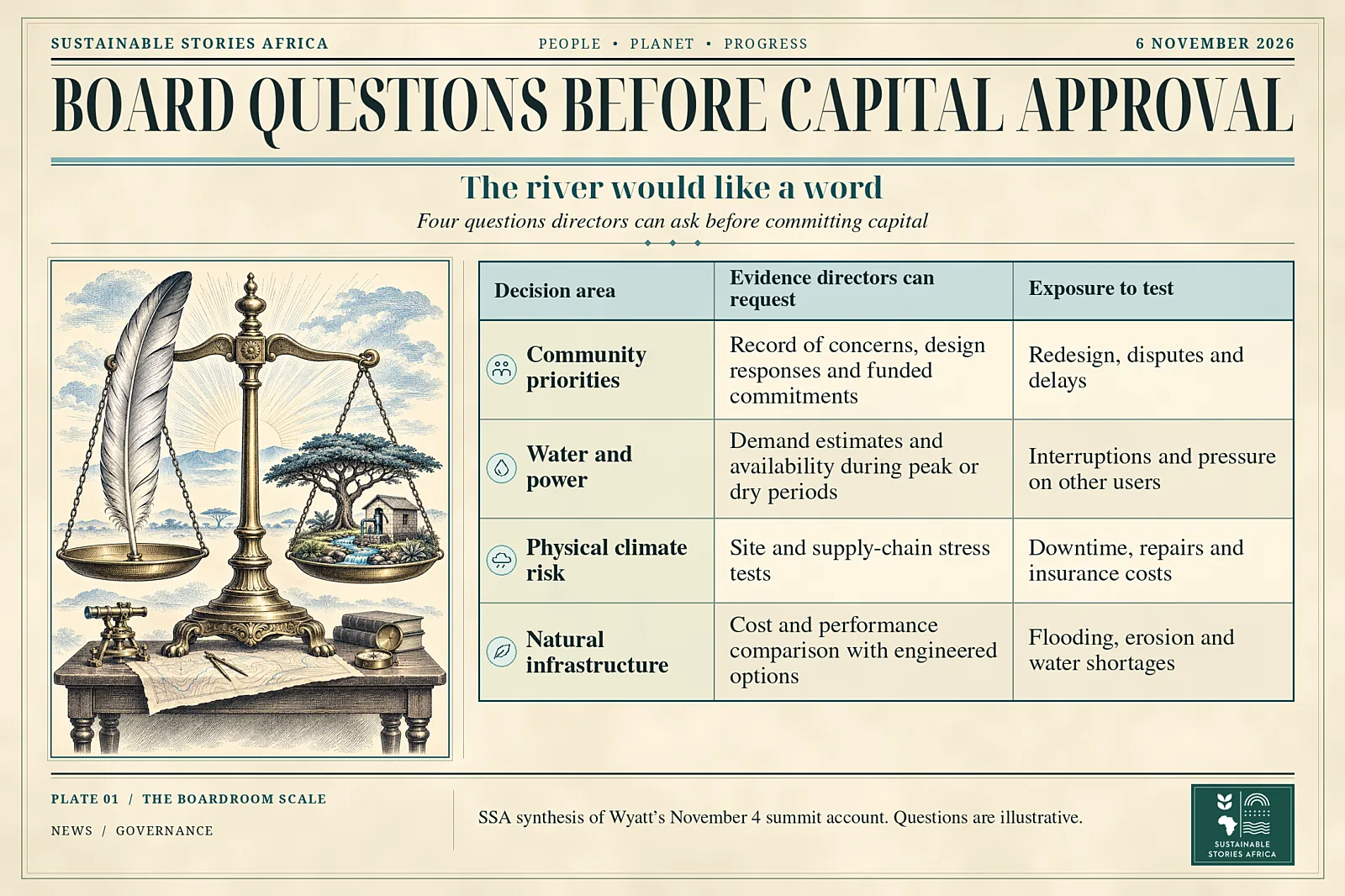
- Directors can ask which communities and natural systems the project depends on, what alternatives management has tested and how a delay would change returns.
- Where the project team has limited local relationships, Wyatt’s account points to the potential role of trusted intermediaries who understand both the business and the people affected.
The board can also ask who will deliver each commitment and how management will report progress after approval.
- A named owner and a budget give directors a basis to follow up when a permit takes longer than expected or community feedback requires a change to the original proposal.
Path Forward – Put Community Risks into Capital Decisions
Boards can bring evidence on local impacts, climate exposure and natural infrastructure into project approval.
Management can then price the commitments it can deliver and identify assumptions that still need testing.
The next review should show how community input changed the proposal and who will track the company’s commitments through construction and operation.