A landmark IEA report confirms district energy, centralised heating and cooling systems serving hundreds of millions globally, remain overwhelmingly fossil-fuel dependent, even as renewables reshape electricity, transport, and buildings.
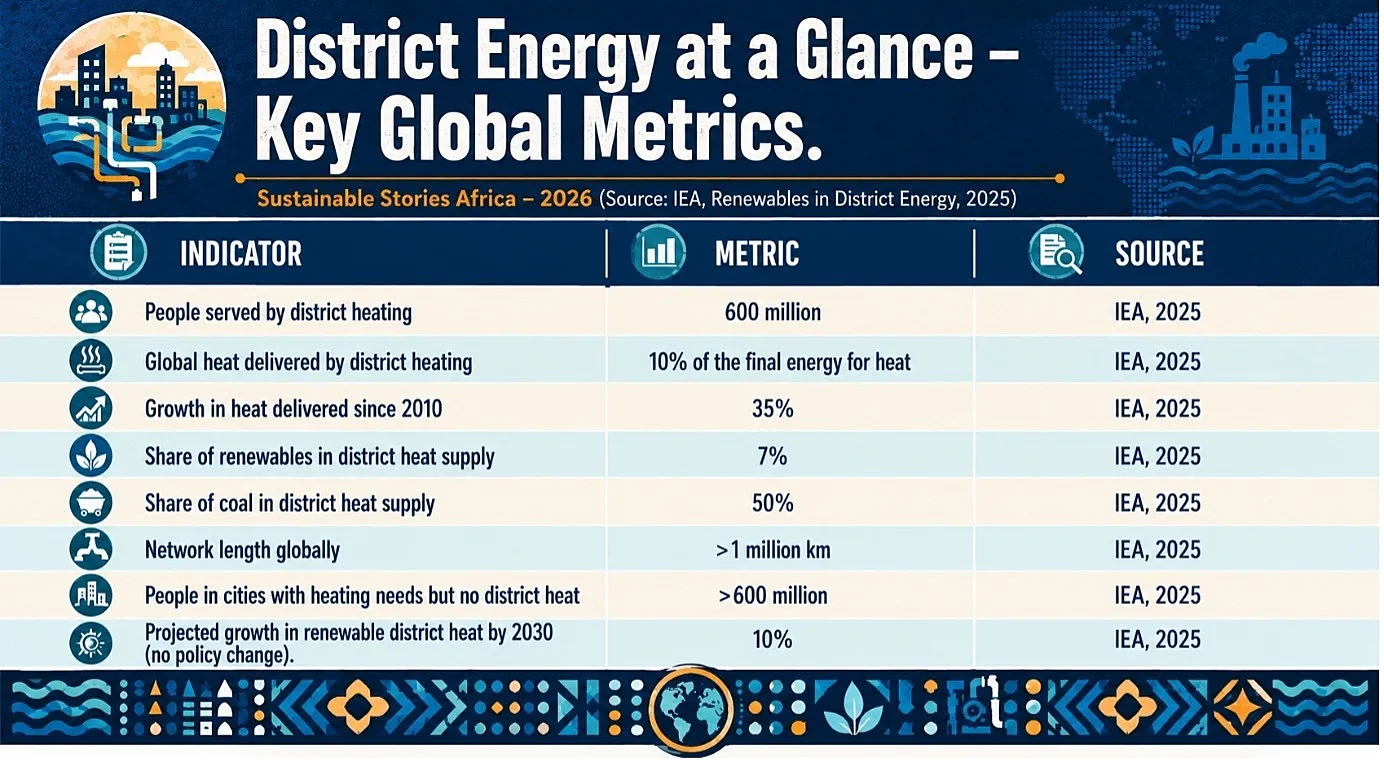
Coal accounts for roughly half of global district heat production, while renewables contribute just 7%, despite being commercially viable and cost competitive.
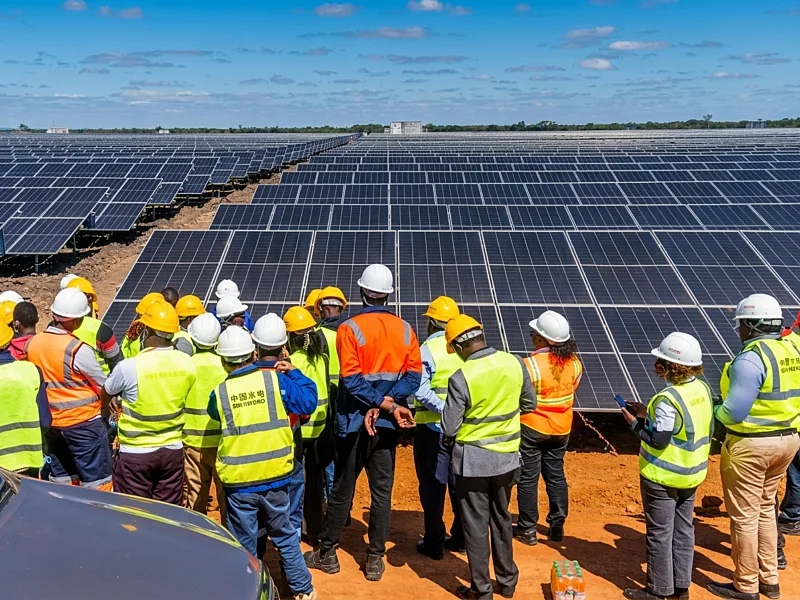
For Africa's rapidly urbanising cities, where leapfrogging fossil infrastructure is uniquely possible, the findings carry an urgent message: today's urban energy decisions will shape the continent's energy security and climate trajectory for decades.
The Energy System Nobody Is Talking About
There is a global energy system that heats and cools more than 600 million people, stretches over one million kilometres of buried infrastructure, and supplies around 10% of the world's final energy consumption for heat.
It underpins urban life from Helsinki to Beijing, from Warsaw to Seoul. it is, by and large, stuck in a fossil fuel paradigm that most of the world claims to be leaving behind.
That system is district energy. A comprehensive report from the International Energy Agency, Renewables in District Energy, published in 2025, delivers both a damning assessment of where the world stands and a clear-eyed roadmap for how to change it.
For African cities, where urbanisation is accelerating faster than almost anywhere on the planet, where cooling demand is rising sharply, and where the opportunity to build clean, efficient energy infrastructure from the ground up still exists, the report's findings are not an indictment of the past. They are an instruction manual for the future.
One Million Kilometres of Infrastructure, 7% Renewables
The numbers in the IEA report are arresting. District heating supplies around 10% of global final energy consumption for heat, corresponding to approximately 5% of total global energy consumption.
Global networks now extend over one million kilometres, enough to encircle the Earth approximately 25 times, and the amount of heat delivered has increased by 35% since 2010.
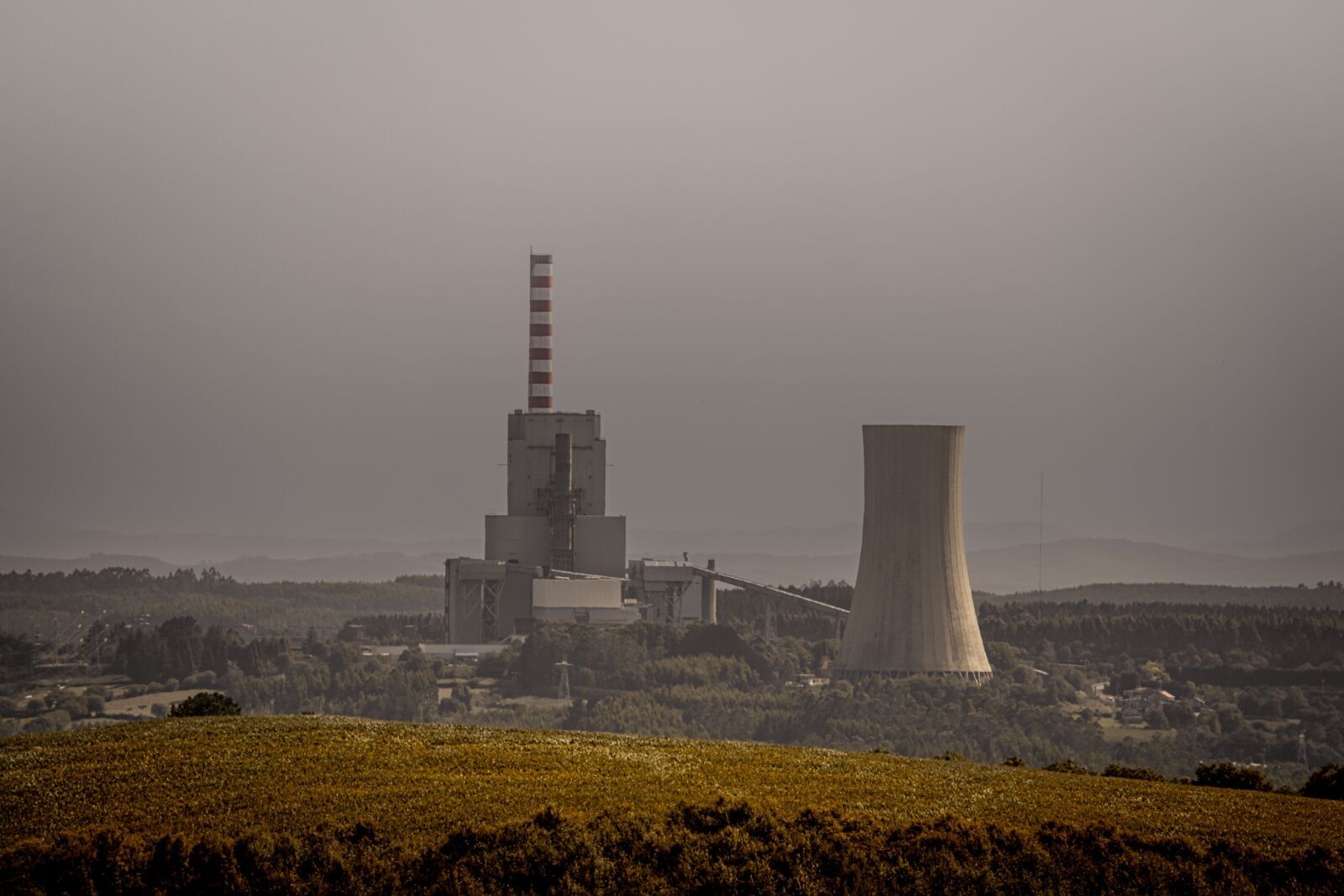
However, despite this growth, coal accounts for roughly half of all district heat production worldwide, and natural gas contributes close to one-third.
Renewables supply just 7% of global district heat. Without significant policy changes, that figure is projected to grow by only around 10% by 2030, the slowest growth rate of any renewable heating category.
Meanwhile, solar PV capacity has more than quadrupled in five years, wind capacity has nearly doubled, and electric vehicle sales have surged, all while renewable energy in district heating has remained essentially flat.
The contrast is stark, and the gap is widening.
A Strategic Asset Being Systematically Underused
District energy is not merely a heating system. When properly designed and operated, it functions as a multi-vector energy hub — balancing variable power generation, providing long-duration thermal storage, supporting electrification, and avoiding excessive strain on electricity grids during peak periods. It can integrate bioenergy, geothermal heat, solar thermal, large-scale heat pumps and waste heat from data centres, metro systems, hospitals and industrial facilities.
The IEA identifies four core policy priorities for scaling up renewable district energy:
- Plan (make heating and cooling planning a statutory urban requirement),
- Modernise (lower supply temperatures and deploy digital controls).
- Electrify and integrate (reform electricity pricing and value thermal storage as a flexibility asset).
- Finance (deploy blended finance, concession models and climate funds to mobilise capital for capital-intensive long-lifecycle infrastructure).
What a Renewable District Energy System Could Deliver for Africa
The countries that have built high-renewable district energy systems, including Denmark, Sweden, Finland, Iceland, and the Baltic states, demonstrate what is possible when long-term policy commitment meets locally available resources.
In Northern Europe, renewables and waste heat already displace over 190 million barrels of oil equivalent of imported fossil fuels every year.
Import dependence in district heating has fallen to around 14% in Northern Europe, and without renewables, it would be more than four times higher.
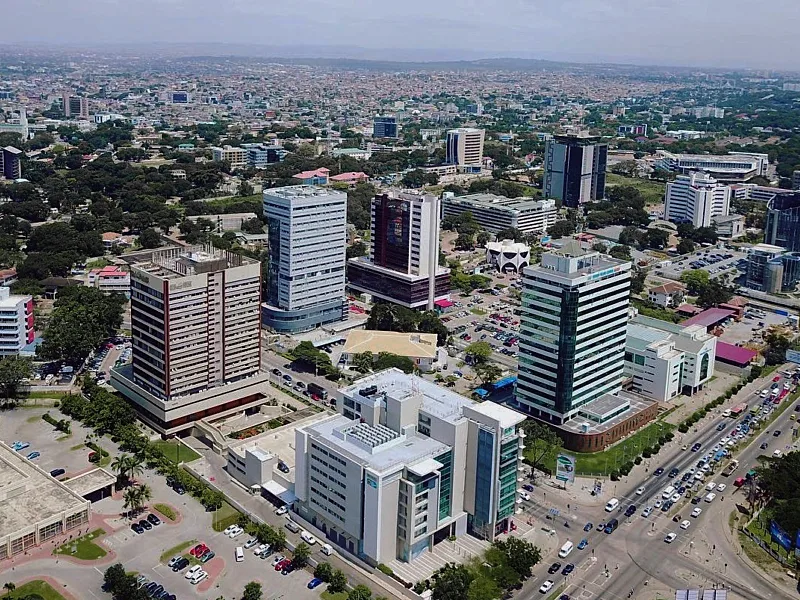
For African cities, this lesson is particularly relevant. Africa's rapidly urbanising centres, such as Nairobi, Accra, Addis Ababa, Kigali, Dar es Salaam, Tunis, and Casablanca, face intensifying cooling demand driven by rising temperatures, urban heat islands and growing middle-class consumption.
Building centralised, renewable-powered cooling and heating networks from the ground up, rather than allowing the proliferation of inefficient individual air conditioners, is both technically achievable and economically rational, particularly where cities can plan ahead of the growth curve.
Africa's Urban Energy Systems Cannot Repeat the Fossil Error
The IEA is unambiguous: the main challenges preventing the scale-up of renewable district energy are not technological, but economic and regulatory.
Technology is available and increasingly cost-competitive. What is missing is coordinated policy, integrated urban planning and access to suitable long-term financing.
For African governments, development finance institutions and city planners, the IEA's findings translate into three urgent priorities:
- Make thermal energy planning a statutory part of all national urban development strategies – heat and cooling mapping must become as standard as transport and water planning in Africa's growing cities
- Engage multilateral and development banks – AfDB, World Bank and IFC must integrate district energy feasibility studies and pilot project financing into urban infrastructure portfolios
- Establish renewable cooling as a priority sector – given Africa's acute and growing cooling demand, district cooling powered by renewable sources represents the continent's most immediate district energy opportunity
Path Forward – The Window Is Open, but Not Forever
Africa Must Plan Its Urban Energy Future Now
District energy infrastructure is capital-intensive, long-lived and deeply path-dependent; the choices made in the next decade will shape Africa's urban energy systems for 50 years.
The IEA's report confirms that the technologies to build clean, renewable-powered district energy networks are available today, and that countries with the right policy frameworks have already demonstrated their viability at scale.
Africa's opportunity is to plan ahead of its own urbanisation wave, building systems designed from the outset for low-temperature operation, renewable integration and thermal storage, rather than repeating the fossil-fuel lock-in that now constrains cities across Europe and Asia.