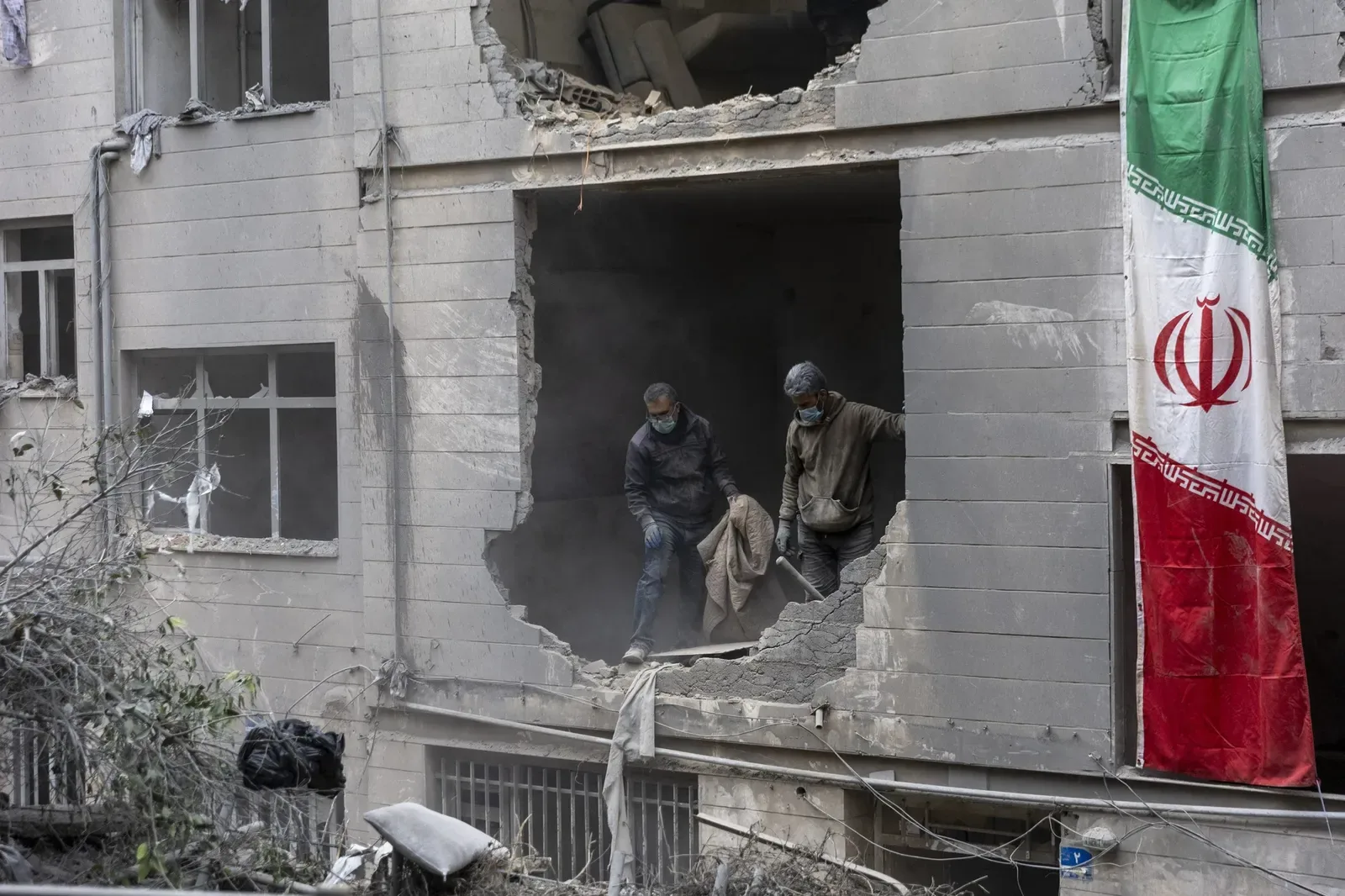
The Iran war is disrupting energy markets and shipping while threatening to divert US diplomatic and commercial attention from Africa, Brookings warns.
Sub-Saharan Africa faces weaker growth, higher inflation and food-security pressure from rising fuel and fertiliser costs.
However, the crisis also strengthens the strategic case for long-term partnerships in African critical minerals, energy, trade and regional peace.
A distant war lands in household budgets
The US-Israel war on Iran is producing direct economic shocks across Africa while creating a second danger: strategic neglect by Washington at a moment of intense competition for markets, minerals and alliances.
- That is the warning from Brookings senior fellow Landry Signé, who argues that previous global crises have repeatedly slowed international commitments to the continent.
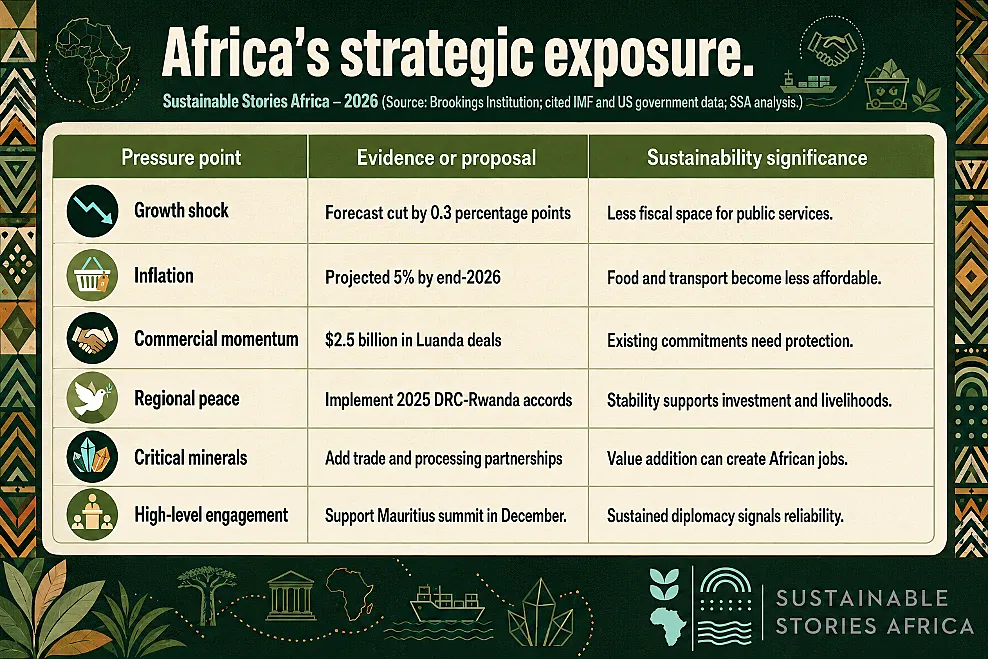
The International Monetary Fund downgraded its Sub-Saharan African growth forecast by 0.3 percentage points, according to the Brookings analysis, and expected regional inflation to rise from 3.4% in 2025 to 5% by the end of 2026.
- Higher oil prices feed transport, food and fertiliser costs, with low-income households and net food-importing countries bearing the heaviest burden.
Momentum could be lost to distraction
Before the war, US-Africa engagement showed fresh movement.
- The 17th US-Africa Business Summit in Luanda generated $2.5 billion in commercial deals, a new assistant secretary of state for Africa had been appointed, and the US National Security Strategy referenced trade, investment, energy and critical minerals.
Brookings recalls the Iraq War period, when attention and commitments to African development weakened.
- The current risk is similar: meetings are postponed, budgets are redirected, and policy implementation slows while competitors deepen commercial relationships.
For African governments, unpredictability can delay projects and encourage greater partner diversification.
Crisis also creates strategic opportunity
Supply disruptions strengthen the case for diversified energy systems and secure mineral supply chains.
- Africa holds resources needed for batteries, grids and advanced technologies, while many countries want investment that moves beyond extraction into processing, skills and local industry.
Brookings proposes sustained senior-level engagement, protection of Africa-related budgets, implementation of the December 2025 DRC-Rwanda peace accords and robust participation in the rescheduled US-Africa Business Summit in Mauritius in December 2026.
It also calls for long-term renewal of the African Growth and Opportunity Act, with attention to critical minerals, and US support for processing capacity in resource-rich countries.
Partnership must survive competing emergencies
Washington should publish and protect delivery milestones for African commitments so progress does not depend on the daily hierarchy of global crises.
Congress, agencies and finance institutions should distinguish emergency spending from long-term trade, peace and development priorities.
African governments, meanwhile, should negotiate from a clear value-addition agenda, strengthen regional markets and avoid replacing one external dependency with another.
Strategic minerals should support revenues, jobs, environmental safeguards and community benefit rather than repeat an enclave extraction model.
Path Forward – Keep Africa Central During Global Crises
The United States should protect Africa programmes, deliver existing commercial commitments and remain fully engaged in the Mauritius summit and Great Lakes peace process.
Both sides should build transparent critical-minerals and energy partnerships that expand African processing, skills and jobs.
Durable engagement will reduce crisis-driven volatility and show that strategic cooperation can continue even when another region dominates headlines.
Culled from: Don’t let the Iran war distract the United States from Africa | Brookings