Kenya's electricity reserve margin has fallen below 4%, far beneath the 20% to 35% range cited as prudent by Renewables Rising.
Variable renewables supply up to 36% of the mix during low demand, while the country imports 200 megawatts from Ethiopia.
The warning shows that clean generation growth must be matched by storage, transmission, flexible supply and faster project delivery.
Thin reserves leave little room for failure
Kenya faces a growing risk of blackouts and load shedding after its electricity reserve margin fell below 4%, according to a Renewables Rising report, citing Kenya Power.
- Reserve margin is the generation capacity available above peak demand; when it is extremely narrow, an unexpected plant outage, transmission fault or demand surge can create an immediate supply shortfall.
The level is well below the 20% to 35% range cited in the report.
- Kenya has responded partly through imports from Ethiopia, currently at 200 megawatts, and recently agreed to secure more power while planned domestic projects are developed.
Renewable success creates integration challenge
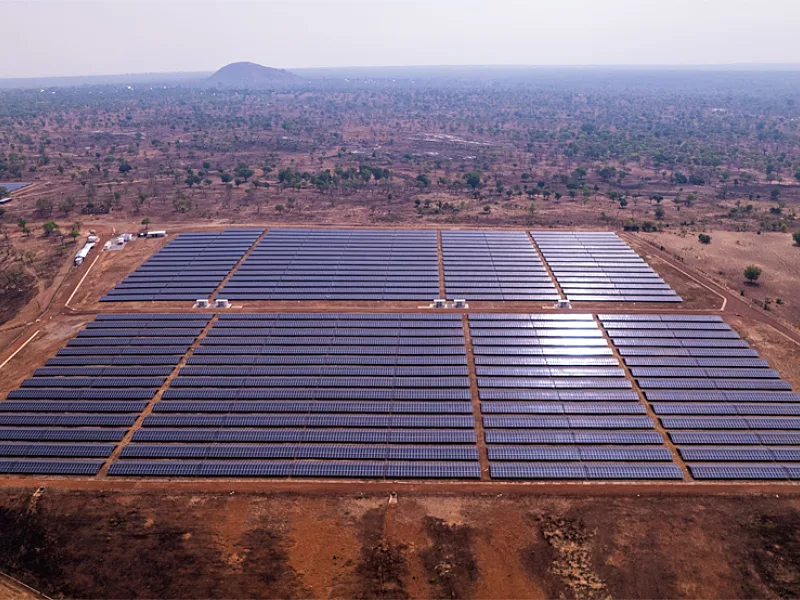
Kenya already has one of Africa's cleaner power systems, led by geothermal, hydropower, wind and solar.
However, variable renewable energy can fluctuate with weather and time of day.
- Kenya Power said wind and solar account for 34% of the energy mix during peak demand and 36% during low-load periods, creating a more complex balancing task.
The problem is not that renewable power is inherently unreliable.
- It is that the broader system needs enough flexible generation, storage, transmission, forecasting and demand response to manage variation.
- Kenya had also stopped signing new power-purchase agreements for seven years, constraining the pipeline until the freeze was lifted.
Reliability supports jobs and public services
Power cuts impose costs far beyond utility operations.
- Manufacturers lose output, small businesses return to diesel, hospitals protect critical equipment, and households face disrupted work and study.
- Frequent shortages can also undermine investor confidence in Kenya's digital, industrial and electric-mobility ambitions.
Imports from Ethiopia are a sensible regional tool, especially when neighbouring systems have complementary resources.
However, import dependence also requires secure interconnectors, enforceable contracts and contingency planning.
Domestic geothermal, hydro, storage and flexible demand can reduce vulnerability while preserving Kenya's low-carbon advantage.
Planning must move faster than demand
Energy authorities should publish a transparent reserve-restoration plan with capacity timelines, transmission constraints and procurement milestones.
Competitive tenders should value dependable delivery and system services, not only the lowest headline generation tariff.
Kenya Power and the system operator should expand short-term forecasting, storage pilots, time-of-use tariffs and demand-response programmes.
Regulators must also ensure that emergency procurement does not create unaffordable long-term contracts for consumers.
Path Forward – Rebuild Kenya's Reserve Margin Before Crisis
Kenya should restore an adequate reserve margin through accelerated geothermal and other dependable capacity, storage, grid upgrades and secure regional imports.
Procurement must remain competitive and affordable, with clear milestones after the long PPA pause.
Better forecasting, demand response and transparent reliability reporting can help the system integrate more renewable energy without making households and businesses pay through outages or excessive tariffs.
Culled from: Kenya faces growing risk of power cuts.