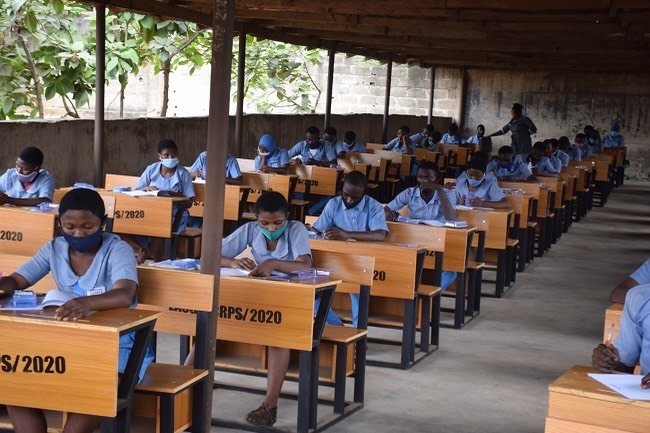
Nigeria's Federal Government has suspended the proposed increase in WAEC and NECO examination registration fees for 2027.
The decision follows public concerns and opens the door for broader consultations before any final determination is made.
For millions of families already facing rising living costs, the pause offers temporary relief as policymakers reconsider how to balance affordable education with sustainable funding for examinations.
Government Puts Planned Examination Fee Review on Hold
The Federal Government has suspended its proposed review of registration fees for the 2027 West African Senior School Certificate Examination (WASSCE) and the National Examinations Council (NECO) Senior School Certificate Examination (SSCE), following growing public concerns and calls for wider engagement.
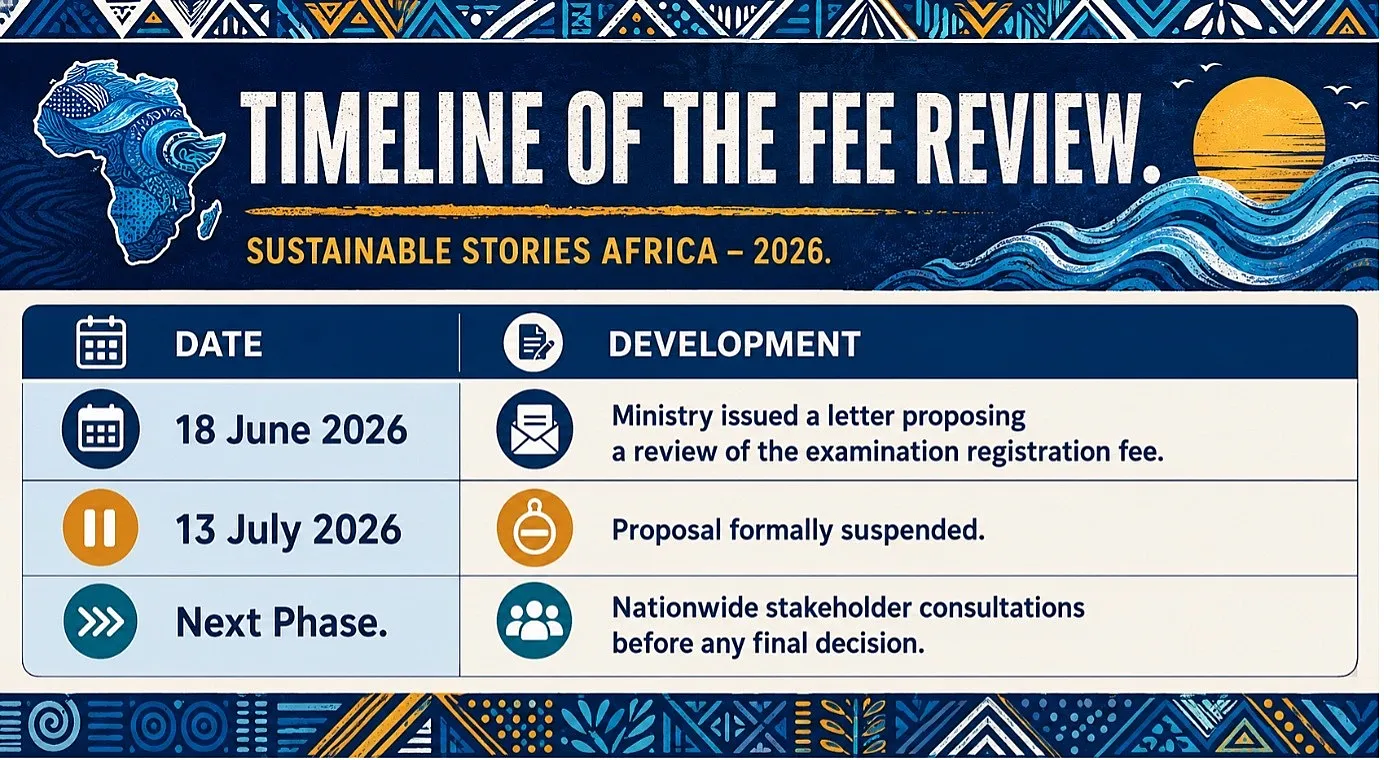
In a Federal Ministry of Education press release dated 13 July 2026, the ministry said the letter conveying the proposed fee adjustment, originally issued on 18 June 2026, has been formally withdrawn to allow for comprehensive consultations with relevant stakeholders before any final decision is taken.
The Minister of Education, Dr Maruf Tunji Alausa, approved the directive, which instructed that the proposal be placed on hold in line with the Federal Government's commitment to inclusive, transparent and evidence-based policymaking.
The announcement immediately affects one of the country's most important education financing discussions, as millions of secondary school students prepare for future external examinations.
Balancing Affordability With Rising Examination Costs
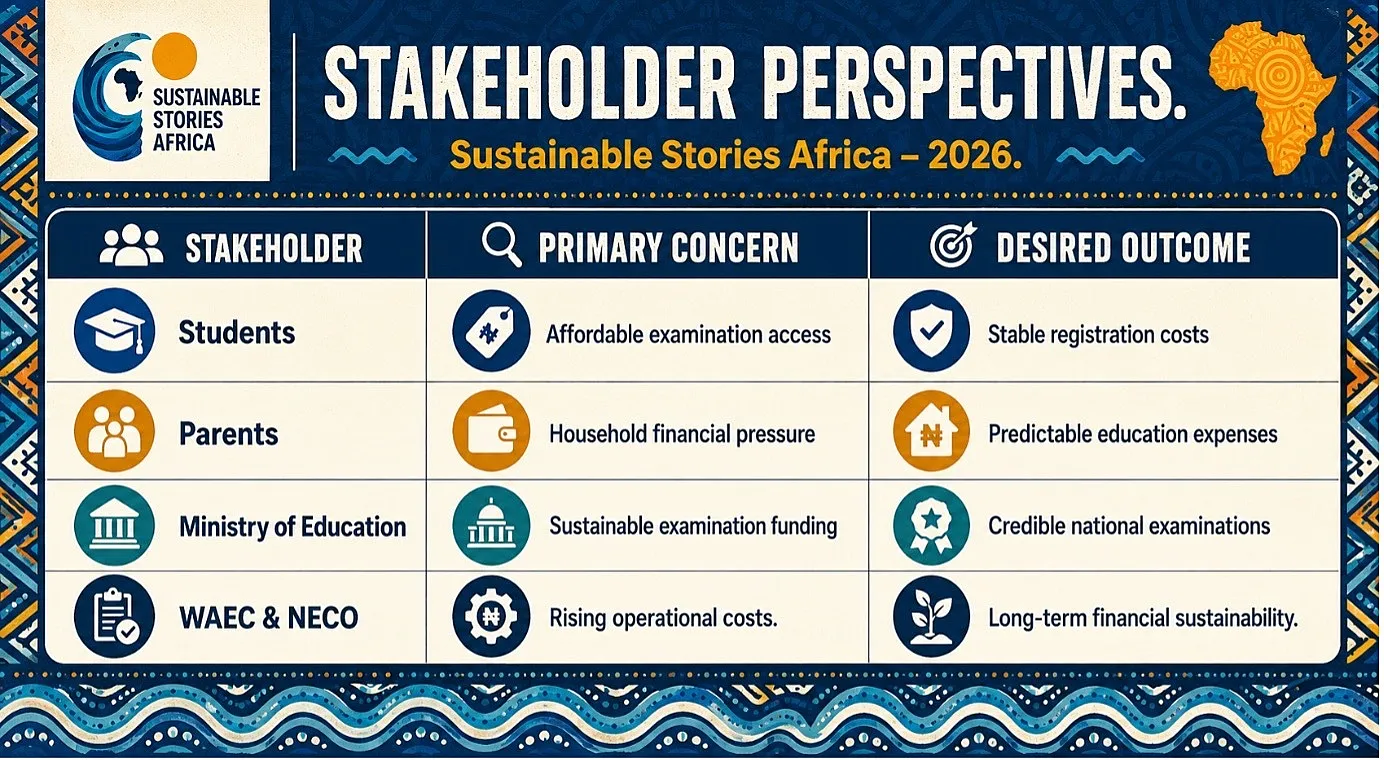
Although the fee review has been suspended, the Ministry emphasised that the proposal was driven by mounting operational costs rather than a policy shift aimed at restricting access to education.
According to the statement, examination registration fees have remained largely unchanged for several years despite significant increases in expenditure required to conduct credible nationwide examinations.
These costs include:
- Security for examination centres
- Printing of examination materials
- Technology deployment
- Logistics
- Quality assurance systems
- Other operational services needed to protect examination integrity
The Ministry acknowledged the extensive feedback it received from Nigerians after news of the proposed adjustment emerged, stating that public responses demonstrated the importance citizens place on equitable access to quality education.
It added that broader consultations would now determine whether any future adjustments are necessary and the mode of implementation.
For many households, the announcement provides temporary financial relief.
Across Nigeria, families continue to face elevated living costs, making education expenses an increasingly significant share of household budgets.
External examination fees often coincide with other major costs, including school levies, textbooks, transportation and admission-related expenses.
Consultation Could Deliver More Sustainable Education Policy
Education experts have long argued that maintaining high-quality national examinations requires sustainable financing.
At the same time, affordability is essential for public examinations to remain accessible to every qualified student regardless of income.
The government's decision to pause implementation creates an opportunity to reconcile both priorities.
A broader consultation process could allow policymakers to examine alternative funding models, targeted support for vulnerable students, phased implementation options, or operational efficiencies that reduce costs without compromising examination quality.
Such an approach would strengthen public confidence while ensuring that future reforms are informed by evidence rather than urgency.
Stakeholder Dialogue Now Takes Centre Stage
The suspension represents a pause rather than the end of the conversation.
The Ministry has indicated that consultations with education stakeholders will precede any future decision on examination fees.
That process is expected to include discussions on financing, operational realities and the broader objective of preserving confidence in Nigeria's public examination system.
The outcome will matter not only to examination bodies but also to students, schools, parents and policymakers seeking to improve educational access while maintaining national academic standards.
For citizens and education stakeholders, the next phase offers an opportunity to contribute constructively to policies that balance affordability with long-term institutional sustainability.
Path Forward – Building Consensus For Sustainable Education Financing
Nigeria's next steps will centre on inclusive stakeholder engagement, evidence-based policy development and careful evaluation of examination funding needs before any revised proposal is considered.
A transparent consultation process could strengthen trust in education governance while supporting Sustainable Development Goal 4 by promoting equitable access to quality education alongside financially sustainable national examination systems.